Natural Upcycled Sugarcane Fiber
Complete Biodegradation in Soil
Hot Oil & Boiling Water Tolerance
Fluorine-Free Barrier Technology
The Global Transition to Biodegradable Sugarcane Bagasse Tableware
As environmental legislation tightens globally—ranging from the European Union's Single-Use Plastics Directive (SUPD) to state-level plastic bans across North America and Australia—foodservice importers, packaging distributors, and commercial catering chains are actively replacing polystyrene (EPS), C-PET, and poly-coated paperboards. Among all bio-based materials, Biodegradable Sugarcane Bagasse Tableware has emerged as the premier structural and commercial substitute for single-use food packaging.
Bagasse is the dry, fibrous residue remaining after sugarcane stalks are crushed to extract juice. Historically treated as agricultural waste or incinerated for low-efficiency energy, advanced pulp molding processing converts this naturally abundant byproduct into high-density structural tableware. At Loms Food Packaging Co., Ltd., we utilize high-pressure thermoforming and proprietary oil-and-water barrier technologies to produce sugarcane fiber containers that meet strict international mechanical and food-contact compliance requirements.
Material Science: Why Sugarcane Pulp Outperforms Paper and PLA
To understand why global buyers prioritize sugarcane pulp over PLA (Polylactic Acid) or traditional wood pulp paperboard, purchasing managers must evaluate key mechanical and environmental performance indicators:
- Interlocking Fiber Matrix: Sugarcane fiber contains high concentrations of natural cellulose (45-55%) and hemicellulose (20-25%) with average fiber lengths of 1.3 to 1.7 mm. When hydrapulped and molded under intense hydraulic pressure (over 300 tons), these fibers form a tight, three-dimensional mechanical lattice that provides exceptional flexural modulus and rim rigidity.
- Thermal Stability without Deformation: Unlike PLA, which distorts or softens at temperatures above 45°C to 50°C, bagasse tableware maintains structural integrity from freezing temperatures (-20°C) up to 120°C in hot oil and 100°C in boiling liquids. It is completely safe for microwave reheating and deep-freeze storage.
- Zero Deforestation Impact: Paper pulp packaging relies on virgin timber harvesting or chemical recycling loops. Sugarcane bagasse is an annual renewable crop byproduct, meaning zero virgin trees are harvested for its manufacturing.
- True Soil-to-Soil Circularity: In commercial composting facilities (EN 13432 or ASTM D6400 standards), molded sugarcane bagasse breaks down into organic humus, carbon dioxide, and water within 60 to 90 days without leaving microplastic residues or toxic chemical leachates.
Product Recommendations for Global Foodservice Procurement
When specifying bagasse packaging programs for institutional catering, cloud kitchens, retail delivery, or quick-service restaurants (QSR), selecting the correct container design, wall thickness, and lid-locking mechanism is crucial to prevent leakage and thermal dissipation during transit. Loms Food Packaging Co., Ltd. recommends the following core product lines:
| Product Family | Standard Specifications & Sizes | Target Foodservice Application | Key Structural Features |
|---|---|---|---|
| Bagasse Hinged Clamshells | 6"x6", 8"x8", 9"x9" (1 or 3 Compartments) | Hot take-out meals, burgers, BBQ, dark kitchen delivery | Dual-tab secure click lock, reinforced corner ribbing, anti-sog venting base option |
| Heavy-Duty Bagasse Plates | 6", 7", 9", 10" Round & Oval Platter (3-Comp available) | Catering, events, buffet lines, institutional dining | Deep rim rim design prevents liquid spills; cut-resistant rigid surface structure |
| Deep Sugarcane Bowls & Lids | 12 oz to 40 oz (Round / Square) with PET/PP/Bagasse Lids | Soups, poke bowls, ramen, curries, fresh salads | |
| Compartment Meal Trays | 4-Comp, 5-Comp, School & Airline Meal Trays | Hospitality, school lunches, airline catering, bento sets | Zero aroma transfer between dividers; optimized for rapid high-volume plating |
| Eco-Friendly Bagasse Cutlery | 6.5" / 7" Heavyweight Knife, Fork, Spoon | Take-out dining kits, office catering, quick service | High tensile strength; no splintering compared to wooden cutlery; smooth mouthfeel |
Future Procurement Trends in Plant-Fiber Tableware
Procurement teams navigating the 2025–2030 packaging landscape must anticipate major regulatory shifts, material innovations, and commercial considerations when placing long-term factory orders.
1. The Non-Negotiable Transition to PFAS-Free Barrier Technologies
For decades, pulp molding manufacturers incorporated Per- and Polyfluoroalkyl Substances (PFAS) to achieve grease and oil resistance. However, regulations such as California’s AB 1200, EU REACH restricted list updates, and Danish food contact material laws strictly mandate that food packaging contain less than 100 ppm total organic fluorine—effectively banning intentional PFAS additions.
Information Gain Insight: The challenge with early fluorine-free formulations was grease bleed-through at hot temperatures (>80°C oil). Loms Food Packaging Co., Ltd. utilizes third-generation, plant-based bio-wax polymers and aqueous alkyl ketene dimer (AKD) emulsion systems blended directly into the pulp slurry. Our PFAS-free sugarcane bagasse tableware achieves oil-proofing up to 120°C for 30 minutes without compromising compostability or regulatory compliance.

2. Automated High-Speed Molding and Energy-Efficient Drying
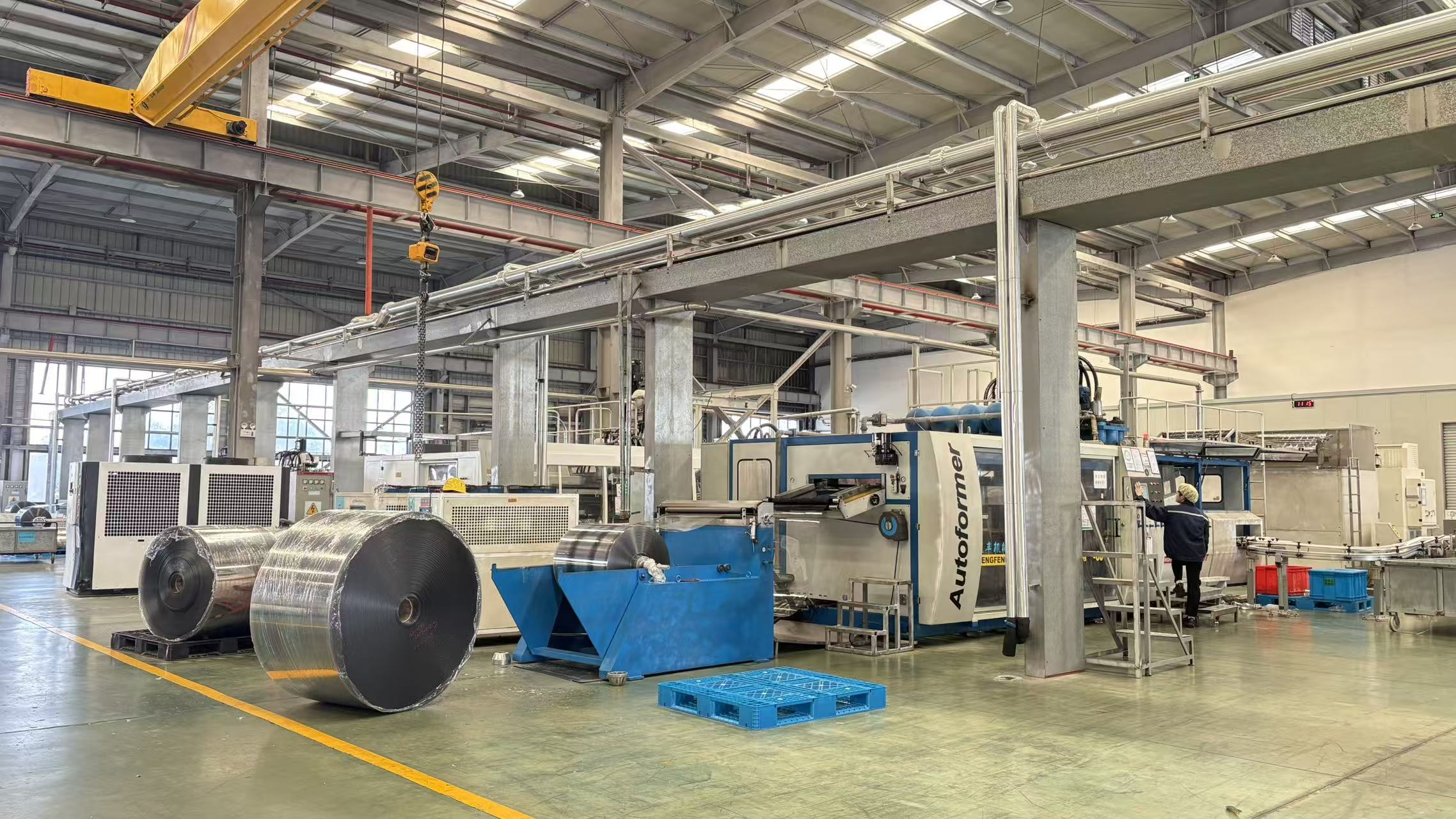
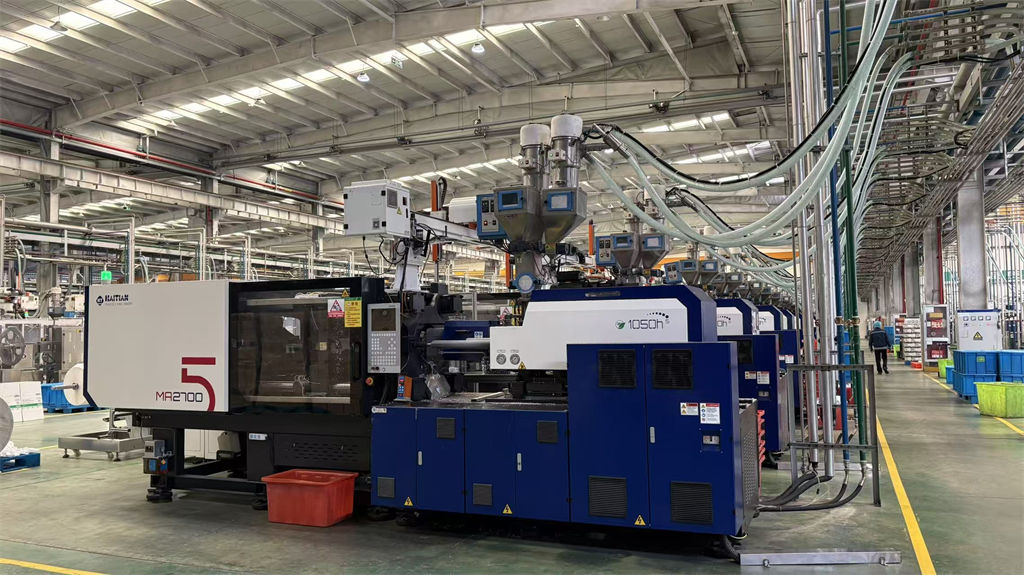
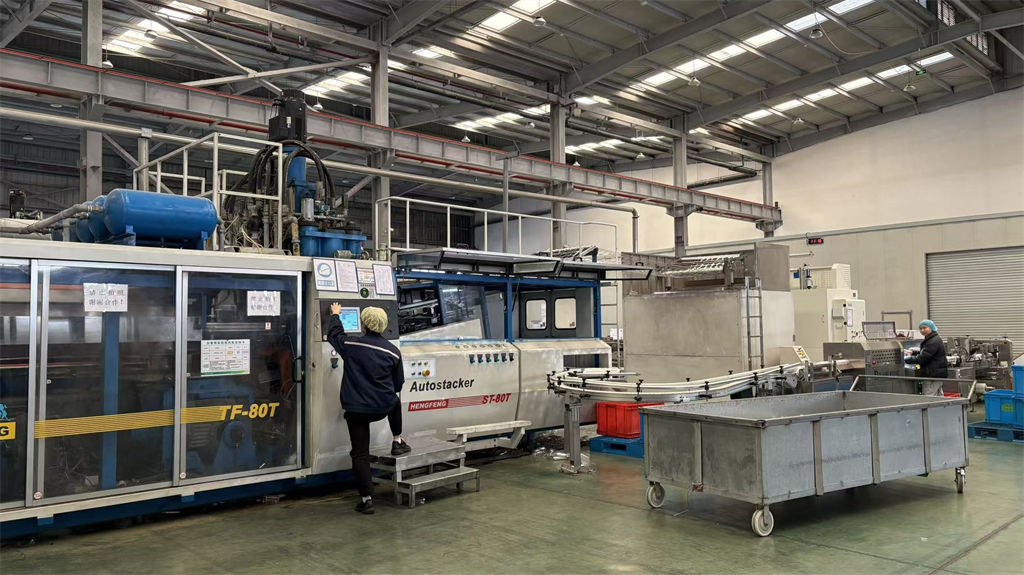
Traditional pulp molding required energy-intensive secondary drying ovens and manual edge trimming, driving up unit costs. Modern manufacturing integrates robotized hot-pressing molds where slurry dewatering, high-pressure thermoforming, precise edge trimming, and automated optical sorting occur on a continuous production unit. This automation drastically reduces energy consumption per ton, yields exceptionally crisp geometric edges, and ensures consistent rim tolerances for automated lidding machines.
3. Hybrid Barrier Coatings and Clear Eco-Lids
While bagasse lids provide a 100% plastic-free solution, takeaway operators often require lid clarity for quick meal identification and merchandising display. The market is shifting towards hybrid combinations: sugarcane bagasse bases paired with ultra-thin, highly recyclable rPET lids (containing up to 100% post-consumer recycled content) or home-compostable PLA/C-PLA lids. Providing complete system compatibility ensures distributors can tailor solutions based on localized recycling infrastructure.
Detailed Industry & Market Development Trends
The global market for plant-fiber tableware is undergoing a structural expansion. Key drivers reshaping supply chain strategy include:
- Raw Material Supply Security: Production facilities located near sugarcane agricultural belts maintain consistent pulp raw material supply year-round, insulating buyers from global timber pulp price volatility.
- Extended Life-Cycle Assessment (LCA) Requirements: Enterprise food brands are measuring Scope 3 carbon emissions. Sugarcane bagasse tableware yields up to 70% lower carbon emissions during its life cycle compared to expanded polystyrene (EPS) and virgin polypropylene (PP) packaging.
- Custom Branding via Debossing and Organic Inks: Rather than relying on exterior plastic sleeves or chemical-laden printing, top QSR brands utilize high-precision debossed logos molded directly into the outer walls or lids of bagasse clamshells, reinforcing premium sustainability credentials.
Enterprise Advantages: Why Partner with Loms Food Packaging Co., Ltd.
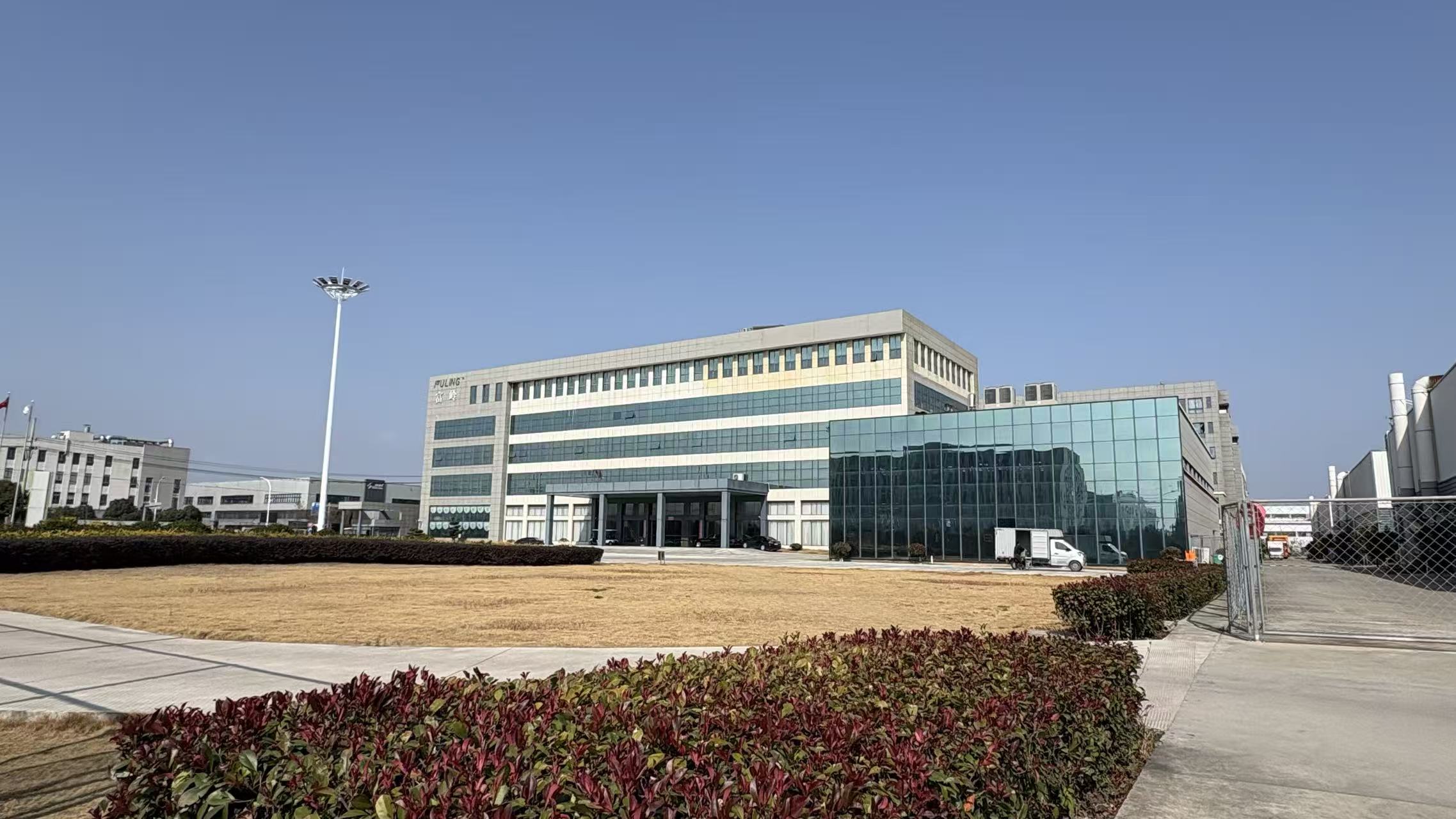
Selecting an experienced manufacturing partner is critical for ensuring reliable container supply, strict food safety controls, and smooth export customs clearance. Loms Food Packaging Co., Ltd. stands out through robust technical and operational capabilities:

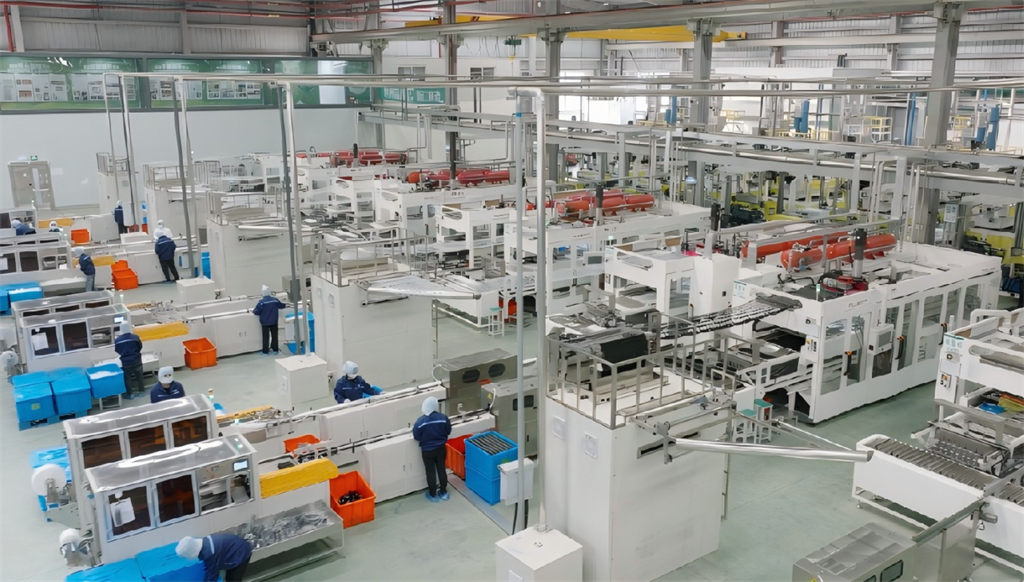

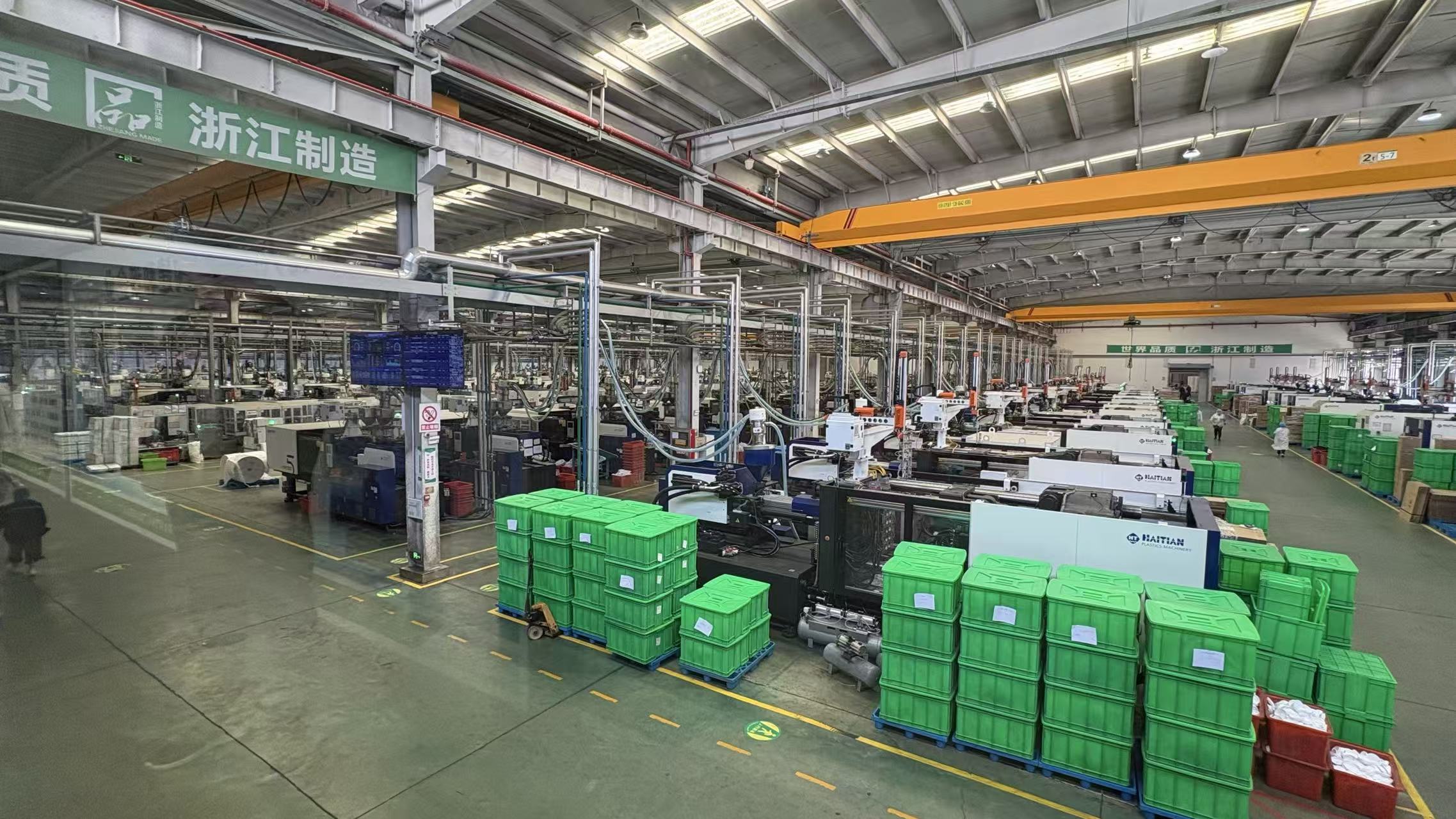
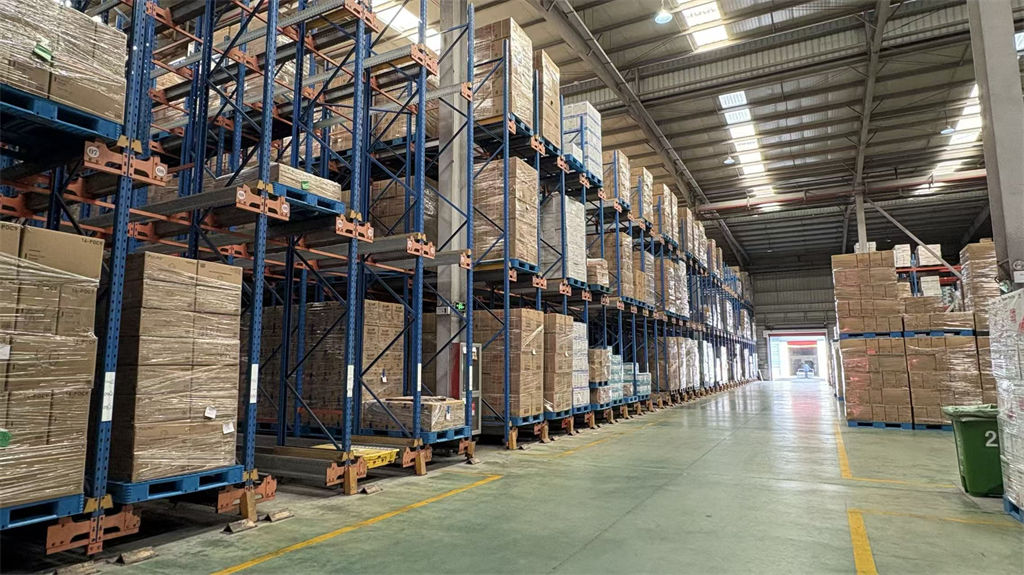
- Vertically Integrated Production Capacity: Operating multi-line automated hydraulic thermoforming presses, our factory maintains a high monthly volume capability, ensuring rapid turnaround times for full 20GP and 40HQ container orders.
- Comprehensive International Certifications: Our products undergo rigorous testing and meet FDA 21 CFR 176.170 (paper and paperboard in contact with aqueous/fatty foods), EU Regulation 10/2011, German LFGB standards, and OK Compost / BPI industrial compostability benchmarks.
- Strict Quality Control (AQL 1.0/2.5): Every production lot undergoes rigorous laboratory testing including burst strength testing, rim rigidity checks, hot oil boil-through tests (100°C for 30 minutes), and optical rim defect screening.
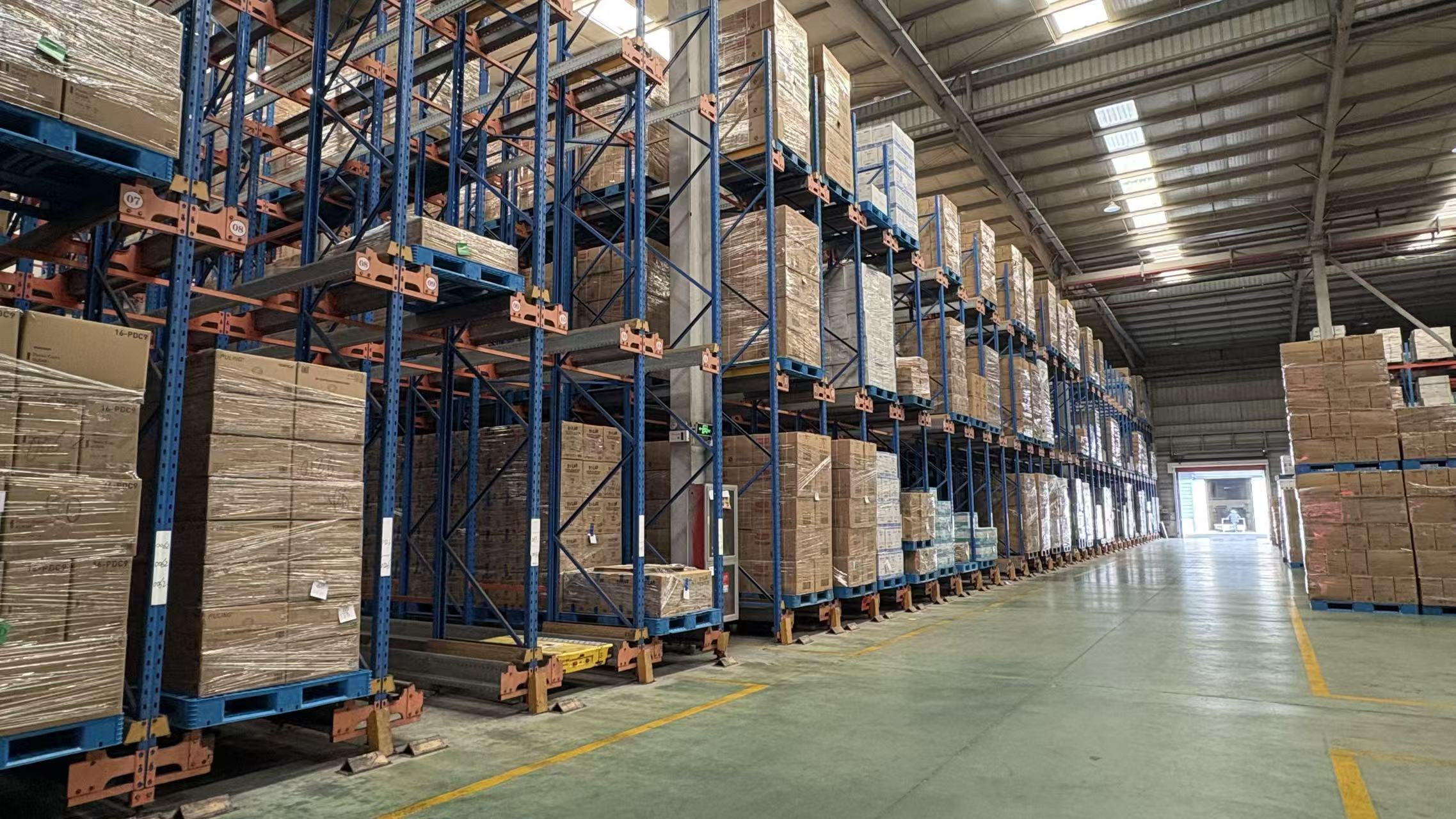
- Consolidated Logistics & Freight Optimization: Our packaging specialists custom-design carton dimensions and pallet configurations to maximize cubic meter usage inside shipping containers, dramatically lowering transoceanic freight costs per unit.
- OEM & Private Label Programs: From custom inner-pack retail polybags with EAN/UPC barcodes to master carton branding, Loms Food Packaging Co., Ltd. delivers fully finished private-label products directly to your distribution warehouses worldwide.
Frequently Asked Questions (FAQ) for B2B Importers
Our bagasse tableware is composed of over 95% refined sugarcane pulp mixed with food-grade plant starches and water/oil repellent additives. It contains zero synthetic plastic linings (such as PE or PLA films) and is 100% free from heavy metals, chlorine bleach, and toxic binding agents.
At Loms Food Packaging Co., Ltd., we utilize advanced fluorine-free bio-polymer additives and AKD emulsions introduced during the wet pulping phase. This creates a dense, hydrophobic, and oleophobic network throughout the entire fiber structure, resisting hot oil up to 120°C without requiring PFAS chemicals.
Industrial composting facilities operate at elevated temperatures (55°C–60°C) with managed humidity, breaking down sugarcane pulp within 60 to 90 days. Uncoated natural sugarcane bagasse tableware also meets Home Composting standards (OK Compost Home), naturally degrading in ambient backyard soil conditions within 120 to 180 days depending on climate conditions.
Yes. Sugarcane bagasse is thermally resilient from -20°C up to 120°C. It can be safely used to freeze pre-portioned meals and is microwave-safe for reheating up to 1000W for 3-5 minutes without releasing harmful fumes or melting.
No. High-density hydraulic thermoforming combined with internal sizing barrier agents prevents steam condensation from softening the base. For heavy, high-moisture gravy or hot soups, we recommend our heavy-grammage density series to maintain structural rigidity during extended transit times.
We supply complete compliance dossiers for every shipment, including FDA 21 CFR test reports, EU Regulation 10/2011 overall and specific migration reports, LFGB certificates, heavy metal analysis, and BPI / EN 13432 compostability verification documents.
Our standard MOQ for stock items is 50,000 pieces per SKU or a combined 20GP container load. Production lead times typically range from 15 to 25 days following deposit confirmation and artwork approval for custom printed master cartons.
Yes, Loms Food Packaging Co., Ltd. specializes in OEM/ODM solutions. Our toolmaking team can design and engineer custom thermoforming molds with debossed company logos, proprietary compartment layouts, or specific rim dimensions within 12-18 days.
While raw pulp processing historically carried a premium over commodity plastics, increasing plastic taxes, eco-tariffs, and scale efficiencies have brought bagasse tableware close to parity with heavy-duty PP and paperboard. Furthermore, choosing bagasse eliminates plastic regulatory fines and protects brand reputation.
Products are packed into heavy-duty poly inner sleeves (or compostable inner bags) and sealed with desiccant packs before being encased in 5-ply corrugated export cartons. Master cartons are stacked on plastic pallets, corner-boarded, and stretch-wrapped to withstand ocean freight humidity changes.
Partner with Loms Food Packaging Co., Ltd. for Direct Factory Supply
Get factory-direct pricing, customized container specifications, and guaranteed food-contact compliance for your wholesale packaging distribution business. Contact our global sales engineering team today.
Email Inquiry: [email protected]
Get a Quote