Blog
10 Best Food Packaging Containers for Wholesale Buyers
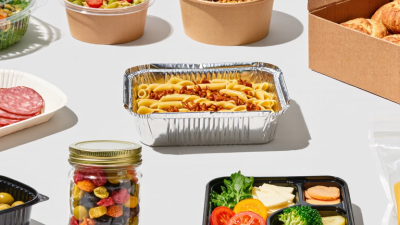
Wholesale packaging decisions affect more than unit price. A container must protect food, support safe handling, suit the filling process, and arrive reliably. Food Packaging Containers also shape how buyers store, transport, and present products. A low-cost option can become expensive when lids leak or cartons waste shelf space.
Packaging researcher Dr. Susan Selke’s work highlights a practical principle: packaging must protect its contents while meeting the demands of distribution and use. This guide applies that idea to ten common wholesale choices, from hinged clamshells and deli tubs to paper bowls, trays, and barrier containers. Each option has trade-offs. A clear plastic container may show fresh produce well, while a paper bowl can suit dry or prepared foods. Neither is automatically right for every product.
The comparisons focus on material, closure, durability, stackability, and typical use. They also consider order quantities and storage needs, because a container that performs well on a sample table may behave differently on a busy packing line. Small details matter. Check lid fit. Test the actual food. Review dimensions before ordering a pallet. Even careful research cannot replace a real-world trial, and supplier specifications should be verified before purchase. The best choice depends on the product, workflow, and customer expectations—not the catalog photo alone.
Read more »
 By:Alden
- November 10, 2026
Top Disposable Food Packaging Suppliers for Global Buyers
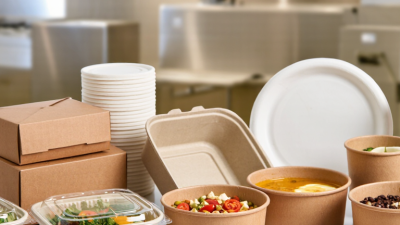
Choosing a supplier is not just a price comparison. For global buyers, Disposable Food Packaging must protect food, fit production lines, and arrive reliably. A paper bowl that softens under hot soup can create waste before it reaches the customer. A lid that fits poorly can disrupt an entire service shift.
Sustainable-design expert William McDonough’s well-known principle, “Waste equals food,” offers a useful lens for evaluating packaging materials. It is an ambition, not a guarantee: a compostable item only helps when suitable collection and processing systems exist. Buyers should examine material specifications, food-contact documentation, manufacturing capacity, sample quality, lead times, and end-of-life claims. Ask suppliers for current records, not just attractive brochures. Check whether certifications apply to the exact product and destination market. Details matter.
This guide compares leading suppliers through practical questions about product range, customization, quality controls, and international service. It also considers paper, molded fiber, and other common formats without treating any material as a universal answer. Some suppliers may look strong on paper but offer limited delivery flexibility. That matters. Buyers should test real samples with their own foods, temperatures, and handling routines before committing to large orders. No supplier is perfect, and a low unit price can hide costs in storage, damage, or inconsistent fit. The aim is a shortlist grounded in evidence, clear communication, and the needs of each market.
Read more »
By:Alden
- November 10, 2026
What Are the Top Takeaway Food Packaging Types in 2026?
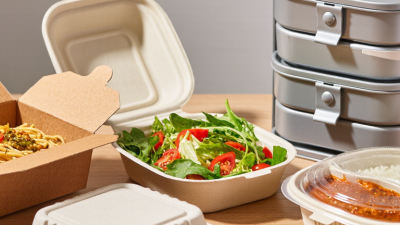
In 2026, Takeaway Food Packaging is expected to do more than carry a meal from kitchen to customer. It must protect food during travel, retain heat or freshness, and remain easy to open. A curry needs a secure, leak-resistant container. A crisp salad needs room to breathe. Small details can decide whether a meal arrives appetizing or disappointing.
Popular options include paperboard boxes, molded-fiber trays, recyclable plastic containers, and reusable packaging systems. Each suits different foods and service needs. Paperboard works well for many dry or lightly sauced dishes, while sturdy containers can better manage soups and heavier meals. Yet material labels alone do not tell the whole story. A package’s performance depends on its design, local disposal facilities, and how customers actually use it.
This guide compares the leading takeaway formats and explains their practical strengths and limitations. It considers insulation, leak resistance, stackability, presentation, and end-of-life handling. These factors matter to restaurants managing busy service, as well as customers carrying food on foot, by bike, or in a car. Packaging claims should be checked against supplier specifications and relevant food-contact guidance. There is no universal winner. A container that looks sustainable may not fit local recycling systems, and that is worth questioning. The best choice is usually the one that protects the meal reliably while matching the menu, budget, and available waste infrastructure.
Read more »
By:Alden
- November 10, 2026