Engineering Excellence in Plastic Deli Soup Containers Manufacturing
Comprehensive technical insights, material science, and global procurement trends for commercial food importers, packaging distributors, and restaurant chains.
In modern commercial foodservice and meal kit delivery, Plastic Deli Soup Containers represent far more than simple packaging. They serve as the critical boundary protecting hot liquids, rich broths, and delicate culinary prep through intense logistics cycles, motor delivery shock, and extreme thermal transitions. At Loms Food Packaging Co., Ltd., we engineer high-performance Polypropylene (PP) round deli tubs specifically designed to overcome systemic industry pain points: lid pop-offs, thermal vacuum collapse, sidewall buckling, and micro-cracking in frozen conditions.
As global sourcing standards elevate under strict food safety mandates (such as US FDA 21 CFR 177.1520 and EU Regulation No. 10/2011), B2B buyers require complete transparency regarding polymer selection, wall-thickness uniformity, stack loading ratios, and lid-seal mechanics. Below is an exhaustive technical manual and market assessment designed for procurement directors seeking maximum operational efficiency and brand integrity.
1. Technical Specifications Matrix: Plastic Deli Soup Containers
Our heavy-duty round plastic deli soup containers are manufactured using high-clarity, high-impact virgin Polypropylene (PP). All sizes feature a standardized top rim diameter of 117mm, enabling complete lid interchangeability across your inventory portfolio.
| Container Size (Volume) | Rim Diameter | Height (mm) | Gram Weight (Base) | Temperature Tolerance | Primary Application |
|---|---|---|---|---|---|
| 8 oz (240 ml) | 117 mm | 42 mm | 14.5 g ± 0.5g | -20°C to +120°C | Dips, gravies, single-serve sauces, small deli side salads |
| 12 oz (360 ml) | 117 mm | 61 mm | 17.8 g ± 0.5g | -20°C to +120°C | Side soups, clam chowder, sides, oatmeal, condiments |
| 16 oz (480 ml) / Pint | 117 mm | 77 mm | 21.5 g ± 0.5g | -20°C to +120°C | Hot broth, stews, deli salad portions, meal prep ingredients |
| 24 oz (720 ml) | 117 mm | 112 mm | 27.0 g ± 0.5g | -20°C to +120°C | Noodle soups, curry, family-style side dishes, bulk deli prep |
| 32 oz (960 ml) / Quart | 117 mm | 143 mm | 32.0 g ± 0.5g | -20°C to +120°C | Quart soups, stocks, bulk takeout meals, wholesale food storage |
Information Gain Insight: The Universal 117mm Lid Economic Advantage
Why carry 5 different lid SKUs when 1 universal lid fits every size? Loms Food Packaging Co., Ltd. engineered a universal 117mm rim across our 8oz to 32oz deli container range. For foodservice distributors, this reduces warehouse stocking costs by up to 35%, prevents kitchen operator mismatch errors, and accelerates assembly line packing speeds during peak takeout hours.
2. Structural Science: Injection Molded vs. Thermoformed Deli Tubs
B2B importers frequently inquire about the operational differences between Thermoformed PP Containers and High-Precision Injection Molded Containers. Understanding these structural distinctions is crucial when matching packaging to menu temperature and transport demands:
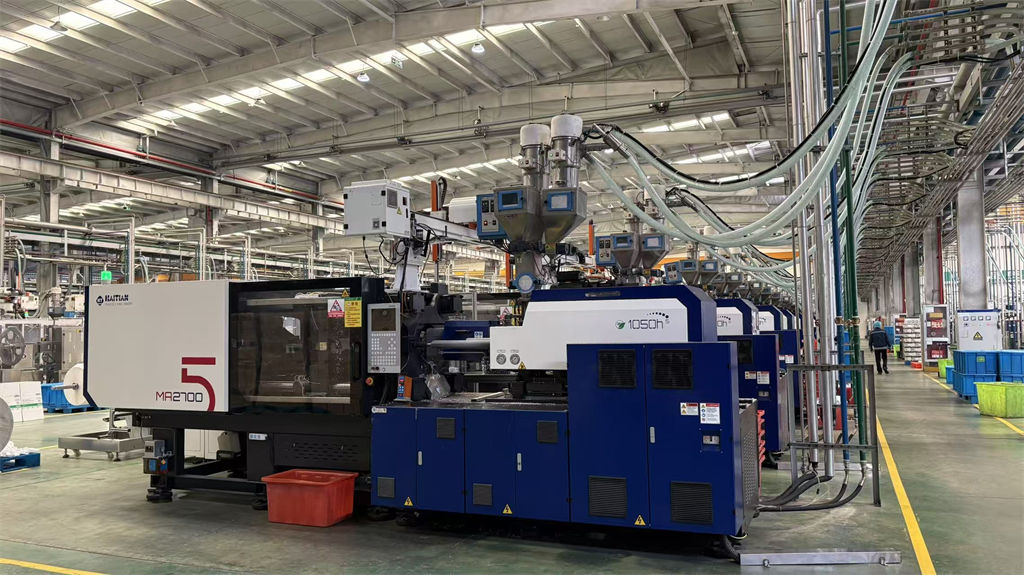
- Injection Molded PP Deli Containers: Formed under extreme hydraulic pressure, injection molded tubs possess uniform sidewall thickness and reinforced top beads. This process yields superior crush resistance, allowing full 32oz quart containers of hot liquid to be stacked 5-high in courier thermal bags without sidewall bowing or rim deformation.
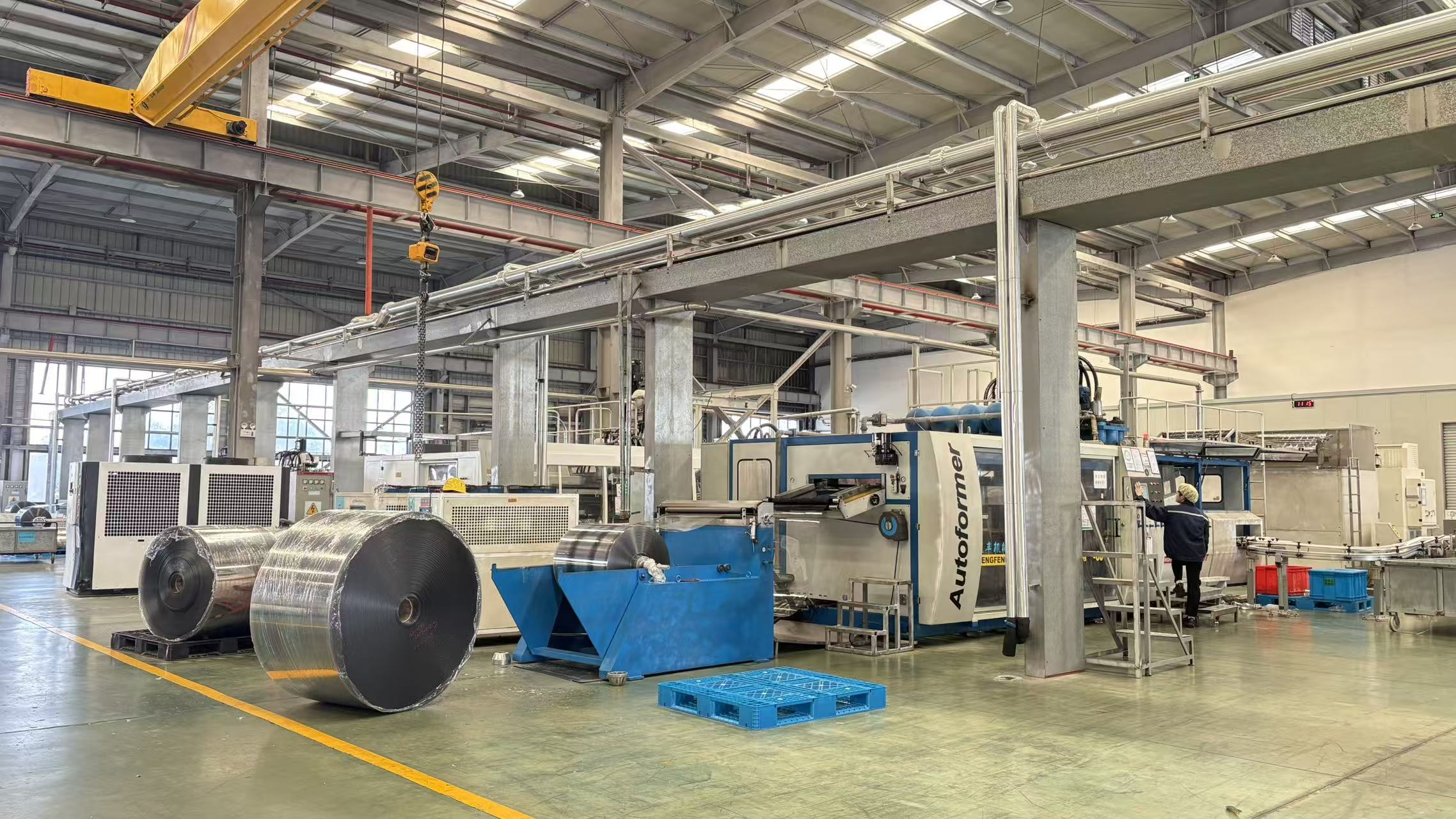
- Thermoformed PP Deli Tubs: Produced by vacuum-forming heated plastic sheet material. While lighter in weight and cost-optimized for high-volume cold deli displays, thermoformed tubs have thinner corners and lower thermal shock resilience, making them less ideal for boiling soups or commercial microwave re-heating cycles.
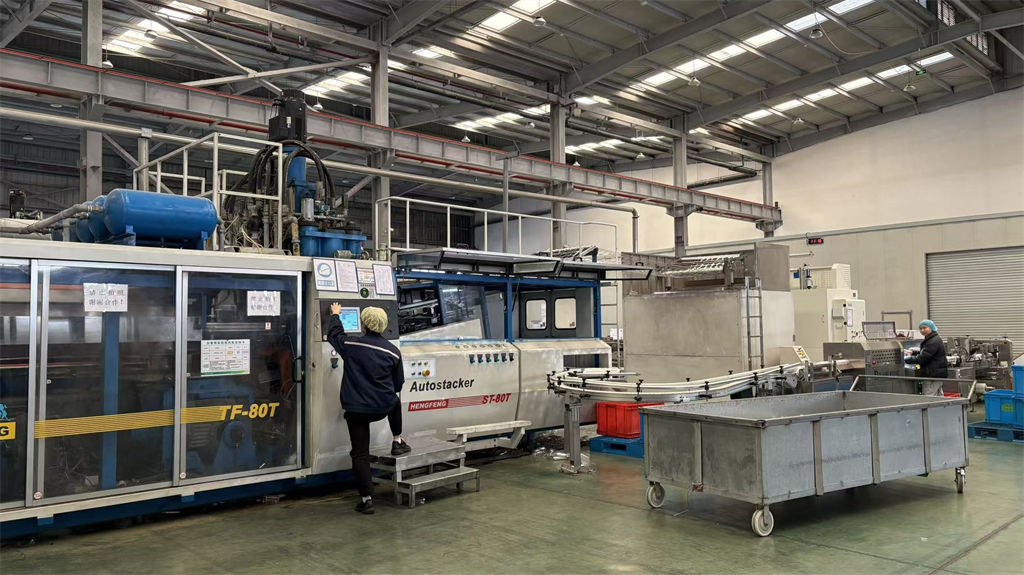
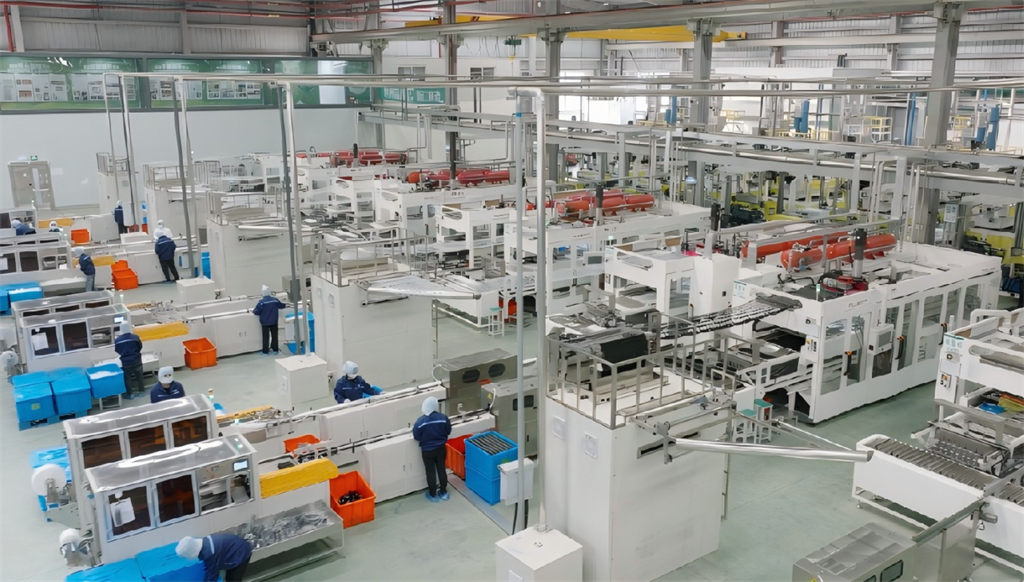
At Loms Food Packaging Co., Ltd., our flagship plastic deli soup container line is manufactured strictly via automated injection molding lines, guaranteeing structural rigidity and 100% leakproof snap-fit lid alignment.
3. Overcoming Thermal & Logistics Bottlenecks in Hot Liquid Packaging
Through deep user intent analysis across global delivery networks, our packaging engineers identified four major operational failures in standard takeaway soup packaging. Here is how Loms Food Packaging Co., Ltd. solves them:
A. Preventing Steam Pressure Lid Pop-Off
When hot liquids (85°C–98°C) are sealed inside air-tight plastic containers, internal air expansion creates positive pressure that forces standard lids to pop open. Loms solves this through a proprietary perimeter locking groove combined with micro-flex rim geometry that absorbs internal pressure surges while locking the liquid barrier tightly in place.
B. Eliminating Vacuum Sidewall Collapse During Cooling
As hot soup cools, air pressure inside the sealed container drops rapidly, creating a vacuum that pulls container walls inward ("paneling"). Our plastic deli soup containers incorporate vertical rib reinforcement arches around the lower perimeter, counteracting negative pressure and preserving structural geometry during cold storage transit.
C. Thermal Shock Resilience (-20°C Freezer to +120°C Microwave)
Many meal-preppers and commercial kitchens store prepared stocks in deep freezers before heating them directly in commercial microwaves. Standard plastics become brittle at low temperatures and shatter when dropped or heated. Loms utilizes impact-modified food-grade polypropylene copolymers that maintain polymer ductility at sub-zero temperatures while resisting melting or off-gassing at high microwaving temperatures.
4. Future Procurement & Sustainability Trends (2025–2030)
The global market for plastic deli soup containers is evolving under shifting environmental legislation and consumer convenience demands. Global buyers must align their procurement strategies with the following emerging trends:
- Transition to Mono-Material Circular PP Packaging: Extended Producer Responsibility (EPR) laws in Europe and North America incentivize mono-material packaging solutions. Because both our deli tubs and matching flat lids are molded from 100% Polypropylene (#5 PP), the entire packaging unit can be directly recycled in municipal recycling streams without requiring material separation.
- In-Mold Labeling (IML) for Brand Differentiation: Traditional printed paper stickers degrade quickly when exposed to hot soup condensation or oil seepage. High-speed In-Mold Labeling (IML) fuses vibrant artwork directly into the container wall during molding, creating a moisture-proof, scratch-resistant, and premium aesthetic for national grocery brands and restaurant franchises.
- Lightweighting Through Precision Wall Thinning: Advanced mold flow simulation allows Loms engineers to reduce container gram-weight by 8% to 12% without sacrificing top-load compression strength. This weight reduction directly lowers international freight costs and carbon footprint per unit shipped.