2025 Export Update: Tariff-ready documents, HS code guidance & consolidated LCL shipping for mixed-SKU orders
0%

Wholesale packaging decisions affect more than unit price. A container must protect food, support safe handling, suit the filling process, and arrive reliably. Food Packaging Containers also shape how buyers store, transport, and present products. A low-cost option can become expensive when lids leak or cartons waste shelf space.

Packaging researcher Dr. Susan Selke’s work highlights a practical principle: packaging must protect its contents while meeting the demands of distribution and use. This guide applies that idea to ten common wholesale choices, from hinged clamshells and deli tubs to paper bowls, trays, and barrier containers. Each option has trade-offs. A clear plastic container may show fresh produce well, while a paper bowl can suit dry or prepared foods. Neither is automatically right for every product.

The comparisons focus on material, closure, durability, stackability, and typical use. They also consider order quantities and storage needs, because a container that performs well on a sample table may behave differently on a busy packing line. Small details matter. Check lid fit. Test the actual food. Review dimensions before ordering a pallet. Even careful research cannot replace a real-world trial, and supplier specifications should be verified before purchase. The best choice depends on the product, workflow, and customer expectations—not the catalog photo alone.
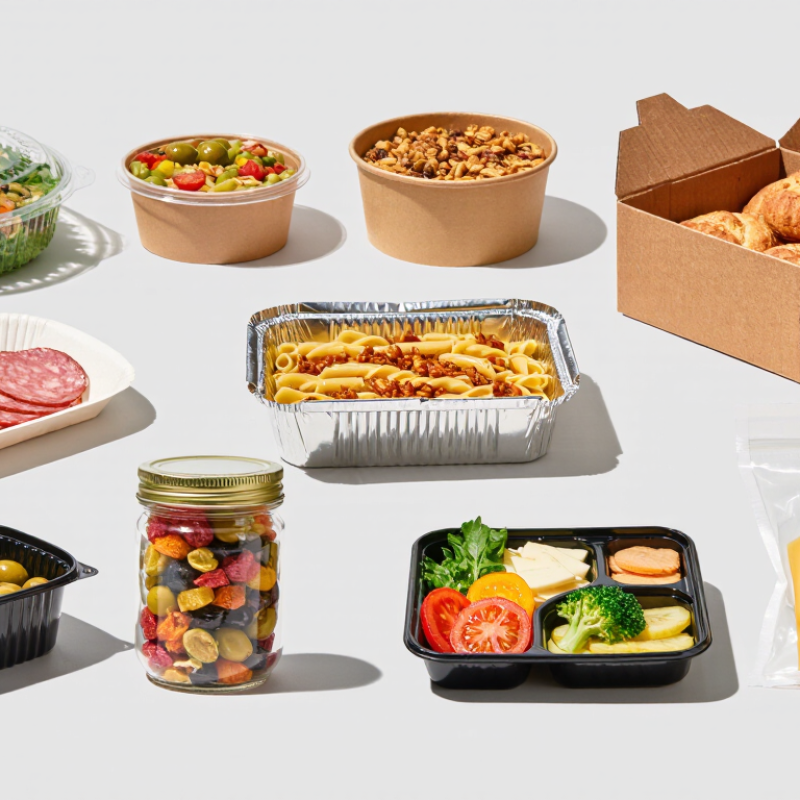
10 Best Food Packaging Containers for Wholesale Buyers

Key Requirements for Wholesale Food Packaging Containers

Wholesale food packaging containers should match the food, filling process, and delivery conditions. Start with the intended use: hot soup needs secure lids and heat-tolerant material, while chilled salads need reliable seals and clear product visibility. A container that looks sturdy on a sample table may flex when stacked or carried. Test it with the actual portion and lid.

Check food-contact documentation, temperature limits, leak resistance, and compatibility with microwaving or freezing when those uses apply. Confirm dimensions and usable capacity; advertised volume may not reflect room needed for toppings or sauces.

For bulk orders, review carton counts, pallet footprint, lead times, and the supplier’s ability to keep specifications consistent. Small differences matter. A slightly loose lid can create avoidable messes across hundreds of meals.

Tips: Request samples from the production batch, not only display pieces. Fill them, stack them, and transport them over a realistic route. Record what fails.

It can feel tedious, but a short test often reveals more than a polished product sheet. Compare total landed cost, including freight and storage, rather than unit price alone.

Check the material’s recycling guidance for your market, and avoid claims the supplier cannot document.

Ten Container Types for Wholesale Food Buyers

Wholesale buyers usually compare containers by product, delivery route, and service style. Ten common formats solve different needs. Hinged clamshells suit pastries and fresh-cut fruit; check latch strength after stacking. Paperboard trays present baked goods neatly, but oily items may need a liner. Molded-fiber bowls work for salads and hot sides, though moisture can soften them over time. PET deli cups keep chilled sauces visible. PP tubs can handle reheating when their stated temperature range allows it. Check the specification.

Aluminum pans suit oven-ready meals and catering portions. Glass jars protect sauces and spreads from flavor transfer, but their weight and breakage risk can raise freight costs. HDPE buckets hold bulk ingredients such as dressings or dry mixes; confirm lid fit and handle comfort when full. Vacuum pouches reduce air around meats or cheeses, yet need compatible sealing equipment. Corrugated produce boxes protect larger quantities of fruit, especially when their vents suit the crop and delivery route.

Details matter. Request food-contact documentation, dimensions, case counts, and closure samples before ordering at scale. Test filled packages through realistic stacking, chilling, transport, and opening. A sample that looks perfect on a desk may leak in a delivery bag. It happens. No format is perfect.

10 Best Food Packaging Containers for Wholesale Buyers — Ten Container Types for Wholesale Food Buyers

Container Type Common Materials Typical Wholesale Uses Advantages Buyer Checks
1. Hinged Clamshell PET, rPET, or polypropylene (PP) Salads, sandwiches, baked goods, cut fruit, and takeaway meals Integrated lid makes packing and handling simple; clear versions display food well. Check hinge strength, lid closure, stackability, portion size, and whether the material suits the intended food and temperature.
2. Deli Container with Separate Lid Usually PP; some formats use PET Soups, sauces, prepared salads, dips, and deli sides Available in multiple sizes; straight sides make filling and storage convenient. Confirm lid fit, leak resistance for the intended contents, and supplier guidance for hot filling, reheating, or freezing.
3. Rectangular Takeout Base PP, molded fiber, or coated paperboard Hot entrées, rice dishes, noodles, and meal-prep portions Efficient shape for portioning and stacking; compartmented options can separate foods. Verify compatibility with the chosen lid and check grease, moisture, and heat performance for the menu.
4. Aluminum Foil Container Formed aluminum, often paired with a paperboard lid Baked dishes, catering trays, roasted foods, and food prepared for oven use Lightweight, formable, and suitable for many oven applications when specified for that use. Check gauge, rim strength, lid type, and supplier instructions. Do not assume every foil container is suitable for microwaves.
5. Paperboard Food Bowl Paperboard with a food-contact barrier coating or lining Grain bowls, salads, noodles, soups, and prepared meals Rigid shape presents food neatly; compatible lid options are commonly available. Confirm coating and lid compatibility, leak performance, and suitability for hot, oily, or acidic foods.
6. Molded-Fiber Tray or Bowl Formed plant-fiber pulp, such as bagasse or recycled paper fiber Takeaway meals, produce, bakery items, and catering portions Rigid molded forms can provide cushioning and are available in compartmented designs. Barrier performance varies by product. Check grease and moisture resistance, food-contact compliance, and local disposal options.
7. Vacuum Pouch Flexible multilayer film, commonly including polyamide and polyethylene Meat, cheese, seafood, and other products packed with air removed Can reduce package volume and limit exposure to oxygen when correctly sealed and used for a suitable product. Match film barrier and thickness to the product and process; confirm sealing equipment compatibility and required storage conditions.
8. Glass Jar Food-grade glass with a compatible metal or plastic closure Jams, sauces, pickles, honey, and shelf-stable foods packed using a validated process Transparent, rigid, and reusable; glass provides a strong barrier to gases and moisture. Account for weight and breakage risk. Validate closure, thermal-shock limits, and processing requirements for the product.
9. Produce Tray or Punnet PET, rPET, PP, molded fiber, or coated paperboard Berries, cherry tomatoes, cut produce, and other delicate fresh foods Supports delicate items and can offer ventilation or visibility, depending on the design. Check ventilation, stacking strength, drainage needs, lid fit, and suitability for the produce’s moisture and handling conditions.
10. Corrugated Produce Box Corrugated fiberboard, sometimes with ventilation openings or a liner Bulk fruit and vegetables, foodservice deliveries, and distribution of packaged goods Lightweight relative to its strength and available in sizes suited to palletized transport. Specify board strength for load and humidity conditions; check ventilation, stacking performance, and any liner or food-contact requirements.

Wholesale buying note: Specifications vary by supplier and design. Confirm food-contact compliance, dimensions, case quantity, storage conditions, and intended-use limits before ordering.

How Materials and Designs Protect Different Foods

Food packaging works best when its material matches the food’s moisture, temperature, and travel time. For soups and sauces, rigid, leak-resistant tubs with secure lids help limit spills during stacking and delivery. Vented paperboard or molded-fiber trays can suit fried foods because escaping steam helps preserve crispness. They are not magic. Long trips can still soften coatings. Clear, food-safe plastic containers let buyers inspect salads and cut fruit, while snug lids help reduce drying and exposure to debris.

Greasy or acidic foods need packaging that resists seepage and flavor transfer. Coated paper bowls may work for brief service, but check their seams and coating against the intended use. For chilled meat or seafood, sturdy trays paired with suitable film can help contain liquid and keep portions visible. Hot foods need containers rated for the expected temperature. A warped base makes handling awkward. Stackable shapes save warehouse space, though tightly nested containers may slow packing.

Tips: Test a filled sample under realistic storage and delivery conditions. Check the seal. Compare container dimensions with portion sizes, lids, and packing equipment. A small mismatch can create extra handling or waste, so review samples before placing a large wholesale order.

Matching Container Formats to Products and Supply Chains

Choosing food packaging containers for wholesale is less about appearance than product behavior and supply-chain demands. A crisp salad needs a different format from hot soup or a dense sauce. Shallow trays help display layered foods, while leak-resistant cups suit dressings and dips. For chilled meals, check that containers tolerate the expected temperature and remain stable during stacking. Small details matter. A lid that loosens during transit can turn a good container into wasted product.

Match the format to the filling process, too. Wide openings can speed portioning by hand, while consistent dimensions may work better with automated filling and sealing. Then check case counts, pallet patterns, and storage space. A lightweight container may reduce shipping weight, but flimsy walls can buckle under stacked cartons. There is no perfect universal tub. The trade-off is real.

Before committing to a large order, test samples with the actual food, lid, and packing routine. Leave them in a chilled case, stack them as they will travel, and inspect for leaks or deformation. I would not rely on a supplier’s sample alone; your filling line and route may expose problems it missed. Also compare the container’s dimensions with existing cartons and shelves. A few awkward centimeters can create handling headaches.

Wholesale Considerations for Cost, Compliance, and Storage

Wholesale buyers should compare landed cost, not just the price per container. Include lids, freight, storage space, and damage rates in the calculation. A container that is slightly cheaper may need more pallet space or arrive with lids that fit poorly. That can erase the saving. The U.S. EPA’s 2018 materials data recorded 82.2 million tons of containers and packaging in municipal solid waste, or 28.1% of the total. Packaging choices have real waste and handling implications.

Compliance needs product-specific checks. Ask suppliers for food-contact documentation and confirm it matches the material, intended food, and use conditions. Requirements vary by market, so a general “food safe” statement may not be enough. Storage matters, too. Check case dimensions, stack limits, and temperature guidance against your warehouse and delivery routine. The OECD’s 2022 Global Plastics Outlook identifies packaging as the largest source of plastic waste, at about 40% in 2019. That figure is a useful reminder to assess disposal options locally rather than assume every container will be recycled.

Tips: Request a sample case before ordering at scale. Stack it on your actual shelving, test the lid seal, and measure the space it occupies. Compare the cost per usable serving, not merely per piece. One detail is easy to miss: a neat-looking stack may still be unstable when cases are damp.

10 Best Food Packaging Containers for Wholesale Buyers

Wholesale considerations for cost, compliance, and storage

Indicative planning estimates show broad cost differences across common container types. Actual prices vary by size, order volume, supplier, freight, and region. Before purchasing, verify food-contact compliance for your market and check carton dimensions, stackability, and storage requirements.

FAQS

How should I choose a container for hot soup?

Check heat tolerance, lid security, and leak resistance. Test it with a full portion.

What should I check for chilled salads?

Look for a reliable seal, clear visibility, and stability when stacked. Cold storage can reveal weaknesses.

Why test containers with actual food?

Food, lids, and filling routines can expose leaks or bending that display samples miss. It is easy to miss.

How can I check whether a container fits my filling process?

Wide openings can speed hand portioning. Consistent dimensions may suit automated filling and sealing.

Is advertised capacity enough to judge container size?

No. Leave room for toppings and sauces, then compare the usable capacity with your portion.

What should I check before placing a bulk order?

Review case counts, pallet layout, lead times, and storage space. Small differences add up.

How do I test containers for delivery conditions?

Fill them, stack them, and carry them along a realistic route. Then inspect for leaks or deformation.

Should I choose the lightest container to reduce shipping weight?

Not automatically. Flimsy walls may buckle under stacked cartons; the trade-off is real. I would double-check.

Conclusion

Choosing the right Food Packaging Containers helps wholesale buyers protect product quality, manage costs, and streamline handling from packing to delivery. This overview compares ten common container types and explains how materials such as paperboard, plastic, glass, and aluminum, along with features like tight-fitting lids and stackable shapes, can suit different foods and storage needs. It also highlights practical requirements, including durability, food-contact suitability, portion size, and ease of use.

The best format depends on the product and its supply chain. Buyers can match containers to factors such as temperature, moisture, transport distance, display, and storage space. A thoughtful wholesale decision also considers unit cost, minimum order quantities, storage efficiency, and relevant packaging and labeling requirements. Balancing these points can help businesses select containers that preserve food, simplify operations, and support dependable distribution.

Alden

Alden

Alden is a marketing professional with a deep understanding of the company’s products, customers, and the needs they are designed to address. He regularly contributes expert articles to the company website, making complex product information clear, useful, and approachable. Through careful research......