Featured CE-Certified Bento & Take-Out Containers
Direct factory wholesale solution for distributors, global importers, and quick-service restaurant chains.

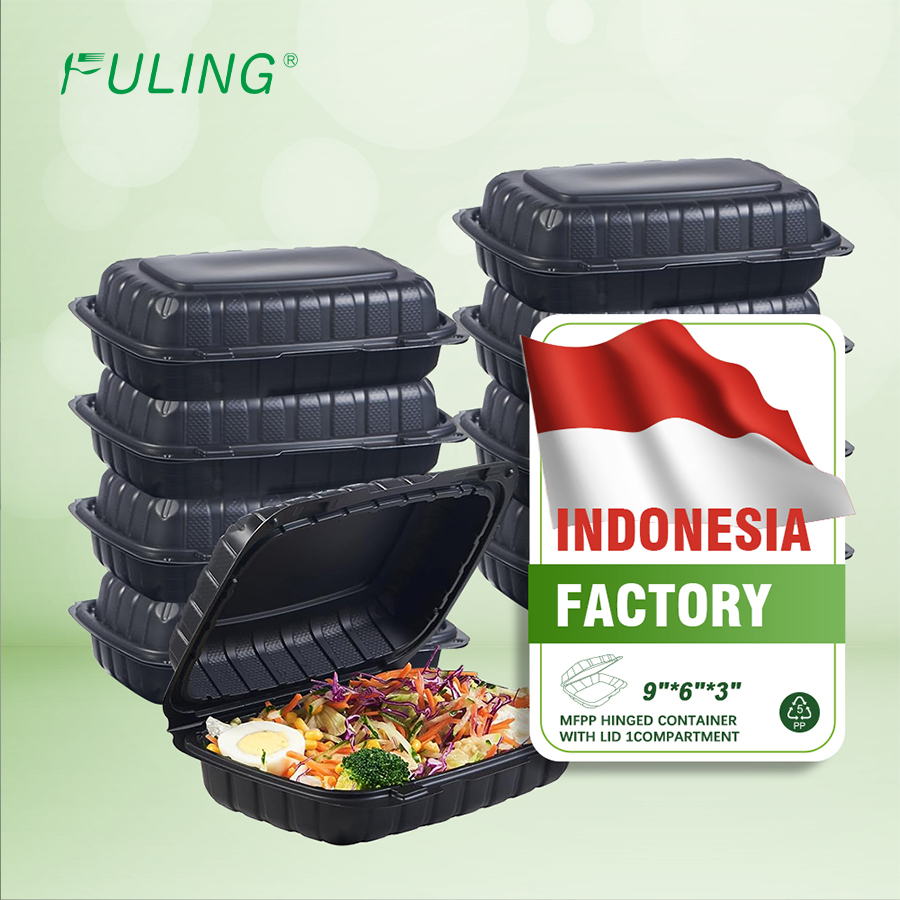


Technical Whitepaper: CE Compliance & Material Science in Modern Bento Packaging
Understanding the engineering criteria, regulatory protocols, and structural physics driving next-generation food-contact packaging.
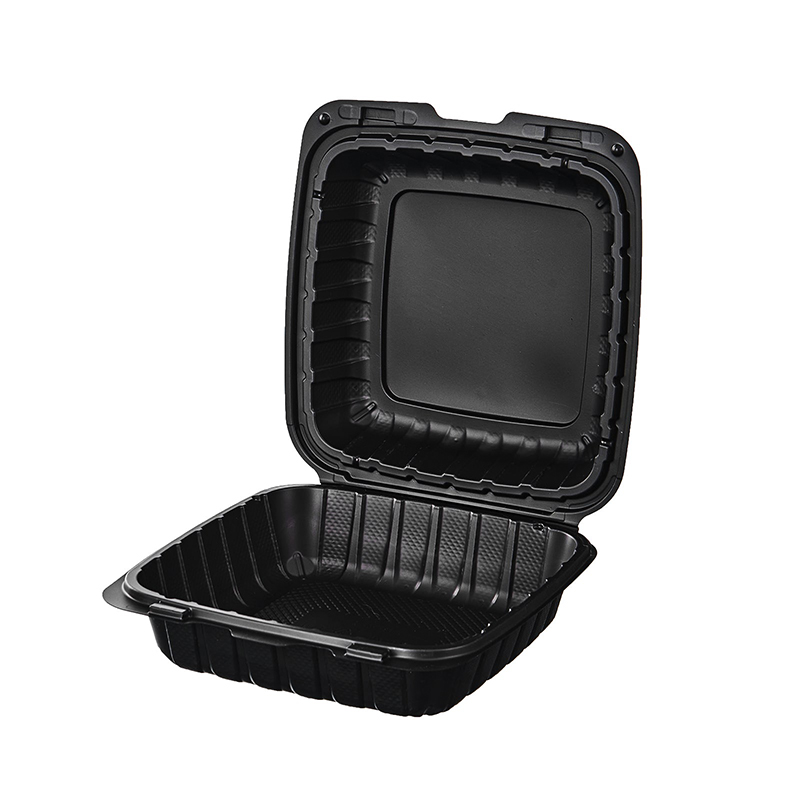
The global takeaway and quick-service restaurant (QSR) landscape is undergoing an unprecedented structural transition. Driven by regulatory mandates, shifting consumer consumption patterns, and high-velocity delivery platforms, food service operators and importers require packaging solutions that satisfy strict environmental compliance standards while maintaining high structural performance. At the center of this evolution is the CE Certified Disposable Bento Box, manufactured utilizing engineered polymers like Mineral-Filled Polypropylene (MFPP) and high-purity virgin Polypropylene (PP).
SEO & Regulatory Insight: CE certification within European and international commercial channels validates that polymer food containers comply with strict health, safety, and environmental protection standards. For high-volume B2B importers, specifying CE-compliant, FDA-tested, and EU 10/2011-certified bento boxes minimizes tariff risks, prevents customs clearance blockages, and guarantees zero chemical migration under severe thermal conditions.
1. Clarifying CE Certification and Food Contact Regulations (EU 10/2011 & FDA 21 CFR)
While CE marking historically applied to industrial machinery and safety devices, the international packaging sector enforces rigorous material traceability and factory quality management standards under CE harmonization guidelines. When sourcing disposable bento containers for EU and global logistics, compliance spans three key pillars:
- Overall Migration Limit (OML): Ensuring total non-volatile substance transfer remains below 10 mg/dm² of food contact surface, preventing chemical leaching into fatty, acidic, or aqueous food matrices.
- Specific Migration Limit (SML): Verifying that heavy metals, phthalates, plasticizers, and volatile organic compounds (VOCs) stay well below international safety thresholds under high-temperature microwave heating.
- Good Manufacturing Practice (GMP - EC 2023/2006): Guaranteeing lot-by-lot hygiene zoning, air filtration in cleanroom thermoforming environments, and automated vision inspections to prevent foreign matter contamination.
2. Polymer Mechanics: MFPP vs. Virgin PP vs. PET vs. EPS Alternatives
Selecting the optimal polymer matrix is essential for structural stability, cost containment, and environmental compliance. Traditional Expanded Polystyrene (EPS) foam has been banned or phased out across dozens of international jurisdictions due to non-recyclability. Below is an engineering analysis comparing modern food-grade polymer substrates:
| Performance Criterion | MFPP (Mineral-Filled PP) | Virgin PP (Polypropylene) | Clear PET (Polyethylene Terephthalate) | Traditional EPS Foam (Legacy) |
|---|---|---|---|---|
| Thermal Resistance (HDT) | -20°C to +120°C (Microwavable) | -10°C to +110°C (Microwavable) | -40°C to +65°C (Cold Use Only) | -10°C to +80°C (Phased Out) |
| Plastic Density & Resin Content | 40-50% Natural Mineral Filler | 100% Synthetic Polymer Matrix | 100% Synthetic Polymer Matrix | Expanded Styrene (Non-recyclable) |
| Structural Rigidity / Snap-Lock | High Rigidity, Anti-Crush Ribs | Flexible, Moderate Stiffness | High Clarity, Rigid Cold Fit | Brittle, Prone to Cracking |
| Oil & Grease Resistance | Exceptional (Hot Oil Safe) | High Resistance | Moderate Resistance | Absorbs Grease Over Time |
| Carbon Footprint Metric | Low (Reduced Resin Volume) | Standard Polymer Base | Recyclable (RIC #1) | Severe Environmental Impact |
Mineral-Filled Polypropylene (MFPP) incorporates naturally occurring calcium carbonate ($CaCO_3$) or talc micro-fillers directly into the polypropylene melt during extrusion. This formulation reduces overall virgin plastic usage by up to 50%, enhances structural rigidity under load, and imparts superior thermal insulation—making it the ideal choice for heavy meal prep, hot take-out, and multi-compartment bento applications.
Future Procurement Trends in Global Food Packaging (2025–2030)
Strategic forecast for enterprise buyers, distributors, and QSR procurement directors.
1. De-Plastification & Material Hybridization
Global regulations like the EU Single-Use Plastics Directive (SUPD) drive demand toward lower-resin composites. Procurement will increasingly shift toward MFPP hinged clamshells and bio-based lining technologies that maintain leakproof performance while drastically reducing carbon taxation penalties.
2. Automated Packaging & Anti-Leak Geometry
As commercial kitchens adopt robotic plating and high-speed automated sealing lines, bento box geometries must feature precision-molded perimeter channels, dual-stage snap latches, and anti-fog lids to guarantee zero-spill transport via third-party delivery apps.
3. Closed-Loop Recyclability & Resin ID Integration
Importers must align with municipal sorting protocols. Modern bento box manufacturing integrates clear Resin Identification Codes (RIC #5 for PP/MFPP) directly onto container bases, supporting post-consumer mechanical and chemical recycling pathways.
4. Mixed-SKU Container Optimization
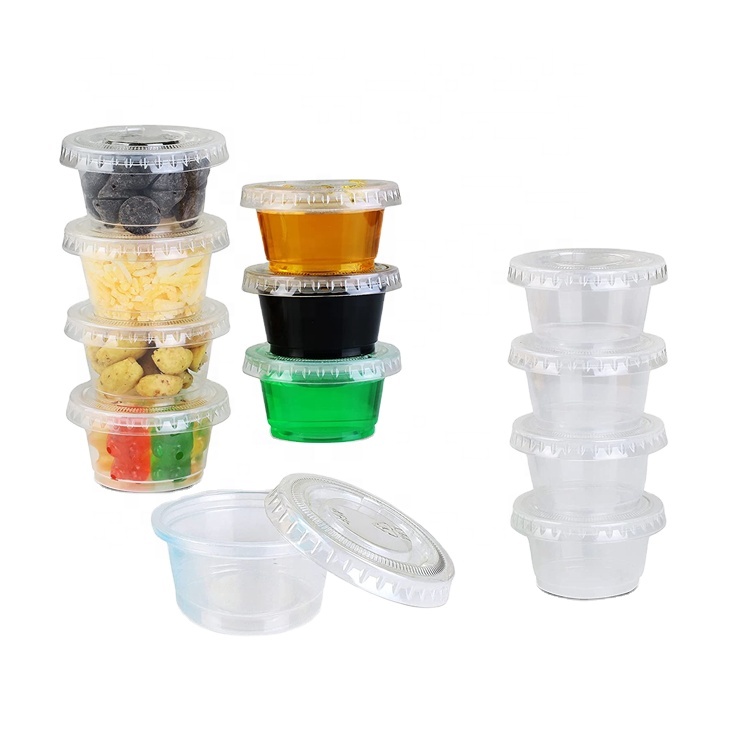
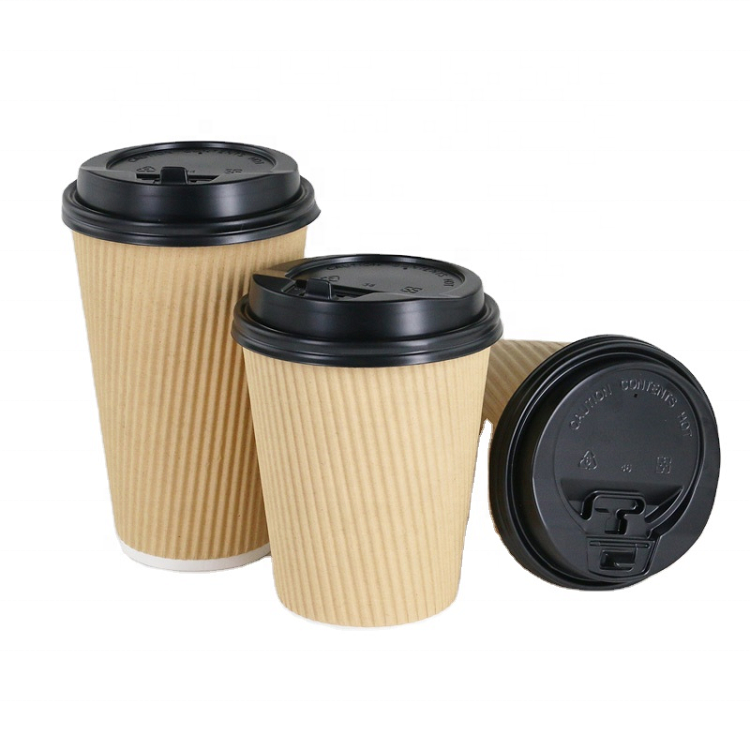
Rising ocean freight costs demand smart space utilization. Procurement strategies now prioritize mixed-SKU container loading—combining high-volume bento boxes with nested portion cups, cutlery kits, and drinkware within single 40HQ shipments to minimize cubic meter freight spend per unit.
5. Digital Traceability & Factory Audit Transparency
Enterprise buyers require verified supplier histories, ESG performance tracking, and digital audit documentation. Suppliers offering verified third-party assessment profiles, ISO 22000 credentials, and real-time QA video updates gain a decisive competitive edge.
6. High-Impact Custom Branding & IML Deco
Generic packaging is increasingly replaced by In-Mold Labeling (IML) and customized embossing. Custom-branded bento boxes function as mobile billboard assets for delivery chains, increasing customer brand retention across off-premise dining touchpoints.
Manufacturing Innovations: Thin-Wall Molding & Precision Engineering
How advanced extrusion and injection tooling reduce material consumption without sacrificing stack strength.
The manufacturing process for disposable bento packaging has evolved from traditional thermoforming into high-speed, multi-cavity injection molding equipped with robotic arm extraction systems. Key technical advancements include:
A. Thin-Wall Injection Molding (TWIM)
Modern TWIM technology allows manufacturers to produce bento bases with wall thicknesses down to 0.45 mm—representing a 25% material reduction compared to conventional molds. High injection pressure (exceeding 300 MPa) combined with rapid mold-cooling circuits ensures even polymer distribution, preventing stress concentration and wall warping.
B. Multi-Compartment Ergonomics & Leak Isolation
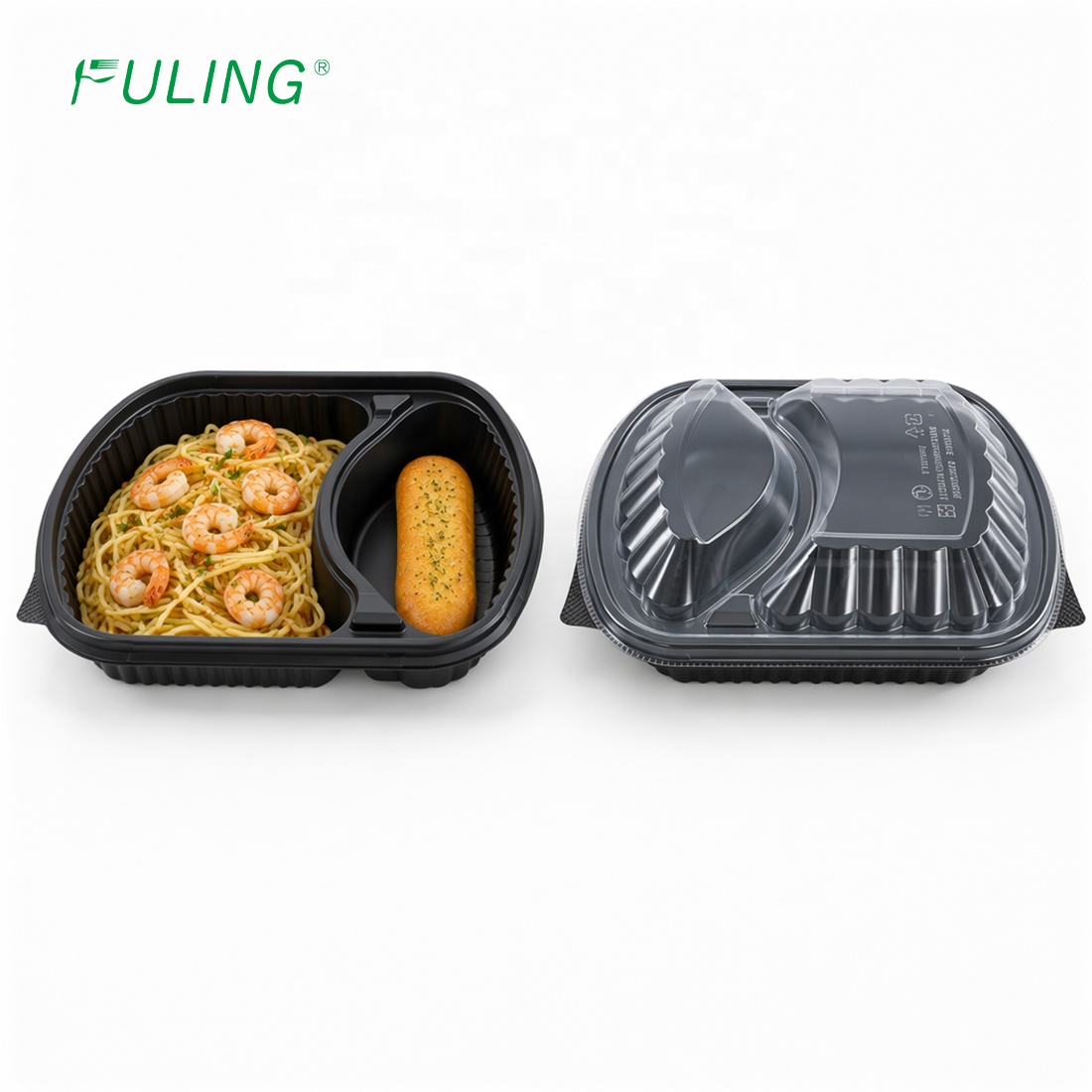
One of the primary challenges in bento packaging is preventing liquid migration between separate food compartments (e.g., sauce mixing into dry rice). Precision mold design implements raised compartment dividers that seal directly against inner lid contours. When coupled with perimeter snap-locks, the container achieves absolute seal integrity for delivery environments.
C. Anti-Fog Additive Integration
Hot food delivery frequently leads to steam condensation on clear lids, obscuring food visibility. Modern clear PP and PET lid formulations incorporate food-grade anti-fog additives directly into the resin masterbatch, lowering surface tension and allowing moisture to form a transparent micro-film rather than visible droplets.
Enterprise Capabilities: Why Global Importers Partner with Us
Factory-direct manufacturing, end-to-end OEM program management, and audited supply chain security.
Integrated Production Floor
Equipped with dedicated injection molding lines, high-speed thermoforming units, and automated packaging cells—ensuring high daily output across drinkware, bento containers, deli tubs, and cutlery sets.
Comprehensive Quality Audits
Full compliance with FDA 21 CFR, EU Regulation 10/2011, and LFGB standards. Rigorous lot-by-lot inspection guarantees dimensional accuracy, snap-fit precision, and zero material defects.
Consolidated Mixed-SKU Shipping
Optimize your logistics costs. Combine bento containers, hinged MFPP boxes, portion cups, and cutlery kits into consolidated 20GP or 40HQ container shipments, lowering landed costs per item.
Full OEM / ODM Customization
From custom mold development and custom compartment layouts to outer carton branding and barcode labeling, our engineering team translates your specifications into commercial products.
Frequently Asked Questions (FAQ) for B2B Importers
Technical, compliance, and commercial guidance for purchasing officers and logistics leads.
Accelerate Your Food Packaging Supply Chain
Partner with an established CE-certified manufacturer. Get factory direct pricing, verified food contact test reports, and customized OEM solutions.
Send an Inquiry