Featured Commercial Product Lineup
Direct Factory Supply: Certified Eco-Friendly Bagasse & Foodservice Packaging Solutions
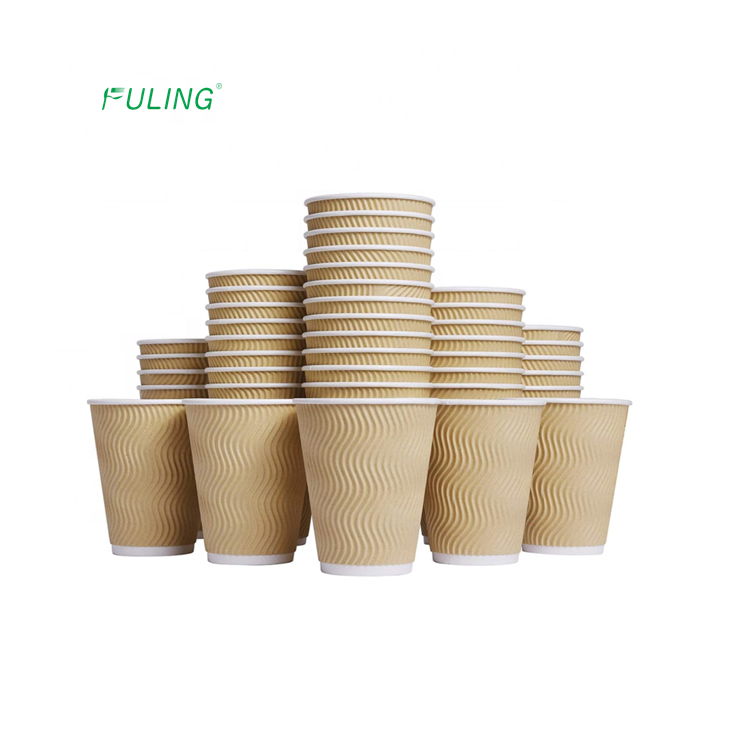
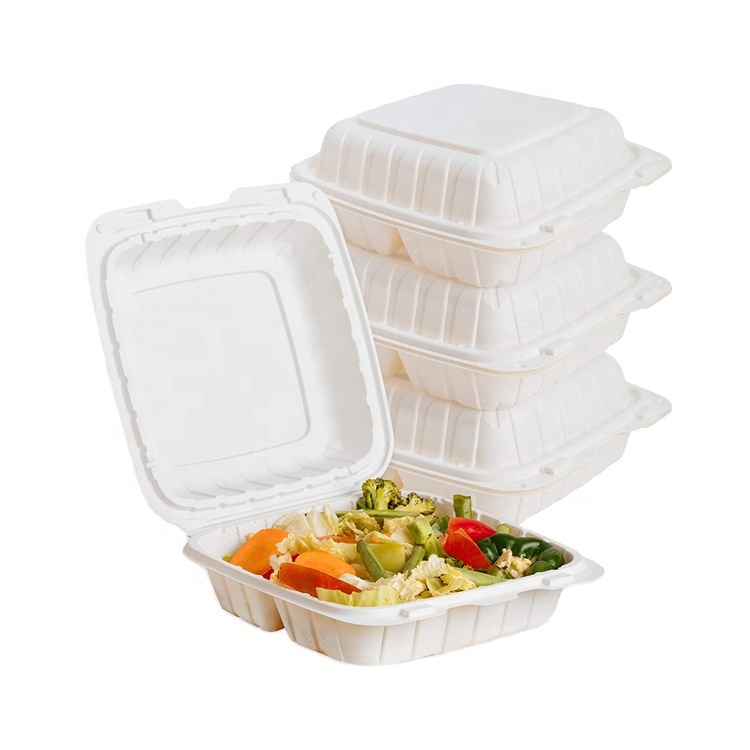
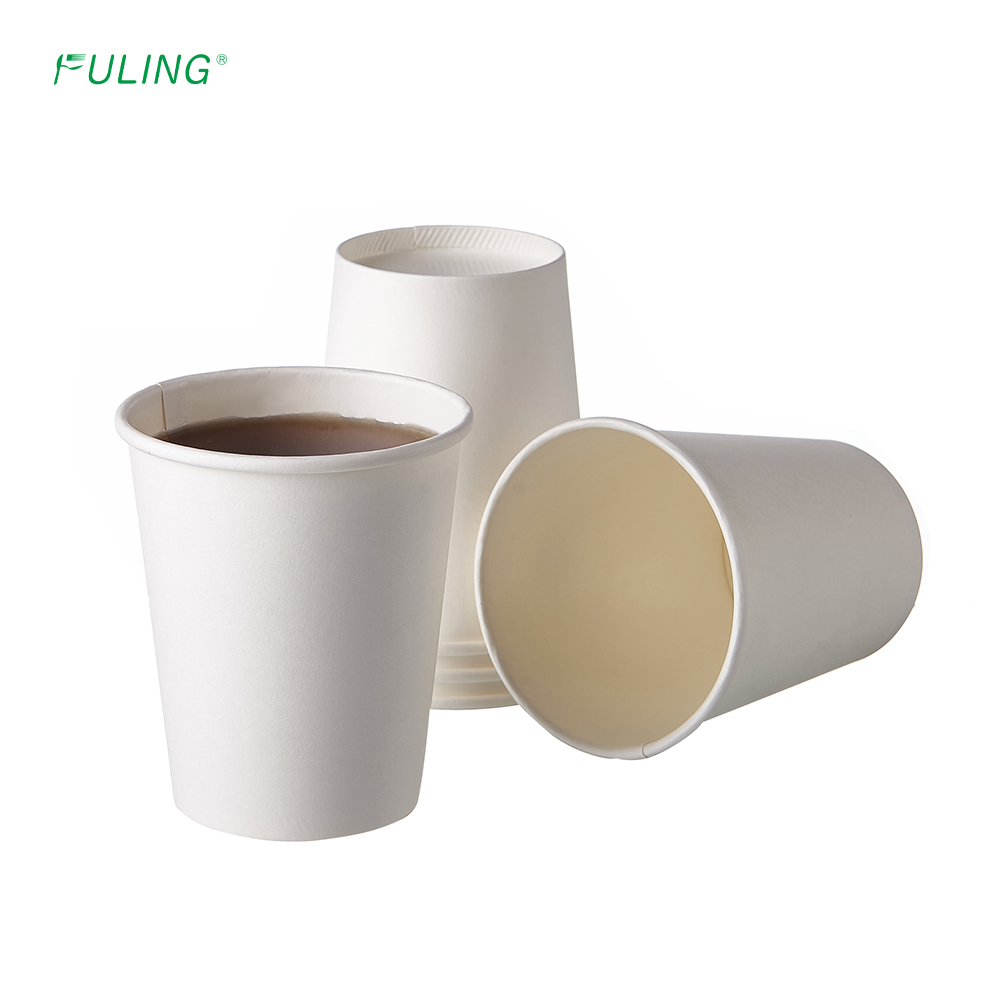


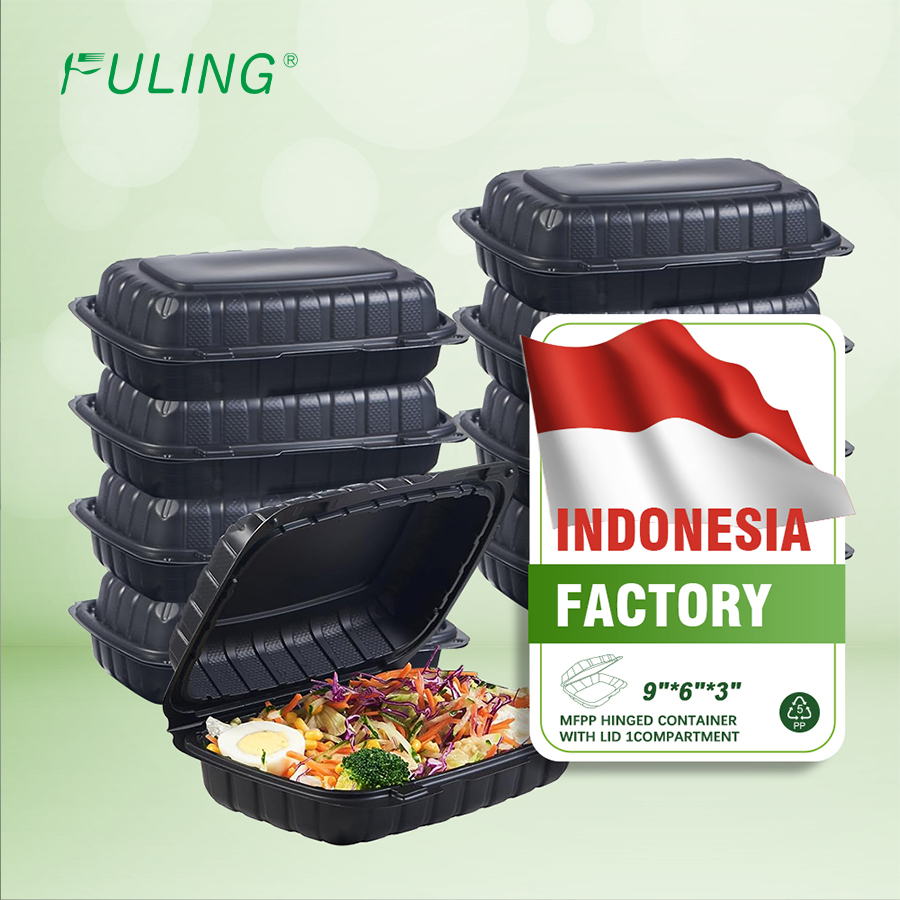
The Global Shift to CE Certified Sugarcane Bagasse Packaging
The commercial foodservice industry is undergoing a structural transition driven by stringent global legislative mandates, evolving environmental ESG policies, and shifts in consumer purchasing intent. Central to this transformation is sugarcane bagasse—the fibrous byproduct remaining after sugarcane juice extraction. When processed under high-pressure thermoforming, bagasse yields robust, bio-based containers that exhibit structural mechanical performance equal or superior to traditional Expanded Polystyrene (EPS) and conventional Polypropylene (PP) packaging.
For international procurement directors, corporate buyers, and foodservice distributors, sourcing from verified CE Certified Sugarcane Food Containers Manufacturers & Factories is essential for entering regulatory-dense markets such as the European Union and North America. CE marking, combined with compliance under EU Regulation (EC) No 1935/2004 and Regulation (EU) No 10/2011, confirms that bio-based packaging meets rigorous safety requirements for food contact materials (FCM), ensuring zero toxicological transfer, heavy metal absence, and structural safety during thermal exposure.
Why Bagasse Fiber Outperforms Traditional Bio-Polymers
Unlike PLA (Polylactic Acid) which requires specialized industrial composting infrastructure and softens at temperatures above 45°C, high-density sugarcane bagasse fiber retains structural integrity across an exceptional thermal spectrum: from deep freezing (-20°C) to high-heat microwave reheating and hot oil filling (up to 120°C). The interlocking matrix of natural cellulose fibers creates high tensile and compressive strength, preventing container sagging or lid detachment during transit.
Loms Food Packaging: Institutional Factory Capabilities
Operating as a factory-direct manufacturer and global exporter, Loms Food Packaging Co., Ltd. integrates full-cycle production lines spanning sugarcane bagasse thermoforming, plastic cup injection molding, paper cup converting, and automated cutlery assembly. Our manufacturing footprint is engineered to resolve supply-chain bottlenecks for high-volume B2B importers.
Certified Food-Contact Safety
Manufactured using 100% virgin food-grade pulps and resins. Fully compliant with US FDA 21 CFR and EU 10/2011 migration safety standards.
PFAS-Free Formulation
Pioneering fluorine-free water and oil resistant coatings meeting European REACH regulations and US state-level PFAS restriction mandates.
Precision Lid-Lock Technology
Proprietary mold design delivers audible click-fit sealing on clamshells and bowls, eliminating delivery spills for food platforms.
OEM Custom Tooling & Branding
In-house mold building capabilities for custom embossed logos, unique dimensional callouts, and tailored inner-pack retail barcoding.
Consolidated Container Freight
Mix sugarcane bagasse plates, MFPP clamshells, PET beverage cups, and wrapped cutlery kits into single 20GP or 40HQ shipments.
100% Quality Assurance Protocol
Automated visual sorting machines and manual AQL sampling verify wall uniformity, rim smoothness, and weight consistency per batch.
Foodservice Packaging Material Matrix
To assist procurement managers in selecting optimal material specifications for takeaway, meal prep, and retail operations, the following data table compares Sugarcane Bagasse against alternative substrates.
| Material Type | Thermal Range | Microwave Safe | Oil/Grease Resistance | Biodegradability / End of Life | CE & Food Contact Status |
|---|---|---|---|---|---|
| Sugarcane Bagasse | -20°C to +120°C | Yes (High) | Excellent (PFAS-Free) | 100% Home & Commercial Compostable | Fully Certified (EC 1935/2004) |
| MFPP (Mineral Filled PP) | -10°C to +110°C | Yes | Excellent | Recyclable (#5 PP Resin) | Fully Certified |
| Standard PP Plastic | -10°C to +100°C | Yes | Excellent | Recyclable (#5 PP Resin) | Fully Certified |
| Clear PET Plastic | -40°C to +60°C | No | Good (Cold Foods) | Highly Recyclable (#1 PET Resin) | Fully Certified |
| EPS Foam (Phased Out) | -10°C to +80°C | No | Moderate | Non-Biodegradable / Banned in EU/US | Restricted / Banned |
Future Sourcing Trends in Sugarcane & Eco-Tableware (2025–2030)
As global environmental policies tighten, procurement leaders must anticipate upcoming regulatory shifts and technical innovations to safeguard supply chains against market disruptions.
1. Total Transition to Fluorine-Free (PFAS-Free) Chemistry
Historically, molded fiber packaging relied on per- and polyfluoroalkyl substances (PFAS) to achieve grease and oil resistance. However, regulatory bans across the European Union (under REACH Annex XVII revisions) and numerous US states have rendered PFAS unacceptable. Direct sugarcane container factories are now adopting bio-wax emulsions, plant-derived proteins, and fluorine-free silicone-based barrier coatings. Enterprise buyers must mandate certified PFAS-Free laboratory testing on all imported bagasse inventory.
2. Lightweighting via Deep-Drawing Thermoforming Precision
Innovations in automated mold tooling allow modern bagasse factories to achieve higher structural rigidity with lower gram-weights. By optimizing pulp density at stress points (corner radius and rim sealing flanges), next-generation sugarcane clamshells reduce raw material usage while increasing stackability performance during freight transport.
3. Universal Hybrid Packaging Systems (Bagasse Base + Clear Recyclable Lid)
While all-bagasse clamshells remain popular for eco-first dining, retail grab-and-go outlets demand clear food visibility. The market is shifting rapidly toward hybrid container architecture: heavy-duty sugarcane fiber bases combined with anti-fog Recycled PET (rPET) or PP lids. This hybrid setup balances zero-carbon base sourcing with high visual impulse sales appeal.
4. Freight Cost Reduction via High-Density Nesting Design
Shipping efficiency remains a critical component of landed unit costs. Advanced tooling designs incorporate targeted draft angles and anti-jam nesting ribs. This engineering allows factory technicians to fit up to 30% more units per master shipping carton, maximizing container load factors (40ft High Cube) and reducing ocean freight overhead per unit.
Frequently Asked Questions by Global Importers
Partner with a Certified Primary Manufacturer
Request factory-direct wholesale quotes, request technical compliance dossiers, or order fit-and-function sample kits for your market today.