Factory Direct Bagasse & Foodservice Packaging Showcase
Engineered for global importers, distributors, and QSR chains. Explore our top-tier eco-friendly molded fiber containers, heavy-duty cutlery, and portion control solutions.




Why Partner With China’s Premier Bagasse & Packaging Factory
Delivering high-performance sugarcane tableware and hybrid food packaging with certified food-contact compliance, fast turnaround times, and structural integrity.
Sugarcane Bagasse Upcycling
Derived from 100% natural sugarcane agricultural waste (*Saccharum officinarum*). Our bagasse pulp products are fully compostable, biodegrading naturally within 90-180 days under industrial composting conditions without leaving toxic chemical residues.
PFAS-Free Barrier Technology
Our advanced molded fiber production lines utilize zero-added fluorochemicals, providing oil-resistant (up to 120°C hot oil) and water-resistant (up to 100°C hot water) barrier protection compliant with strict European and U.S. state regulations.
Global Quality & Audit Compliance
Fully certified factory infrastructure meeting FDA 21 CFR, EU Regulation 10/2011, LFGB, ISO 9001, ISO 14001, and BRCGS Packaging standards. Verified documentation ensures seamless, low-risk customs clearance worldwide.
Industry White Paper: Sugarcane Bagasse & Sustainable Foodservice Sourcing Guide
As global regulations accelerate the phase-out of traditional single-use expanded polystyrene (EPS) foam and non-recyclable plastics, Sugarcane Bagasse Food Packaging has emerged as the premier sustainable alternative for commercial foodservice operators, retail chains, and international distributors. Sourced directly from China's agricultural industrial clusters, modern molded bagasse fiber products offer structural rigidity, thermal stability, and carbon-neutral lifecycle benefits unmatched by conventional wood-pulp paper or petroleum-based polymers.
This technical guide details the raw material science, manufacturing methodologies, regulatory shifts (including non-PFAS mandates), and strategic procurement insights required by global B2B buyers seeking factory-direct China manufacturing partnerships.
1. Material Chemistry & Production Technology of Molded Sugarcane Pulp
Bagasse is the fibrous residue remaining after sugarcane stalks are crushed to extract juice. Historically treated as agricultural waste or burned for low-efficiency biofuel, sugarcane fiber possesses exceptional cellulose (45–55%) and hemicellulose (20–25%) content with long, resilient fiber strands. This structural makeup makes bagasse ideal for high-density pulp molding.
The manufacturing process at our state-of-the-art facility follows six critical precision steps:
- Hydrapulping & Fiber Refining: Raw sugarcane bagasse sheets are reconstituted with recycled process water and mechanically refined to optimize fiber length distribution, removing impurities and ensuring uniform pulp slurry density.
- Precision Vacuum Forming: The refined slurry is drawn onto customized stainless-steel mesh molds via high-vacuum suction, forming a wet fibrous mat with precise wall-thickness control.
- High-Temperature Thermo-Pressing: The wet pre-form is transferred to heated compression molds operating at 180°C to 220°C with hydraulic pressure up to 30 tons. This process evaporates residual moisture while activating natural inter-fiber hydrogen bonding.
- Automated Laser Trimming & Punching: Robotic arms guide flash-trimming units to eliminate edge burrs and create smooth, accurate rim dimensions essential for automated denesting and lid-fitting.
- 100% Inline Optical Defect Inspection: High-resolution camera systems inspect 100% of manufactured items for rim deformation, pinholes, dark spots, or wall thinness before packaging.
- Sterilization & Cleanroom Packing: Finished tableware passes through high-intensity UV-C sterilization tunnels before being shrink-wrapped in cleanroom environments to maintain food-grade hygiene standards.
2. Bagasse vs. Alternative Materials: B2B Technical Comparison Matrix
Foodservice distributors must balance environmental goals with functional packaging performance. Below is a engineering comparison evaluating structural, thermal, and regulatory performance across common commercial materials:
| Material Type | Heat Tolerance (°C) | Microwave & Freezer Safe | Oil & Water Resistance | Commercial Compostability | PFAS-Free Options |
|---|---|---|---|---|---|
| Sugarcane Bagasse Fiber | -20°C to +120°C | Yes (High Performance) | Excellent (Aqueous/Bio-Coated) | 100% (EN 13432 / ASTM D6400) | Fully Certified |
| MFPP (Mineral-Filled PP) | -10°C to +110°C | Yes (Microwavable) | Outstanding (Inherent Barrier) | No (Recyclable #5) | Natively PFAS-Free |
| PET (Polyethylene Terephthalate) | -40°C to +60°C | No (Cold Use Only) | Outstanding | No (Recyclable #1) | Natively PFAS-Free |
| Traditional PE-Lined Paperboard | 0°C to +90°C | Moderate (Short Heat) | Moderate (Edge Wick Risk) | No (Requires Film Separation) | Varies by Supplier |
| EPS Foam (Phased Out) | 0°C to +80°C | No (Melting/Leaching Risk) | Good | Non-Biodegradable | N/A |
3. Navigating Global PFAS-Free Mandates: E-E-A-T Compliance Insight
Per- and polyfluoroalkyl substances (PFAS) were historically added to molded fiber packaging to provide grease-proofing capabilities. However, stringent global legislation—including U.S. state regulations (such as California AB 1200, New York, and Washington State) and European REACH updates—bans intentionally added PFAS in food-contact materials.
As a leading China manufacturer, our facility has re-engineered core pulp formulations to deploy Next-Generation Fluorine-Free Barrier Solutions. By incorporating natural bio-polymers (such as modified starch complexes and eco-friendly aqueous coatings), our non-PFAS bagasse clamshells, plates, and bowls deliver robust resistance against hot grease and boiling liquids without sacrificing 100% compostability credentials. Third-party lab reports confirming Total Fluorine content below 100 ppm are provided with every export container.
4. Future B2B Sourcing & Industry Procurement Trends (2025–2030)
Global procurement teams must adapt to key macro trends shaping the disposable food container supply chain over the next decade:
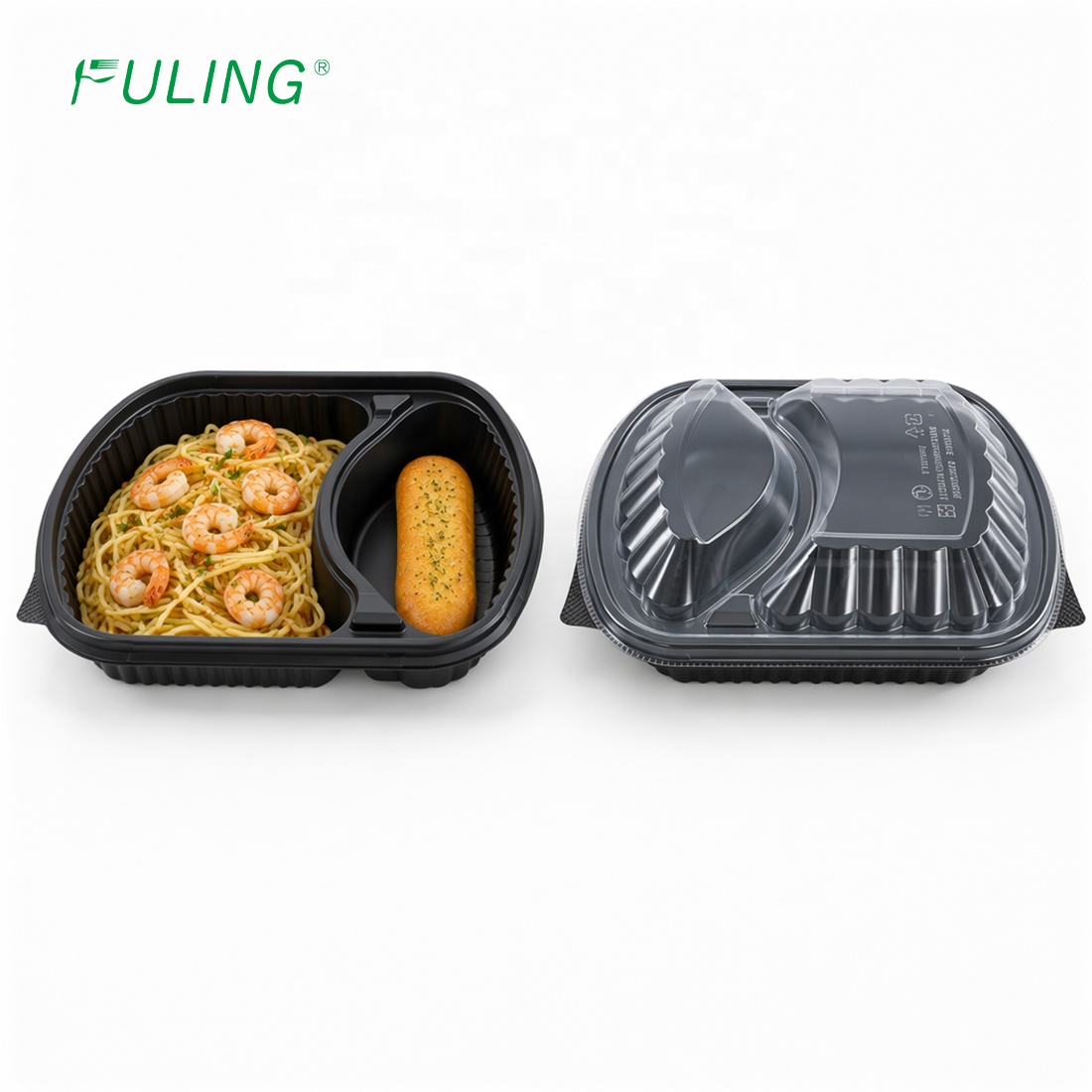
- Hybrid Material Product Bundling: Importers are increasingly specifying mixed-material container shipments. For example, pairing rigid natural bagasse bowls with high-clarity anti-fog PET or PP lids ensures spill-proof takeaway performance while maintaining eco-conscious branding.
- Weight & Density Optimization (Grammage Engineering): Advanced tooling technology allows factories to manufacture lightened fiber structures with ribbed geometry. This maintains flexural strength while reducing material mass by 10-15%, lowering freight fees and container carbon footprints.
- Custom Embossing & Private Label Branding: High-precision CNC mold engraving enables restaurant chains to mold logos directly into the bottom or lid of bagasse clamshells, replacing printed labels and streamlining supply chains.
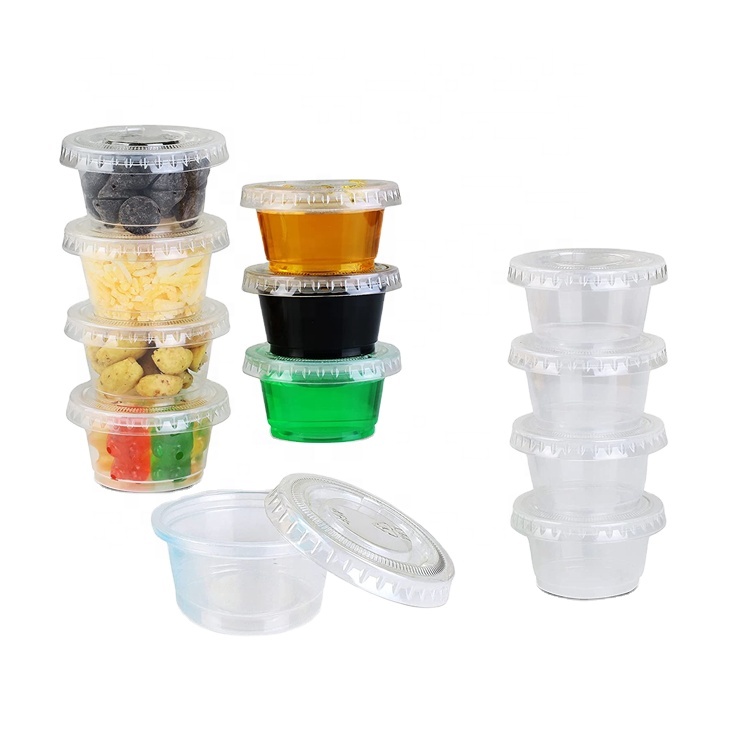
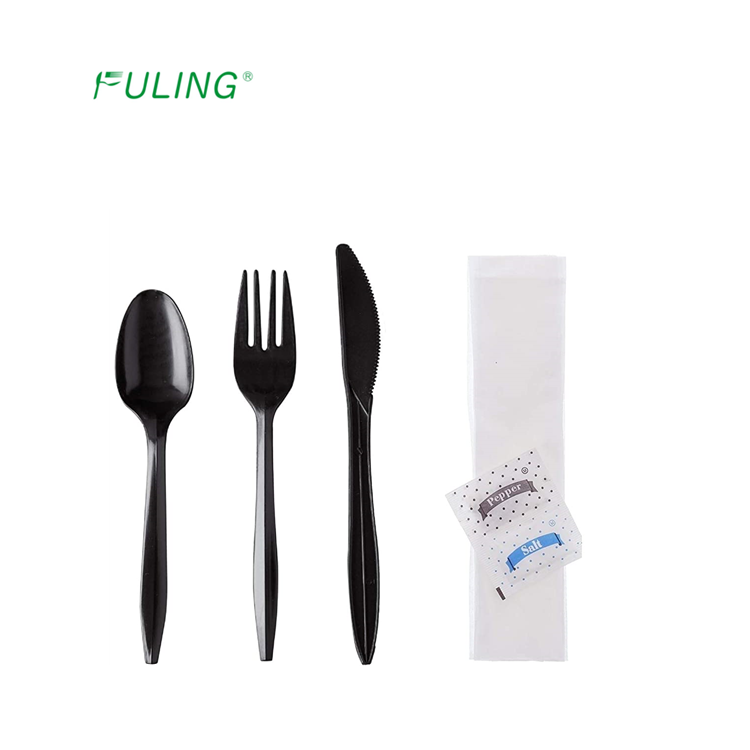
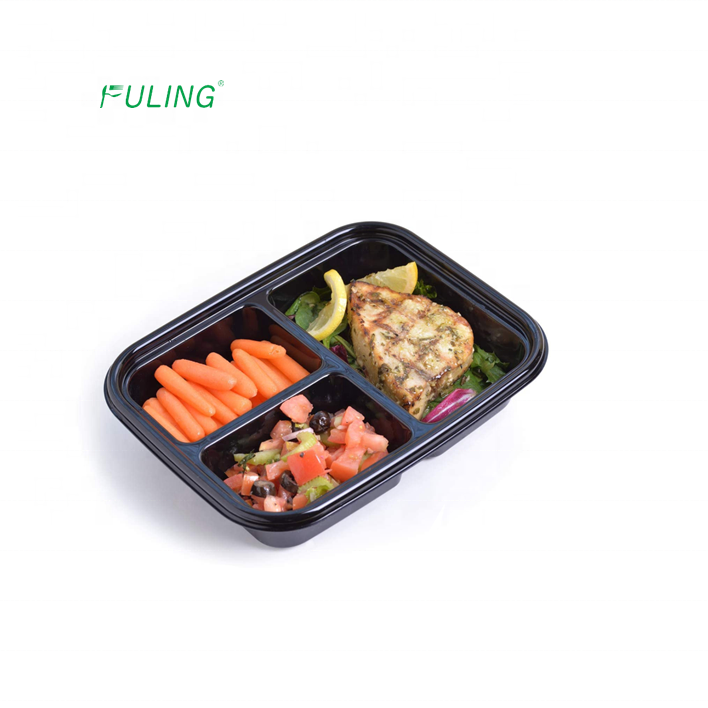
- Consolidated Multi-SKU Ocean Logistics: To mitigate inventory risk and optimizes warehouse storage, global buyers are favoring Chinese factories capable of consolidating bagasse tableware, PP meal prep boxes, deli soup cups, and wrapped cutlery sets inside single 40HQ container shipments.
5. China Advantage: Factory OEM/ODM Infrastructure & Supply Chain Resilience
Partnering directly with a premier Chinese manufacturer yields significant competitive advantages over traditional trading intermediaries:
- Integrated Mold Design & Rapid Prototyping: In-house CNC toolmaking departments can transition from CAD drawings to 3D sample prototypes in 5 to 7 days, significantly shortening time-to-market for custom chain specs.
- Scalable Production Capacity: Operating multi-line automated thermoforming and molded fiber machine clusters guarantees monthly output exceeding 500+ standard shipping containers, protecting buyers against seasonal stock shortages.
- End-to-End Quality Management (AQL Standard): Strict incoming raw pulp testing, in-process moisture control, and final AQL 1.5 sampling assure batch-to-batch consistency and flawless automated lid-snapping performance.
Frequently Asked Sourcing & Technical Questions
Essential guidance for procurement directors, product managers, and wholesale importers evaluating bagasse tableware and takeout packaging solutions.
What is the minimum order quantity (MOQ) for custom-molded bagasse products?
For standard stock bagasse shapes (8-inch plates, 9x9 hinged clamshells, 12oz-32oz bowls), our typical MOQ starts at 50,000 pieces per SKU. For custom tooling projects featuring private embossing or unique dimensions, initial MOQs generally start at 100,000 pieces to offset tooling setup parameters.
How do bagasse sugarcane containers hold up against hot oil and liquids?
Our sugarcane bagasse products are engineered to withstand hot oil up to 120°C (248°F) and hot water up to 100°C (212°F). They are fully microwavable and freezer-safe. For high-grease or long-duration liquid storage, we offer specialized aqueous bio-coating treatments to eliminate moisture sweating.
Are your sugarcane products compliant with U.S. and European food contact standards?
Yes. All products undergo rigorous testing against U.S. FDA 21 CFR 176.170, EU Regulation 10/2011, German LFGB, and heavy metal requirements. Comprehensive testing documentation and material safety data sheets (MSDS) are provided prior to order confirmation.
Can we mix bagasse containers with plastic meal prep boxes and cutlery in one order?
Absolutely. We specialize in consolidated mixed-container logistics. Distributors routinely combine sugarcane bagasse plates, MFPP hinged clamshells, clear PET beverage cups, and wrapped PP cutlery sets within a single 20GP or 40HQ container to maximize ocean freight efficiency.
What is the standard lead time for mass production and international ocean freight shipping?
Standard production cycles for plain or stock items range from 20 to 30 days following deposit confirmation. Custom-printed or newly molded items take 30 to 40 days. Estimated transit times vary by port: U.S. West Coast (14-18 days), U.S. East Coast (25-32 days), European main ports (28-35 days).
Transform Your Eco-Packaging Supply Chain Today
Request factory-direct pricing, custom mold development, or zero-PFAS sample kits. Our expert packaging engineering team responds within 24 hours.
Contact Us