High-Performance Disposable Food Containers & Tableware
Engineered for takeout platforms, commercial catering, meal prep brands, and wholesale food packaging importers worldwide.
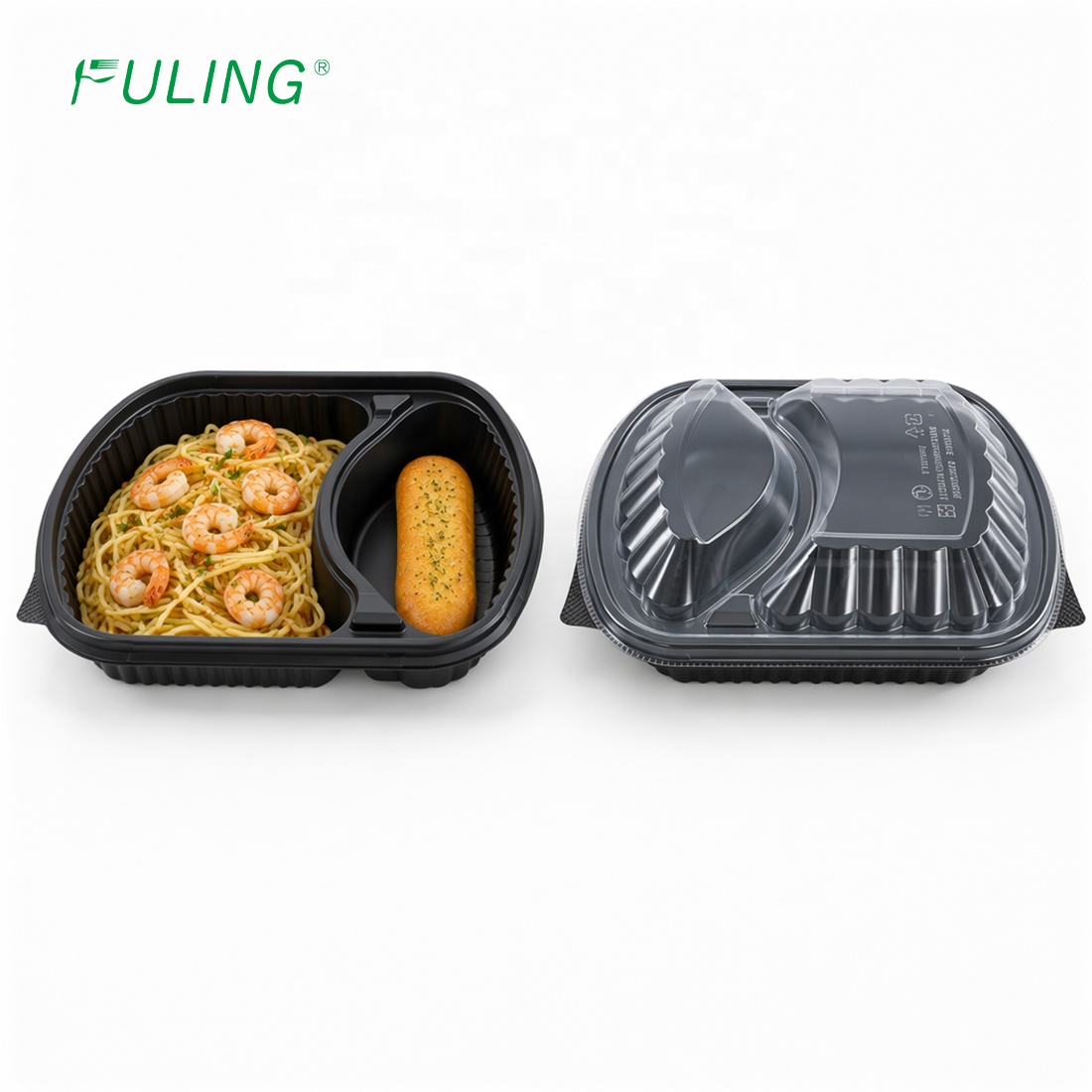

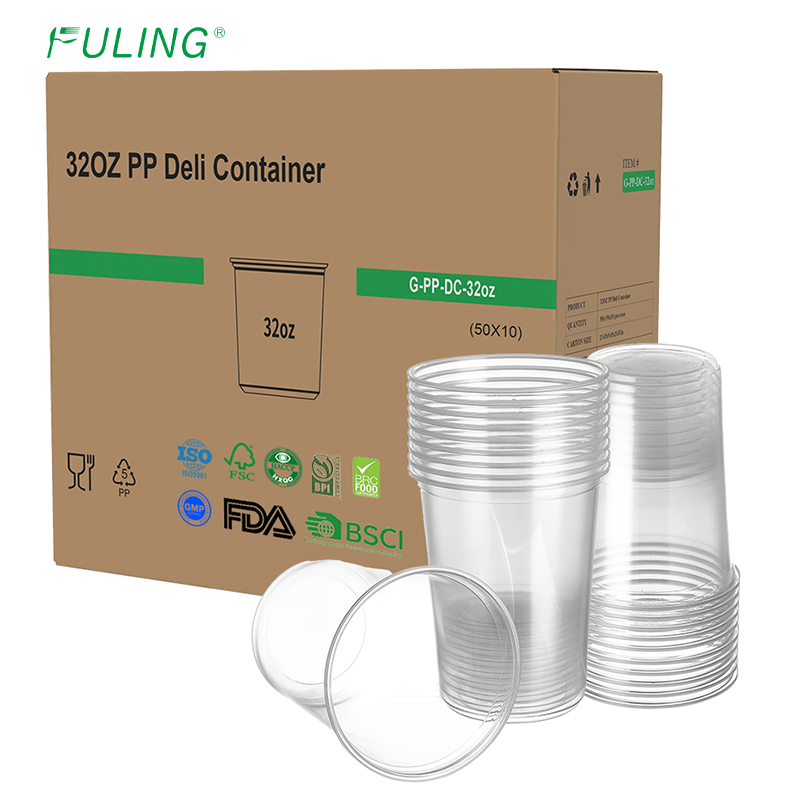

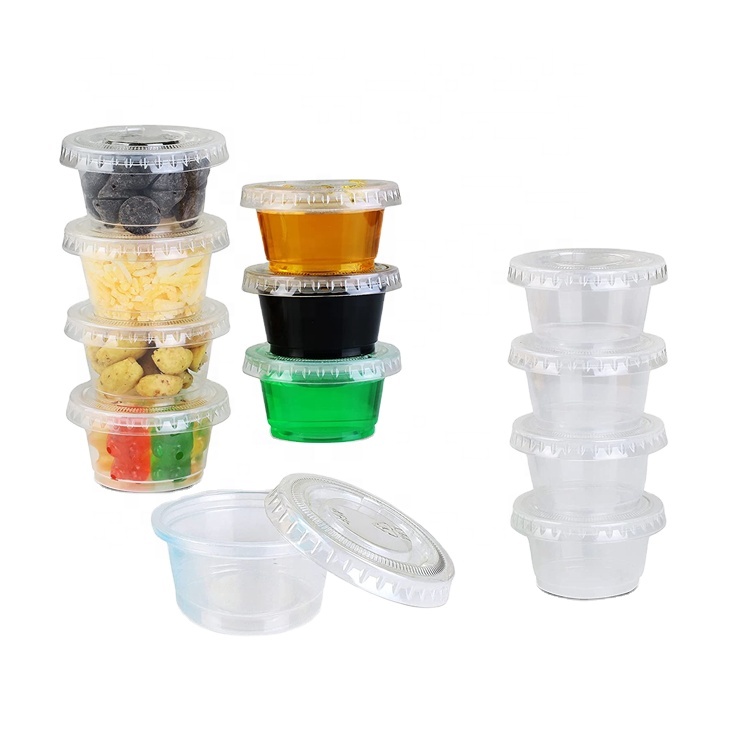
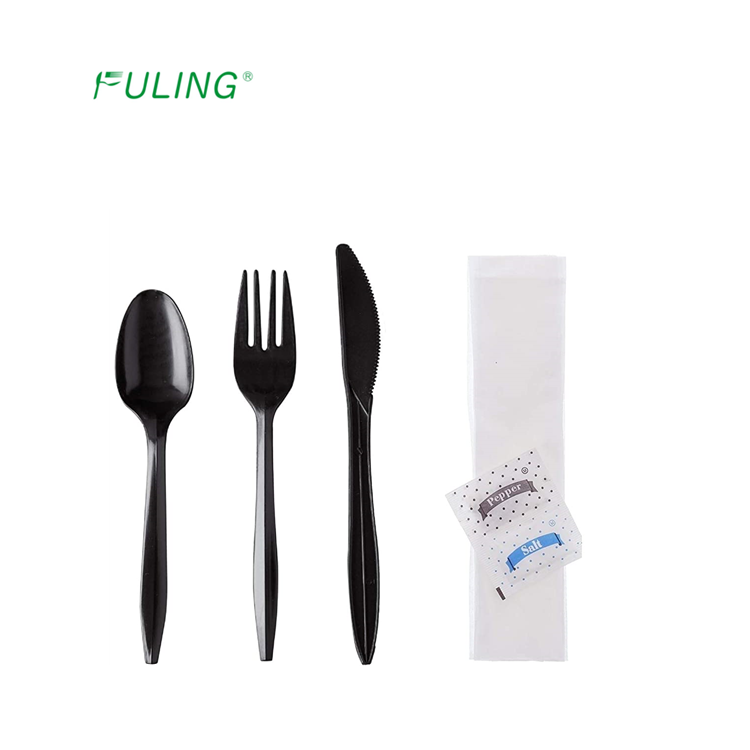
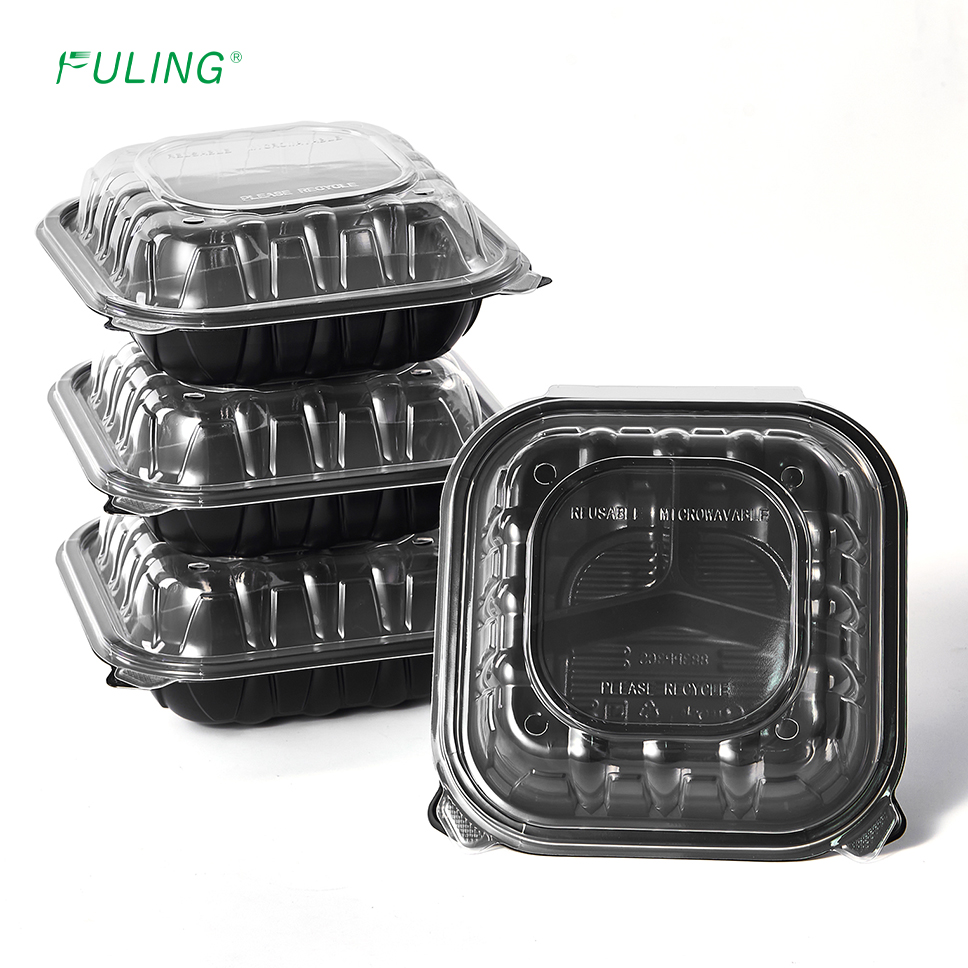

China Plastic Lunch Box Manufacturing Ecosystem (2025–2030)
An in-depth analysis of supply chain efficiency, resin processing advancements, raw material cost structure, and export logistics for B2B importers.
Industrial Aggregation
China accounts for over 45% of global rigid plastic container production capacity. Clusters in Zhejiang (Taizhou/Ningbo), Guangdong, and Jiangsu provide integrated tooling, resin refinement, automated thermoforming, and export logistics within a 50km radius.
High-Speed Automation
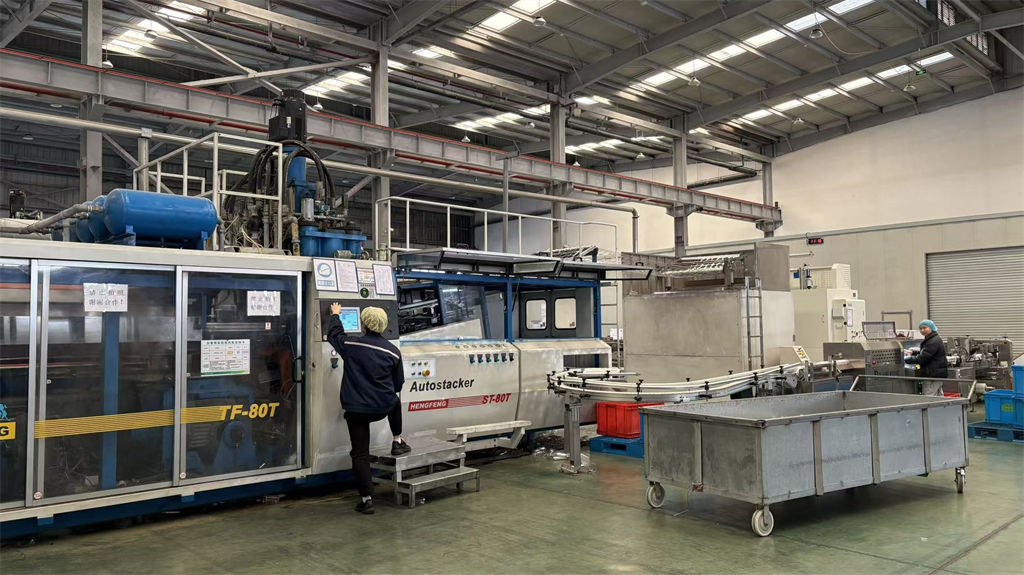
Modern Chinese factories utilize multi-cavity injection molds (up to 32 cavities) combined with high-speed robotics and automated visual inspection systems, reducing cycle times to under 3.8 seconds per tray with zero manual contamination.
Cost Structural Transparency
In high-volume B2B manufacturing, resin costs represent approximately 58-65% of total product cost. Direct access to petrochemical hubs allows Chinese manufacturers to optimize Melt Flow Index (MFR) blends for minimum weight with maximum structural rigidity.
Key Takeaway for B2B Buyers & Distributors
Sourcing directly from tier-1 Chinese plastic lunch box manufacturers eliminates multi-tier distributor markups (25-40%), provides full control over structural customization (OEM private labeling), and guarantees compliance documentation for strict market entry customs clearance (US FDA, EU 10/2011, LFGB).
Foodservice Container Material Matrix: PP, MFPP, PET & PLA
Selecting the correct resin formulation is vital for microwave safety, thermal stability, drop impact strength, and eco-tax compliance.
| Polymer Type | Thermal Operating Range | Microwave / Freezer Safe | Structural Rigidity & Clarity | Environmental / Recycling Code | Primary Commercial Target Use |
|---|---|---|---|---|---|
| Virgin Polypropylene (PP) | -20°C to +120°C | Microwave & Freezer Safe | Semi-translucent, highly flexible, high impact resistance | SPI Resin #5 (100% Recyclable) | Hot soup bowls, meal prep boxes, takeaway bento containers |
| MFPP (Mineral-Filled PP) | -10°C to +125°C | Microwave Safe, High Heat | Opaque, foam-like rigidity, 40% natural calcium carbonate filler | SPI Resin #5 (Reduced Plastic Footprint) | Replacement for banned EPS foam clamshells, heavy dinner plates |
| Polyethylene Terephthalate (PET) | -40°C to +65°C | Cold Storage Only (Not Microwavable) | Glass-like optical clarity, rigid, crack-resistant | SPI Resin #1 (Globally Recyclable) | Clear lids for meal prep, salad bowls, deli fruit tubs, cold drink cups |
| PLA (Polylactic Acid / Bio-Plastic) | -20°C to +45°C | Cold Drinks Only | High transparency, brittle under high shear stress | BPI Certified Industrial Compostable | Zero-petroleum eco food packaging, green-certified events |
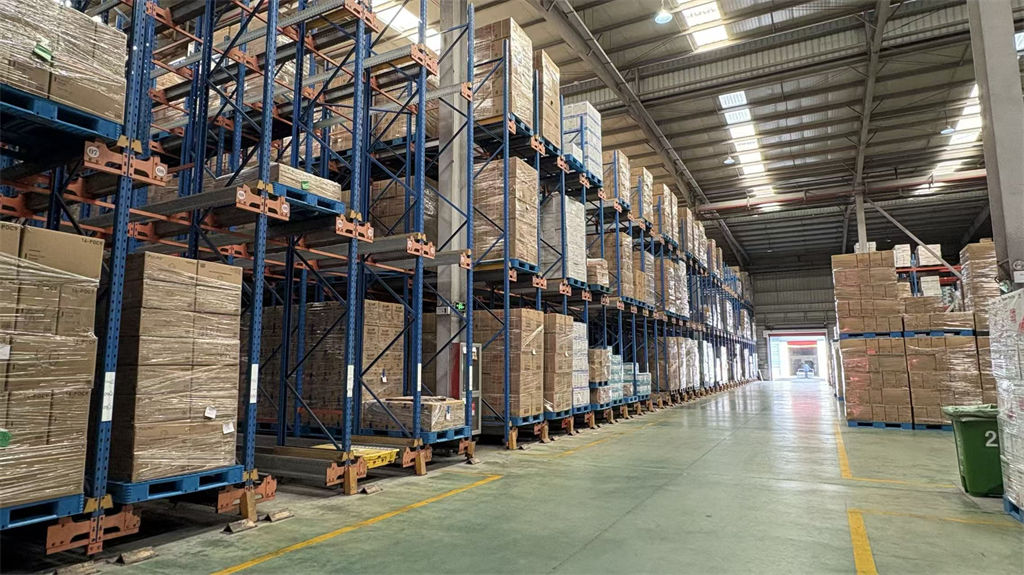
Advanced Workshop Infrastructure & Production Capability
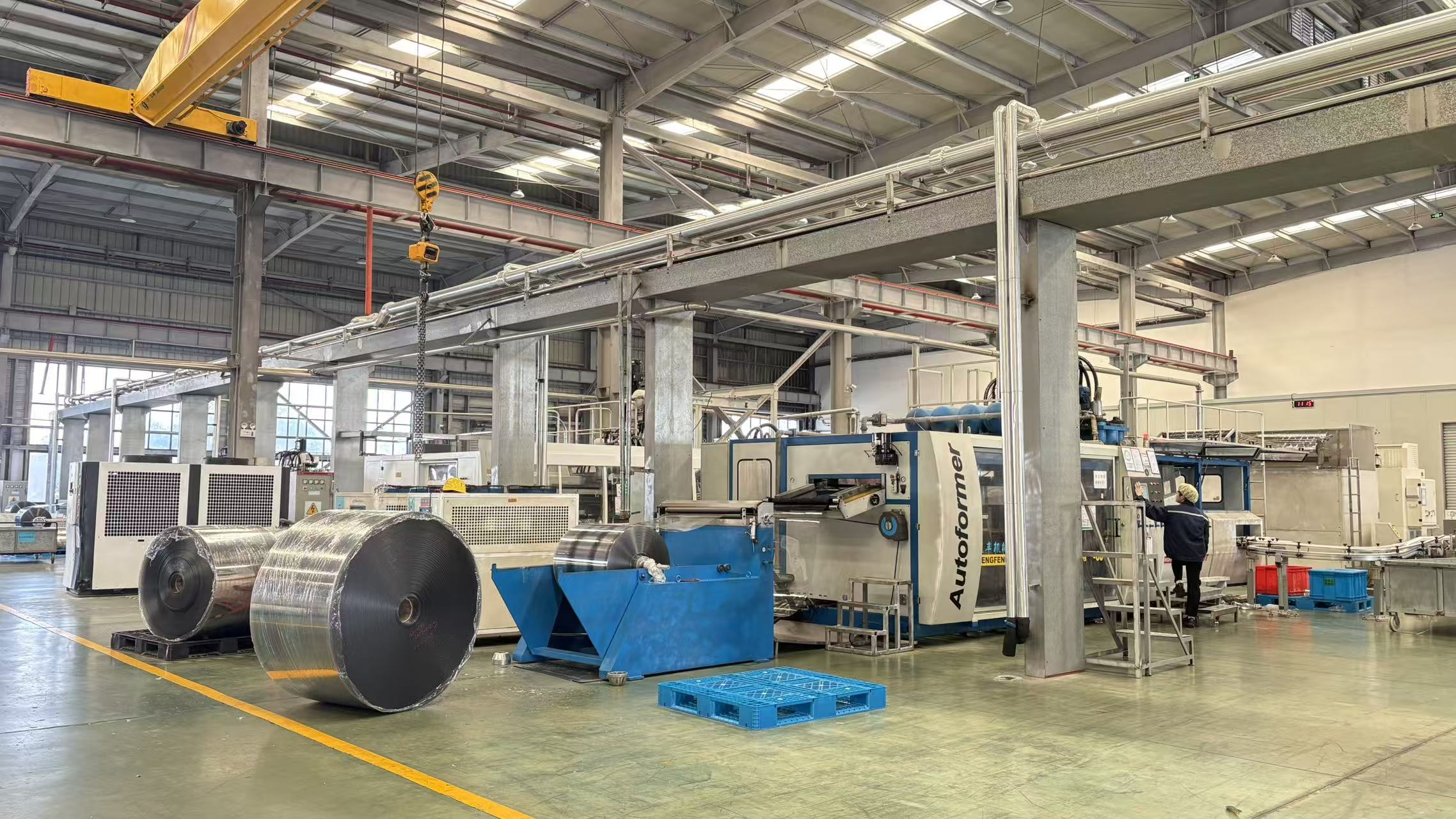
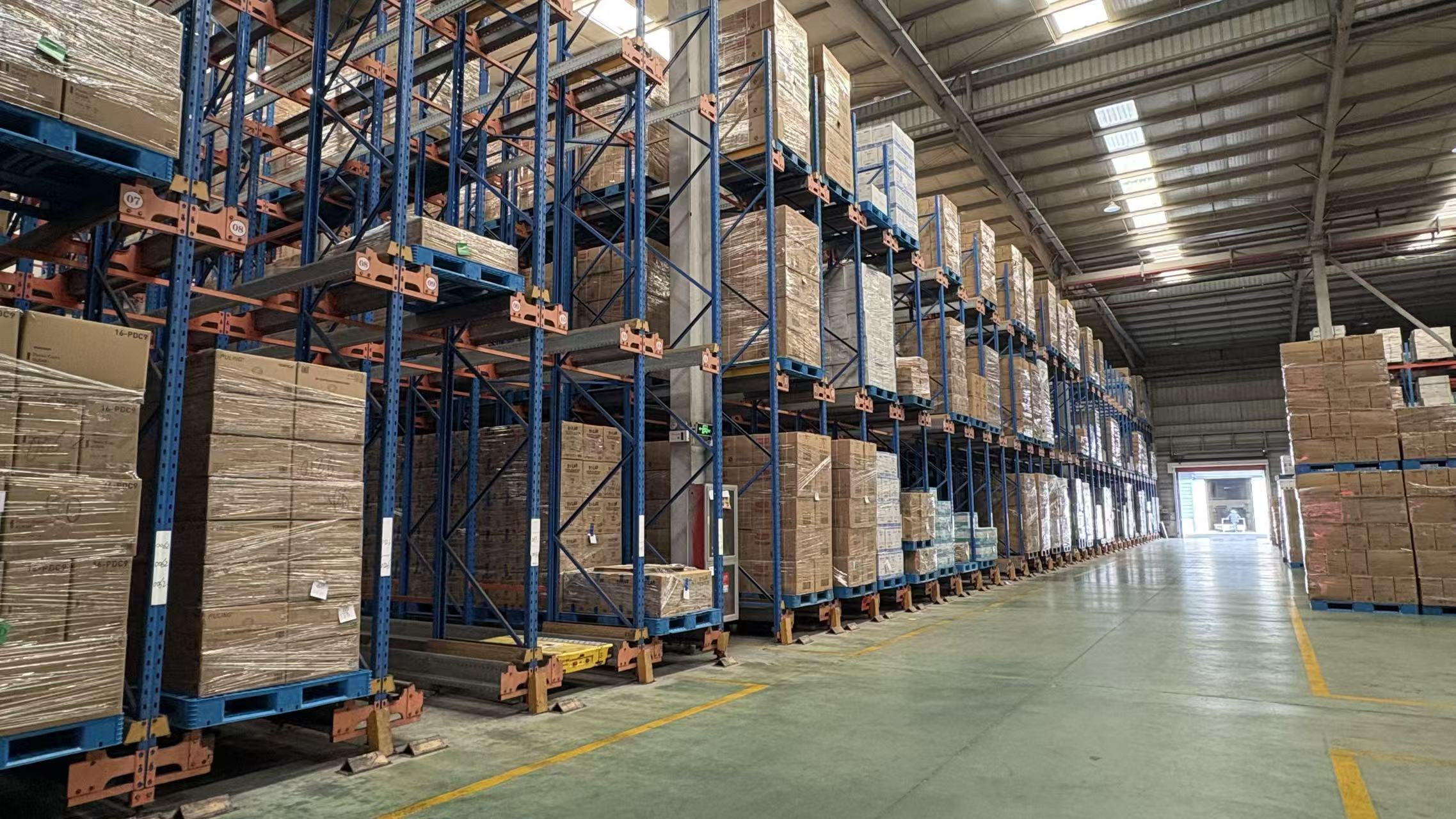
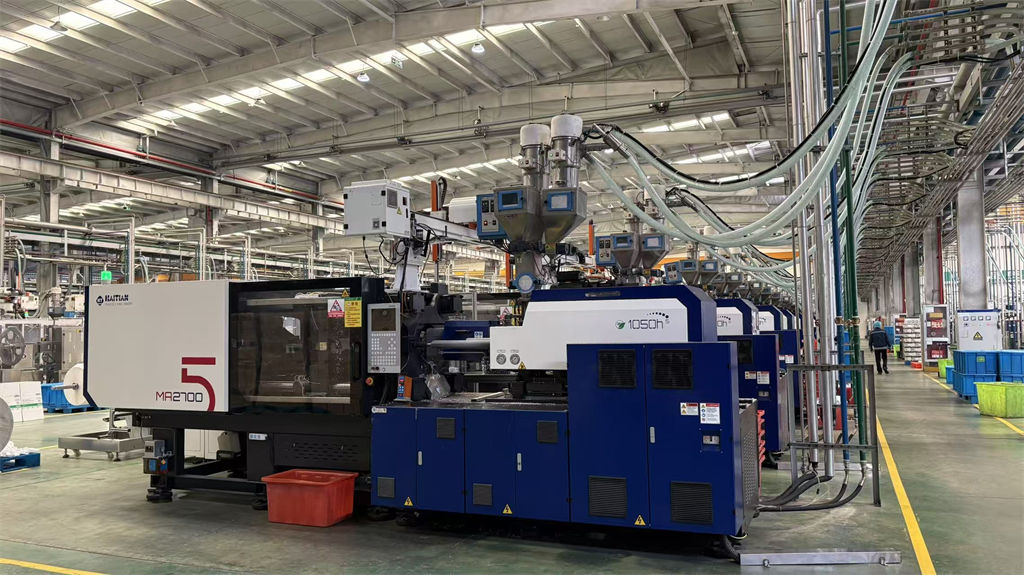

Global Procurement Trends Shaping Plastic Lunch Box Manufacturing
Stay ahead of regulatory shifts, material bans, and consumer expectations with market-ready packaging solutions.
1. The Global Phase-Out of EPS Foam
With regulations banning expanded polystyrene (EPS) across the EU, North America, and Australia, MFPP (Mineral-Filled Polypropylene) hinged clamshell containers have emerged as the primary functional replacement. MFPP reduces plastic resin usage by up to 40% while maintaining thermal insulation, oil resistance, and microwave safety.
2. Anti-Fog Technology & Delivery Seals
The global boom in food delivery platforms (UberEats, DoorDash, Meituan) has created demanding requirements for lid clarity under hot-fill conditions. Modern PP and PET lids are formulated with non-toxic anti-fog additives to eliminate moisture condensation, ensuring clear visual presentation and customer satisfaction upon delivery.
3. Lightweighting & Structural Rib Engineering
Advancements in Finite Element Analysis (FEA) mold engineering enable factories to design containers with strategically placed geometric ribs. This structural reinforcement increases stacking compression strength by 35% while reducing container weight by 8-12%, significantly lowering ocean freight costs and carbon footprint.
OEM / ODM Engineering & Total Cost of Ownership (TCO)
From custom mold design to container load optimization, discover how factory-direct engineering protects your bottom line.
3D Cad & Rapid Tooling
Custom 3D CAD modeling within 48 hours. Precision CNC aluminum prototype molds delivered within 7-10 days for physical lid-fit, leak testing, and volume verification before mass production.
In-Mold Labeling (IML)
High-resolution full-color branding integrated directly into the container during injection molding. Permanent, scratch-resistant, moisture-proof artwork that eliminates labor-intensive manual labeling.
Volumetric Nesting Ratio
Engineered nesting angles allow up to 25% higher stack density inside shipping cartons, maximizing 40HQ container load capacity and drastically reducing freight cost per individual unit.
AQL 1.5 Quality Assurance
Rigorous inline quality control adhering to ISO 9001 and AQL 1.5 standards. Routine automated drop tests, seal integrity pressure checks, and thermal deformation analysis on every batch.

Global Food-Contact Certification & Compliance Standards
Ensure smooth import clearance and eliminate legal liability with fully certified, food-safe plastic lunch box manufacturing.
US FDA 21 CFR 177.1520
Direct contact compliance for olefin polymers. Verified virgin PP resins tested for extractable fractions in n-hexane and xylene to guarantee non-toxicity during microwave heating.
EU Regulation No 10/2011 & LFGB
Overall Migration (OM) and Specific Migration Limits (SML) tested with food simulants (3% Acetic Acid, 10% Ethanol, Rectified Olive Oil) for European Union market access.
BRCGS & ISO 22000 Facility Certification
Production environment certified under BRCGS Global Standard for Packaging Materials. Dust-free cleanroom molding, optical automated sorting, and complete batch lot traceability.
Frequently Asked Questions (Sourcing FAQ)
Essential guidance for B2B buyers, foodservice distributors, and OEM purchasing directors.
Request Factory Direct Pricing & Free Sample Kits Today
Partner with China's leading plastic lunch box manufacturer. Receive customized FOB/CIF quotations, technical datasheets, and physical sample packages for your evaluation within 24 hours.