Featured Commercial Food Packaging Solutions
Direct-from-factory export inventory featuring microwavable, leakproof, and bio-based food packaging systems optimized for international distributors and restaurant chains.

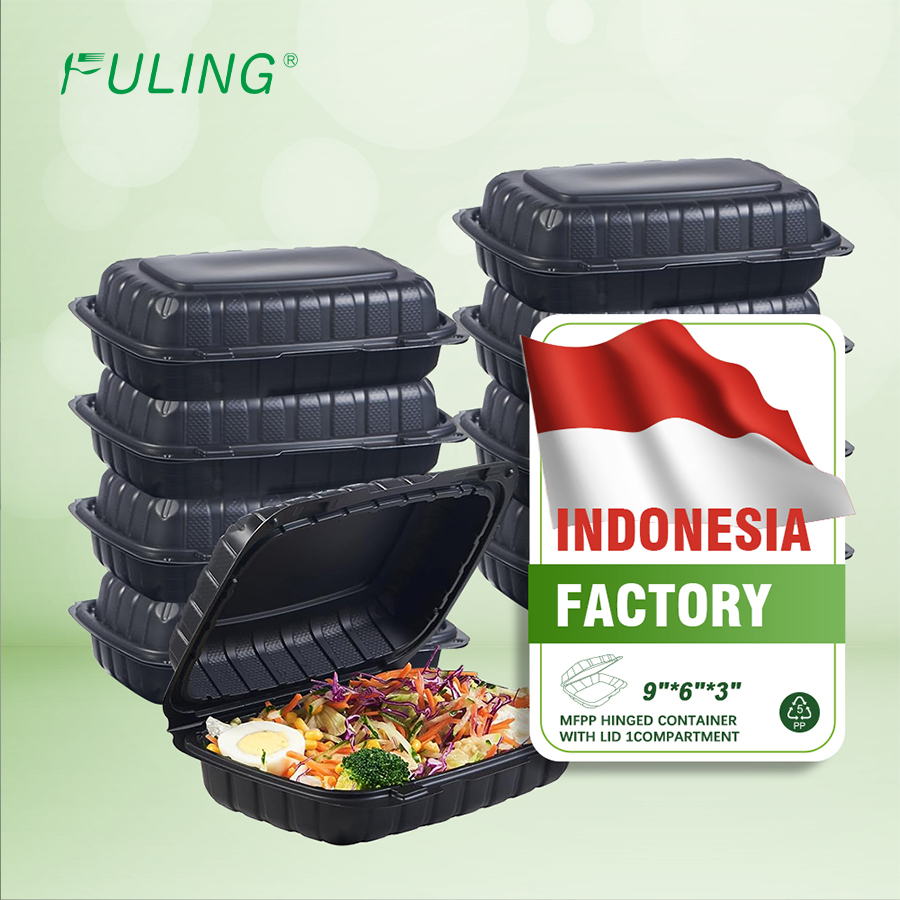

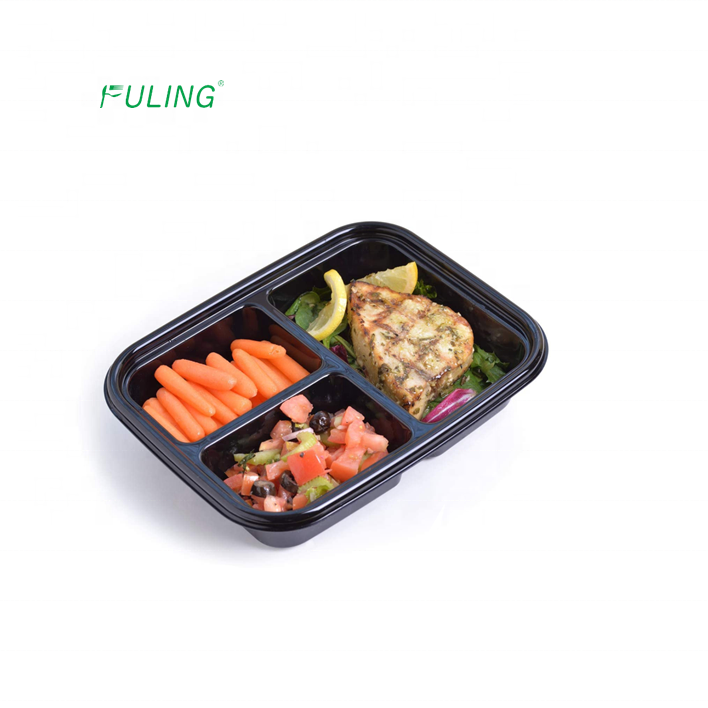
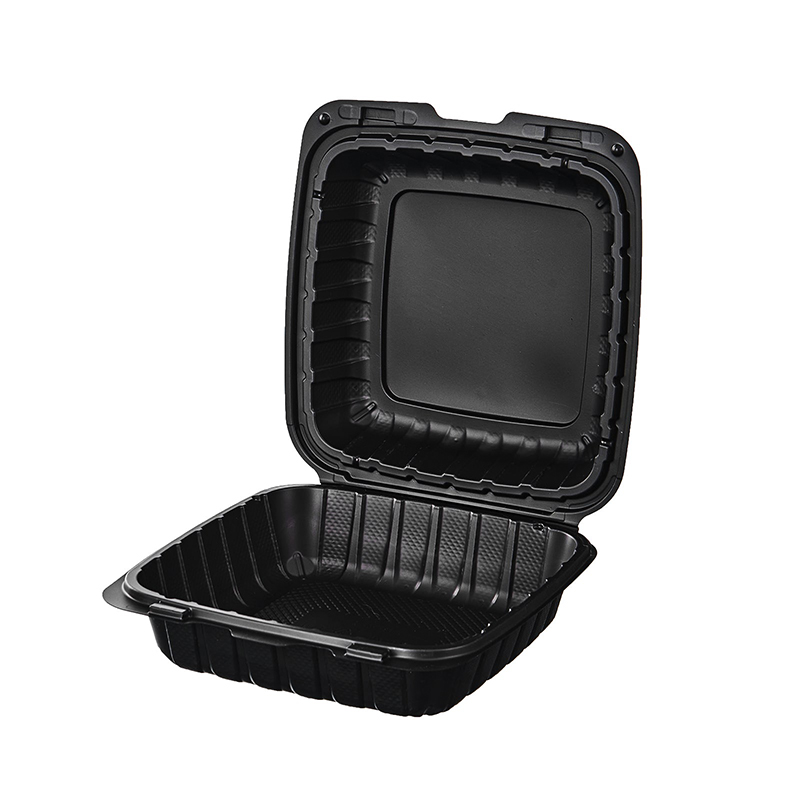
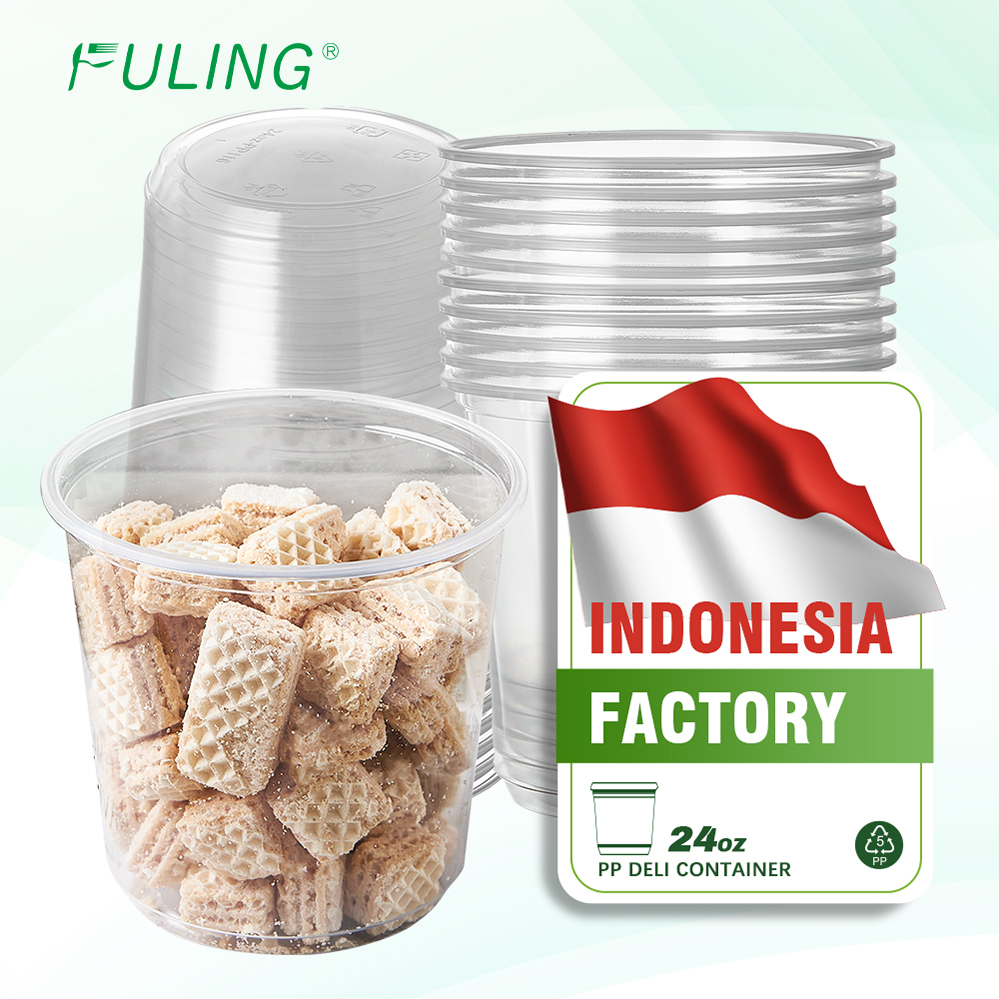
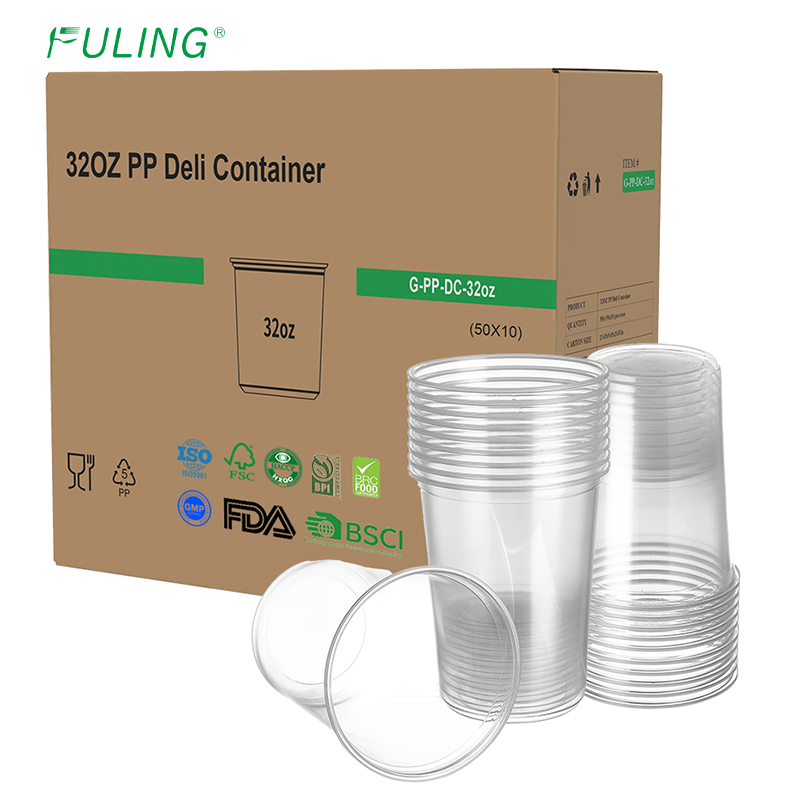
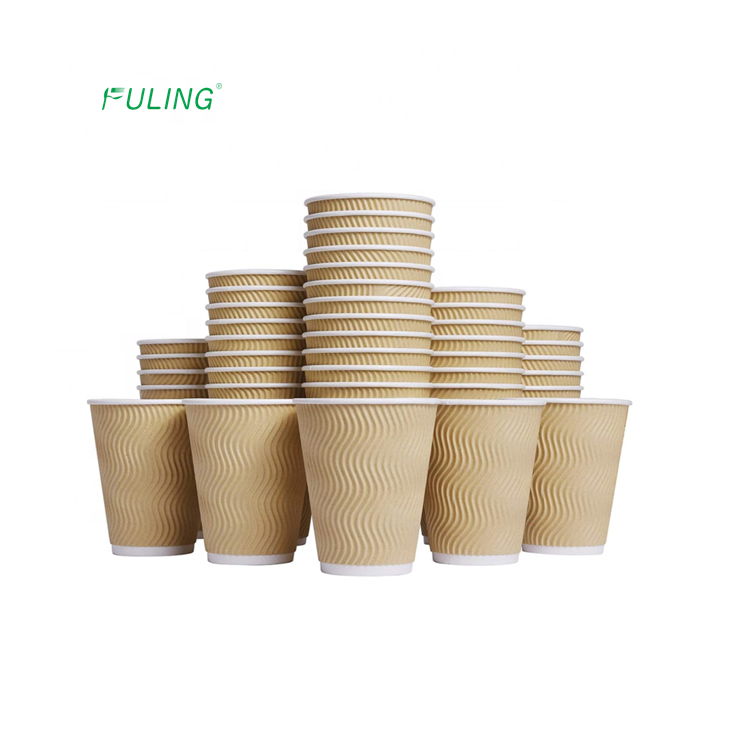
Why Global Procurement Directors Partner with Chinese Manufacturing Leaders
Operating at the intersection of material science, automated thermoforming, and bio-pulp molding, our manufacturing ecosystem provides verifiable compliance, structural integrity, and tariff-optimized supply chain logistics.
Rigorous Food-Contact Compliance
Every bagasse hinged container, MFPP clamshell, and PET cup undergoes extensive migration testing. We furnish full documentation referencing US FDA 21 CFR 176.170, EU Regulation 10/2011, and LFGB criteria to ensure rapid clearance through global customs checkpoints.
PFAS-Free Barrier Formulations
Ahead of North American and European regulatory mandates, our eco-friendly sugarcane pulp clamshells utilize proprietary water-based fluorochemical-free barriers, delivering robust grease resistance up to 100°C oil and 120°C water without synthetic persistence.
Dual-Node Global Production Base
To safeguard importers against geopolitical shifts and localized tariff updates, our production topology encompasses state-of-the-art facilities in both China and Indonesia, offering seamless order allocation and flexible freight routing.
Gram-Weight & Stacking Engineering
Through advanced finite element analysis (FEA), our structural packaging engineers optimize sidewall geometry and rim denesting features, lowering volumetric shipping costs while maximizing top-load compression resistance during stacking.
Full OEM & Private-Label Customization
We provide end-to-end custom branding: from precision embossed logos on bagasse clamshell lids to custom flexographic master carton designs, unit sleeve packaging, and integrated UPC barcode configurations for direct retail distribution.
Consolidated Mixed-SKU Container Logistics
Maximize ocean container utilization efficiency by bundling sugarcane bagasse clamshells, meal prep boxes, deli soup tubs, paper coffee cups, and wrapped cutlery kits into consolidated 40HQ shipments, reducing landed unit costs.
Key Technological Trends Shaping Sugarcane Bagasse Clamshell Manufacturing
As global foodservice shifts away from expanded polystyrene (EPS) and single-use plastics, sugarcane bagasse technology is undergoing rapid material innovation. Understanding these technical developments is critical for strategic sourcing.
Technical Insight: Sugarcane bagasse is the upcycled fibrous residue remaining after juice extraction. Composed of approximately 45-55% cellulose, 20-25% hemicellulose, and 18-24% lignin, bagasse offers an exceptional natural polymer matrix for thermo-pulp molding, providing high structural rigidity and intrinsic thermal resistance without petroleum additives.
1. Advanced Plant Fiber Hybrid Blending
Pure bagasse fibers can exhibit tensile limitations when molded into deep-draw food containers. Manufacturers are pioneering hybrid pulp formulations that combine short-fiber sugarcane bagasse with long-fiber bamboo pulp or wheat straw pulp in a 70:30 ratio. This hybrid slurry significantly increases cross-directional tear resistance, enabling thinner sidewalls with equal or superior top-load compression capacity.
2. Next-Generation Fluorine-Free Hydrophobicity
Historically, long-chain per- and polyfluoroalkyl substances (PFAS) were utilized to impart grease resistance to molded fiber packaging. Recent development breakthroughs focus on bio-based hydrophobic additives, such as alkyl ketene dimer (AKD) sizing combined with microfibrillated cellulose (MFC) barrier coatings. These non-fluorinated solutions deliver up to 24 hours of oil barrier protection without violating strict environmental bans.
3. Precision Trim & Zero-Draft Hinged Molds
Legacy molded fiber packaging often suffered from rough edges, uneven perimeter sealing, and loose hinge tension. Modern Chinese manufacturing facilities deploy automated robotic edge-trimming lines paired with high-precision CNC aluminum molds. This guarantees clean perimeter cuts, tight snap-lock hinge engagement, and anti-opening security essential for high-speed automated commercial takeaway logistics.
Future Procurement Trends for Global Packaging Importers
Evolving environmental legislation, fluctuating freight dynamics, and shifting consumer expectations demand proactive procurement strategies from B2B buyers and commercial distributors.
Regulatory Compliance as a Primary Sourcing Metric
With the European Union Single-Use Plastics Directive (SUPD), UK Plastic Packaging Tax, and regional North American legislation expanding prohibitions against EPS foam and non-recyclable polymers, procurement teams must prioritize suppliers capable of providing batch-specific certified bio-based products (such as OK Compost HOME / INDUSTRIAL according to EN 13432 or ASTM D6400 standards).
Transition to Mineral-Filled & Compostable Hybrid Portfolios
While 100% sugarcane bagasse clamshell containers represent the ultimate sustainable standard for hot, oily dishes, buyers are increasingly specifying Mineral-Filled Polypropylene (MFPP) as an economical intermediate phase. MFPP reduces virgin plastic content by up to 50% using natural calcium carbonate fillers, allowing distributors to offer a dual-tier strategy covering budget takeaway and premium green branding.
Data-Driven Supply Chain Transparency & ESG Audits
Enterprise buyers are transitioning from transaction-focused purchasing to long-term audit-verified partnerships. Modern procurement requires verified carbon footprint data per unit, SEDEX SMETA or BSCI social compliance factory audit reports, and full chain-of-custody tracking for raw agricultural materials from sugar mills to final thermo-formed cartons.
Frequently Asked Sourcing & Technical Questions
Direct technical clarification on commercial specifications, lead times, customization limits, and international shipping protocols.
Optimize Your Commercial Packaging Supply Chain
Connect directly with our engineering sales specialists to request custom proforma quotations, full technical datasheets, certified test reports, or physical pre-production sample kits.