Next-Generation Sustainable Packaging Architecture
As global environmental regulations enforce strict limits on single-use plastics and Extended Producer Responsibility (EPR) frameworks expand across North America and Europe, the food packaging industry is undergoing a structural paradigm shift. Overseas procurement directors, chain restaurant buyers, and packaging distributors require high-performance, compliant, and cost-optimized packaging systems. This enterprise whitepaper analyzes technical material innovations, supply chain risk mitigation, regulatory compliance benchmarks (FDA 21 CFR, EU 10/2011, BRCGS), and product recommendations from China's leading manufacturing ecosystem.
Flagship Food Packaging Catalog
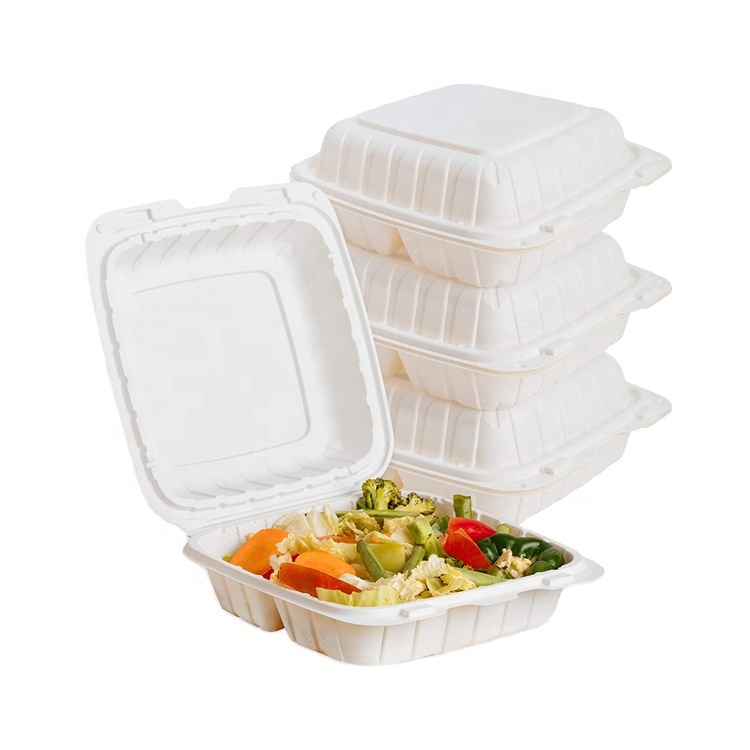
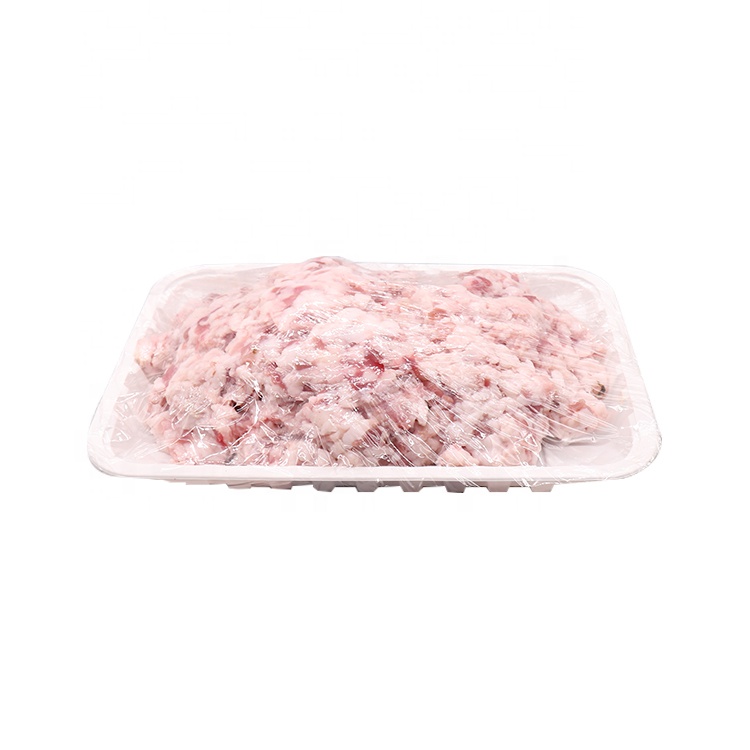
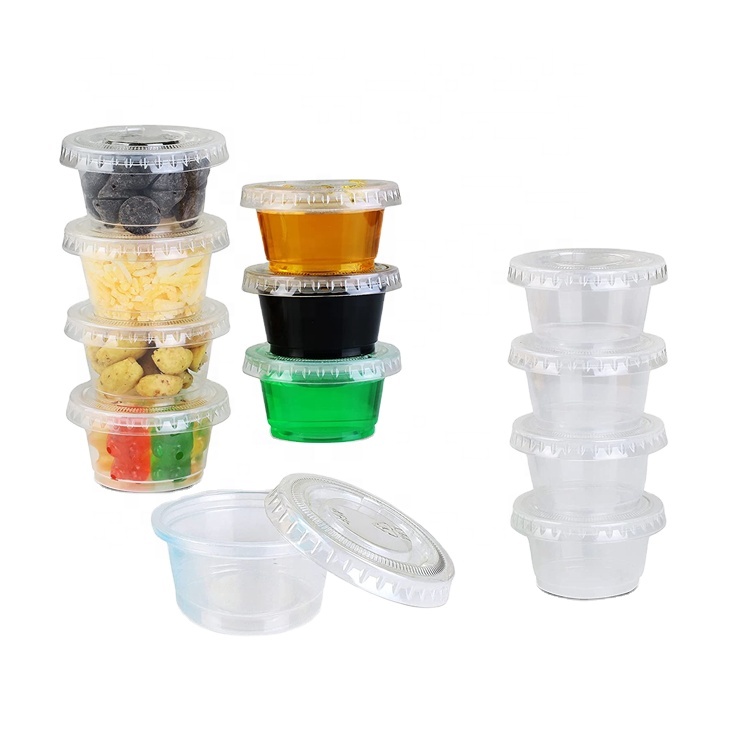
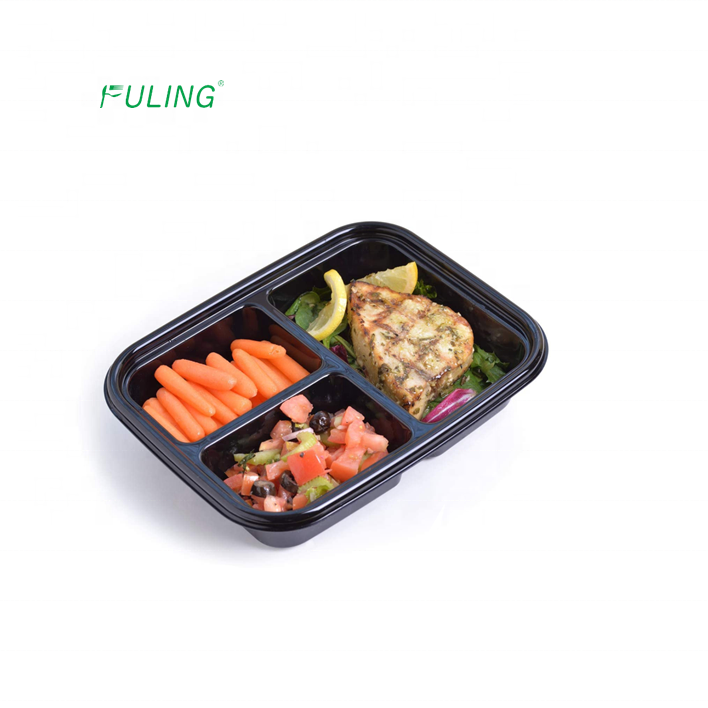
Explore engineered food containers, microwavable prep boxes, biodegradable bagasse plates, and cold/hot beverage cups designed for high-volume commercial supply chains.


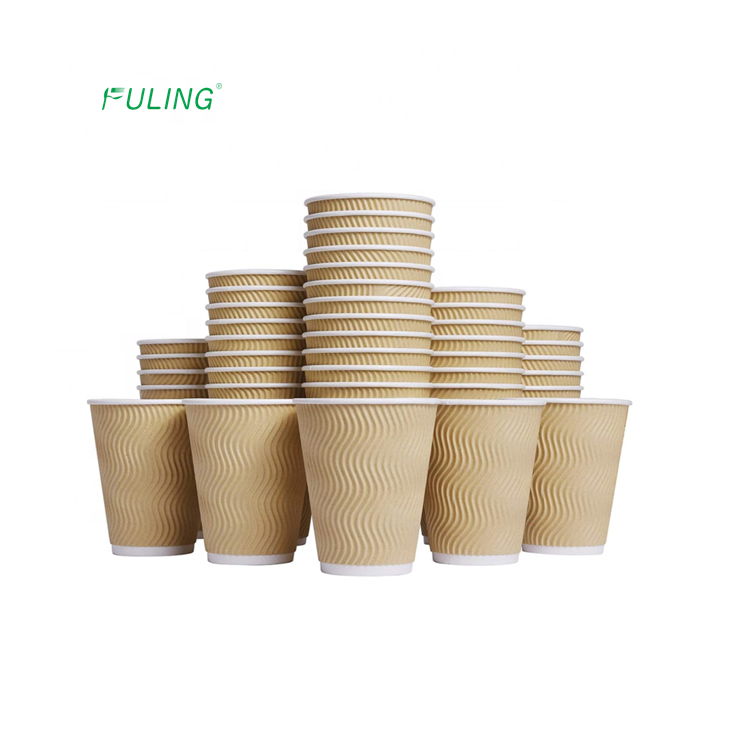

Macro Development Trends in Paper & Hybrid Food Packaging
The global commercial packaging ecosystem is undergoing fundamental evolution driven by regulatory mandates, material engineering breakthroughs, and shifting end-consumer sustainability demands.
Aqueous Barrier Coatings vs. Plastic Linings
Traditional polyethylene (PE) and polypropylene (PP) coatings are rapidly being replaced by bio-based water-based dispersion coatings (Aqueous Coatings). These advanced dispersion layers eliminate poly-laminate recycling barriers, allowing paperboard food containers to achieve repulpability in standard municipal paper recovery systems (EN 13430 compliance) while maintaining exceptional grease and hot-liquid resistance.
MFPP & Mineral Reinforcement Innovations
Mineral-Filled Polypropylene (MFPP) technology represents a major evolutionary leap for rigid takeaway containers. By combining natural micronized calcium carbonate ($CaCO_3$) with virgin food-grade PP, manufacturers reduce petroleum resin consumption by 40% to 50%. This yields a structural material with foam-like insulating properties, high microwave thermal tolerance (up to 120°C/248°F), and zero brittle cracking during sub-zero freight logistics.
PFAS-Free Legislation & Bio-Solvent Testing
Enforcement of bans on Per- and Polyfluoroalkyl Substances (PFAS) in food-contact packaging across North America (U.S. FDA guidelines and state-level legislation) and the EU (REACH expansion) requires manufacturers to utilize next-generation fluorocarbon-free oil repelling technology. Top Chinese mills utilize high-density fiber refinement, plant waxes, and siliconized barrier coatings to achieve kit level 9 to 12 grease performance without fluorinated chemical compounds.
Substrate Engineering & B2B Material Selection Matrix
Comparative technical analysis for supply chain engineers, brand owners, and commercial buyers.
| Material Substrate | Thermal Resistance Range | Oil & Water Barrier Rating | Microwave / Oven Safety | Recyclability & Degradability | Primary Industrial Use Case |
|---|---|---|---|---|---|
| Kraft Paper + PE Coating | -10°C to 90°C (14°F to 194°F) | High (Water & Oil) | Not Recommended | Recyclable (Specialized Mills) | Soups, Noodles, Hot Coffee Cups |
| Kraft Paper + Aqueous Coating | -18°C to 100°C (0°F to 212°F) | Ultra-High (Water & Oil) | Microwavable (Up to 3 mins) | 100% Repulpable & Recyclable | Eco Takeout Boxes, Salad Bowls |
| Sugarcane Bagasse Fiber | -20°C to 120°C (-4°F to 248°F) | High (PFAS-Free Barrier) | Microwavable & Freezer Safe | Home & Industrial Compostable | Catering Plates, Bento Bowls, Hinged Boxes |
| Mineral Filled PP (MFPP) | -20°C to 120°C (-4°F to 248°F) | Maximum (100% Water/Oil Proof) | Microwave & Dishwasher Safe | Recyclable (#5 PP Stream) | Heavy-Duty Meals, Gravy Takeout, Meats |
| BPI Certified PLA (Polylactic Acid) | -18°C to 45°C (0°F to 113°F) | High (Cold Beverages) | Not Heat Tolerant | Compostable (EN 13432) | Iced Coffee, Smoothie Cups, Cold Salad Lids |
Strategic Future Sourcing Trends for B2B Importers
1. Container Freight Density & Volumetric Optimization
With international sea freight tariffs experiencing cyclical volatility, enterprise buyers are shifting procurement specifications toward ultra-nestable product designs. Nested paper bowls, tapered meal boxes, and thin-rim hinged MFPP clamshells significantly increase unit counts per 40ft High Cube (40HQ) shipping container.
Pro Tip for Procurement Officers: Transitioning from bulky EPS foam hinged boxes to high-nestability MFPP hinged containers increases container loading density by up to 220%, dramatically dropping the freight cost per unit ($/SKU).
2. Consolidated Mixed-SKU Shipping Portfolios
Modern regional food distribution hubs require stock diversity without over-leveraging working capital in massive single-SKU inventory holding. B2B buyers now prefer contract manufacturing partners capable of consolidating diverse lines—such as paper coffee cups, bagasse plates, cutlery kits, and microwavable containers—into single mixed LCL or FCL shipments.
Supply Chain Value: Consolidating 8 to 15 complementary foodservice packaging SKUs into one container reduces customs clearance fees, optimizes warehouse space, and balances inventory turnover cycles.
Enterprise Manufacturing Capabilities & Direct Advantage
As a verified tier-1 factory-direct exporter and manufacturer, Loms Food Packaging Co., Ltd. (operating advanced production centers including the FULING industrial network) operates modern production lines for injection molding, thermoforming, high-precision flexographic printing, and paper packaging assembly.
Eliminate intermediate trading agents with factory-direct pricing, custom tooling development, and dedicated B2B OEM program support.
Products tested against US FDA 21 CFR, EU Regulation 10/2011, LFGB standards, and BPI compostability guidelines with traceable batch control.
High-speed European thermoforming machines operating under dust-free, hygienic production environments with robotic automatic packaging.
Up to 8-color water-based flexographic and offset custom printing with precision color matching for global franchise brands.
Frequently Asked Questions for B2B Procurement
Clear answers to common questions asked by international buyers, importers, and supply chain managers.
Partner with China's Premier Packaging Manufacturer
Elevate your product line with food-grade compliant, sustainably engineered paper food boxes, sugarcane plates, and microwavable takeaway packaging. Contact our B2B sales engineering team for instant quotes, technical samples, and OEM custom printing programs.