Featured Soup & Food Packaging Solutions
Directly manufactured under ISO 22000 & BRCGS hygiene standard. Engineered for hot soups, ramen, meal preparation, and heavy-duty delivery applications.
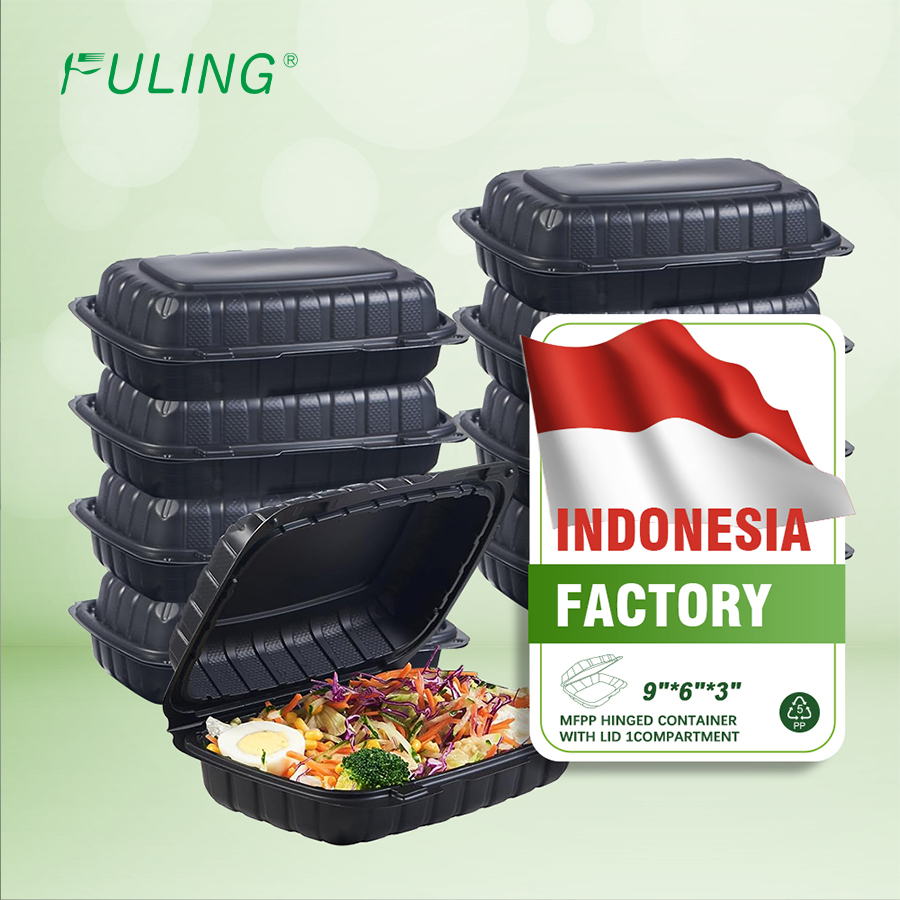
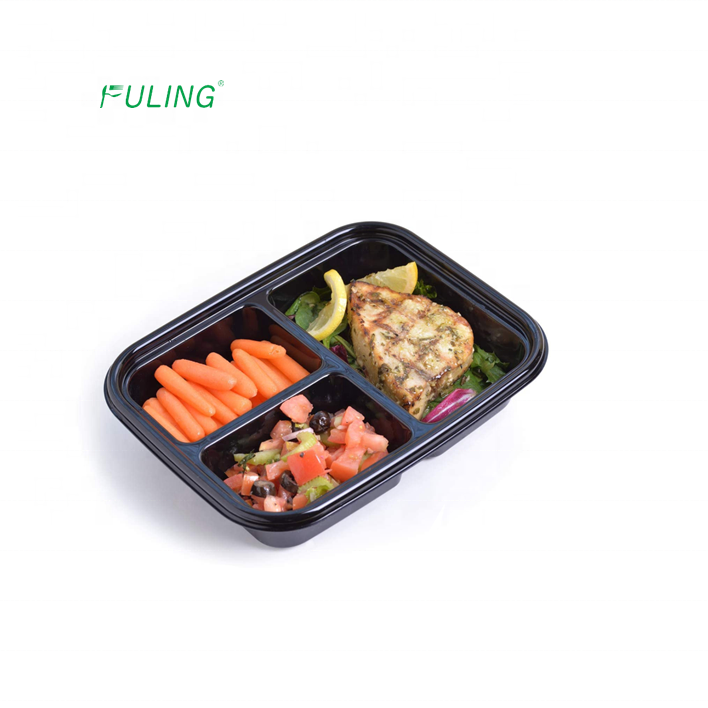

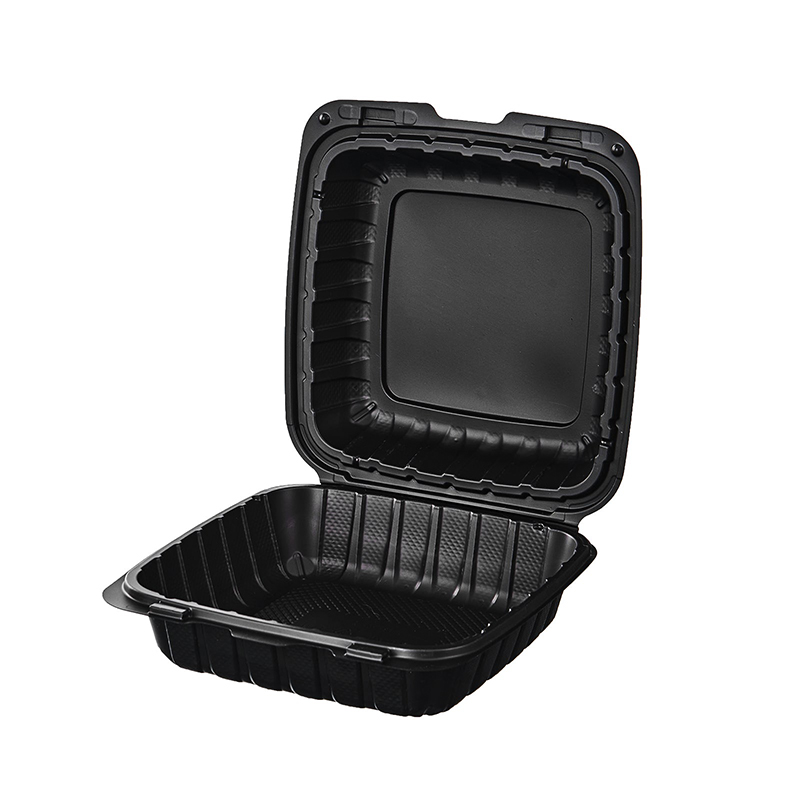
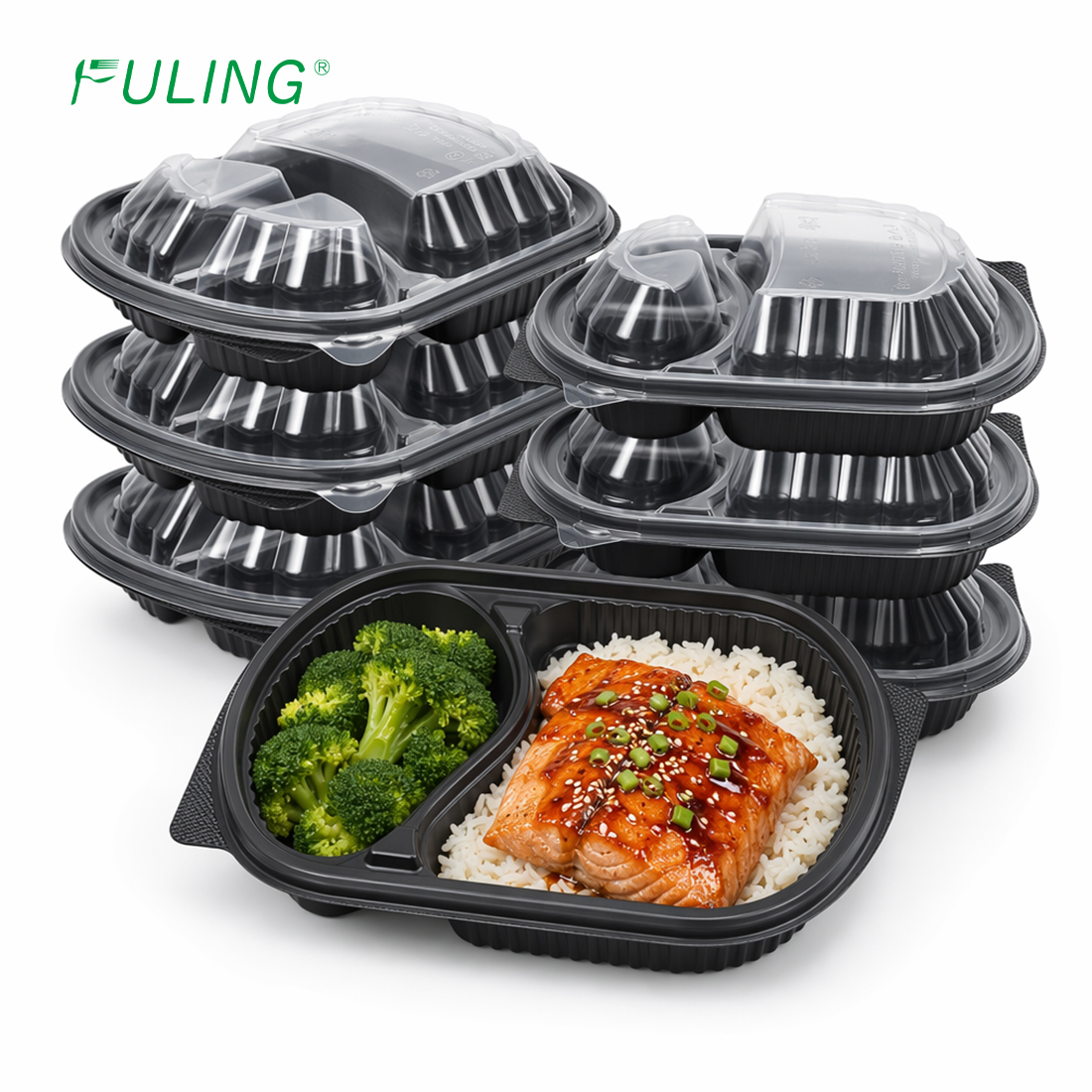
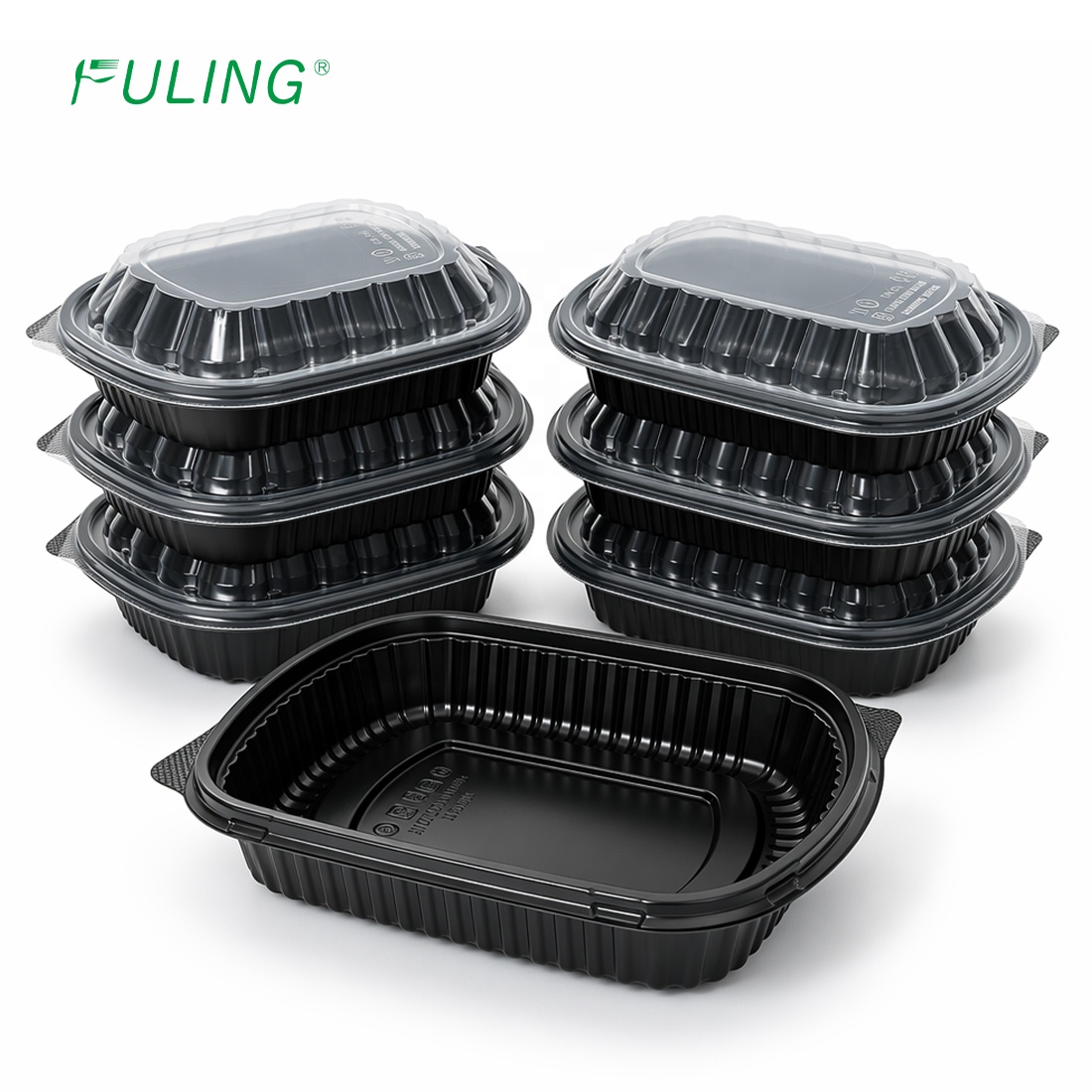

Technical Whitepaper: Polymer Science & Manufacturing Precision in Plastic Soup Bowl Production
In the modern foodservice sector, commercial soup packaging is no longer merely a passive vessel; it is an engineered containment system subject to dynamic physical and chemical stresses. As a premiere China Top Plastic Soup Bowls Manufacturer & Supplier, our engineering core focuses on solving the critical friction points in hot liquid packaging: thermal degradation, lid seal failure, moisture condensation loss, and sidewall flex under load.
Soup containment demands strict physical property specifications. Standard food-grade Polypropylene (PP) possesses a melting point near 160°C (320°F) and a Heat Deflection Temperature (HDT) ranging from 100°C to 120°C. However, when boiling stocks, oily broths, or ramen broths (which can hold heat significantly longer due to fat layer encapsulation) are filled directly into unreinforced containers, standard polymers risk structural softening and sidewall buckling. To overcome this, our production facilities utilize state-of-the-art Isotactic Polypropylene resins coupled with Mineral-Filled Polypropylene (MFPP) technology.
Key Material Breakthrough: MFPP (Mineral-Filled Polypropylene) Hybrid Matrix
By compounding virgin food-grade Polypropylene with natural Calcium Carbonate ($CaCO_3$) micro-minerals, we engineer containers that achieve a 30% to 50% reduction in petroleum-based plastic usage while boosting flexural modulus and thermal stability. MFPP bowls withstand internal liquid temperatures up to 120°C without structural warping, presenting a rigid, foam-like tactile feel that eliminates the safety risk of hot soup spills.
Leak-Proof Rim Engineering & Hydrodynamic Venting
A persistent operational issue for global quick-service restaurant (QSR) chains and food delivery platforms is spill-over during transport. Our manufacturing lines utilize high-precision CNC multi-cavity injection molds equipped with micro-step double-sealing rim profiles. The outer perimeter snap-fit rib locks onto the complementary lid channel with an audible "click," creating a hermetic perimeter seal resistant to radial impact during transit.
Furthermore, steam generation from boiling hot soups creates internal pressure spikes capable of popping lids off inferior bowls. Our engineering team integrates anti-fog hydrophilic lid coatings combined with recessed, splash-resistant steam vents. These pressure-relief valves release latent gas while preserving surface tension, keeping broth inside the container even during turbulent delivery conditions.
| Polymer / Material Type | Heat Deflection Temp (HDT) | Microwave Safety | Oil & Grease Barrier | Carbon Footprint Reduction | Primary Commercial Use |
|---|---|---|---|---|---|
| Standard Virgin PP | 100°C – 110°C | Excellent (Safe up to 120°C) | High Rating | Baseline Reference | Re-usable Meal Prep, Takeout Tubs |
| MFPP (Mineral-Filled PP) | 115°C – 125°C | Superior (Form Stable) | Maximum Resistance | 35% – 45% Lower CO₂ | Heavy-Duty Hot Soup, Hinged Clamshells |
| PET (Polyethylene Terephthalate) | 65°C – 70°C | Unsafe (Cold Use Only) | Excellent Clarity | Recyclable (Code #1) | Cold Gazpacho, Salads, Fruit Desserts |
| Sugarcane Bagasse + PP Lamination | 90°C – 100°C | Moderate | Requires Barrier Coating | Bio-Based Organic | Eco-Conscious Fast Casual Dining |
Future Sourcing Trends in Plastic Soup Bowls & Takeout Packaging (2025–2030)
The global food packaging landscape is experiencing a seismic shift driven by strict environmental mandates, changing urban dining habits, and rising freight rates. Importers, regional distributors, and purchasing heads must adapt their supply chains to align with regulatory trends while keeping unit costs lean.
1. Phase-Out of EPS Foam & Shift to MFPP
Governments across North America, the European Union (under the Single-Use Plastics Directive), and Asia-Pacific are enforcing bans on Expanded Polystyrene (EPS) foam due to non-recyclability and friability. Mineral-Filled Polypropylene (MFPP) has emerged as the premier replacement, providing identical thermal insulation without microplastic shedding.
2. Optimizing Freight Density & Volumetric Nesting
Ocean freight rates make shipping low-density, bulky goods expensive. Next-generation plastic soup bowls incorporate high-conical nesting geometry with non-stick internal stacking lugs. This design doubles the SKU count per 40HQ ocean container, lowering per-unit landed freight costs by up to 30%.
3. Monomaterial Recycling & Closed-Loop Circularity
Multi-layer materials that blend different resins create recycling bottlenecks. The future of food packaging lies in 100% single-polymer structures (e.g., PP bowl + PP lid). This allows consumers and commercial kitchens to toss the entire unit into standard resin recycling streams (#5 PP) without separating parts.
Information Gain Insights: Key Technical Considerations for B2B Buyers
When selecting a manufacturing vendor in China, global buyers often rely on basic metrics like price per unit or gram weight. However, experienced procurement officers evaluate subtle technical factors that dictate real-world performance:
- Wall Thickness Uniformity: Inferior high-speed thermoforming machinery can cause thin spots near the bottom corners of deep soup bowls. Premium injection molding ensures uniform wall tolerance (±0.05mm), preserving vertical load stability under multi-tier stacking.
- EPR & Eco-Tax Compliance: European and UK buyers face Extended Producer Responsibility taxes on virgin plastics. Sourcing MFPP or certification-ready PP with accredited recycled content options protects importers against steep tax penalties.
- Anti-Sog and Moisture Balance: For noodle soups (such as Vietnamese Pho or Japanese Ramen), keeping toppings separate from broths until consumption is crucial. Dual-tier tray inserts with center-finger access grooves are becoming an industry standard for meal delivery.
Enterprise Capabilities & Manufacturing Competence
As an industry leader in disposable plastic tableware and container manufacturing, our enterprise infrastructure is built around high-volume precision, stringent quality control, and dependable international logistics. We operate integrated facilities spanning raw material compounding, precision mold fabrication, automated injection molding, high-speed thermoforming, and custom branding printing.
Cleanroom Standards & Food Safety ISO Certification
Our manufacturing workshops are designed to meet ISO 22000, BRCGS, and HACCP standards. Automated robotic arm extraction ensures zero direct human contact during molding, rim trimming, and sleeve packaging, keeping products clean and food-contact ready.
Custom OEM / ODM & Rapid Tooling Infrastructure
Equipped with an internal R&D engineering team and high-speed CNC machining centers, we convert customer concepts into physical 3D-printed prototypes within 72 hours. Custom production molds can be engineered and tested in under 25 days.
Comprehensive Testing Laboratory
Every production batch undergoes strict quality assurance tests, including rim seal torque testing, top-load compressive strength analysis, gas chromatography migration checks (FDA 21 CFR 177.1520 & EU 10/2011 compliant), and heat distortion stress tests.
Flexible LCL & Mixed Container Loading
We empower growing foodservice distributors by offering mixed container loading. Combine plastic soup bowls, hinged MFPP clamshells, drink cups, and cutlery kits in a single 40HQ container to maximize cash flow and streamline inventory turnover.
Frequently Asked Questions for B2B Importers
Get expert answers regarding material safety, custom branding, logistics, and quality assurance from our technical export team.