

1. Enterprise Advantages & Advanced Manufacturing Infrastructure
As a global leader in high-volume food container production, our manufacturing facilities integrate ultra-high-speed thermoforming, precision injection molding, and automated flexographic paper cup assembly lines. We operate under stringent quality management principles aligned with ISO 9001 and BRCGS Packaging Standards, guaranteeing that every container delivered to your distribution centers exhibits uniform wall thickness, exceptional structural integrity, and flawless rim sealing performance.
Global procurement teams encounter significant operational vulnerabilities when dealing with inconsistent packaging suppliers—such as popping lids, container cracking under low temperatures, and toxic chemical leaching under microwave heating. Our factory addresses these challenges directly at the material science level:
Automated High-Precision Tooling
Our multi-cavity hot-runner molds operate with tolerances within ±0.02mm. This prevents lid displacement, liquid leakage, and structural sagging when hot soup or oily food products are loaded into takeaway boxes.
Stringent Food Contact Compliance
We use 100% virgin food-grade polypropylene (PP), PET, and certified paperboard. Every batch undergoes rigorous migration testing for heavy metals, phthalates, and bisphenols (BPA-free) under FDA 21 CFR and EU Regulation 10/2011.
Optimized Container Load Efficiency
By engineering specialized nested cup and container stack geometry, we maximize total cubic meter (CBM) utilization per 40HQ container by up to 18%, significantly reducing ocean freight cost per unit.
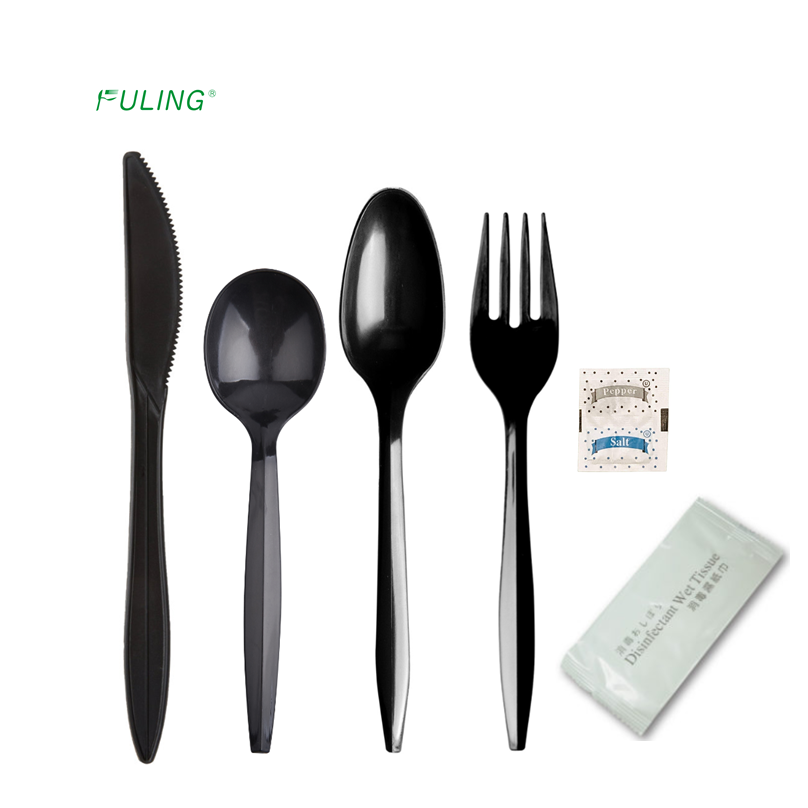
Through integrated OEM/ODM development, we assist international foodservice chains, delivery platform aggregators, and commercial packaging distributors in creating proprietary shapes, customized embossing, and private-label master carton branding. Whether you require individually wrapped cutlery kits with sanitizing wet wipes or leakproof heavy-duty bento lunch boxes, our factory delivers reliable consistency across multi-container ocean shipments.
2. Strategic Material Science Matrix & Comparative Analysis
Selecting the ideal polymer or fiber matrix for takeaway packaging requires balancing thermal stability, mechanical strength, moisture barrier performance, and regional regulatory compliance. The matrix below details the performance boundaries of our core production materials:
| Material Type | Thermal Threshold | Microwave / Freezer Safe | Key Barrier & Physical Attributes | Ideal Commercial Application |
|---|---|---|---|---|
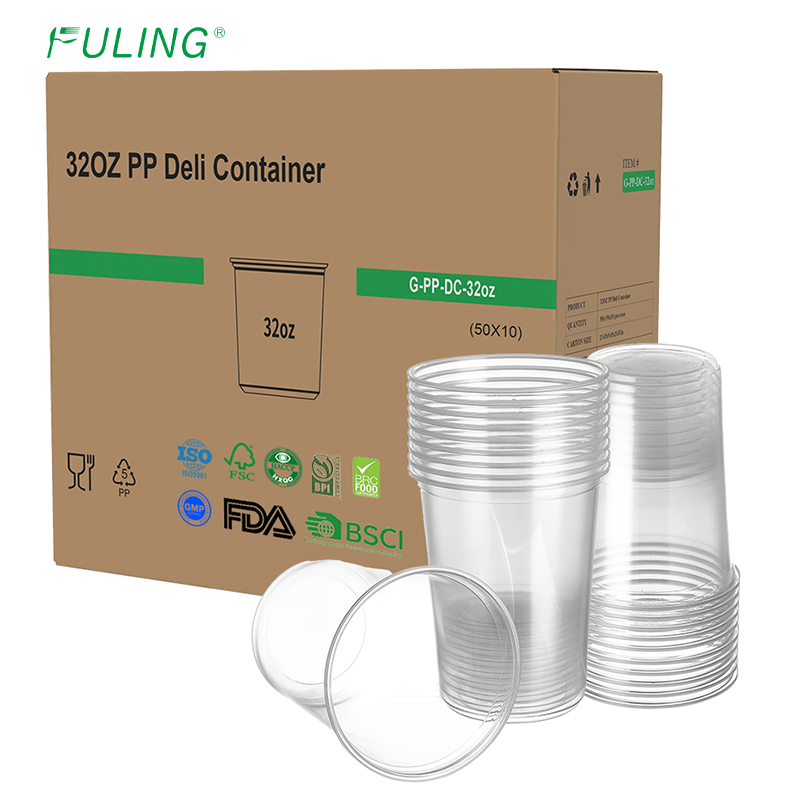
| Polypropylene (PP) | -20°C to +120°C | Microwave & Freezer Safe | High oil resistance, excellent fatigue resistance for snap lids, semi-clear. | Hot meal prep boxes, deli soup tubs, curry containers, portion sauce cups. |
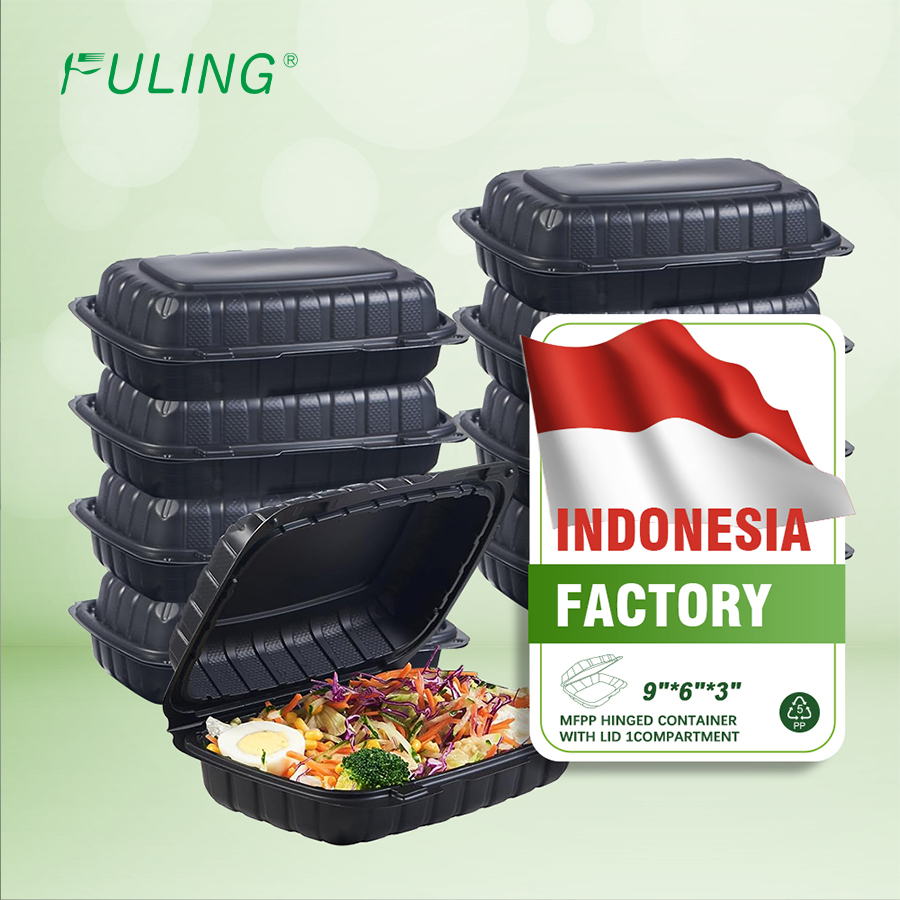
| Mineral-Filled PP (MFPP) | -20°C to +130°C | Microwave & Freezer Safe | Reinforced with natural minerals; reduces plastic usage by 40-50%; superior rigidity. | Heavy-duty clamshells, replacing banned EPS foam hinged to-go containers. |
| PET (Polyethylene Terephthalate) | -40°C to +60°C | Freezer Safe (Not Microwavable) | Crystal clarity (>90% light transmittance), high crush resistance, oxygen barrier. | Iced coffee cups, boba tea cups, smoothie containers, cold salad bowls. |
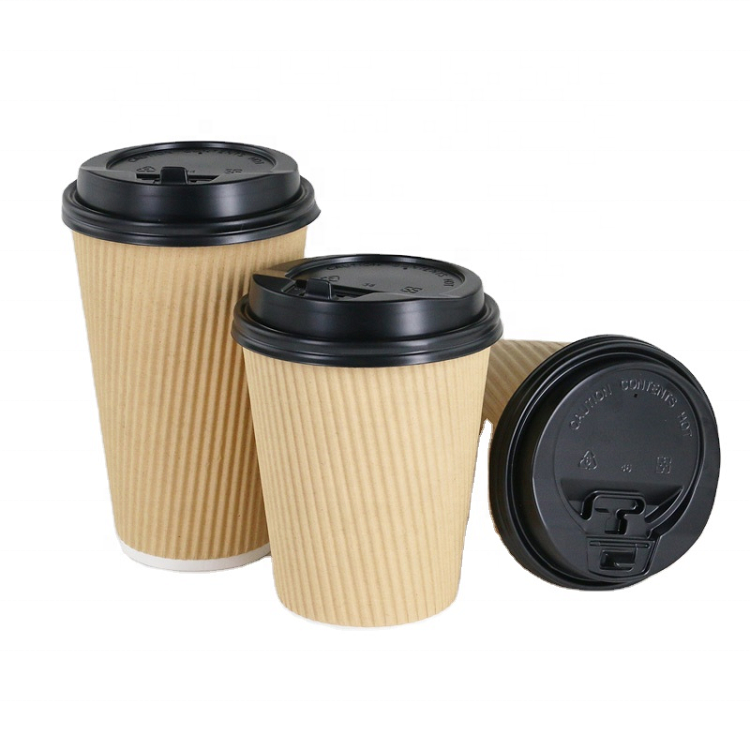
| Ripple Wall Paperboard | Up to 100°C | Hot Fill Safe | Triple-layer air insulation corrugated exterior, eliminates need for separate cup sleeves. | Gourmet coffee takeaway, hot tea, specialty espresso beverages. |
| PLA (Polylactic Acid) | -20°C to +45°C | Cold Use Only | 100% Plant-based resin certified under BPI and EN 13432 for industrial composting. | Eco-conscious cold drink programs, organic juice bars, green retail chains. |
3. Product Future Procurement & Sourcing Trends (2025–2030)
The global food packaging market is undergoing a structural transition driven by strict environmental mandates, regional expanded polystyrene (EPS) foam bans, single-use plastic taxes, and the rapid growth of last-mile delivery services. Corporate buyers must realign their procurement strategies with four key industry vectors:
A. Rapid Adoption of Mineral-Filled Polypropylene (MFPP) Clamshells
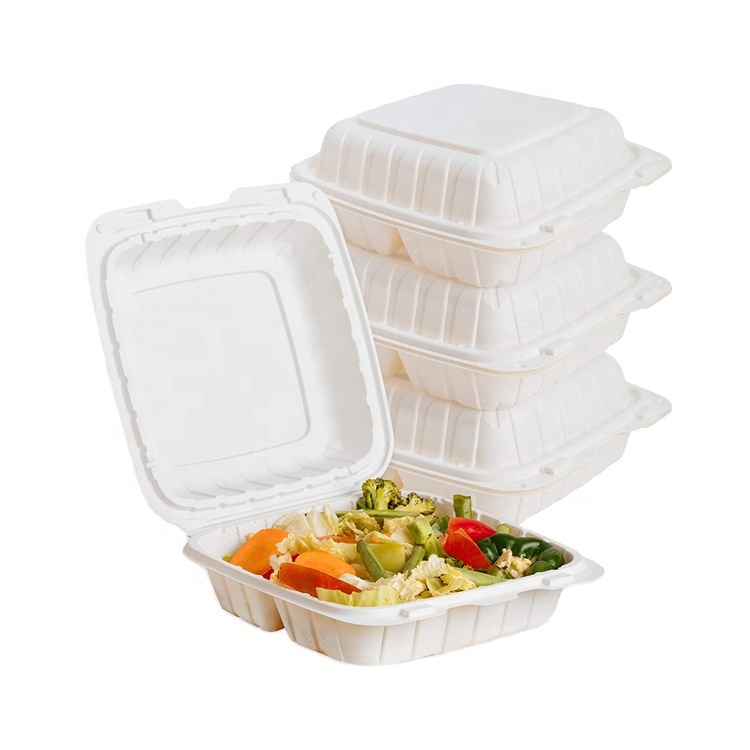
As governments across North America, Europe, and Asia-Pacific enact complete bans on expanded polystyrene (EPS) foam containers, MFPP (Mineral-Filled Polypropylene) has emerged as the premier replacement technology. By blending food-grade polypropylene with up to 50% natural calcium carbonate (CaCO3) minerals, MFPP drastically reduces virgin plastic consumption while increasing structural stiffness. These containers provide superior heat retention, remain cool to the touch, withstand heavy microwave heating without warping, and lower carbon footprints across the supply chain.
B. High-Performance Anti-Fog Lid Engineering for Hot Delivery
With third-party delivery services (such as UberEats, DoorDash, and Deliveroo) becoming permanent revenue channels for restaurants, consumer expectations for food appearance have risen sharply. Traditional lids suffer from internal steam condensation, obscuring the food and weakening lid seal tension. Modern takeaway packaging now incorporates food-safe anti-fog surfactant coatings into transparent PP and PET lid extrusion processes. This ensures crystal-clear visual clarity during transit and maintains seal integrity against grease migration.
C. Transition to Circular Material Streams & Aqueous Coating Systems
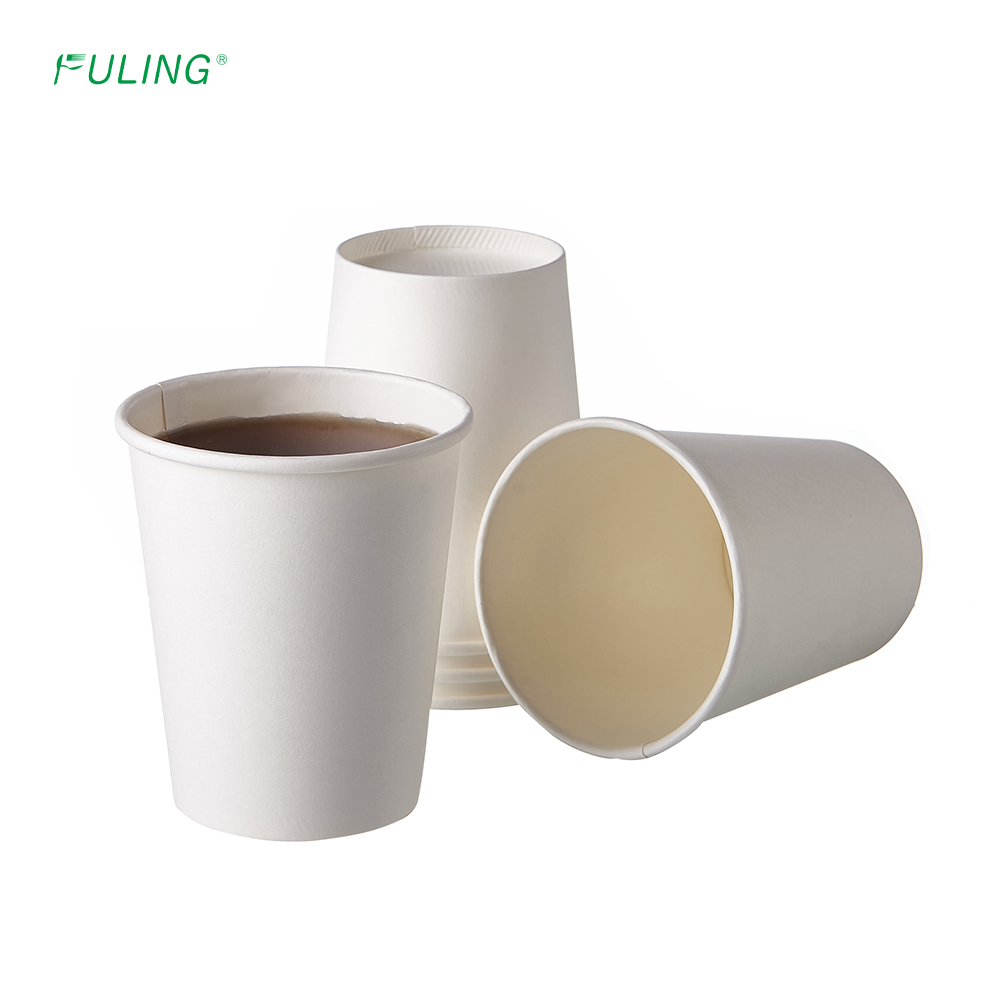
Paper cup manufacturing is rapidly shifting away from traditional Polyethylene (PE) inner linings toward next-generation aqueous barrier coatings and FSC-certified paperboard. Aqueous linings disperse water-based polymer coatings onto paperboard, rendering the resulting cup recyclable in standard repulping streams without requiring specialized PE separation machinery. Additionally, the integration of post-consumer recycled rPET into clear cold drink cup lines allows international distributors to meet mandatory recycled content thresholds imposed by legislative bodies in the EU and UK.
D. Supply Chain Consolidation & Multi-SKU Mixed Loading
To hedge against volatile ocean freight rates and minimize inventory holding costs, major food service buyers are abandoning fragmented sourcing models. Instead of managing separate contracts for paper cups, plastic cutlery, deli tubs, and hinged clamshells, purchasing managers are consolidating orders with direct China manufacturers capable of shipping mixed-SKU containers. Mixed loading reduces total inventory safety stock, streamlines customs clearance, and ensures consistent design aesthetics across all takeaway packaging items.
4. Engineering & Development Trends in To-Go Packaging
The design philosophy of modern packaging focuses on structural mechanics, raw material efficiency, and consumer convenience. Key technical advances shaping our current product portfolio include:
Perimeter Double-Snap Latching Systems
Traditional clamshell containers rely on basic single-point friction latches that frequently open during courier handling. Our next-generation MFPP clamshells feature continuous dual perimeter lock grooves with tactile snap feedback. This design resists lateral compression forces inside delivery bags, preventing accidental spills of gravy, oils, or sauces.
Acoustic & Ultrasonic Paper Cup Seaming
Our high-speed paper cup forming equipment uses advanced ultrasonic side-seal technology instead of conventional heat sealing. Ultrasonic welding delivers leakproof side seams on heavy-duty double wall and ripple wall cups, eliminating hot spots and pinhole leaks along bottom rim borders.