Featured Commercial Food Packaging Lines
Explore our factory-direct wholesale products engineered for structural integrity, microwave safety, high clarity, and food-contact compliance.


Strategic Sourcing Guide: Material Engineering & Polymer Dynamics
An In-Depth Industrial Analysis for Foodservice Importers, Procurement Directors, and Private-Label Distributors.
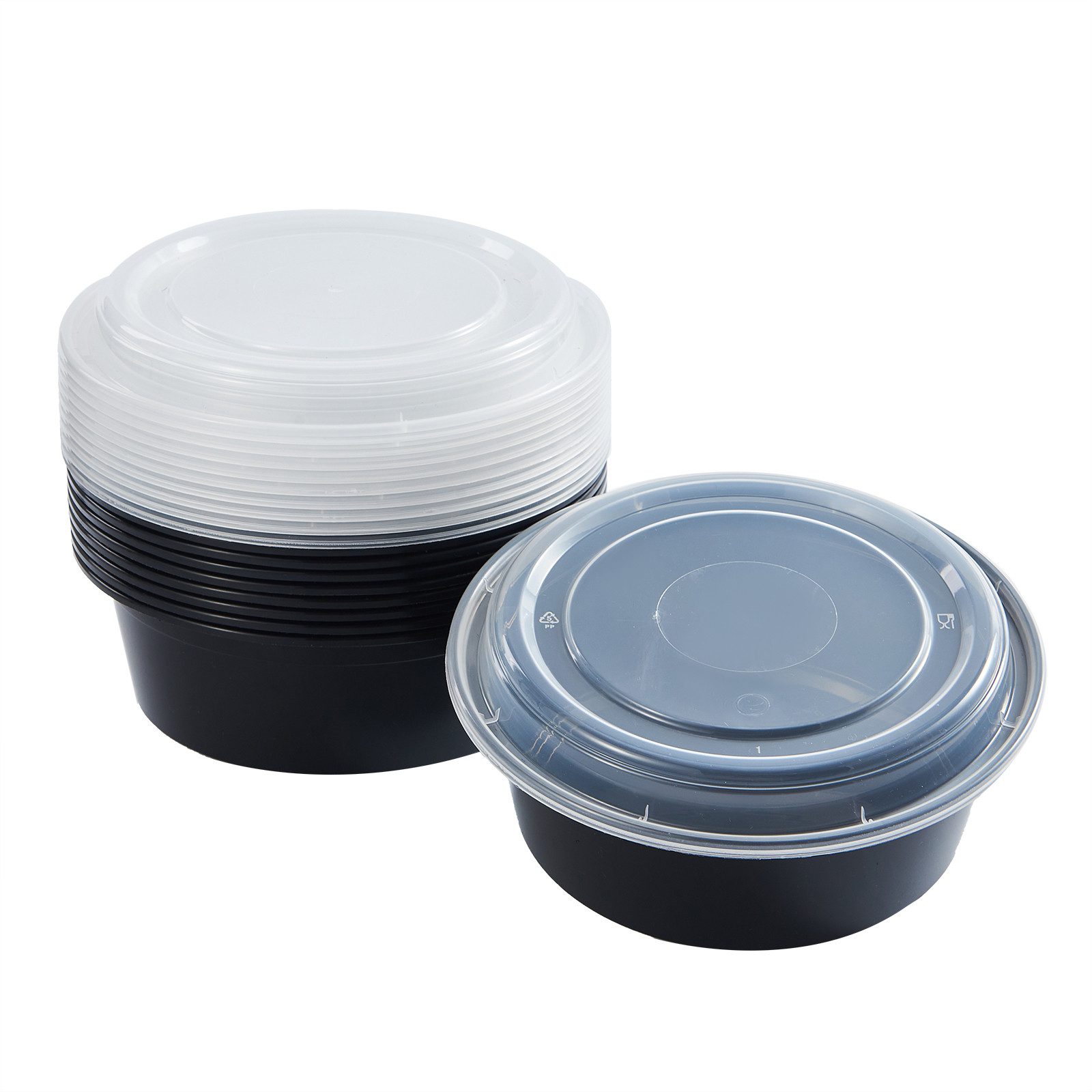
The global takeaway and ready-to-eat (RTE) meal prep industry has transitioned from a basic packaging model toward highly technical, material-driven packaging engineering. Modern commercial kitchens, ghost kitchens, meal subscription brands, and institutional caterers require high-precision, microwavable, leak-proof, and stackable disposable meal prep containers that survive complex supply chains. Sourcing directly from an established China wholesale disposable meal prep containers factory & supplier provides overseas importers with unmatched economies of scale, customized mold manufacturing, and material versatility.
To establish competitive advantage in B2B procurement, buyers must understand the mechanical and thermal properties of modern food packaging polymers. Selecting the right substrate directly impacts structural stacking performance, seal retention during transit, anti-fog aesthetic clarity, and environmental regulatory compliance.
| Substrate Material | Thermal Operating Range | Microwave & Freezer Safe | Flexural Modulus / Rigidity | Environmental / Recycling Profile |
|---|---|---|---|---|
| Virgin PP (Polypropylene) | -20°C to +120°C | Yes (Excellent) | High (Durable, Crack-Resistant) | 100% Recyclable (Resin Code #5) |
| MFPP (Mineral-Filled PP) | -10°C to +130°C | Yes (Superior Heat Stability) | Ultra-Rigid (Reinforced Calcium Carbonate) | 50% Reduced Virgin Plastic Content |
| PET (Polyethylene Terephthalate) | -40°C to +65°C | No (Cold Fill Only) | Glass-like Clarity & Rigidity | Widely Recyclable (Resin Code #1) |
| Sugarcane Bagasse Fiber | -18°C to +100°C | Yes (Moderate Heat Duration) | Fiber Matrix (Puncture Tolerant) | 100% Biodegradable & BPI Compostable |
Procurement Insight: Why Mineral-Filled Polypropylene (MFPP) is Dominating Institutional B2B Demand
MFPP blends food-grade polypropylene resin with naturally occurring minerals (such as calcium carbonate). This composite formulation increases structural stiffness, dramatically reduces thermoforming shrinkage, and cuts virgin resin consumption by up to 50%. The resulting container exhibits superior thermal insulation over traditional clear PP, rendering it the ideal foam replacement substrate in jurisdictions mandating Expanded Polystyrene (EPS) phase-outs.
Polymer Selection Factors for Commercial Cold-Chain & Reheating Applications
When engineering high-volume meal prep containers, factory mold design must account for polymer shrinkage rate and thermal expansion coefficient. Virgin homopolymer polypropylene exhibits excellent tensile strength but can become brittle at sub-zero freezing temperatures. To overcome this limitation, our advanced extrusion lines utilize custom block-copolymer PP formulations blended with impact modifiers. This engineered blend enables containers to endure blast freezing down to -20°C without cracking upon dropping, while retaining structural rigidity during hot-fill or microwave heating up to +120°C.
Engineering Innovations in Container Design & Anti-Fog Latching
1. Dual-Perimeter Snap Lock Systems
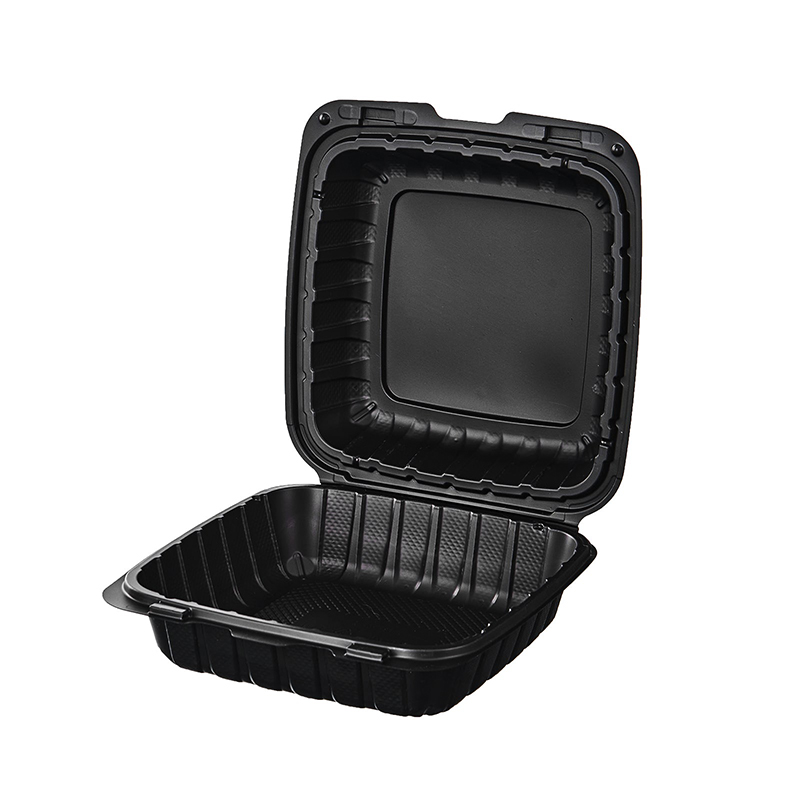
The primary point of failure in meal prep logistics is lid displacement causing liquid leakage during last-mile bicycle or vehicle delivery. Our engineered food containers feature precision male-female dual perimeter latches. During the thermoforming molding process, wall tolerances are held within ±0.02mm to create an acoustic "click-lock" seal that prevents liquid migration across internal compartments even when tilted at 45-degree angles.
2. Anti-Fog Additive Chemistry
Condensation fogging destroys merchandising appeal when hot food is placed into cold display cases. Our lid manufacturing process incorporates food-contact approved hydrophilic surfactants directly into the PET and PP sheet extrusion layer. This lowers the contact angle of water droplets, forcing steam to condense into an invisible ultra-thin water layer, maintaining 100% optical clarity for retail food displays.
3. Structural Stacking Ribs & Load Distribution
Institutional food distributors stack packed food containers up to 8 units high in thermal delivery bags. Without reinforced geometry, bottom containers collapse. Our factory molds integrate vertical corner pillars, perimeter step-ribs, and recessed lid wells. This mechanical design distributes vertical load weights up to 45kg across the perimeter frame rather than the lid center, ensuring structural stability throughout delivery routes.
Global Sourcing Trends & Future Outlook (2025–2030)
The disposable meal container landscape is undergoing major regulatory shifts, raw material fluctuations, and consumer behavior changes. Overseas procurement teams who align with forward-thinking Chinese suppliers gain a structural cost and compliance advantage.
Transition to Monomaterial Systems
Recycling facilities struggle with multi-material packaging (e.g., paper containers with PE linings or PET lids on PS bases). Global markets are moving toward 100% monomaterial packaging lines—specifically PP container bases paired with high-clarity PP anti-fog lids—to facilitate single-stream recycling without requiring manual separation.
Ultra-Thinning & Lightweight Engineering
Driven by rising ocean freight tariffs and European plastic packaging taxes, factory R&D is focused on lightweighting container walls without sacrificing column strength. Utilizing multi-layer co-extrusion and high-cavity precision molds, container weight is reduced by 12-18%, yielding significant freight savings per 40HQ container.
Furthermore, automated robotic packing systems at our manufacturing base ensure high hygienic production standards, minimizing human handling and meeting strict BRCGS hygiene guidelines. Importers can leverage these automated capabilities to procure private-label packaging that meets rigorous retail audit criteria in North America, Western Europe, and Australia.
Why Partner With Our Factory: Enterprise Manufacturing Strengths
Streamline your supply chain with a factory-direct partner providing full-scale manufacturing, custom tooling design, and global trade compliance.
Custom Tooling & Rapid Prototyping
In-house CNC mold production center capable of delivering 3D design proofs in 48 hours and completed steel production molds in under 20 days for custom branded container geometries.
Stringent Quality Assurance (AQL 1.0)
Comprehensive in-line automated optical inspection (AOI) checking rim flatness, seal integrity, weight consistency, and anti-fog clarity on every manufacturing batch.
Consolidated Container Freight Solutions
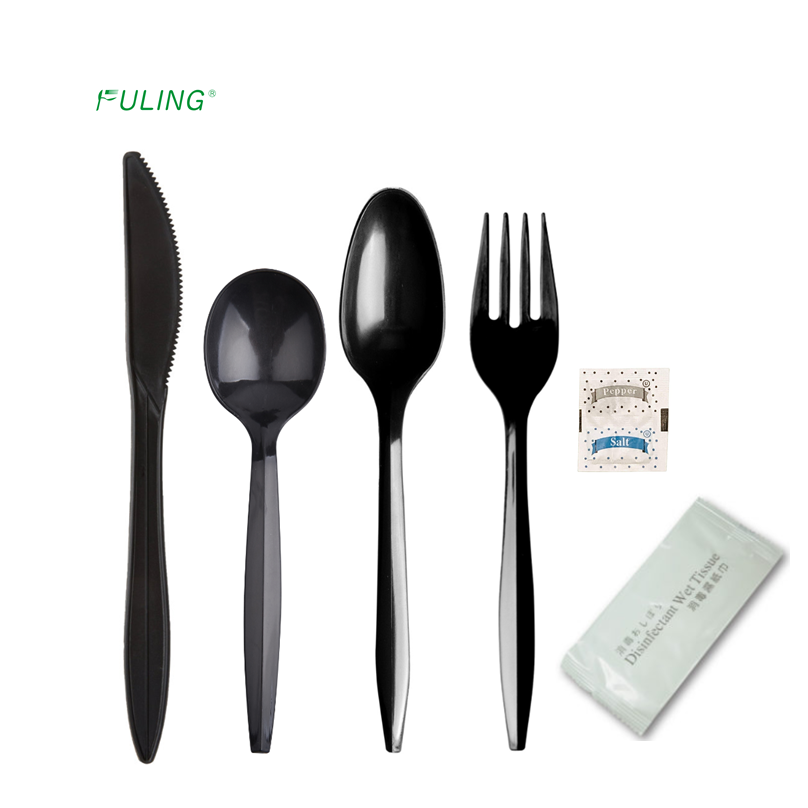
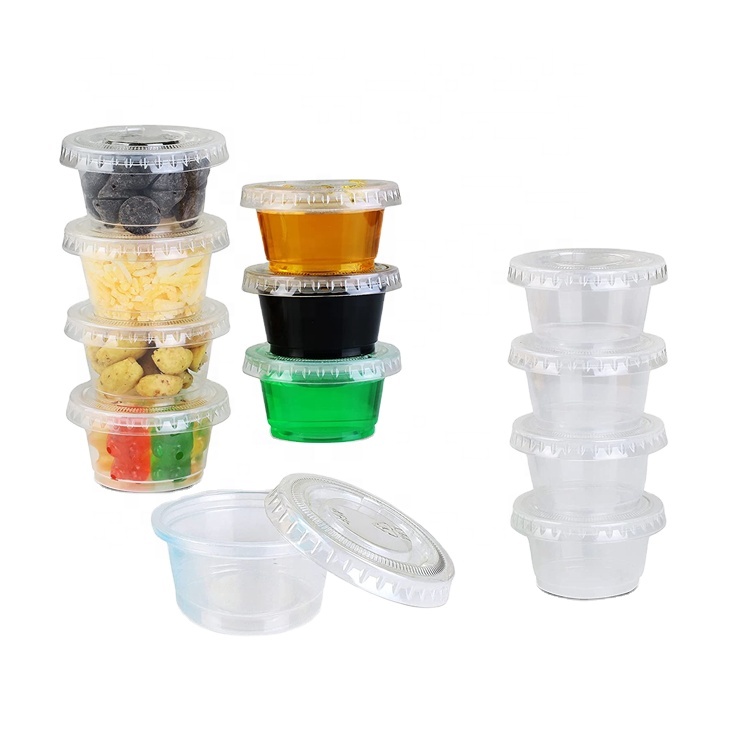
Maximize your inventory turnover by mixing multiple SKUs—meal prep containers, cutlery kits, portion cups, and paper drink packaging—within a single optimized 40HQ container shipment.
Frequently Asked Questions (FAQ) for B2B Importers
Clear, technical answers to common questions encountered during international procurement of disposable food packaging.