Wholesale Food Packaging Solutions
Direct factory supply of high-performance disposable food containers, drinkware, and sustainable tableware engineered for global foodservice standards.



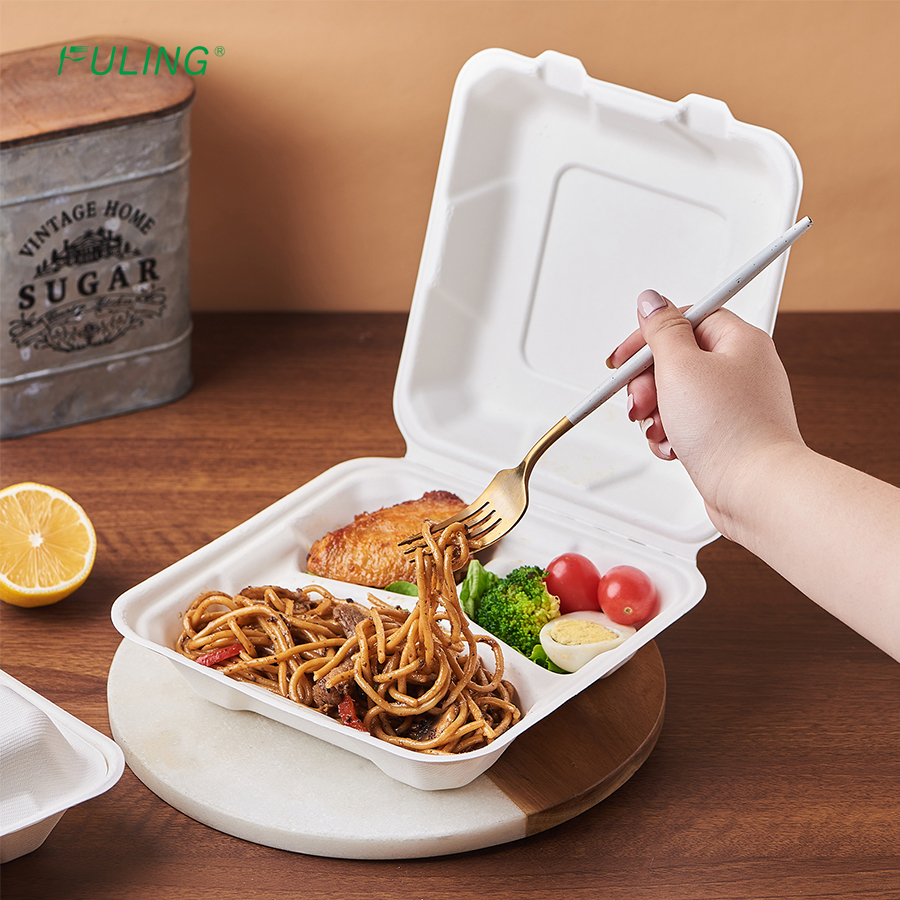
Comprehensive Enterprise Sourcing White Paper: China Wholesale Food Packaging Containers Export Dynamics
The global foodservice and packaging ecosystem is experiencing a structural paradigm shift driven by shifting environmental legislation, heightened food safety regulations, and volatile supply chain dynamics. As a leading China wholesale food packaging containers exporter, our operations sit at the intersection of material science engineering, mass-scale automated manufacturing, and international trade compliance. Navigating the modern B2B packaging landscape requires enterprise buyers—ranging from multi-national restaurant chains to regional cash-and-carry distributors—to evaluate suppliers not merely on unit cost, but on holistic supply chain resilience, polymer purity, structural container integrity, and total cost of ownership (TCO).
China's manufacturing infrastructure for disposable tableware and food containers remains the gold standard globally due to unmatched industrial clustering, deep raw resin supply chains, and advanced thermoforming and injection molding capabilities. However, strategic procurement teams must look deeper into exporter capabilities. Modern export management demands rigorous compliance with international food-contact standards, precise container loading metrics to optimize freight CBM efficiency, and dual-region manufacturing footprints (such as establishing manufacturing hubs in both China and Indonesia) to effectively hedge against geopolitical trade shifts and tariff structures.
Key Procurement Takeaway for B2B Importers
Evaluating food packaging exporters requires strict validation of resin lot traceability, lid-to-container perimeter seal tolerances (±0.05mm), and third-party laboratory migration testing under FDA 21 CFR 177.1520 and EU Regulation 10/2011.
Polymer Science & Material Specification Standards
Selecting the appropriate substrate for wholesale food packaging is critical to ensuring structural stability under varying thermodynamic conditions—ranging from deep freezing to high-wattage microwave re-heating. As a technical exporter, we engineer containers across five primary material classifications:
| Material Code | Thermal Range | Clarity / Optics | Barrier Properties | Primary Applications | End-of-Life / Eco-Status |
|---|---|---|---|---|---|
| Polypropylene (PP) | -20°C to 120°C | Translucent to Clear | High Moisture, Medium O2 | Microwavable Meal Prep, Hot Soups, Boba Cups | 100% Recyclable (#5) |
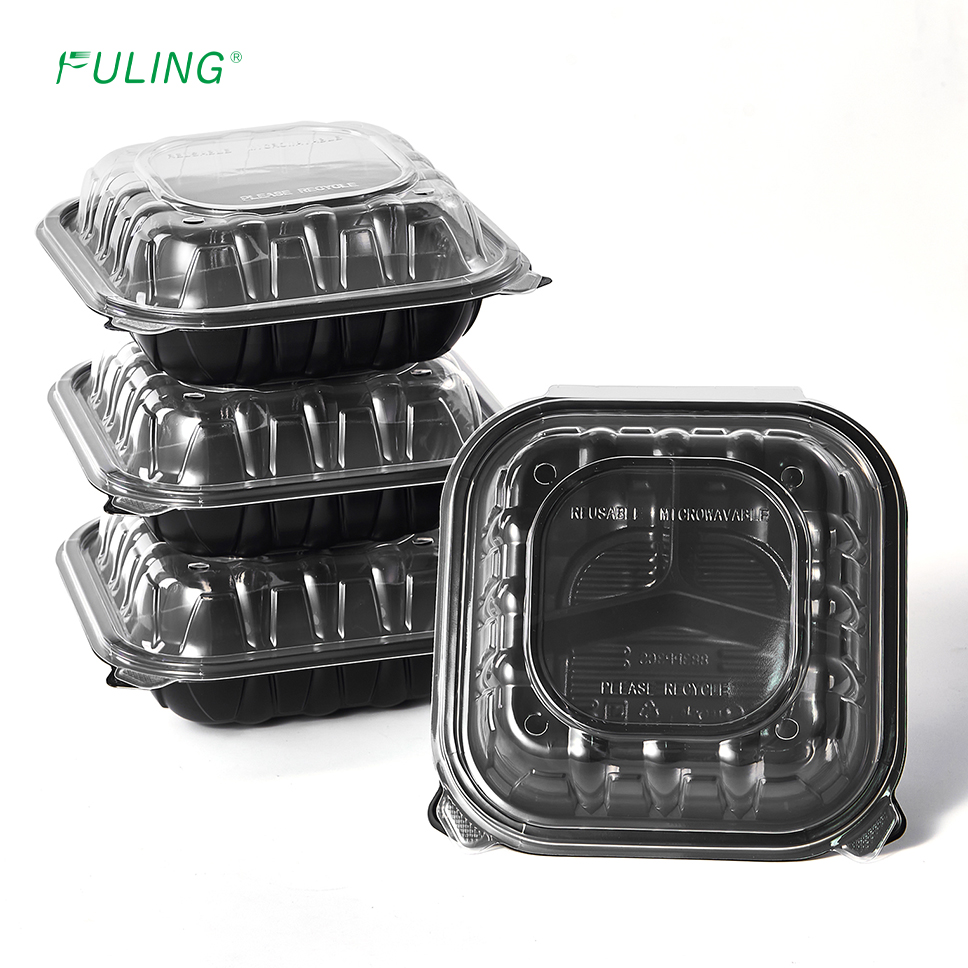
| Mineral-Filled PP (MFPP) | -10°C to 130°C | Opaque (Natural/Black) | High Rigid Structural Strength | Hinged Clamshells, Takeout Containers | Reduced Plastic Usage (40%+ Natural Minerals) |
| Polyethylene Terephthalate (PET) | -40°C to 65°C | Crystal Clear (>92% Light Transmitting) | High Gas & Aroma Barrier | Cold Beverages, Salad Bowls, Ice Cream Tops | 100% Recyclable (#1) / rPET Options |
| Sugarcane Bagasse | -18°C to 100°C | Opaque Fibrous Matte | Oil & Water Resistant Coating Required | Compostable Plates, Clamshells, Bowls | ASTM D6400 / EN 13432 Industrial Compostable |
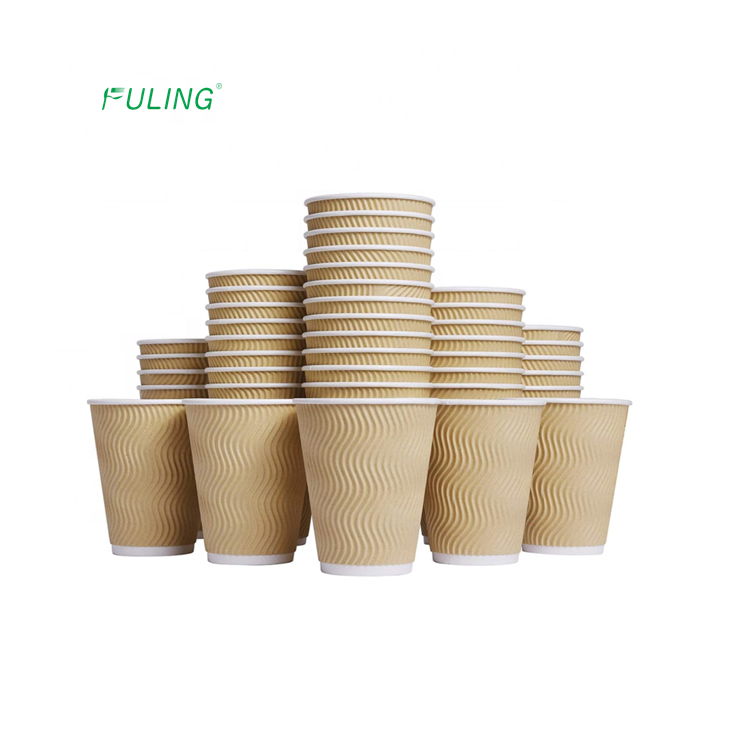
| Ripple / Double Wall Paperboard | Up to 100°C | Custom High-Definition Printed | Thermal Air-Gap Insulation | To-Go Hot Coffee, Specialty Teas, Soups | FSC Certified Board / PE or Aqueous Lined |
Enterprise Manufacturing & Export Capabilities
Why leading global distributors, cash-and-carry importers, and quick-service restaurant (QSR) chains partner with our exporting platform.
Dual-Base Global Production
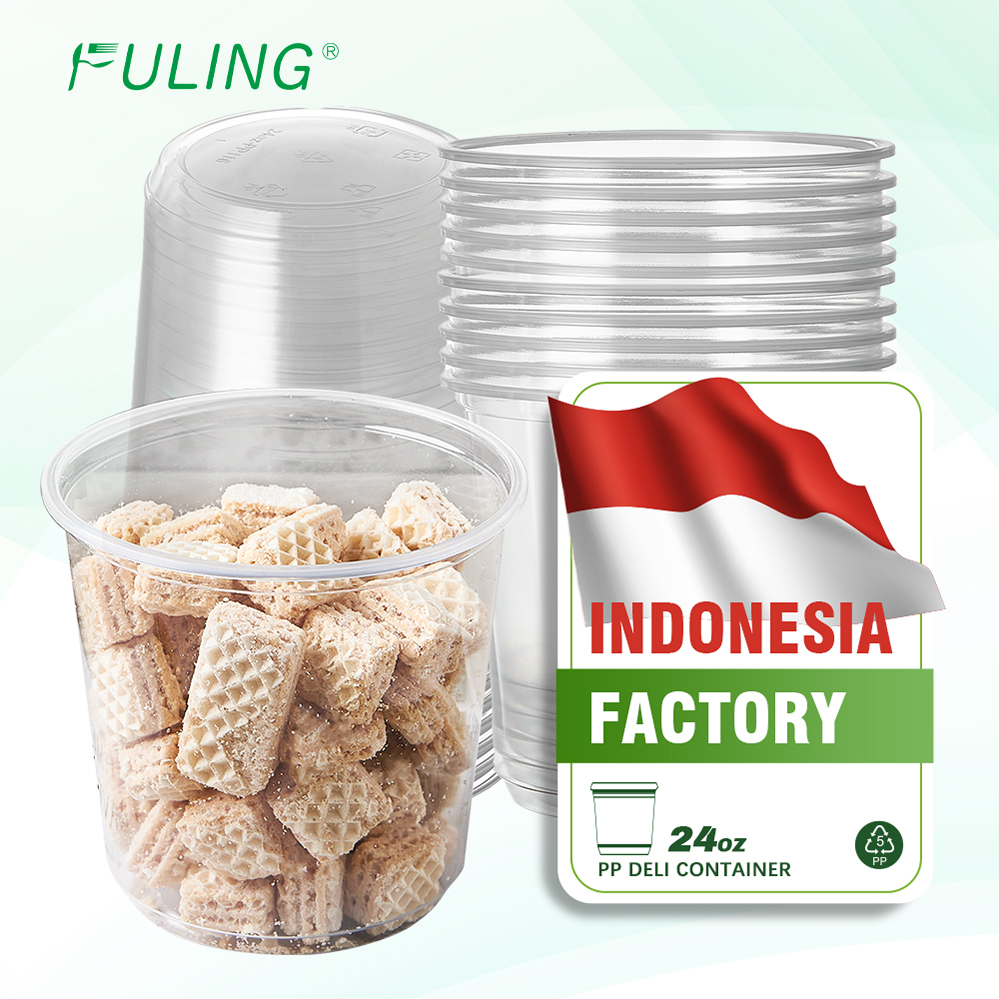
To mitigate tariff friction and ensure uninterrupted supply continuity, our manufacturing network spans primary state-of-the-art facilities in China alongside expanded international manufacturing plants in Indonesia. This geographical footprint grants global buyers strategic tariff-hedging choices and diversified logistical origin routes.
Food-Safety & Quality Assured
Quality assurance is embedded in our automated production. Utilizing 100% virgin, BPA-free resin inputs, our workshops operate under dust-free cleanroom environments. Products undergo rigorous in-line optical inspection for wall-thickness uniformity, stackability nesting tolerances, and leak-proof perimeter snap locks.
Full OEM/ODM Branding & Customization
From high-speed 6-color flexographic and offset cup printing to custom mold engineering, we support private-label commercial packaging programs. Our engineering team converts client CAD drawings into physical prototypes within 7 business days, facilitating rapid product development cycles.
Optimized Mixed-SKU Container Loading
Ocean freight optimization is key to profitability. Our specialized logistics division utilizes 3D container-loading software to calculate exact nested carton configurations. Importers can combine high-cube items (such as paper coffee cups) with dense, heavy items (such as PP cutlery kits or portion cups) in a single 40HQ container, lowering per-unit landed shipping costs.
International Compliance Portfolio
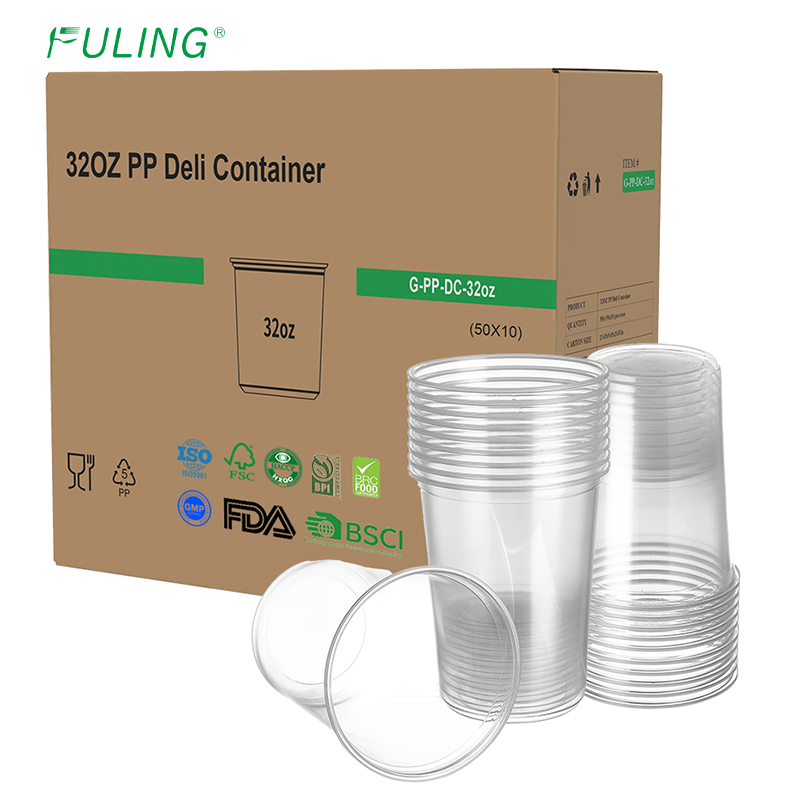
We eliminate customs clearance risk. Every exported shipment is accompanied by comprehensive documentation, including FDA 21 CFR compliance declarations, EU No 10/2011 migration reports, BRCGS packaging certification data, and FSC paper chain-of-custody documentation upon request.
Strategic Industry Trends & Future Sourcing Forecast (2025–2030)
The international food packaging export market is evolving rapidly under systemic economic and regulatory pressures. Corporate buyers seeking long-term competitiveness must align their procurement roadmaps with the following four mega-trends:
1. Transition to Mineral-Filled Polypropylene (MFPP) & Foam Elimination
With expanded polystyrene (EPS) foam bans fully enacted across North America, the European Union, and major Asian jurisdictions, MFPP (Mineral-Filled Polypropylene) hinged containers have emerged as the dominant structural replacement. By incorporating up to 40-50% natural micronized calcium carbonate minerals into the polymer matrix, MFPP drastically reduces total virgin plastic content while improving heat resistance and structural rim stiffness. This technology lowers environmental footprint without sacrificing liquid barrier performance.
2. PFAS-Free Mandates and Advanced Aqueous Paper Coatings
Global environmental authorities are enforcing stringent bans on Per- and Polyfluoroalkyl Substances (PFAS)—historically used for oil and water grease-proofing in molded fiber and paperboard packaging. The industry is rapidly transitioning toward 100% PFAS-free bagasse formulations and bio-based aqueous coatings for paper cups and salad bowls. Exporters equipped with advanced water-based dispersion coating lines offer buyers compliance readiness for EU and US state-level regulations.
3. High-Efficiency Stacking & Lightweight Polymer Engineering
Skyrocketing international warehousing and ocean freight rates have elevated "packaging density" to a critical procurement KPI. Advanced injection molding machinery now utilizes ultra-high MFI (Melt Flow Index) resins coupled with high-speed in-mold robotics to produce ultra-thin-walled yet rib-reinforced containers. Nestable containers designed with precise anti-jamming step ridges allow maximum piece counts per carton and higher carton yield per ocean shipping container.
4. Closed-Loop Monomaterial Recyclability & rPET Integration
Circular economy legislation is shifting preference toward monomaterial packaging architectures—where the container base, lid, and sealing films belong to the exact same polymer family (e.g., all-PP deli sets or all-PET cold drink combinations). Matching materials simplifies post-consumer sorting and recycling processes. Furthermore, the integration of food-grade recycled PET (rPET) at levels between 25% and 100% is becoming standard for European and North American importers striving to meet corporate ESG targets.
Frequently Asked Questions (FAQ) for Global Buyers
Technical, logistical, and commercial inquiries answered by our export division team.