High-Demand Fresh Fruit & Foodservice Containers
Engineered for maximum clarity, leakproof security, and prolonged shelf-life. Fully customizable for international B2B importers.
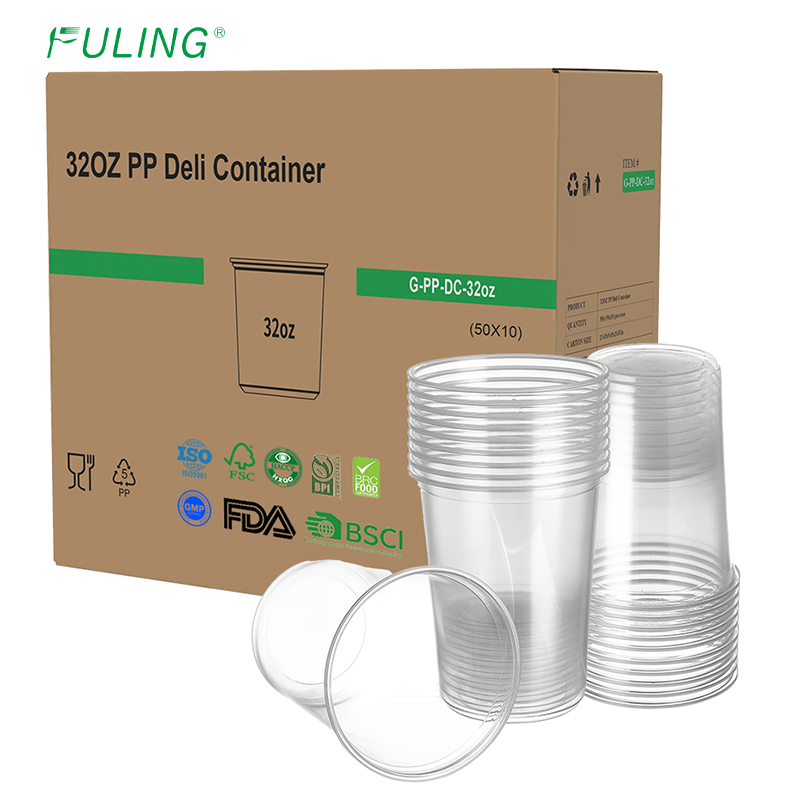


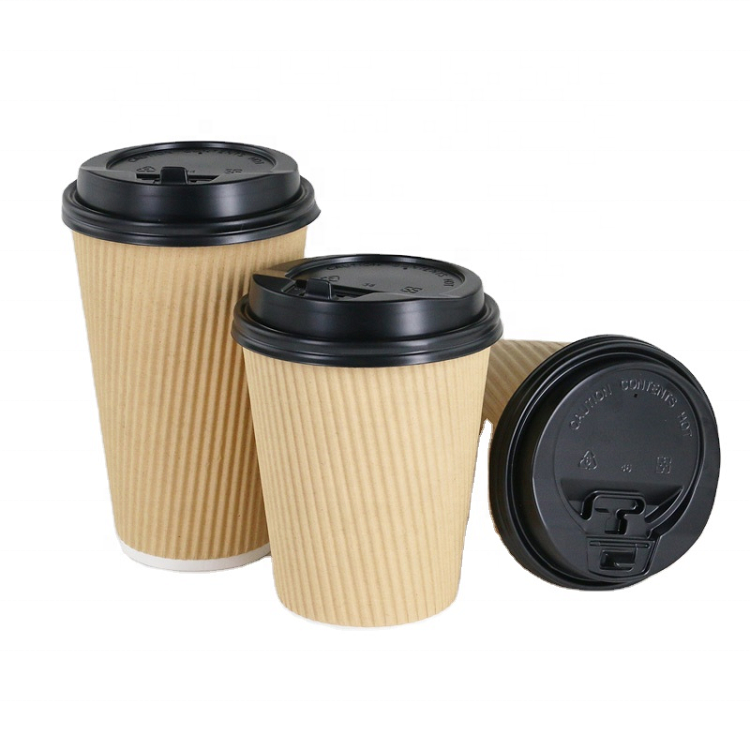
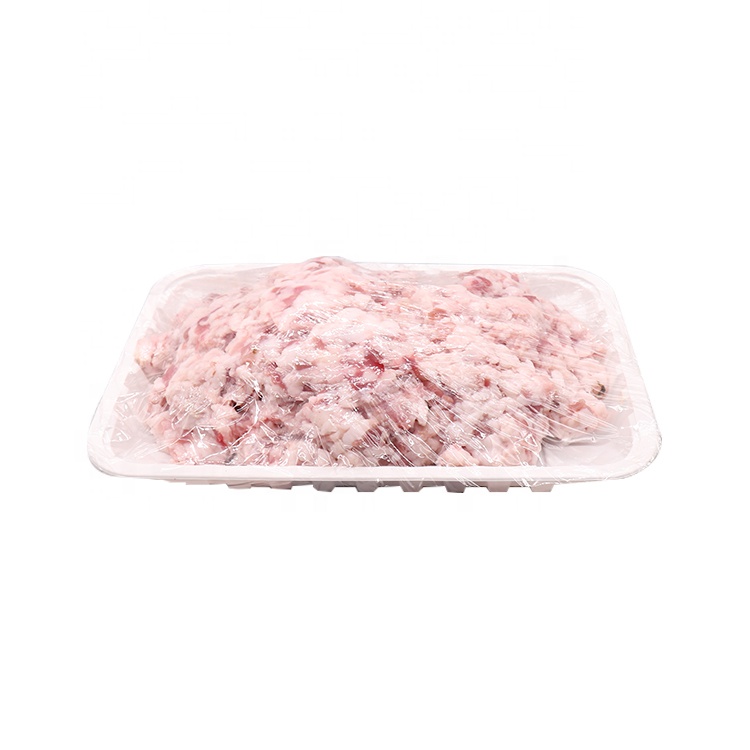


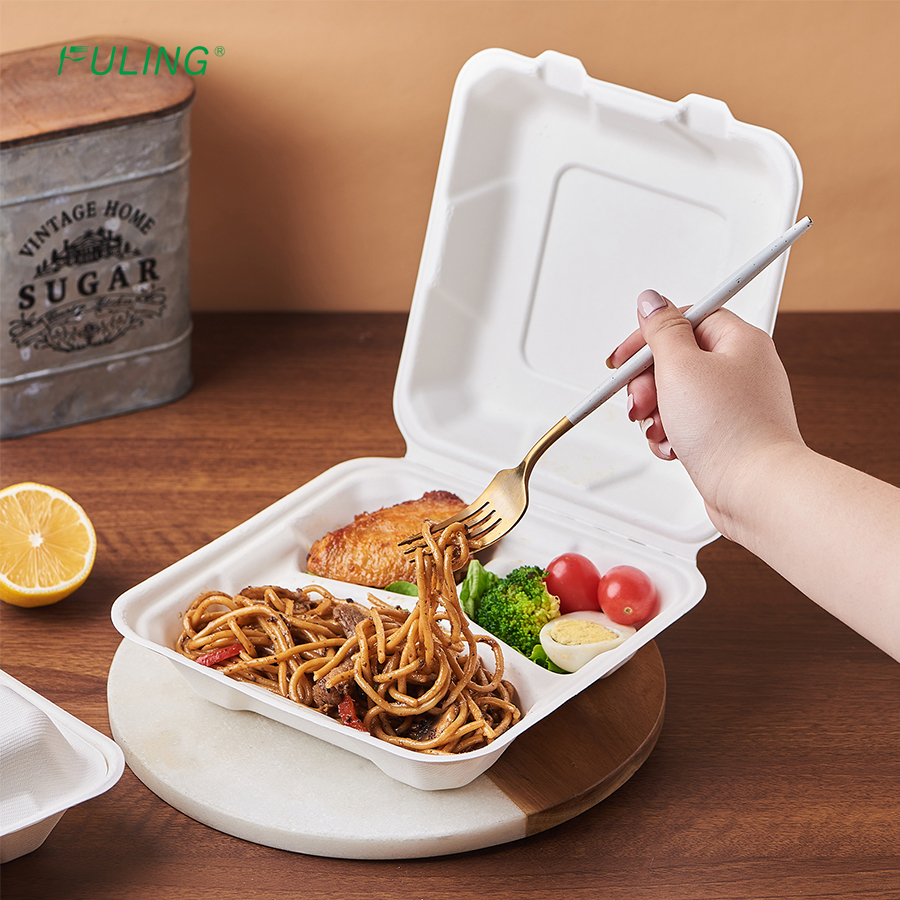
Fresh Produce Packaging Engineering: Preserving Quality in Cold Chains
An in-depth analysis of polymer selection, gas permeability management, and anti-fog mechanics for bulk commercial importers and food processors.
In the high-stakes global fresh-cut produce market, packaging is no longer merely a passive vessel; it is an active mechanical component engineered to extend shelf-life, prevent enzymatic oxidation, and maintain consumer visual appeal at point-of-sale. As a leading China Wholesale Fruit Salad Containers Manufacturer & Exporters, our manufacturing methodology addresses the physiological challenges of fresh-cut fruits—such as melons, pineberries, apples, citrus, and grapes—which continue cellular respiration post-packaging.
When fresh fruit is sliced, its tissue cells rupture, releasing intracellular fluids and dramatically increasing its respiration rate. This metabolic process consumes oxygen ($O_2$) and produces carbon dioxide ($CO_2$), water vapor, and ethylene gas. If enclosed in non-engineered, poor-barrier, or non-vented packaging, the internal atmosphere rapidly shifts toward anoxic conditions, causing anaerobic fermentation, off-odors, softening of fruit texture, and rapid mold growth. Therefore, procurement executives must look beyond basic container dimensions and analyze polymer composition, thermal molding precision, and lid sealing mechanics.
1. Material Science Matrix for Fresh Fruit Packaging
Selecting the optimal raw material requires balancing glass-like optical clarity, mechanical impact resistance during refrigerated transport, thermal tolerance, and regional environmental legislation (such as single-use plastic bans or post-consumer recycled content mandates).
| Polymer / Material | Optical Clarity | Temperature Range | Gas Permeability ($O_2$ / $CO_2$) | Anti-Fog Compatibility | Eco-Compliance Level | Relative Unit Cost |
|---|---|---|---|---|---|---|
| Virgin PET (APET) | 92% Glass-Like | -40°C to 60°C | Low Barrier (Controlled) | Excellent (Coated / Internal) | Recyclable Resin #1 | Baseline (Standard) |
| rPET (30%-100% PCR) | 88%-90% High | -40°C to 60°C | Low Barrier | Excellent | EU Circular Preferred | +5% to +12% |
| PP (Clarified Injection) | Translucent (75%) | -20°C to 120°C | Moderate Barrier | Moderate | Recyclable Resin #5 | -10% (Cost Savings) |
| PLA (Polylactic Acid) | 90% Crystal | -20°C to 45°C | High Permeability | Fair | Compostable EN 13432 | +25% to +40% |
| Sugarcane Bagasse | Opaque (Natural) | -25°C to 200°C | Porous (Needs Liner) | N/A | 100% Home Compostable | +15% to +30% |
"The commercial success of fresh-cut fruit packaging relies heavily on maintaining a Modified Atmosphere Packaging (MAP) state without inducing anaerobic respiration. High-clarity APET and rPET remain the industry benchmark for retail display, while sugarcane bagasse leads sustainable catering initiatives."
2. Anti-Fog Coating Mechanics and Visual Merchandising
A primary cause of retail markdowns in cold displays is internal condensation. When fresh fruit with high water content is chilled in cold display cases (2°C to 5°C), moisture evaporates from the fruit and condenses onto the cooler interior surface of the lid, forming micro-droplets. These droplets scatter light, obscuring the product and creating a perception of staleness.
Our thermoforming processes integrate specialized food-grade anti-fog agents—either via surface-sprayed food-grade surfactants or resin-compounded additives. This technology reduces the surface tension of water condensed on the plastic, forcing droplets to spread into an ultra-thin, continuous, invisible film of transparent water. This ensures pristine, crystal-clear visibility, driving impulse purchases in supermarket refrigerated sections.
Hermetic Leakproof Latching
Engineered perimeter ribbing and precision perimeter snap-locks eliminate juice leakage during courier handling, meal delivery, and stacking.
Gram-Weight Optimization
Advanced multi-station thermoforming allows finite-element structural rib distribution, increasing crush strength while minimizing resin consumption.
Tamper-Evident Security
Integrated tear-strip safety hinges ensure consumer confidence for grab-and-go retail, proving the container has remained un-opened post-packing.
Future Procurement Trends in Fresh Fruit Packaging (2025–2030)
Anticipating international regulatory changes, raw material price shifts, and sustainable supply chain dynamics.
1. Regulatory Compliance and the Post-Consumer Recyclate (PCR) Mandate
Governments across North America, Europe, and Asia-Pacific are enforcing stricter plastic reduction mandates, landfill diversion goals, and Extended Producer Responsibility (EPR) regulations. The European Union’s Packaging and Packaging Waste Regulation (PPWR) and various US state laws (e.g., California SB 54) mandate minimum thresholds for Post-Consumer Recycled (PCR) content in single-use plastic packaging.
For international buyers, sourcing fruit salad containers from a factory equipped with food-contact compliant rPET decontamination technology is critical. Our manufacturing plant utilizes EFSA and US FDA-cleared super-cleaning recycling processes that convert post-consumer bottle flakes back into food-contact safe APET/rPET sheet layers. This ensures our wholesale partners avoid punitive plastic taxes while meeting corporate sustainability benchmarks.
2. Transition toward Mono-Material Packaging Designs
Historically, fruit salad containers used a combination of different resins—for example, a PET body with a PVC or PS lid—making recycling sorting difficult. The modern global procurement standard demands 100% mono-material packaging sets. Matching a clear PET bowl with a clear PET lid allows the entire unit to enter the recycling stream without mechanical separation, dramatically improving recycling yields and compliance credentials.
3. Logistics Optimization: Freight Density & High-Nesting Ratios
With global ocean freight rates experiencing volatility, shipping empty space is unacceptable for high-volume packaging importers. Future container engineering prioritizes geometric nesting precision. Our custom-designed fruit salad bowls and deli tubs feature steep side-wall draft angles and anti-jam stacking shoulders. This allows up to 30% more units per master carton and maximizes 40ft HQ container loading capacities, directly reducing freight cost per unit.
Factory Direct Manufacturing Strength & B2B Exporter Advantages
Combining decades of precision polymer processing with certified global export compliance.
Massive Scale & Multi-Workshop Facilities
Operating specialized production lines for injection molding, thermoforming, paper cup forming, and sugarcane bagasse molding. High daily capacity guarantees stable supply during peak agricultural harvest seasons.
Rigorous International Food-Contact Compliance
Products tested against US FDA 21 CFR 177.1630, EU Regulation 10/2011, and LFGB standards. Comprehensive heavy metal, overall migration, and specific migration reports supplied with orders.
Full OEM/ODM In-House Tooling & Custom Embossing
In-house mold design and tooling CNC machinery. We offer fast-track pre-production 3D sampling, custom brand logo embossing, and tailor-made compartmental geometries.
Consolidated Freight & Flexible Order Packing
Support mixed-SKU container loading (e.g., combining deli containers, milk tea cups, bagasse plates, and cutlery kits in one 40HQ container) to optimize stock holding for importers.
B2B Procurement & Sourcing FAQ
Addressing key technical, compliance, and logistics questions for wholesale fruit packaging buyers.
Request Factory-Direct Quotation & Custom Samples
Elevate your fresh produce packaging portfolio with certified, high-clarity fruit containers. Connect directly with our engineering team for instant pricing, mold specifications, and free sample kits.