High-Demand Wholesale Rigid & Flexible Food Packaging
Explore our primary manufacturing series engineered for commercial foodservice, meal prep platforms, and international retail chains.
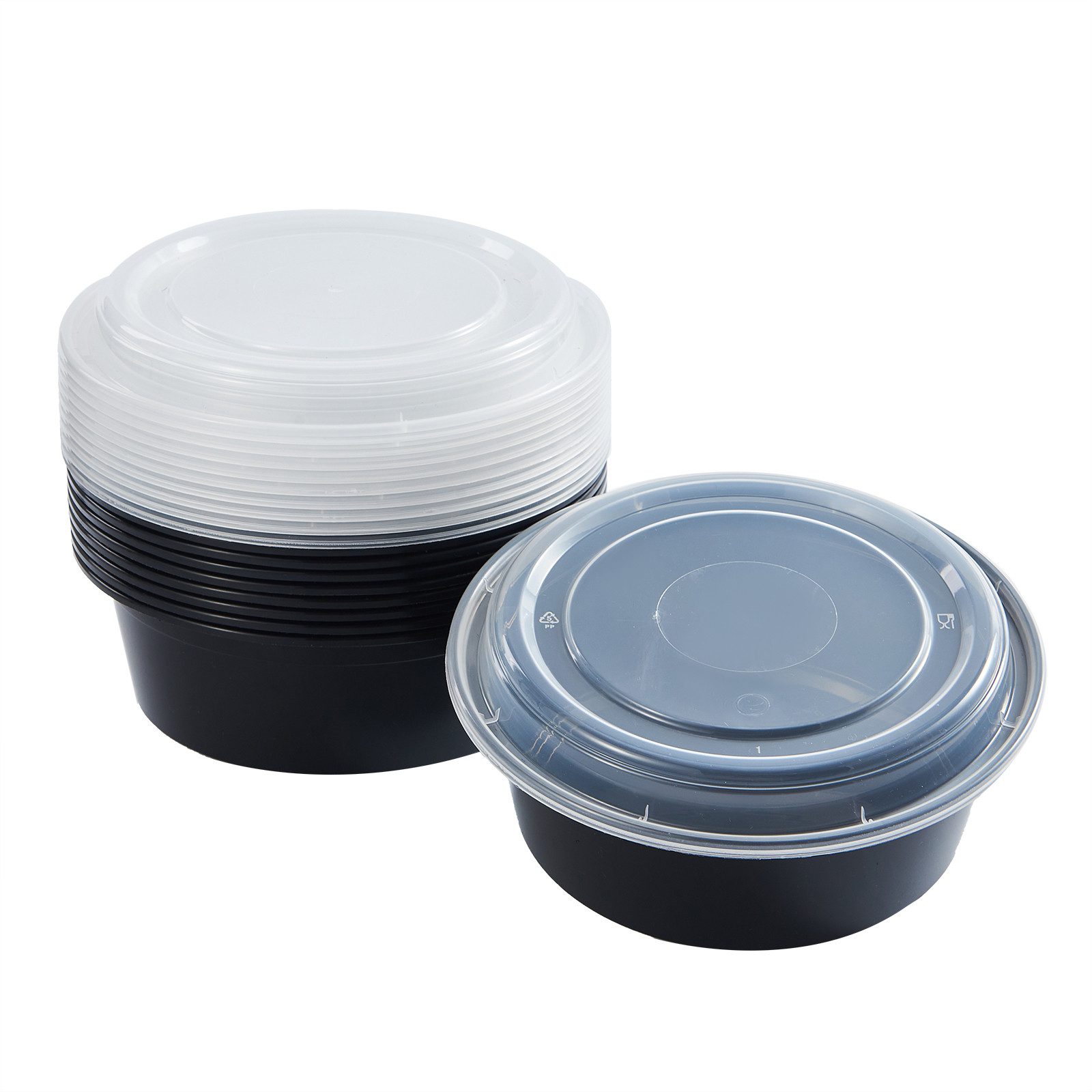

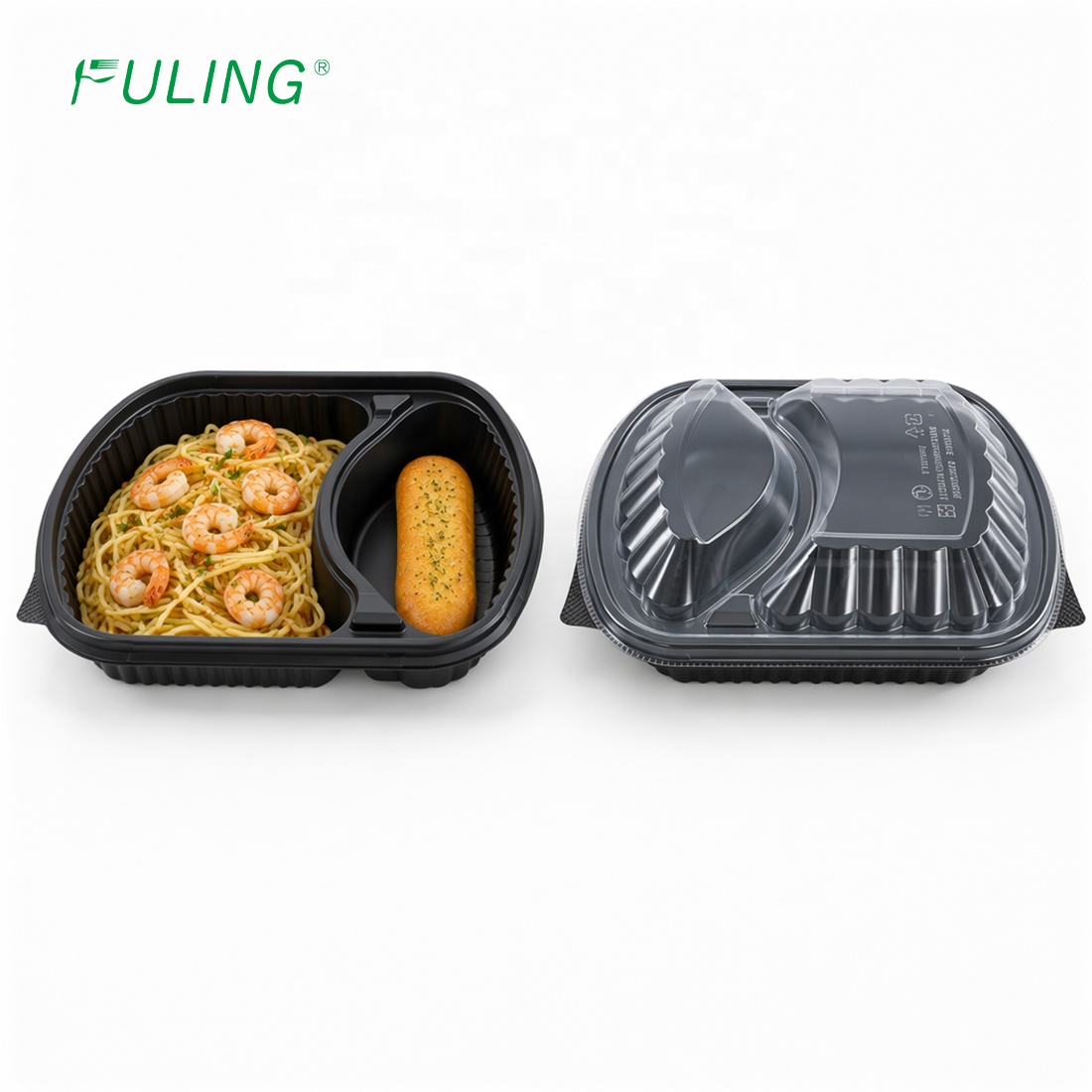
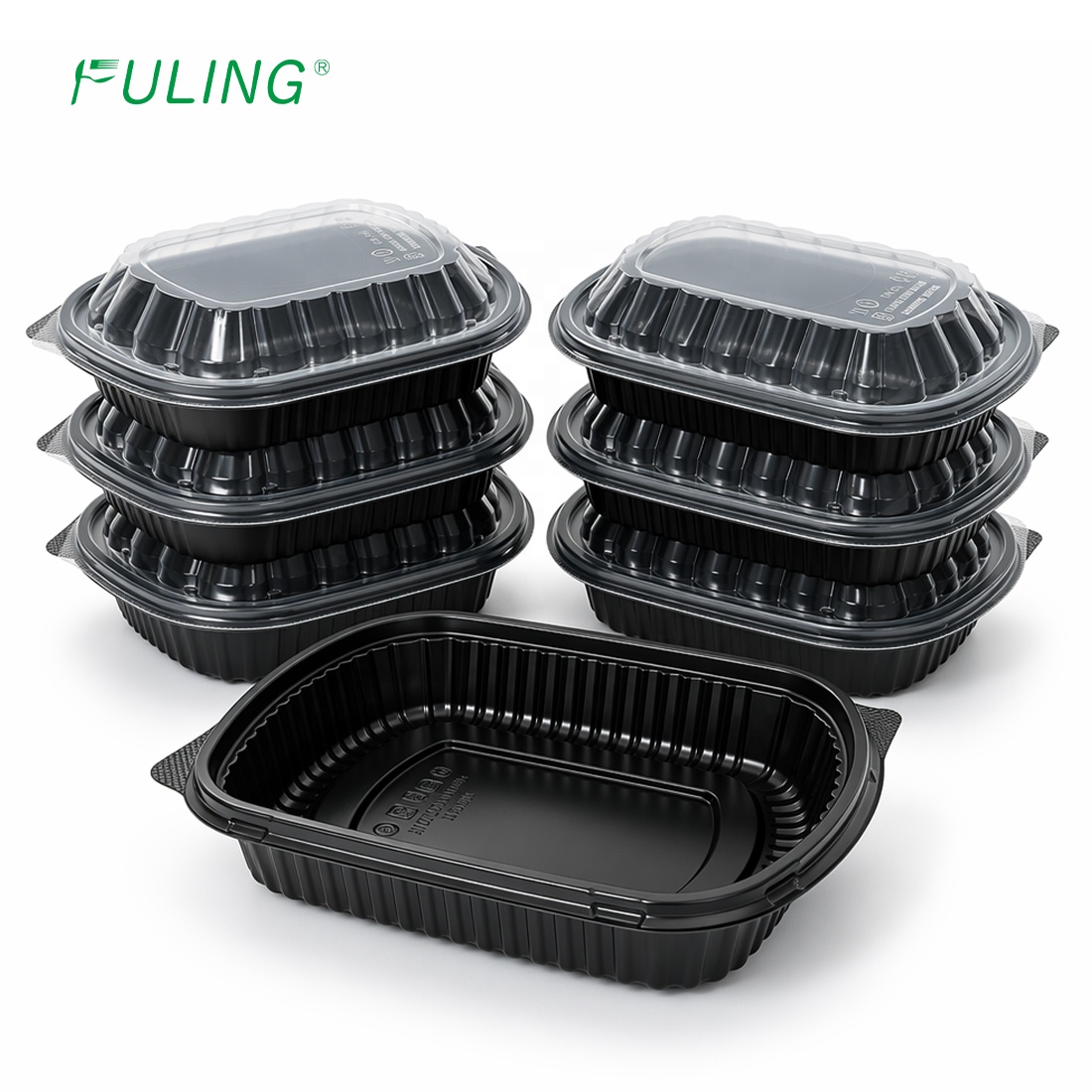
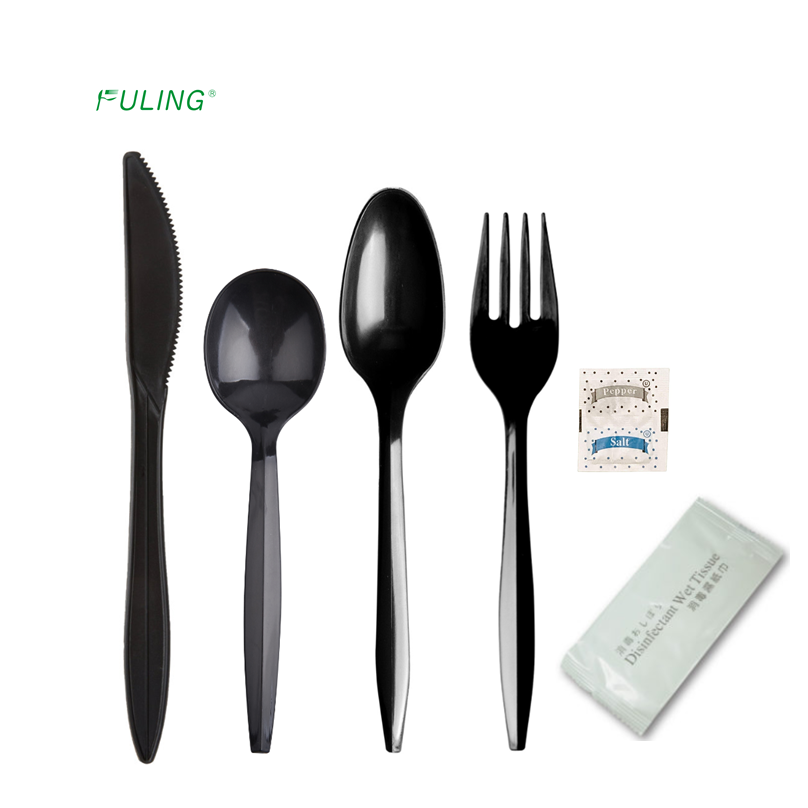
Polyethylene Terephthalate (PET) Packaging Engineering & Market Dynamics
An authoritative analysis on material selection, polymer physics, regulatory compliance, and cost optimization for global food packaging importers.
1. Material Science: Polyethylene Terephthalate (PET) vs. Alternative Polymers
In the commercial food packaging ecosystem, selecting the appropriate polymer substrate directly impacts product shelf-life, sensory integrity, optical presentation, and supply chain viability. Polyethylene Terephthalate (PET) stands as the premier thermoplastic resin for cold-beverage cups, deli containers, produce clamshells, and bakery packaging due to its exceptional molecular symmetry and semi-crystalline structure.
From an engineering perspective, virgin PET exhibits an Intrinsic Viscosity (IV) typically ranging between 0.72 and 0.85 dL/g for thermoforming applications. This high IV value correlates directly with structural toughness, superior impact strength at room and refrigerated temperatures, and minimal crack propagation during automated high-speed denesting and lid-snapping processes.
| Polymer Type | Optical Clarity | Thermal Window | $O_2$ Barrier Rate | Recyclability Grade | Primary Foodservice Use |
|---|---|---|---|---|---|
| PET (Terephthalate) | Glass-Like Clear (>90%) | -40°C to +65°C | Superior (<12 $cc/m^2/day$) | RIC #1 (Highest) | Cold Drinks, Salad Bowls, Produce, Deli |
| PP (Polypropylene) | Translucent / Semi-Clear | -20°C to +120°C | Moderate (>1500 $cc/m^2/day$) | RIC #5 (High) | Microwavable Meal Prep, Hot Soups |
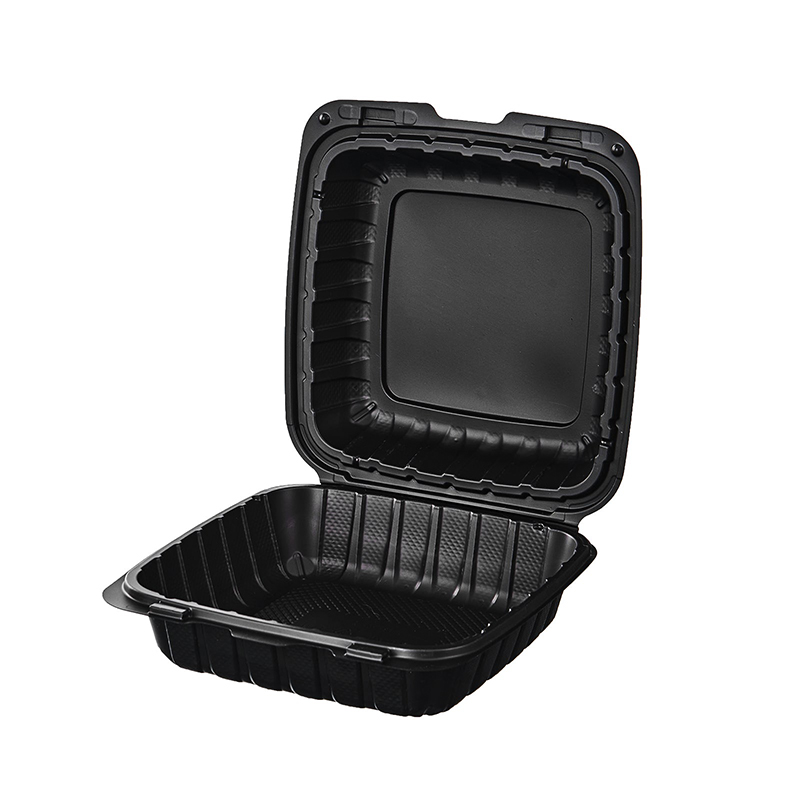
| MFPP (Mineral Filled PP) | Opaque / Matte Finish | -10°C to +130°C | Moderate (Structural Focus) | RIC #5 Hybrid | Hinged Clamshells, Foam Replacement |
| PLA (Polylactic Acid) | High Clarity (>88%) | -18°C to +45°C | Low-Moderate | RIC #7 (Compostable) | Eco Cold Cups, Short Shelf-Life Deli |
2. Advanced Manufacturing Ecosystem in China: High-Speed Thermoforming & Quality Assurance
Modern Chinese packaging manufacturing facilities have evolved from manual injection operations into fully integrated, Industry 4.0 compliant thermoforming hubs. Modern production lines utilize continuous extruders equipped with multi-component gravimetric dosing units, ensuring exact polymer-to-additive ratios for anti-fog masterbatches, slip agents, and UV stabilizers.
High-Speed German Tooling
Multi-cavity thermoforming molds cut with sub-micron CNC precision guarantee dimensional lid-to-base seal tolerances within ±0.12mm, eliminating transportation leaks.
Optical Defect Sorting
Automated inline vision inspection systems detect micro-pinholes, black specks, wall thickness variations, and flange deformations at speeds exceeding 40 cycles per minute.
Volumetric Nesting Efficiency
Precision-engineered stacking shoulders prevent interlocking wedging while maximizing unit pack density inside 40ft High Cube containers, cutting freight cost per unit.
During the sheet extrusion phase, three-layer co-extrusion ($A-B-A$ film structure) allows factory engineers to incorporate up to 80% food-grade post-consumer recycled PET (rPET) in the central core layer ($B$), while encapsulating it between thin virgin PET outer layers ($A$). This structural setup complies fully with FDA Food Contact Notifications (FCN) and European Food Safety Authority (EFSA) guidelines regarding recycled plastic food contact safety.
3. Global Regulatory Landscape & Food-Contact Compliance Standards
Navigating global compliance is a vital prerequisite for B2B importers, corporate buyers, and institutional packaging distributors. Substandard plastics containing unapproved plasticizers, heavy metals, or volatile organic compounds (VOCs) face immediate seizure at international customs ports.
As a premier OEM exporter, our manufacturing processes adhere strictly to global food contact regulations:
- US FDA 21 CFR 177.1630: Verification of overall extraction limits in distilled water, n-heptane, and 8% ethanol simulant under hot-fill and refrigerated storage conditions.
- EU Regulation (EU) No 10/2011 & Amendments: Complete testing dossiers covering Overall Migration Limits (OML < 10 mg/dm²) and Specific Migration Limits (SML) for heavy metal catalysts including Antimony ($Sb < 0.04 mg/kg$).
- Single-Use Plastics Directive (SUPD - EU 2019/904): Clear embossing of standard circular economy resin identification logos (RIC #1) and mandatory compliance marks for beverage packaging.
- Heavy Metals in Packaging (CONEG & EU Directive 94/62/EC): Sum of Lead ($Pb$), Cadmium ($Cd$), Mercury ($Hg$), and Hexavalent Chromium ($Cr^{VI}$) strictly below 100 ppm.
4. Strategic Procurement Trends & Packaging Outlook (2025–2030)
The global packaging sector is undergoing a rapid transition driven by legislative pressure, ESG mandates, and shifting consumer preferences. B2B buyers must structure their multi-year procurement contracts around four key macro trends:
A. Acceleration of rPET Mandatory Content
Regulatory frameworks across the European Union and North America mandate a minimum of 25% to 30% post-consumer recycled content in plastic food packaging. Sourcing from factories with established EFSA and FDA-cleared super-cleaning decontamination technology ensures uninterrupted customs clearance.
B. Transition from EPS Foam to Mineral-Filled PP (MFPP)
With expanded polystyrene (EPS) foam bans active in over 40 countries, MFPP hinged clamshell containers (utilizing 40-50% natural calcium carbonate mineral content) have emerged as the definitive replacement, providing rigid structure, low carbon intensity, and thermal insulation.
C. Tamper-Evident Integrated Latching Mechanism
The global explosion of third-party food delivery platforms (UberEats, DoorDash, Deliveroo) has elevated tamper-evident packaging from a luxury to an industry requirement. Integrated break-tab lid locks eliminate the cost and labor of secondary shrink banding.
D. Smart Supply Chain & Inventory Consolidation
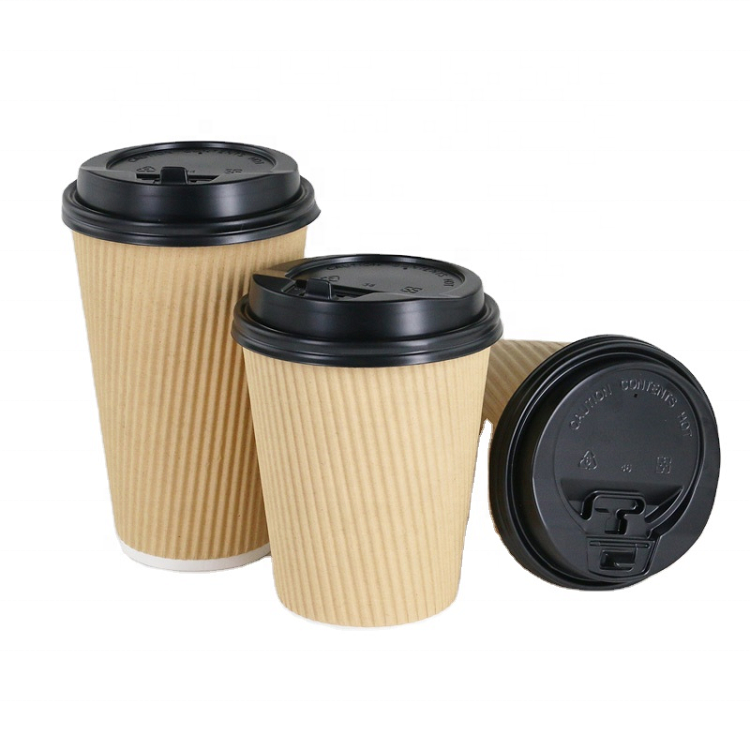
High ocean freight variability makes single-SKU ordering financially inefficient. Leading importers now leverage factory direct consolidation—combining PET cups, PP meal prep boxes, paper hot cups, and wrapped cutlery sets in unified container shipments.
5. Enterprise Advantages: OEM Customization & Manufacturing Capabilities
Our integrated manufacturing plants offer full-scope OEM and ODM capabilities tailored to global chain restaurants, food distributors, packaging wholesalers, and supermarket deli operations.
Custom Tooling Development
In-house mold design center capable of producing 3D CAD prototypes within 48 hours and completed production steel tooling within 20-25 days.
High-Definition Flexo & Offset Printing
Up to 8-color spot and process printing on PET cups, paper containers, and cutlery wrapper film using food-safe, low-odor, water-based inks.
Complete Export Compliance Dossiers
Every shipment is delivered with a complete quality package: Certificate of Analysis (CoA), Lot Traceability Reports, and Third-Party Migration Test Certificates.
Frequently Asked Sourcing & Technical Questions
Direct engineering and commercial answers to common questions raised during enterprise vendor evaluations.
Partner with China's Premier PET Packaging Exporter
Request comprehensive technical datasheets, full compliance dossiers, free sample kits, or factory-direct price quotes tailored to your destination port.