High-Demand Takeout Food Containers & Packaging SKUs
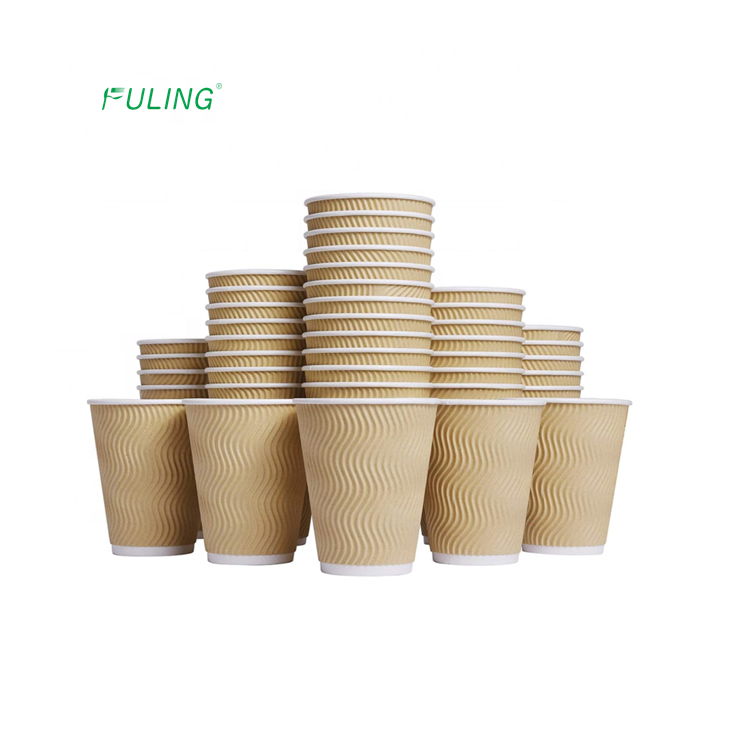
Direct factory manufacturing of microwavable PP containers, MFPP clamshells, sugarcane bagasse tableware, bubble tea cups, and ripple wall coffee cups.




Navigating Global Takeout Food Box Supply Chains: Engineering, Materials & Compliance
An authoritative technical analysis for enterprise buyers, food distributors, and restaurant purchasing directors seeking optimized packaging performance and global sourcing agility.
The global online food delivery and takeaway sector has undergone a fundamental structural shift. Modern commercial food packaging is no longer viewed as a simple passive container; it operates as an active component of brand experience, thermal insulation, structural integrity, and regulatory compliance. For B2B importers, supermarket chains, and food service brokers sourcing from China and Southeast Asia, understanding the nuances of material polymer blend ratios, tool cavity precision, top-load compressive strength, and international trade compliance is crucial to protecting profit margins and mitigating supply chain vulnerabilities.
Key Supply Chain Insight: Sourcing from dual-manufacturing bases—such as primary high-capacity hubs in China coupled with tariff-advantaged production facilities in Indonesia—allows global enterprise procurement networks to effectively bypass geopolitical tariffs (e.g., US Section 301 tariffs) while maintaining strict unit cost efficiencies and uniform technical specifications.
1. Polymer Engineering: Standard Polypropylene (PP) vs. Mineral-Filled Polypropylene (MFPP)
Selecting the optimal raw material matrix impacts both product performance during transit and long-term procurement expenditures. The two dominant rigid thermoplastics utilized in modern wholesale takeout packaging are virgin Polypropylene (PP) and Mineral-Filled Polypropylene (MFPP):
Polypropylene (PP) Containers
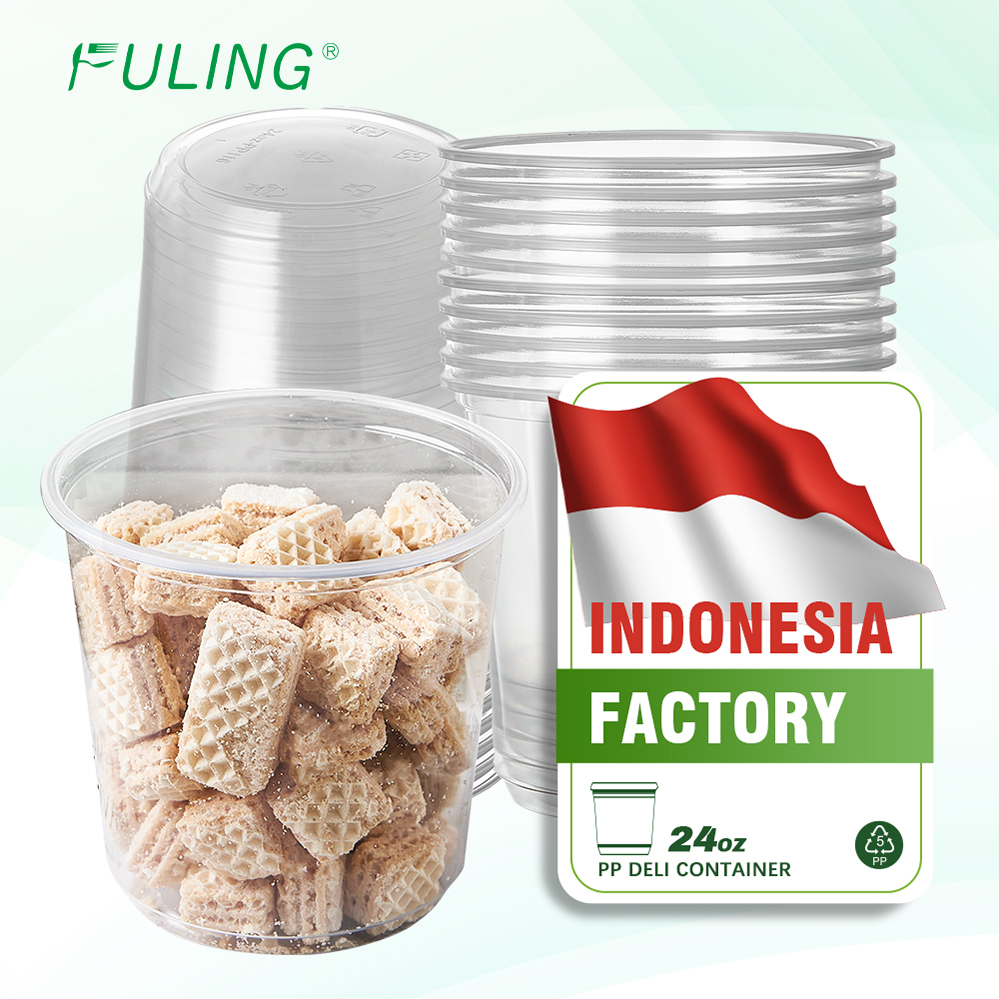
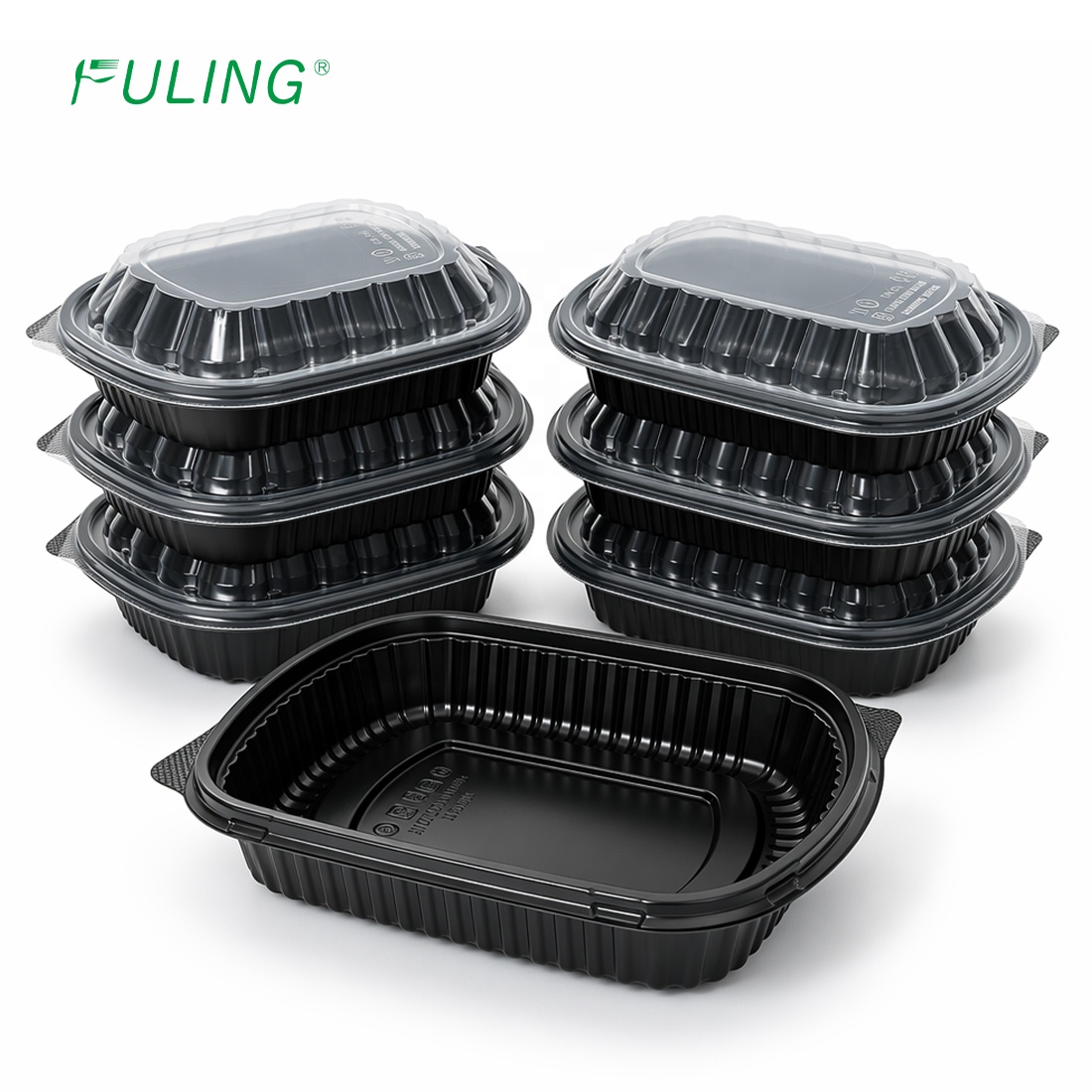
Structural Properties: High flexural fatigue resistance, superior impact strength, and heat deflection temperature up to 120°C (248°F). PP is naturally microwave-safe and chemically inert against organic acids, oils, and greases.
Best Application: Heavy-sauce meal preps, reheatable takeout lunch boxes, clear-lid deli soup tubs, and high-clarity injection-molded boba beverage cups.
Mineral-Filled Polypropylene (MFPP)
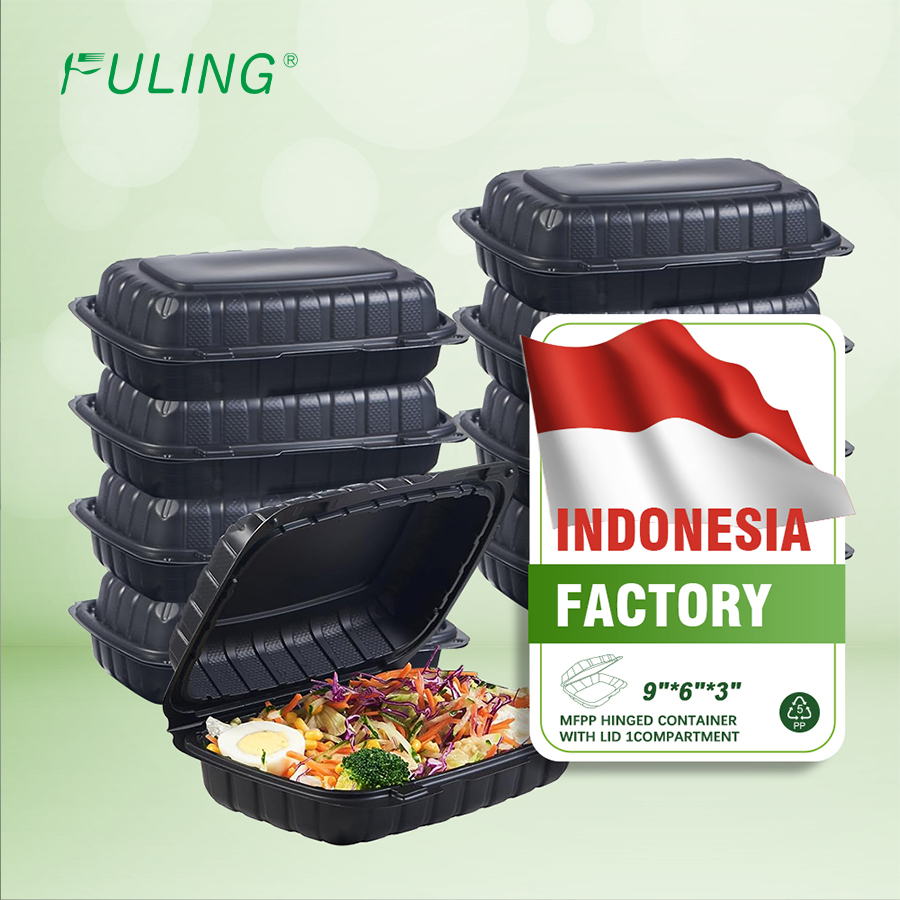
Structural Properties: Formulated by blending virgin PP resin with up to 40-50% natural calcium carbonate (CaCO₃) or talc. This dramatically reduces virgin plastic usage while increasing sidewall rigidity and thermal stability, acting as the premier non-foam alternative to expanded polystyrene (EPS).
Best Application: Hinged clamshell boxes (9x9, 9x6, 8x8 inches) for hot entry dishes, burgers, fried chicken, and eco-conscious restaurant chains.
| Material Metric | Virgin PP (Polypropylene) | MFPP (Mineral-Filled PP) | Sugarcane Bagasse | PET (Polyethylene Terephthalate) |
|---|---|---|---|---|
| Thermal Range (°C) | -20°C to 120°C | -10°C to 130°C | -20°C to 200°C (Oven/Micro) | -40°C to 60°C (Cold Only) |
| Microwave Safe | Excellent | Superior | Excellent | Unsafe (Warp Risk) |
| Hinge Durability | High Flexural Fatigue | Reinforced Lock Hinge | Moderate (Folds along score) | Not applicable |
| Oil/Grease Barrier | 100% Hydrophobic | 100% Hydrophobic | High (PFAS-Free Water/Oil proof) | 100% Hydrophobic |
| Commercial Target | Meal Prep & Soup Tubs | EPS Foam Replacement Clamshells | Zero-Plastic Eco Tableware | Cold Drinks & Cold Salad Displays |
Why Global Buyers Partner with Our Manufacturing Network
Combining automated high-speed injection molding, precision thermoforming, and dual-country export logistics for unparalleled quality assurance.
Dual-Base Manufacturing Footprint
Operate seamlessly across primary manufacturing plants in China and our expanded facility in Indonesia. This strategic geographic distribution grants global buyers complete tariff resilience, favorable trade duties, and diversified supply continuity.
Custom OEM Tooling & Branding
In-house mold design and CAD engineering allow us to rapidly produce custom container shapes, embossed logos, and multi-compartment layouts. Support for high-definition In-Mold Labeling (IML) and flexographic paper printing.
Rigorous Quality & Compliance
Every production batch undergoes strict quality control protocols following AQL 1.5 standards. Certified food-contact compliance under US FDA 21 CFR 177.1520, EU Regulation No 10/2011, and German LFGB food safety guidelines.
Optimized Mixed-SKU Container Loading
Maximize your shipping expenditure by consolidating multiple product lines—such as cold PET cups, paper coffee cups, cutlery kits, and meal prep boxes—into single 20GP or 40HQ container shipments with tailored palletization.
Anti-Leak & Smart Snap-Lock Design
Container lids feature precision perimeter seals and tactile click-locks that eliminate accidental spills during third-party food delivery (UberEats, DoorDash, Deliveroo), maintaining liquid tightness for gravies and hot soups.
Global Export Documentation Support
Full support for international customs clearing paperwork: Certificate of Origin (Form E, Form R), COA test certificates, Bill of Lading, custom HS code classification guidance (e.g., HS 3924.10, 4823.69), and tariff guidance.
Future Procurement & Material Development Trends (2025–2030)
Key technological and regulatory shifts shaping the future of global commercial food packaging.
1. Legislative Bans on EPS Foam & Single-Use Plastics (SUP)
Around the globe, legislative bodies in North America, Western Europe, and Asia-Pacific are enforcing strict prohibitions against expanded polystyrene (EPS) foam containers and non-recyclable single-use plastics. Distributors are actively migrating catalog SKUs toward Mineral-Filled Polypropylene (MFPP) hinged clamshells and compostable Sugarcane Bagasse tableware. B2B buyers must align their procurement cycles with supplier bases that maintain scalable capacity in compliant, non-EPS materials.
2. Transition to Mono-Material Recyclability & Resin Identification
Recyclability infrastructure increasingly favors mono-material packaging designs over complex multi-layer laminates. Clear containers paired with matching lids engineered from the exact same resin grade (e.g., 100% PP Base + PP Anti-Fog Lid) ensure seamless sorting at municipal recycling facilities (#5 PP or #1 PET). This circular economy model reduces waste processing levies for large-scale restaurant operators.
3. Advanced Anti-Fog Lid Chemistry for High-Clarity Food Display
Visual presentation directly influences consumer satisfaction in ready-to-eat food delivery. Modern thermoformed lid manufacturing incorporates non-migratory internal anti-fog additives. This chemical engineering prevents condensation droplets from forming on transparent lids when hot meals are sealed, preserving crystal-clear food visibility for pre-packaged salads and warm bento boxes.
4. Freight Densification & Nesting Geometry
With global ocean freight rates fluctuating, structural packaging engineers are redesigning container nesting angles. Higher stacking density allows more units per carton and more cartons per 40HQ container, driving down per-unit logistics expenditures by up to 18% for high-volume wholesale distributors.
B2B Procurement FAQ: Sourcing Takeout Food Boxes from China
Direct technical and commercial answers to simplify your import verification process.