

Technical Deep-Dive: Engineering High-Performance Hinged Plastic Containers
In the rapidly evolving global quick-service restaurant (QSR) and food delivery ecosystem, the demand for high-integrity, leak-proof, and thermally stable packaging has moved from standard purchasing to strategic procurement. As global regulations phase out Expanded Polystyrene (EPS) foam packaging, enterprise buyers are migrating toward advanced Mineral-Filled Polypropylene (MFPP) and virgin polypropylene (PP) hinged containers.
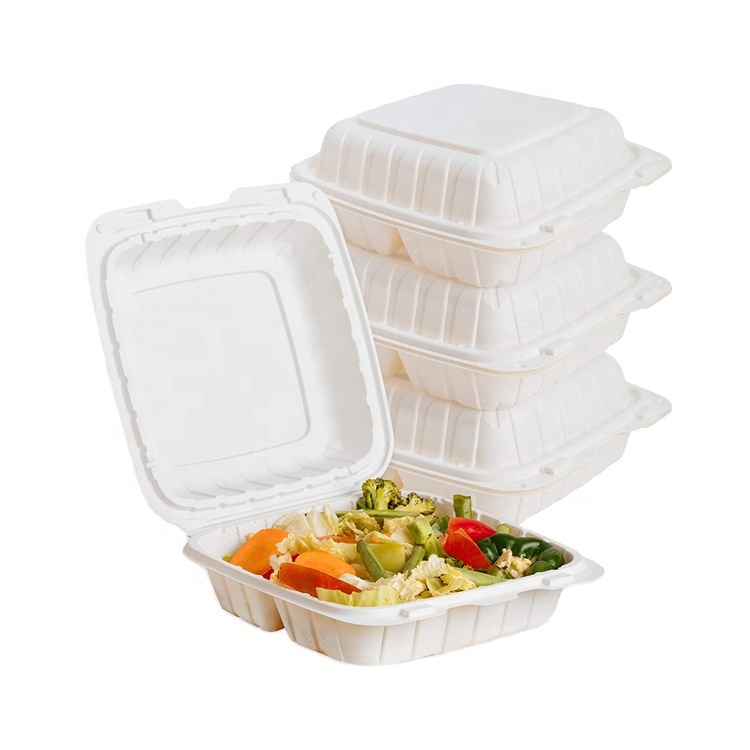
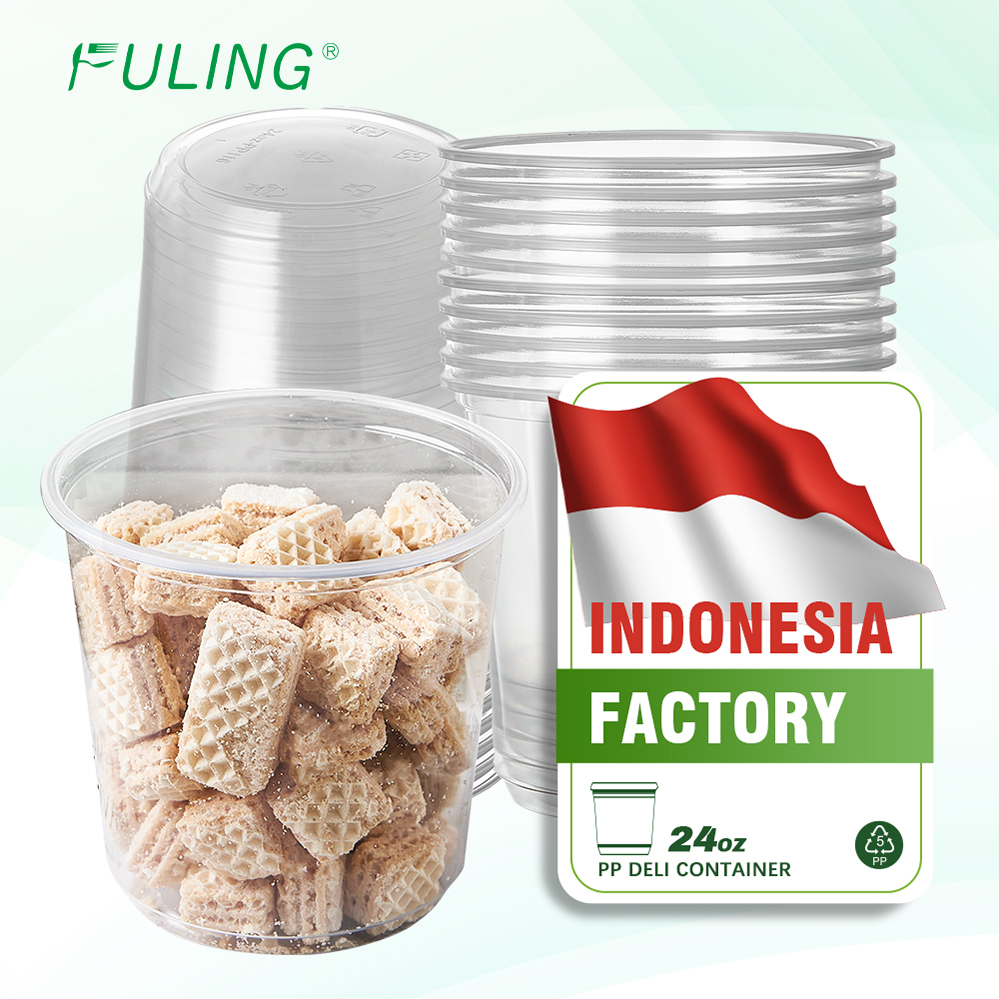
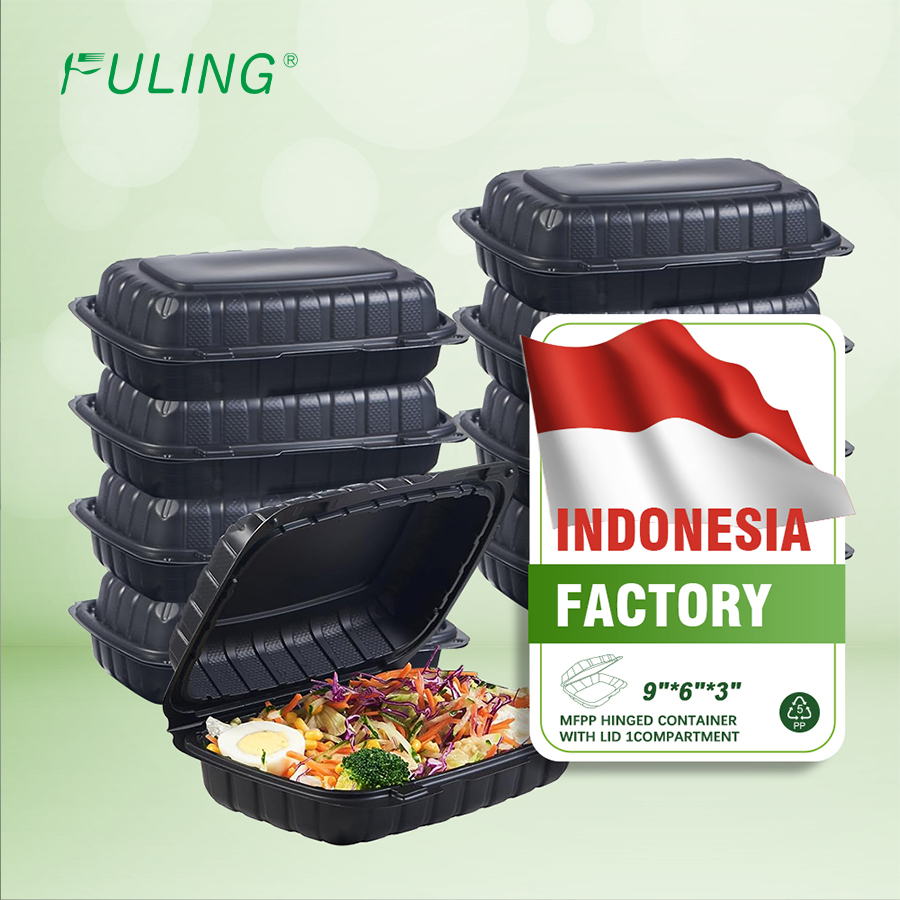
As a leading factory-direct manufacturer operating automated multi-station thermoforming and high-precision injection molding lines across China and Indonesia, our engineering team manufactures custom OEM hinged plastic containers designed to overcome common industry failure points: seal popping during transport, lid distortion under thermal stress, hinge fracture, and excessive stack-collapse.
Material Selection Engineering: MFPP vs. Standard PP vs. PET vs. Bagasse
Choosing the correct polymer substrate dictates not only unit cost but operational performance during hot-fill, delivery, and microwave reheating. Below is a comparative performance evaluation based on laboratory stress-testing and empirical field data:
| Polymer / Substrate | Thermal Tolerance | Microwave Safe | Oil & Grease Barrier | Flexural Hinge Strength | Carbon Footprint Impact |
|---|---|---|---|---|---|
| MFPP (Mineral Filled PP) | -20°C to +125°C | Excellent | Superior (Non-porous) | High (>1,500 Flexes) | Eco-Optimized -40% Net Resin |
| Standard Virgin PP | -18°C to +110°C | Excellent | High | Maximum Flex Life | Standard Polyolefin |
| PET (Polyethylene Terephthalate) | -40°C to +65°C | Unsuitable | Excellent | Moderate (Cracks when cold) | 100% Recyclable (#1) |
| Sugarcane Bagasse | -10°C to +95°C | Moderate (< 3 min) | Requires PFAS-Free Coating | Low (Fibrous tear risk) | Compostable Substrate |
Key Enterprise Advantages of Partnering with Our OEM Manufacturing Hubs
Navigating international trade volatility, tariff structures, and stringent food safety protocols requires more than just standard manufacturing. It demands a supply chain partner capable of offering end-to-end transparency, regulatory shielding, and custom product development.
Dual-Node Sourcing & Tariff Mitigation
With operational facilities in China and our expanded manufacturing campus in Indonesia, we offer North American and European buyers flexible sourcing options to mitigate Section 301 tariffs, antidumping duties, and geographical supply disruptions.
Patented "Living Hinge" & Perimeter Locking
Our OEM hinged containers utilize engineered polypropylene living hinges subjected to rigorous ASTM fatigue testing. Double-click corner latches ensure leak resistance even when transporting liquid-heavy gravies or oily foods.
Full Compliance & Food Contact Auditability
All production uses 100% virgin, food-grade raw materials certified under US FDA 21 CFR 177.1520, EU Regulation No. 10/2011, and LFGB standards. Facilities are regularly audited under ISO 9001, ISO 14001, and BRCGS standards.
Future Procurement Trends in Hinged Plastic Containers (2025–2030)
Procurement directors must look beyond immediate unit price and anticipate structural shifts in global packaging regulations, consumer preferences, and logistics economics. Key trends dictating future contract awards include:
1. Mineral-Filled Polypropylene (MFPP) Market Dominance
MFPP containers incorporate up to 40-50% natural calcium carbonate ($CaCO_3$) or talc fillers into the PP matrix. This hybrid formulation dramatically reduces virgin plastic usage, lowers carbon emissions during resin synthesis, and enhances container rigidity. Crucially for buyers, MFPP containers maintain excellent microwave heat tolerance while offering cost stability against fluctuating petroleum indexes.
2. Anti-Fog Clarified Covers and Smart Venting
With third-party delivery platforms (DoorDash, UberEats, Deliveroo) expanding globally, visual meal presentation at arrival has become a vital brand metric. Modern OEM hinged containers integrate anti-fog masterbatch technology directly into clear lid layers, alongside recessed steam-venting channels that release latent condensation without venting oil or allowing spillages.
3. Optimization for Automated De-nesting and Robotic Packing
Commercial central kitchens and food preparation facilities are rapidly installing robotic packaging lines. Legacy containers with inconsistent flange tolerances cause machine jamming. Next-generation OEM designs feature precision-molded de-nesting lugs and uniform wall geometry, guaranteeing effortless mechanical separation on automated lines.
Product Development Trends & Mold Customization Capabilities
Establishing a distinct brand footprint requires custom tooling. Our in-house mold engineering laboratory works directly with customer CAD models to develop proprietary packaging solutions tailored for specific culinary applications.
- In-Mold Labeling (IML) & Embossing: Direct high-resolution brand artwork integration into the lid structure during injection molding, eliminating separate paper label applications and improving recyclability.
- Acoustic Smart-Lock Latches: Engineering tactile and audible "click" confirmation locks that notify kitchen staff of secure closure, reducing packing time in high-volume operations.
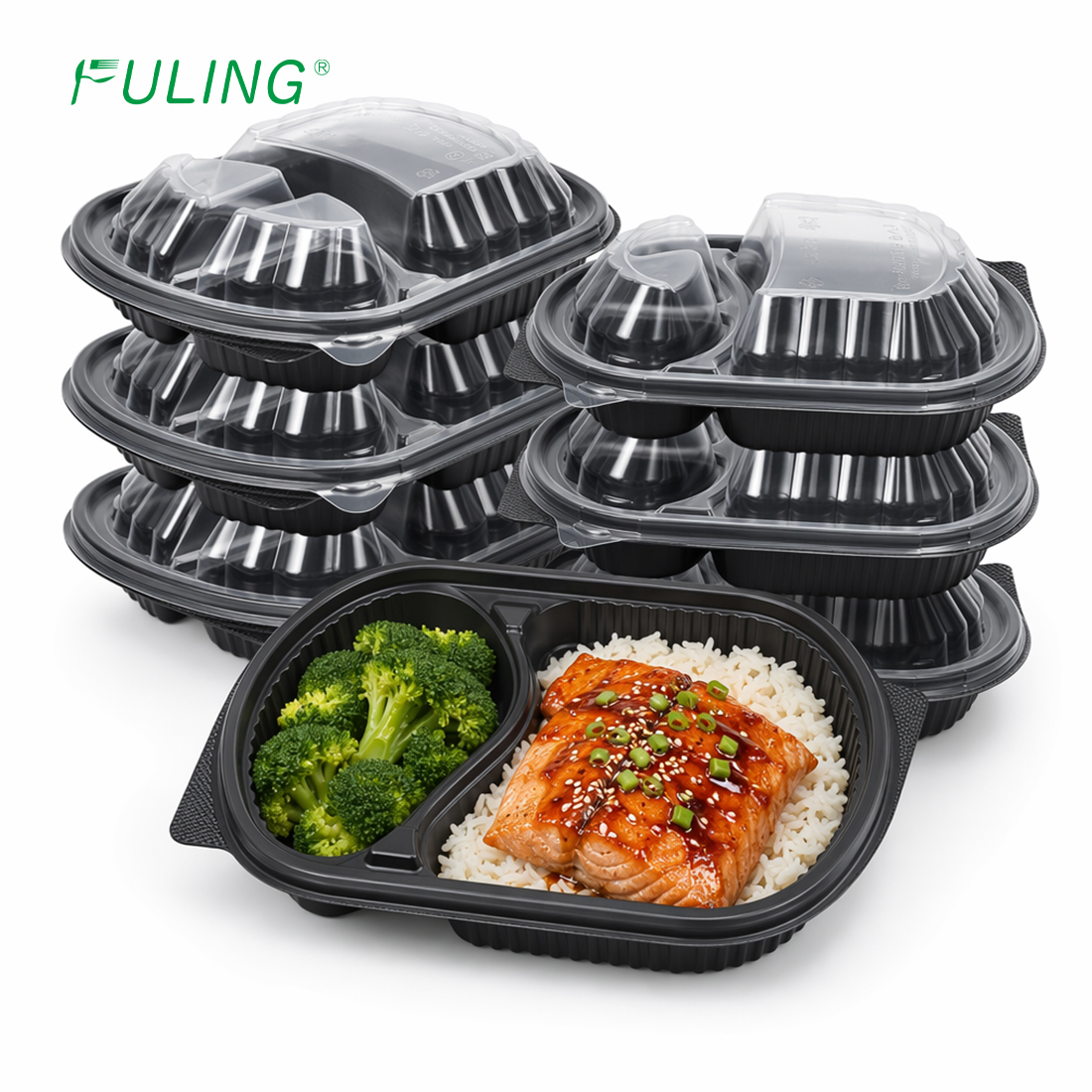
- Custom Compartmentalization: 1-compartment, 2-compartment, 3-compartment, and 4-compartment designs engineered to keep distinct food elements crisp and separated during transit.
- Nested Cube Optimization: Designing tapered sidewalls that maximize internal food volume while achieving tight stacking nesting ratios, reducing outer carton volume and international ocean freight shipping costs by up to 18%.
Custom OEM/ODM Tooling & Mass Production Workflow
We streamline the custom packaging development lifecycle from conceptual design to port delivery via a rigorous 6-phase engineering gate process:
3D CAD & Prototyping
Rapid SLA/FDM 3D printed physical models for volumetric, lid-fit, and food placement testing within 72 hours.
Precision Tooling
CNC machining of hardened steel or P20 aluminum molds featuring multi-cavity hot-runner systems for balanced plastic flow.
Pilot Samples & Testing
Initial T1 mold trial samples subjected to drop tests, thermal microwave stress, and migration chemical analysis.
Automated Mass Run
High-speed thermoforming and injection molding with online vision inspection systems monitoring wall thickness in real-time.
Quality Assurance (AQL)
Strict AQL 1.0 Major / 2.5 Minor sampling protocols for hinge flex fatigue, load strength, and leak prevention.
Consolidated Freight
Custom palletization, shrink-wrapping, and mixed-container optimization (LCL/FCL) with complete export clearance documentation.