Enterprise Product Showcase & Sourcing Catalog
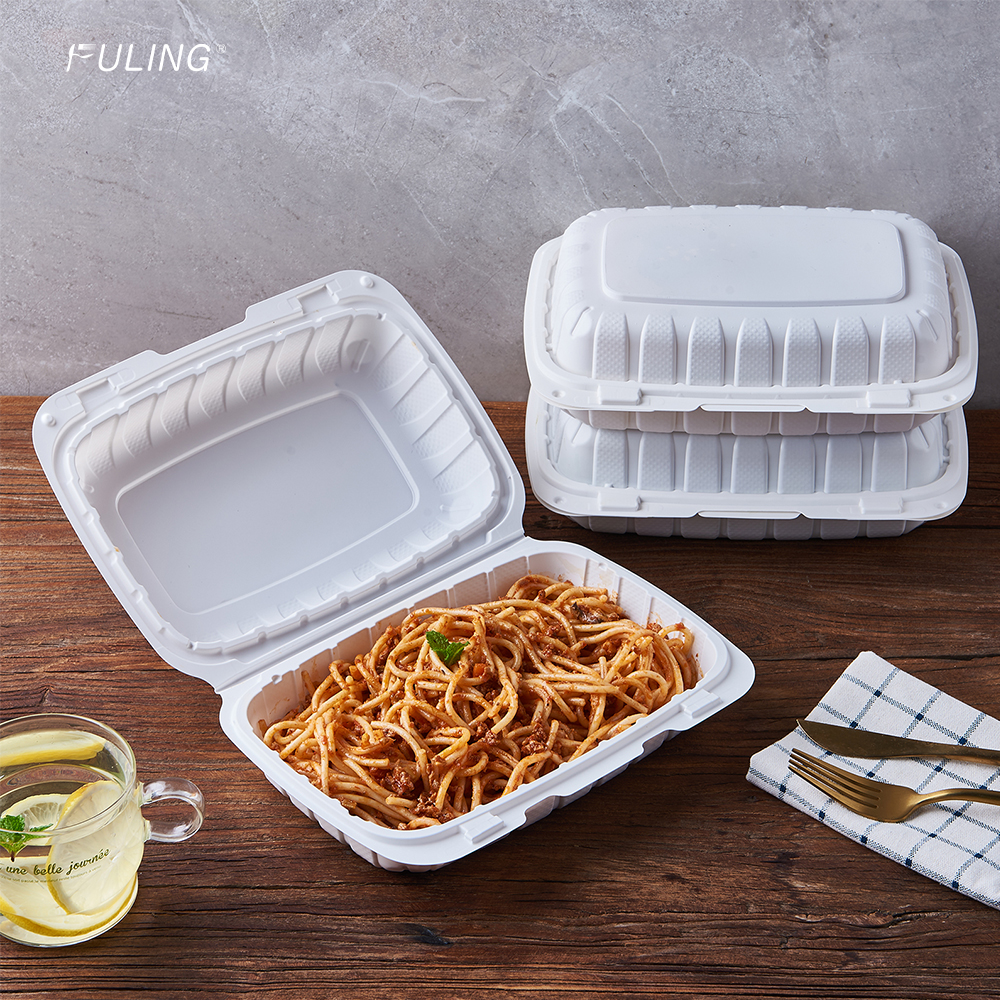
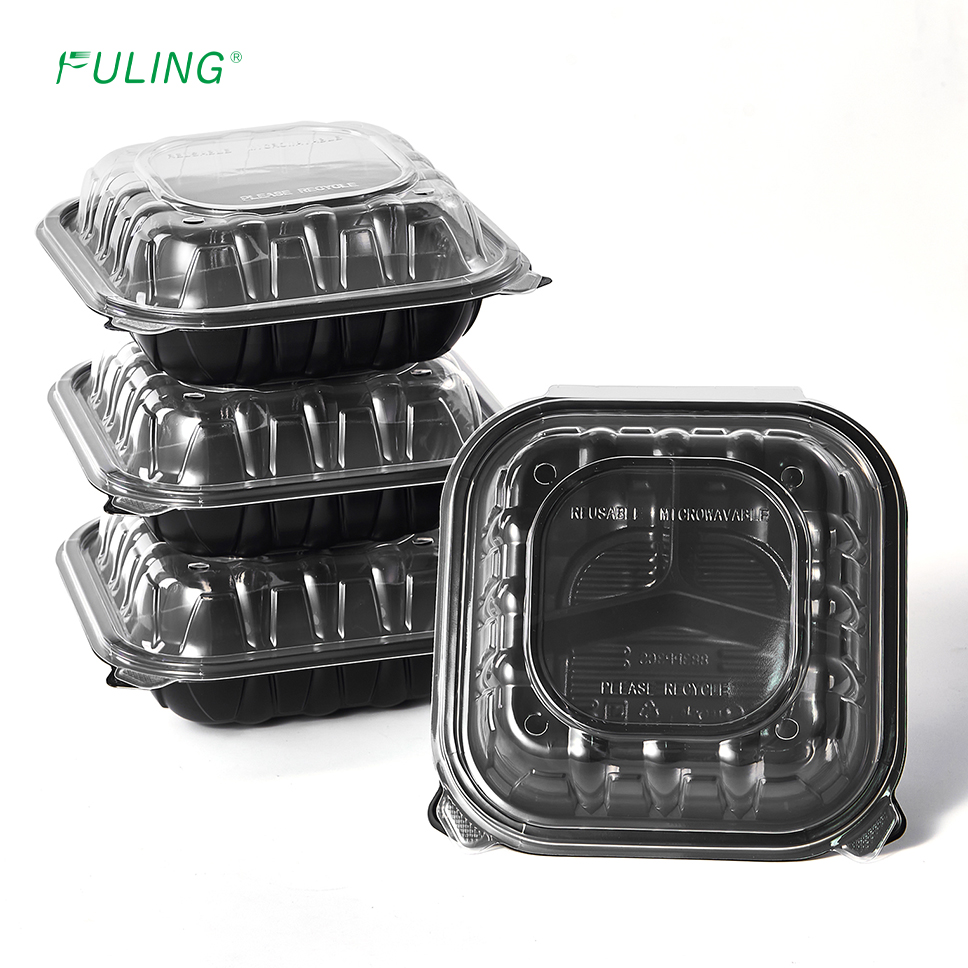
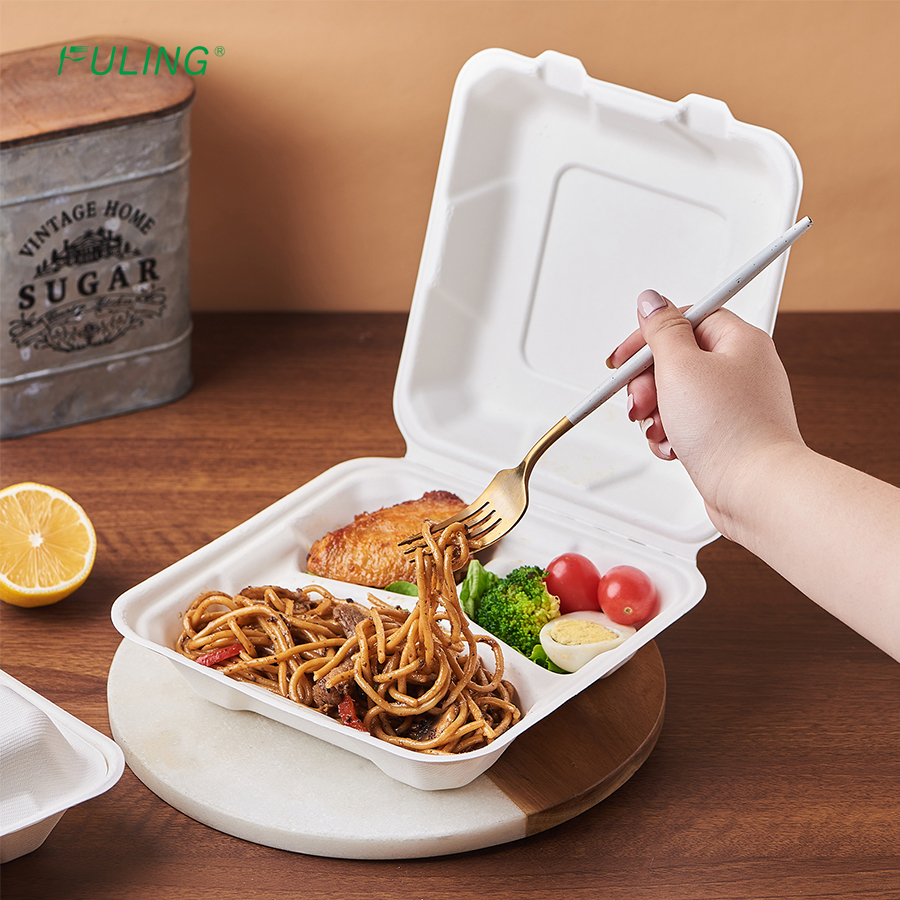
Factory-direct commercial meal containers, microwavable PP boxes, and compostable paperboard lunch solutions engineered for international foodservice distributors and restaurant supply chains.


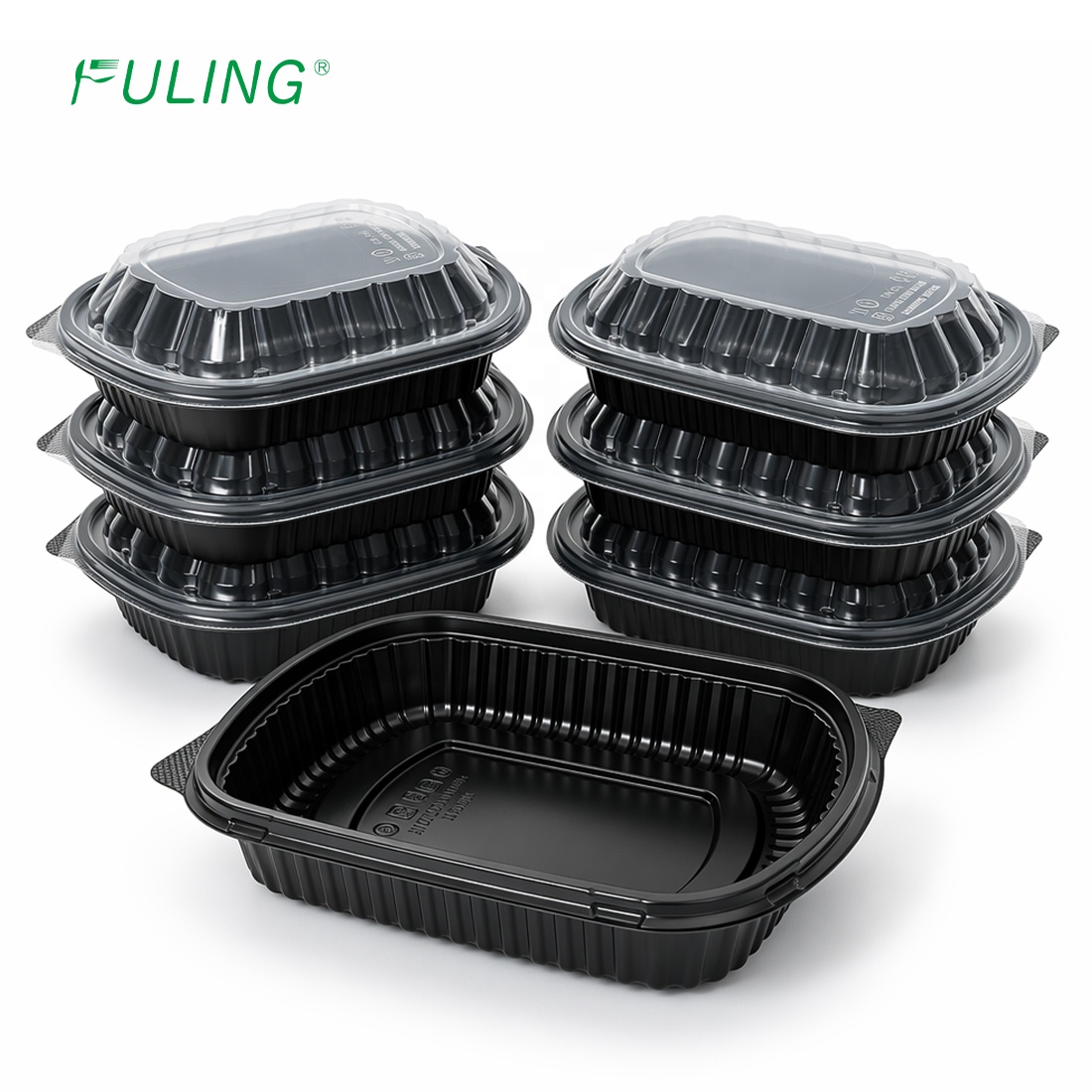
Material Engineering & Sustainable Coating Analysis
A comprehensive examination of paper substrates, plastic polymers, and eco-barrier formulations defining modern B2B packaging compliance.
1. Deconstructing Paper Lunch Box Substrates: Kraft vs. Sugarcane Bagasse vs. MFPP
The global shift toward sustainable food container sourcing requires procurement directors to balance structural rigidity, thermal stability, moisture resistance, and end-of-life disposal regulations. As a premier custom OEM paper lunch boxes supplier & exporter, our manufacturing plants utilize high-density virgin wood pulp kraft board, sugarcane bagasse bio-fibers, and mineral-filled polypropylene (MFPP) hybrids to satisfy distinct market mandates across North America, the European Union, and Asia-Pacific.
Understanding the chemical mechanics of liquid retention is paramount when procuring single-use meal boxes. Conventional Polyethylene (PE) inner linings create an impermeable moisture shield but present re-pulping hurdles at standard paper recycling mills. Modern OEM implementations leverage Polybutyrate Adipate Terephthalate (PBAT) or double-layer Aqueous dispersion coatings to meet stringent European SUPD (Single-Use Plastics Directive) frameworks without sacrificing oil Cobb resistance values.
| Substrate Material | Coating Type | Thermal Range | Grease Resistance (KIT Rating) | Primary Environmental Profile |
|---|---|---|---|---|
| Unbleached Virgin Kraft | Aqueous Barrier (Water-Based) | -20°C to 120°C | Kit 8 - Kit 12 | 100% Recyclable / Repulpable |
| Bleached Paperboard | PLA (Polylactic Acid) | -15°C to 85°C | Kit 6 - Kit 9 | Industrial Compostable (ASTM D6400) |
| Sugarcane Bagasse Fiber | PFAS-Free Natural Barrier | -25°C to 180°C (Microwavable) | Kit 10 - Kit 12 | Home & Industrial Compostable |
| Mineral-Filled PP (MFPP) | Integrated Natural Minerals | -20°C to 130°C (Microwavable) | Maximum (Hydrophobic) | 50% Reduced Resin / Recyclable #5 |
2. Structural Integrity & Leak-Proof Engineering Mechanics
To eliminate operational failures during high-volume meal delivery, custom OEM paper lunch boxes are designed with reinforced stress-bearing corners and dual-latch locking tabs. Our engineering process addresses three critical failure points in takeout packaging:
- Corner Leakage & Capillary Seepage: Heat-sealed fold gussets prevent liquid transport along paper seams, ensuring greasy gravies and sauces remain fully contained during extended transit times.
- Steam Condensation & Soggy Structural Degradation: Precision micro-venting apertures positioned along the top closure permit excess water vapor to escape while maintaining thermal insulation above 65°C.
- Vertical Stacking Crush Strength: Perimeter rim crimping and corrugated sidewall geometry increase vertical load capacity, permitting 5-layer stacking inside commercial delivery bags without collapsing the base container.
Global Sourcing Trends & Future Market Outlook
Strategic insights for procurement officers navigating shifting regulatory landscapes, supply chain decarbonization, and changing consumer preferences.
PFAS-Free Regulatory Mandates
Legislative bans on per- and polyfluoroalkyl substances (PFAS) across US states and EU member nations are driving standard fiber containers out of market compliance. Future procurement must prioritize verified fluorine-free oil barrier formulations tested under EN 13432 and FDA guidelines.
Freight Density & Nested Packaging
Rising ocean freight tariffs necessitate optimized shipping volumes. Modern OEM designs feature ultra-tapered sidewalls allowing maximum nesting density per carton, reducing total containerized CBM requirements by up to 30% per 40HQ shipment.
Smart Packaging & Digital Traceability
High-end restaurant chains are adopting custom-printed high-definition flexographic graphics and scannable QR codes. This empowers end-users to verify material origin, carbon footprint metrics, and local disposal instructions directly from the lunch box lid.
Enterprise Manufacturing & Supply Chain Capabilities
Why tier-1 global importers, distributor networks, and quick-service restaurant (QSR) groups choose our manufacturing facilities.
Vertically Integrated Production
From raw pulp refining and sheet extrusion to multi-color flexographic printing, die-cutting, and automated windowing, our in-house control guarantees zero batch-to-batch quality variance and reduced production overhead.
Global Compliance Certification
Our manufacturing operations strictly adhere to ISO 9001, ISO 14001, and BRCGS Global Standards for Packaging and Packaging Materials. Full third-party migration test documentation is provided for every order.
Consolidated LCL & Multi-SKU Mixed Containers
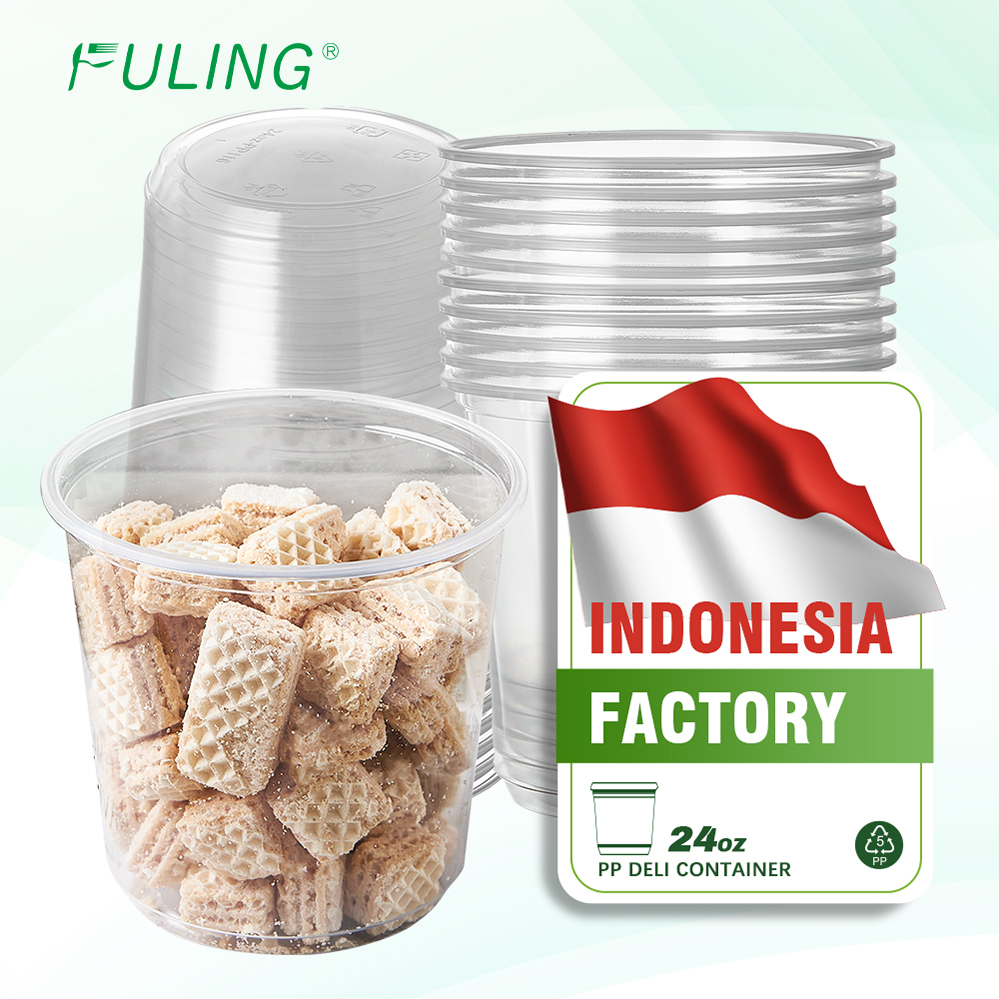
Optimize working capital by combining paper lunch boxes, clear PET beverage cups, microwavable meal prep trays, and wrapped PP cutlery sets into single container orders with custom palletization and barcode labeling.
Custom OEM Procurement & Technical FAQ
In-depth technical responses addressing critical purchasing, regulatory, and customization queries for enterprise buyers.
What is the minimum order quantity (MOQ) for custom-printed paper lunch boxes?
Standard plain stock containers carry flexible MOQs starting at 50 cartons per SKU. For custom OEM printing utilizing up to 6-color flexo presses or custom structural structural die-cuts, our typical baseline MOQ ranges between 30,000 to 50,000 units per size, depending on grammage and coating specifications.
How do your paper lunch boxes ensure zero leakages with hot, greasy food items?
We deploy precise food-contact barrier liners (Aqueous, PLA, or PE) coupled with ultrasonic corner sealing. Furthermore, our paperboard undergoes rigorous Cobb testing (water absorption rate < 15 g/m² over 30 minutes) and Kit testing for oil resistance (Kit 10-12 rating), guaranteeing zero liquid penetration under intense thermal stress.
Are your food packaging products fully compliant with US FDA and EU food contact regulations?
Yes. All raw virgin papers, bio-resins, and printing inks are certified safe for direct food contact. We provide comprehensive third-party testing documentation referencing US FDA 21 CFR 176.170, EU Regulation No. 10/2011, and German LFGB guidelines. Certificates of Analysis (CoA) are issued with each production batch.
What is the typical production and delivery timeline for export container orders?
Once pre-production artwork proofs and structural prototypes are approved, standard production lead times are 20 to 30 calendar days for a full 40HQ container. Rush orders for standard stock items can ship within 10 to 15 days. Ocean transit schedules vary depending on the destination port (e.g., US West Coast: 14-18 days; Europe Main Ports: 28-35 days).
Can we request custom structural tooling for unique container dimensions or compartment layouts?
Absolutly. Our internal CAD engineering team designs custom thermoforming molds and paper die-cut tooling based on your 3D models or physical samples. Tooling fabrication typically takes 12 to 18 days, with pre-production samples delivered via express courier for final fit testing prior to mass production.
How do you address anti-fogging and condensation in clear container lids?
For clear PP and PET hinged lids paired with hot lunch boxes, we apply an food-grade anti-fog additive during resin extrusion. This prevents water droplets from coalescing on the interior surface, ensuring full food visibility and superior shelf appeal in retail heated display cases.