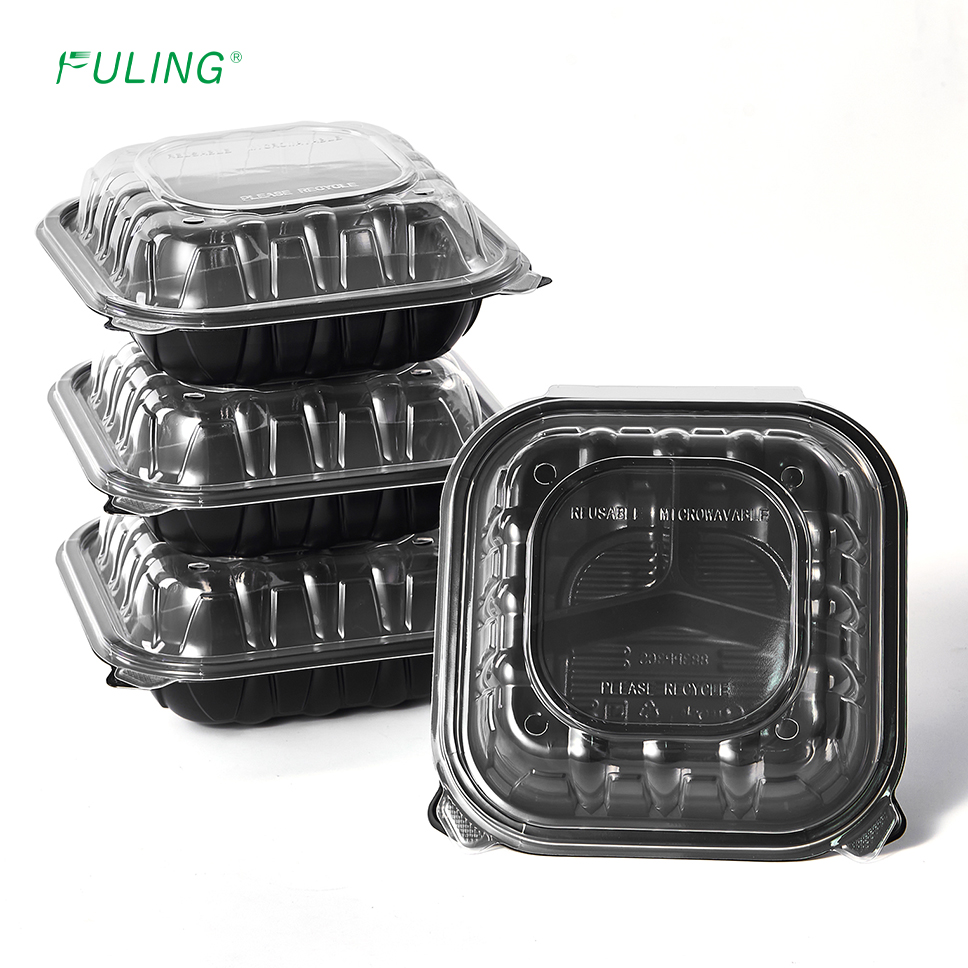
Custom OEM Plastic Deli Containers Factories & Supplier
High-Performance Thermoformed & Injection Molded Rigid Packaging Engineering for Global Foodservice Importers, Retailers & QSR Distributors
FDA 21 CFR Compliant
ISO 9001 & BRCGS Certified
Direct Factory OEM/ODM
Featured Commercial Packaging
Featured Plastic Deli Containers & Foodservice Packaging SKUs
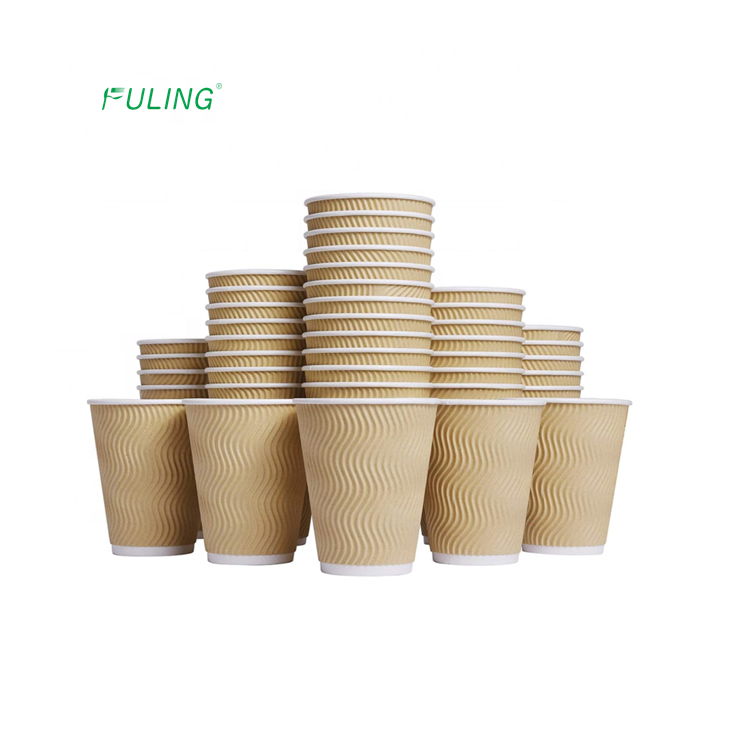
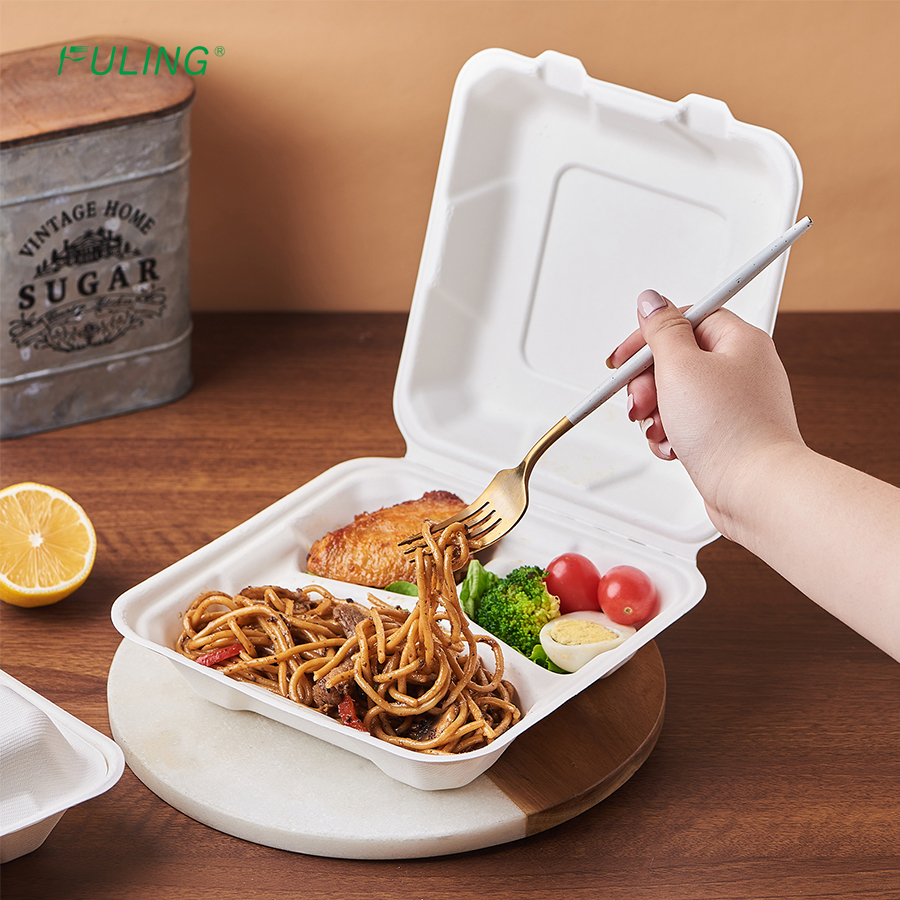
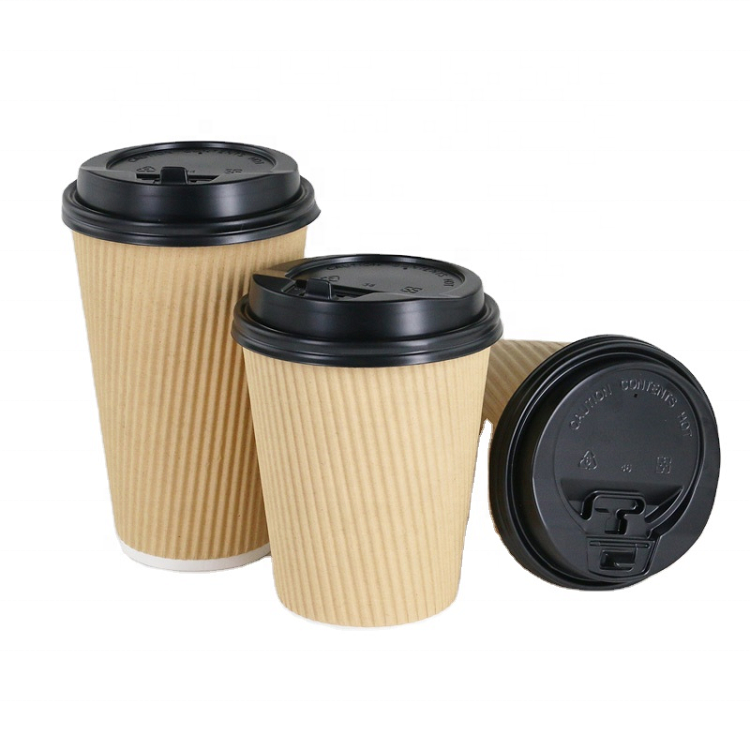
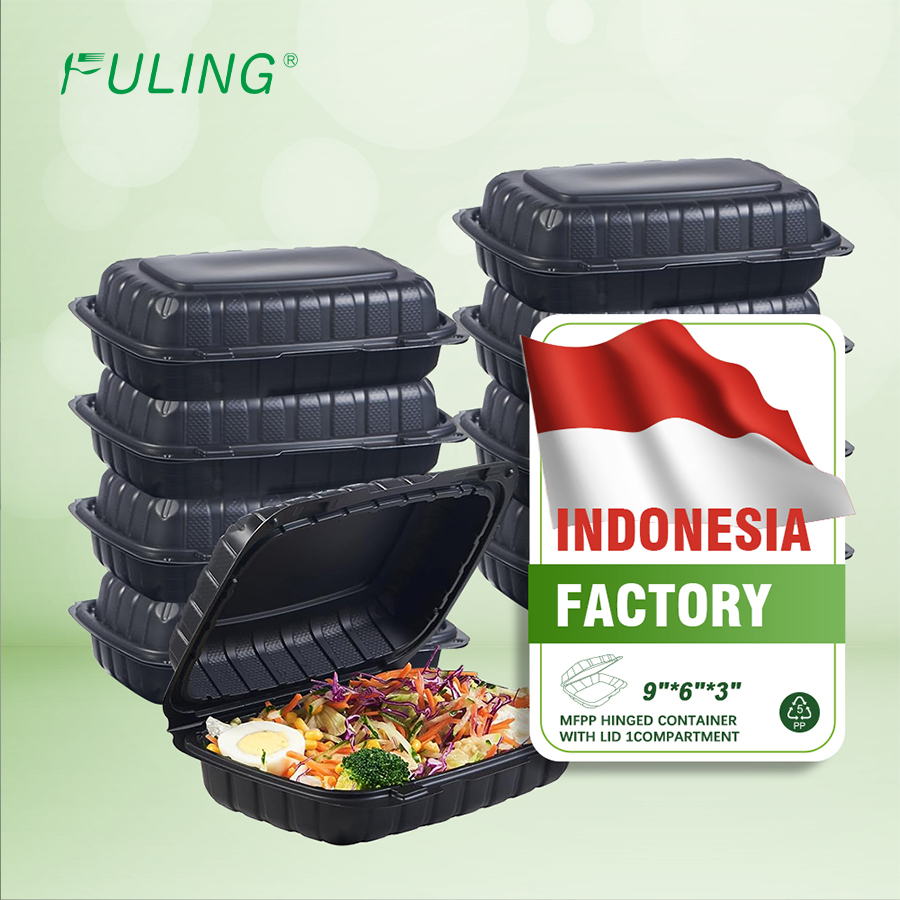
Precision-engineered food-contact containers, clamshells, and disposable coffee cups manufactured under strict AQL quality standards. Built for high-speed automated filling and heavy-duty delivery transport.
Custom OEM Plastic Deli Containers Sourcing Whitepaper
In the highly competitive commercial foodservice and retail deli sectors, packaging is no longer just a passive vessel—it is a critical extension of brand equity, structural food preservation, thermal management, and logistics unit economics. As global food delivery platforms grow and stringent international food-safety mandates enforce higher material standards, global B2B procurement managers must evaluate plastic deli container suppliers through rigorous polymer science, mold engineering precision, and verified regulatory compliance.
Information Gain Insight: Modern OEM plastic deli containers must balance resin strength, wall thickness uniformity, and stack integrity against strict cost-per-unit constraints. Polymer formulation directly dictates whether a container withstands high-heat microwave reheating without flexing or cold-chain freezing without cracking.
1. Polymer Selection & Material Science in Commercial Packaging
Selecting the optimal raw material determines the container's structural behavior, optical clarity, thermal operational range, and end-of-life environmental pathway. At our manufacturing facility, we utilize virgin food-contact grade resins processed via precision extrusion lines.
Polymer Type
Thermal Range
Optical Clarity
Impact Strength
Primary Commercial Use Cases
Polypropylene (PP)
-20°C to 120°C
Translucent / Semi-Clear
High Flexural Modulus
Microwavable deli meals, hot soup tubs, meal prep boxes.
The primary point of failure in commercial deli transport is lid separation and perimeter liquid leakage. Our OEM manufacturing process integrates 3D CAD parameterization and CNC mold tooling to engineer dual-stage perimeter interlocking channels.
By enforcing tighter tolerances on rim undercut geometry (±0.05mm), our injection molded PP deli soup tubs and thermoformed deli boxes achieve positive snap-fit engagement. This eliminates the requirement for secondary manual taped seals while withstanding up to 35 kPa of internal hydrostatic pressure during high-stack transport.
3. Thermoforming vs. Injection Molding Manufacturing Paradigms
Understanding the fundamental production technology allows B2B buyers to optimize ordering quantities (MOQ), unit pricing, and lead times:
High-Speed Thermoforming: Ideal for lightweight, cost-optimized, thin-walled deli containers (e.g., PET deli boxes and MFPP clamshells). Offers exceptionally low cycle times and lower tooling investment for custom size launches.
Precision Injection Molding: Essential for heavy-duty, reusable-grade meal prep boxes, tamper-evident deli soup tubs, and high-precision snap lids. Provides superior wall thickness control and structural ribbing for heavy liquid retention.
Why Global Importers Partner With Us
Enterprise OEM/ODM Manufacturing Capabilities
We provide end-to-end supply chain security for wholesale distributors, foodservice buying groups, and major quick-service restaurant (QSR) chains across 60+ countries.
Regulatory Safety & Compliance
Fully accredited with ISO 9001, BRCGS Packaging, and ISO 14001. All resins pass rigorous third-party migration testing in accordance with US FDA 21 CFR 177.1520 and EU Regulation 10/2011 for direct food contact.
Custom Branding & Printing
Elevate brand identity with high-definition In-Mold Labeling (IML), up to 6-color flexographic paper cup printing, and custom embossed logo branding on container covers and lids.
Mixed SKU Freight Optimization
Maximize your container loading ratio (CBM utilization). Combine cups, matched lids, MFPP clamshells, deli containers, and cutlery kits in a single 40HQ container to lower sea freight landed cost per unit.
Product Development & Procurement Trends (2025–2030)
The global plastic deli container market is undergoing a seismic shift driven by regulatory restrictions on single-use plastics, corporate decarbonization goals, and automated kitchen operations. Procurement directors must align their purchasing strategies with these strategic technology trajectories:
Trend A: The Rapid Rise of MFPP (Mineral-Filled Polypropylene)
As jurisdictions across North America and Europe enforce bans on Expanded Polystyrene (EPS) foam, MFPP has emerged as the clear commercial standard. By blending food-grade polypropylene with up to 40-50% natural calcium carbonate (mineral filler), manufacturers reduce petroleum resin consumption while producing containers that offer identical thermal insulation, superior rigidity, and microwave safety.
Trend B: Anti-Fog Masterbatch Integration for Fresh Retail Display
Condensation buildup on clear deli lids severely reduces product visibility, directly impacting consumer purchase intent in supermarket grab-and-go sections. Modern OEM factories incorporate cold-water and hot-water anti-fog additives into PET and PP sheet extrusion, ensuring glass-like transparency under both refrigerated display and heated holding cabinet environments.
Trend C: Automated Denesting for High-Speed Commercial Kitchens
Industrial meal packagers and cloud kitchens utilize automated robotic dispensers to drop containers onto filling lines. Outdated container designs frequently jam due to vacuum locking during stacking. Advanced OEM molds incorporate precise denesting shoulders and anti-jam corner lugs to ensure seamless 0.1-second mechanical separation on automated assembly lines.
Procurement Knowledge Base
Frequently Asked Questions for B2B Sourcing
Direct technical and commercial answers to help importers evaluate supplier capabilities and clear internal procurement hurdles.
What is the structural difference between standard PP deli tubs and MFPP hinged containers?
Standard PP deli tubs are un-filled, semi-flexible, and highly transparent, making them ideal for liquids, soups, and hot deli dishes requiring sealability. MFPP (Mineral-Filled PP) incorporates up to 40-50% natural mineral content within the polymer matrix. This creates a dense, rigid structural wall with foam-like rigidity and reduced thermal conduction, serving as a direct heavy-duty replacement for banned EPS foam clamshells.
How do you guarantee lid-to-base leak resistance across different production batches?
Our factory employs automated optical sorting and digital caliper inspections on every production lot. Tooling molds are machined using high-precision CNC equipment to enforce rim diameter tolerances within ±0.05mm. In addition, quality assurance teams execute random vacuum seal and hydrostatic pressure tests (submerging pressurized filled containers) to verify zero perimeter leakage prior to carton master packaging.
What food contact compliance certifications are available for customs clearance?
We provide comprehensive compliance dossiers per batch. This includes US FDA 21 CFR 177.1520 total extractables reports, EU Regulation 10/2011 overall and specific migration test certificates, LFGB compliance documentation, and heavy metal analysis. Factory audits such as BRCGS Packaging, ISO 9001, and third-party assessment verification documents are provided for customs clearance.
What is the lead time for custom OEM mold development vs. standard catalog items?
Standard catalog items typically ship within 15 to 25 calendar days post-deposit confirmation. For custom OEM sizes or bespoke embossed branding, tool engineering and 3D sample prototyping require approximately 15 days, followed by 15-20 days for mass production after sample approval.
Can we mix multiple deli container sizes and coffee cups into one 40HQ container?
Yes. Consolidated container loading is one of our primary strengths for global distributors. You can combine plastic deli soup tubs, MFPP hinged clamshells, paper hot cups, and wrapped PP cutlery kits within a single FCL shipment. Our logistics engineers pre-calculate container volume software algorithms to eliminate wasted CBM space.
Partner with a Factory-Direct Packaging Manufacturer
Streamline your commercial packaging procurement. Request product technical specifications, food-contact safety compliance certificates, and direct factory pricing quotes today.