High-Performance OEM/ODM Compartment Packaging
Precision-molded meal prep systems, MFPP hinged takeaway clamshells, and eco-friendly packaging engineered for global food service distributors and commercial chains.
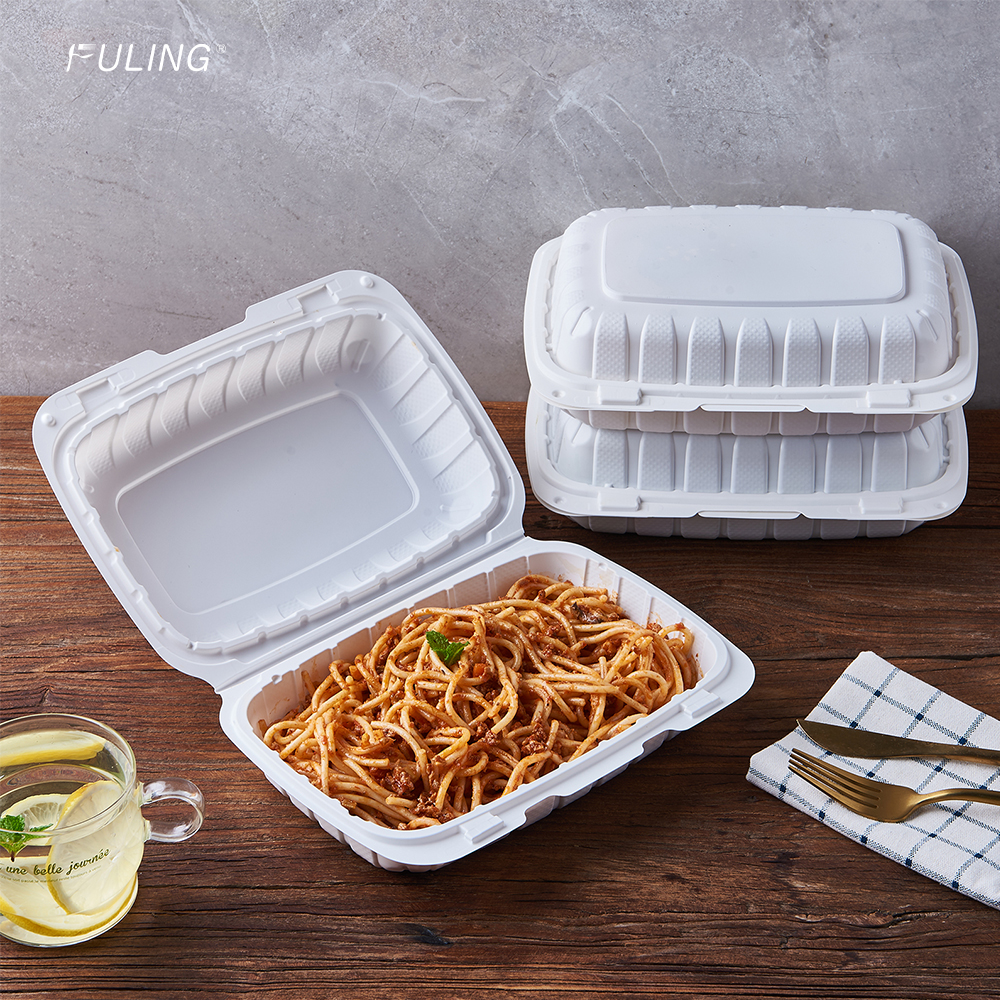

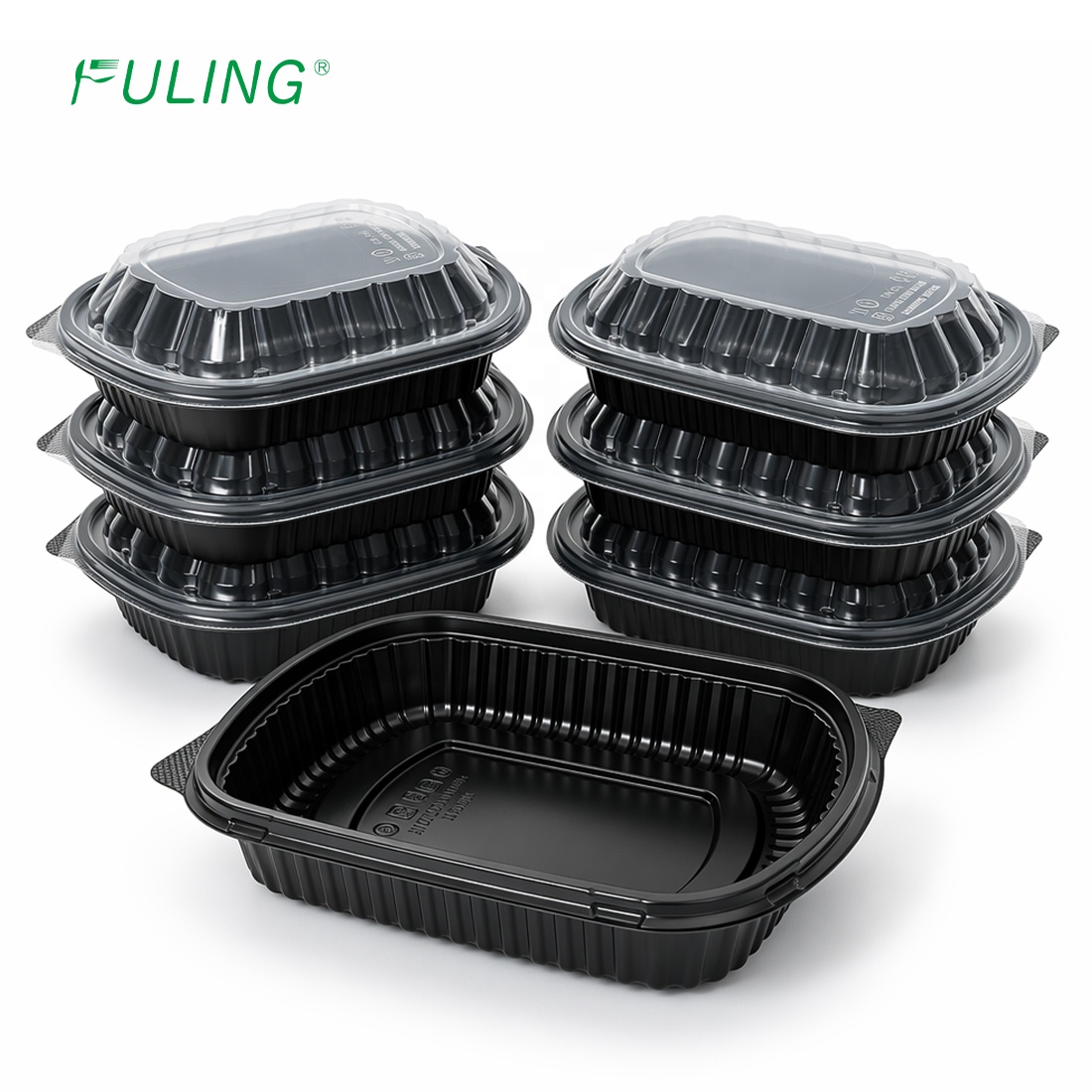

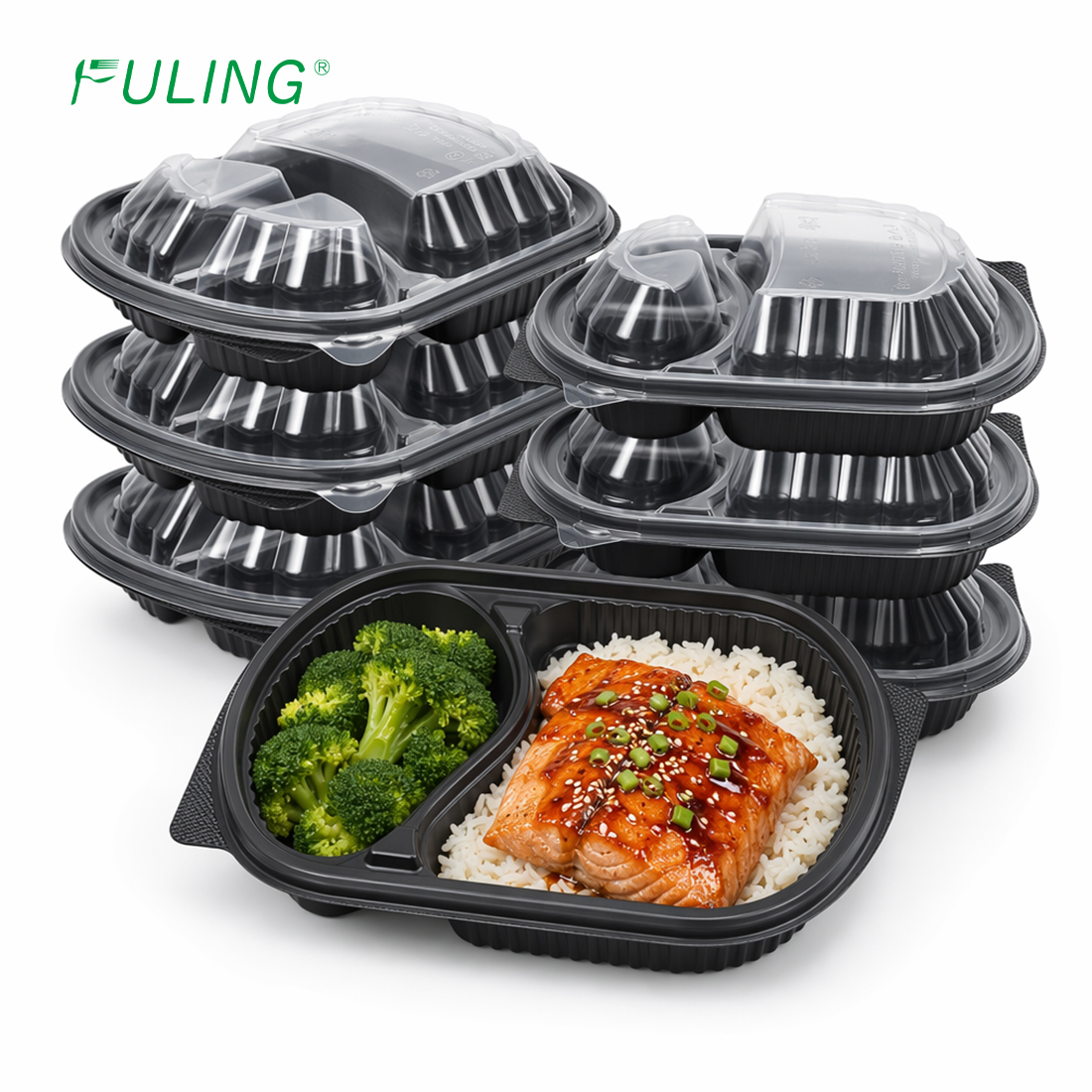
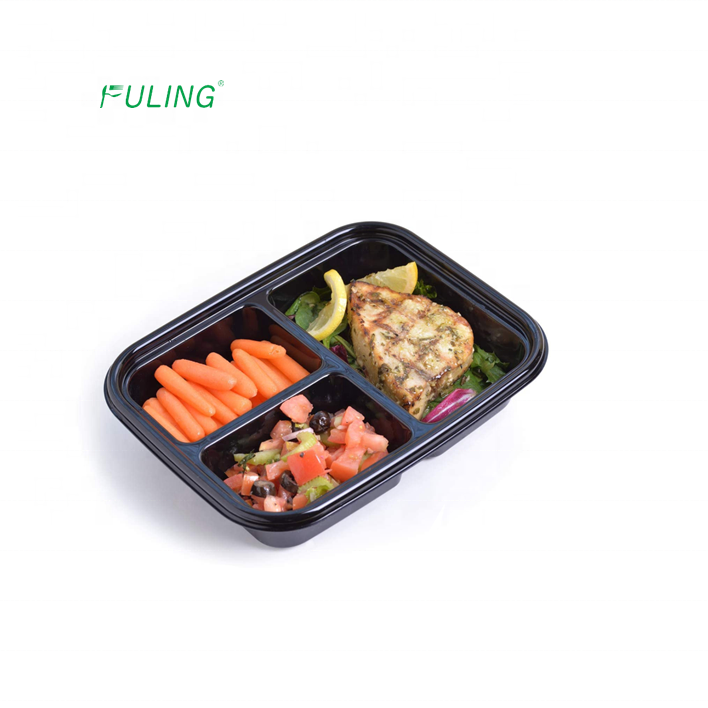
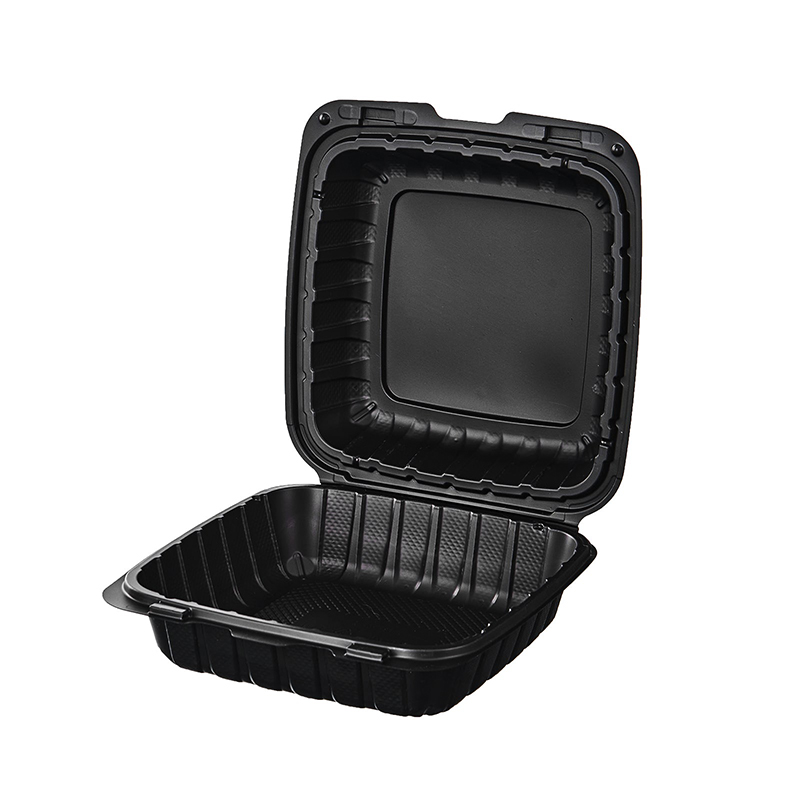
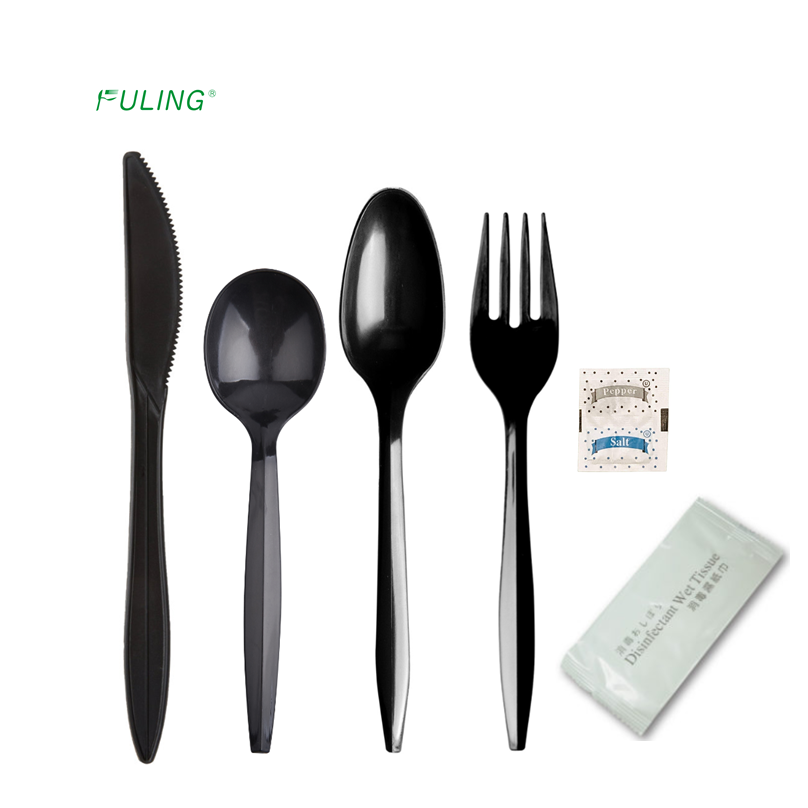
1. The Macro Evolution of OEM/ODM Compartment Packaging in Modern Foodservice
The global commercial catering, meal prep delivery, and restaurant takeaway industries are undergoing an unprecedented structural transition. Rapid urbanization, the expansion of third-party delivery platforms (such as UberEats, DoorDash, and Deliveroo), and evolving consumer preferences have converted takeaway packaging from a passive operational expense into a critical brand touchpoint and structural safety barrier. Central to this transformation is the multi-compartment lunch box—a sophisticated packaging solution designed to maintain culinary integrity, preserve distinct flavor profiles, and eliminate cross-contamination during transit.
For enterprise buyers, regional distributors, and global quick-service restaurant (QSR) chains, selecting an OEM (Original Equipment Manufacturer) and ODM (Original Design Manufacturer) partner requires far more than comparing basic unit costs. Modern procurement strategies demand strict compliance with international food-contact safety standards, optimized polymer performance under extreme thermal conditions, structural rigidity during stack loading, and a seamless transition toward sustainable monomaterial or bio-based compositions.
Technical Insight: Compartment packaging must solve complex thermodynamic and physical transport challenges. Hot entrees release latent steam that can turn dry side dishes soggy if partitions lack precision snap-sealing or anti-fog venting geometry. Custom OEM tooling optimizes airflow dynamics and barrier walls to maintain target humidity across isolated chambers.
2. Material Science Deep-Dive: Polypropylene (PP), Mineral-Filled PP (MFPP) & Sugarcane Bagasse
A fundamental requirement of effective OEM/ODM sourcing is specifying the correct material matrix based on thermal demands, grease resistance, end-of-life regulations, and target unit economics. Below is an engineering evaluation of the primary polymers and bio-substrates utilized in modern compartment lunch box manufacturing:
| Substrate / Polymer | Thermal Tolerance Range | Structural Rigidity & Stacking | Microwave & Freezer Safe | Sustainability & Recyclability |
|---|---|---|---|---|
| Virgin Polypropylene (PP) | -20°C to +120°C (-4°F to 248°F) | High flexural modulus; excellent living-hinge fatigue life. | 100% Microwave & Freezer Safe. | Resin ID #5; 100% Recyclable in standard polymer streams. |
| Mineral-Filled PP (MFPP) | -10°C to +130°C (14°F to 266°F) | Superior stiffness; reduces virgin plastic mass by up to 40-50%. | Microwave Safe; High Heat Deflection Temp (HDT). | Foam-alternative; drastically lower carbon footprint vs EPS. |
| Sugarcane Bagasse | -20°C to +100°C (-4°F to 212°F) | Rigid fibrous matrix; requires dense press molding. | Microwave & Freezer Safe (oil/water barrier coated). | 100% Biodegradable & Industrially Compostable (EN 13432). |
| Polyethylene Terephthalate (PET) | -40°C to +65°C (-40°F to 149°F) | Ultra-clear structural clarity; sensitive to high thermal loads. | Freezer Safe; Not Microwave Safe. | Resin ID #1; Globally highest curb-side recycling capture rate. |
Mineral-Filled Polypropylene (MFPP): The Preferred EPS Foam Replacement
With single-use expanded polystyrene (EPS) foam bans fully enacted across North America, the European Union, and key Asia-Pacific markets, MFPP has emerged as the clear industrial substitute for hinged takeaway clamshells. By incorporating up to 50% natural micronized mineral additives (such as calcium carbonate or talc) into virgin PP resin during compounding, MFPP achieves foam-like thermal insulation and enhanced flexural strength while reducing overall plastic content. This results in a heavy-duty container that resists cut-throughs, maintains closure seal integrity under stack pressure, and complies with modern eco-packaging legislation.
3. OEM/ODM Precision Engineering: Partition Sealing & Custom Tooling Pipelines
A primary point of failure in low-grade compartment lunch boxes is partition leakage—where liquid sauces, gravies, or oils cross internal chamber walls into adjacent dry food sections during logistics transit. Our engineering approach addresses this via precision mold manufacturing and structural feature integration:
Molds engineered with dynamic male-to-female channel mating. Lids feature recessed tracks that securely clamp over partition walls, creating complete hermetic isolation between compartments.
Clear lid variants utilize food-safe anti-fog surface chemistry applied during extrusion or thermoforming, preventing moisture droplet formation and maintaining crystal-clear retail display clarity for hot meal kits.
Calculated structural ribbing along sidewalls and base corners boosts vertical crush resistance, preventing lid collapse when containers are stacked up to 5-high in heated delivery bags.
Custom OEM/ODM Packaging Development Pipeline
To turn complex client requirements into scalable production lines, our custom mold development framework follows a rigid 5-stage validation protocol:
3D parametric modeling, wall thickness optimization, and mold-flow simulations to detect draft angles and thermal stress points.
Rapid SLA/SLS 3D printed samples for functional lid-fit validation, volumetric capacity checks, and physical ergonomics testing.
CNC machining of single-cavity P20 or NAK80 steel molds for short-run trial production and resin shrinkage calibration.
Third-party laboratory testing for overall migration (FDA 21 CFR / EU 10/2011), heavy metal limits, and thermal stress stability.
Hardened H13 steel multi-cavity automated injection or thermoforming lines equipped with robotic pick-and-place arms.
4. Global Procurement & Future Sourcing Trends (2025–2030)
Procurement executives operating in global markets face evolving legislative environments, supply chain volatility, and carbon accounting standards. Key strategic procurement trends shaping the next decade include:
- Harmonization of Monomaterial Recyclability: Regional directives are pushing toward mono-material packaging (where base container and lid utilize identical polymer grades, such as PP Base + PP Lid) to simplify post-consumer sorting and achieve closed-loop recycling loops.
- Weight Reduction via Thin-Wall Injection Molding: High-speed, high-pressure injection machinery allows manufacturers to reduce wall thicknesses by 15–25% without sacrificing tensile strength, yielding lower resin consumption and lower ocean freight costs per unit.
- Tariff-Optimized Shipping Density: Custom nesting geometry enables maximum volumetric density per master carton, maximizing 40HQ container load counts and reducing landed logistics expenses per unit.
- Complete Regulatory Document Transparency: Enterprise buyers require full supply chain traceability, including batch-specific resin certs, heavy metal analysis, food-contact migration test reports, and factory social audit credentials (BRCGS, ISO 22000, BSCI).
5. Enterprise Manufacturing Infrastructure & Quality Control
Our manufacturing facilities operate integrated high-speed thermoforming and injection molding operations designed specifically for B2B global supply chains. By managing resin formulation, precision tooling design, automated molding, and custom export packing in-house, we eliminate reliance on third-party sub-contractors and ensure absolute batch-to-batch consistency.
Quality control is executed under strict Acceptable Quality Limit (AQL 1.5/4.0) standards across three key checkpoints: raw resin melt-flow index verification, automated vision-system dimensional inspection, and drop/leakage testing of packed cartons prior to container sealing.
Frequently Asked Questions by B2B Buyers
Clear, technical answers to common questions regarding materials, OEM tooling, compliance documents, and export logistics.
Partner with a Leading OEM/ODM Packaging Manufacturer
Consult with our engineering team to review custom mold drawings, request physical fit-and-function samples, or receive factory-direct container pricing within 24 hours.
Contact Us →