Industrial Food Packaging Catalog
Explore our precision-engineered, food-contact compliant disposable containers, injection-molded soup bowls, and sustainable packaging systems designed for high-speed automated filling and demanding delivery conditions.
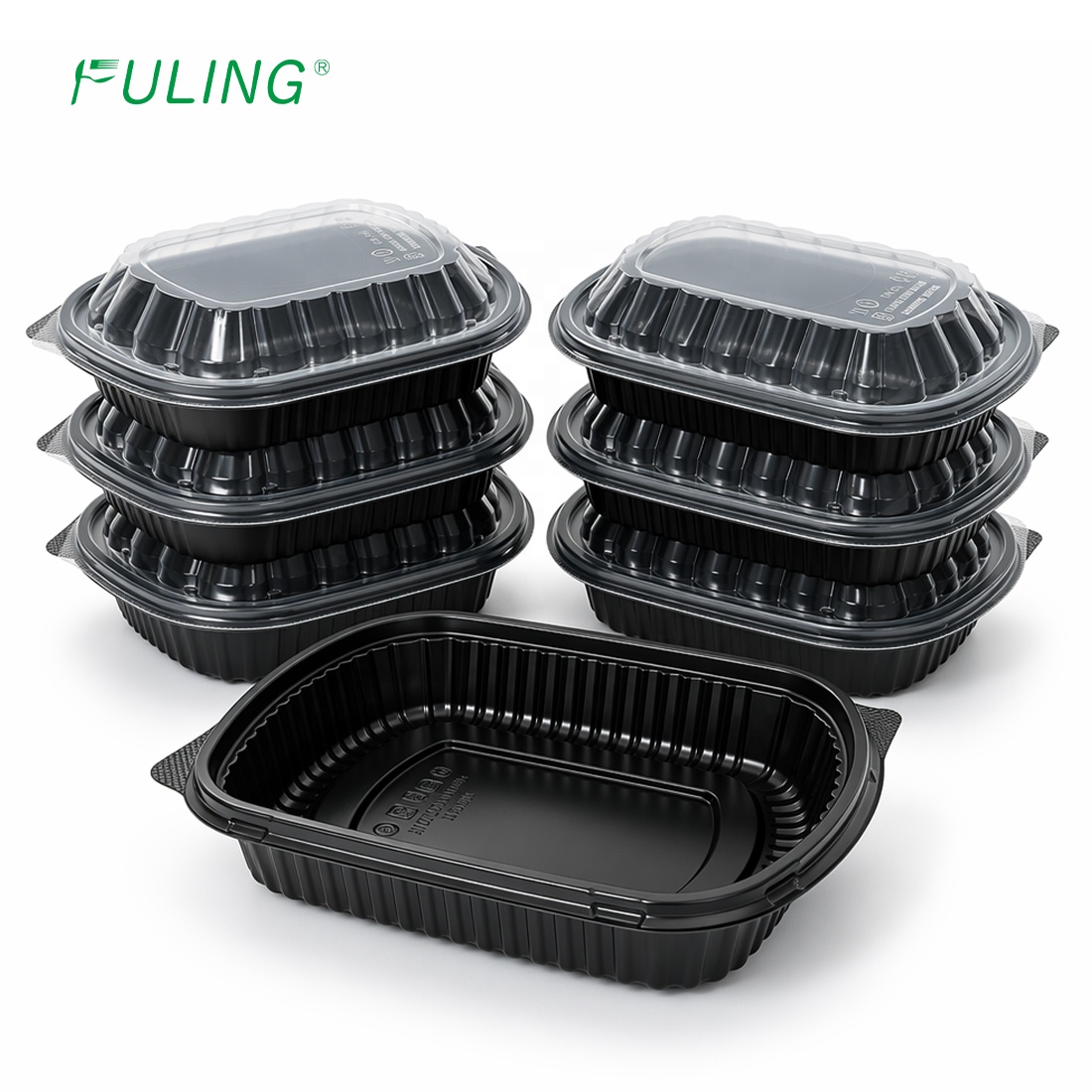


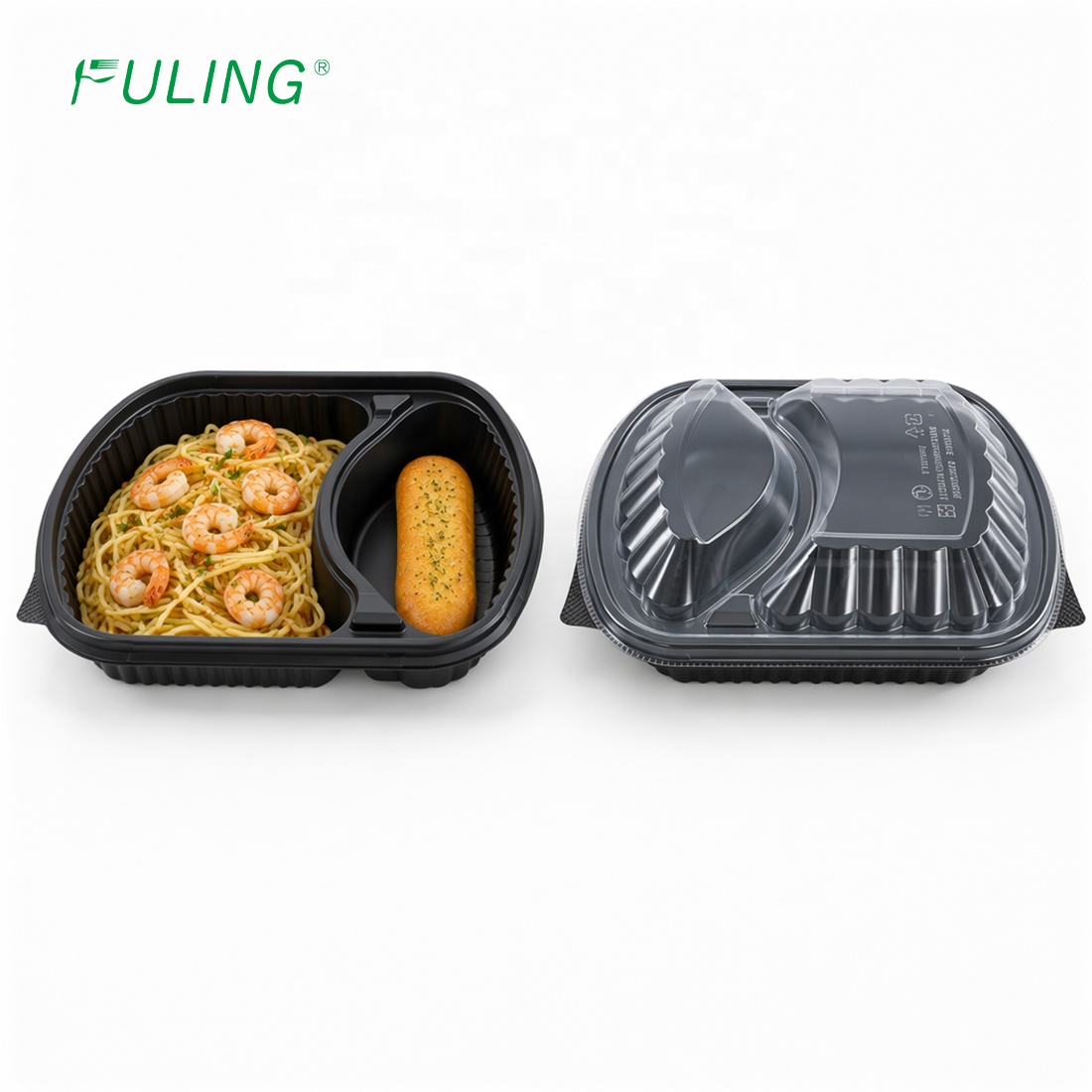



Material Science & Structural Integrity in OEM/ODM Disposable Soup Bowl Sourcing
Sourcing heavy-duty disposable soup bowls for commercial restaurant chains, institutional catering, and international distribution requires a rigorous evaluation of polymer chemistry, structural thermodynamics, and lid sealing mechanics. Liquid hot food packaging faces intense stress during transit: thermal expansion of trapped steam, hydrostatic pressure from internal liquids, and mechanical stacking loads in takeaway delivery bags.
As a primary OEM/ODM manufacturer, our engineering team optimizes high-clarity Polypropylene (PP), Mineral-Filled Polypropylene (MFPP), and aqueous-coated fiber materials to withstand demanding food-service environments. High-performance soup bowls must maintain structural rigidity at temperatures exceeding 100°C (212°F) while providing complete barrier resistance against oil, grease, and acidic broths.
Polypropylene Copolymer Formulations
Utilizing impact-modified PP homopolymer and copolymer blends ensures high melt-strength during thermoforming or injection molding. This guarantees that bowl walls retain hoop stress resistance without cracking during low-temperature freezing or high-heat microwaving.
Double-Sealing Rim Engineering
Our OEM molds feature patented recessed snap-lock perimeter channels. The interference fit between the container rim bead and the lid gasket ring creates a hermetic seal capable of resisting liquid bypass under dynamic 3D drop and transport vibration conditions.
Steam & Condensation Venting
Micro-engineered venting valves molded into transparent lids prevent thermal lid deformation caused by steam expansion. Surfactant anti-fog coatings maintain optical clarity so retail end-users can visually inspect soup contents without lid removal.
Engineering Matrix: Substrate Performance Comparison for Hot Soup Applications
| Material Substrate | Max Thermal Limit | Microwave Safe | Oil/Fat Barrier (Kit Test) | Stacking Rigidity Index | End-of-Life Stream |
|---|---|---|---|---|---|
| Virgin Polypropylene (PP) | 120°C (248°F) | Yes - High | Level 12 (Excellent) | High (Flexural Modulus 1.5 GPa) | Recyclable #5 Resin Code |
| Mineral-Filled PP (MFPP) | 125°C (257°F) | Yes - High | Level 12 (Excellent) | Ultra-High (Reduced Plastic Content) | Recyclable #5 / Reduced Carbon |
| Heavy-Duty Kraft Paper + PE/Aqueous | 100°C (212°F) | Moderate (Short Duration) | Level 9-11 (Good) | Medium-High (Reinforced Rim) | Industrial Compostable / Paper Recyclable |
| Crystallized PLA (CPLA) | 85°C - 90°C | No | Level 10 (Good) | Moderate | BPI Certified Commercial Compost |
Pro Buyer Insight: Preventing "Wall Collapse" in Takeaway Hot Soup Packaging
When scalding hot soup (above 85°C) is ladled into plastic bowls and sealed immediately, the interior air heats up and expands. As the broth cools during delivery, steam condenses into liquid, creating a negative vacuum inside the container. Low-grade thin-walled containers suffer from atmospheric sidewall buckling. Our custom OEM designs integrate radial perimeter ribs and stepped structural sidewalls, boosting vertical compression strength by up to 35% and completely eliminating vacuum-induced package collapse.
Get CatalogFuture Sourcing & Regulatory Trends in Disposable Soup Packaging
The global foodservice packaging landscape is undergoing a structural paradigm shift driven by stringent environmental legislation, shifting consumer expectations, and international supply chain pressures. Enterprise buyers must align their procurement strategies with upcoming legislative milestones and bio-material innovations to remain compliant and cost-competitive.
1. Mineral-Filled Polypropylene (MFPP) Migration
To bypass expanded polystyrene (EPS) foam bans and meet Extended Producer Responsibility (EPR) targets, major fast-food chains are adopting MFPP. By blending natural minerals (up to 40-50% calcium carbonate) into PP resin, manufacturers achieve lightweight, rigid containers with significantly lower carbon footprints and reduced resin surcharge risks.
2. Universal PFAS Bans & Aqueous Barrier Coatings
With North American and European regulatory bodies phasing out intentionally added Per- and Polyfluoroalkyl Substances (PFAS) in food-contact paperware, next-generation bio-coatings are replacing traditional fluorinated greaseproofing agents. Water-based dispersion (aqueous) coatings allow paper soup bowls to be recycled in standard paper repulping systems without wax or heavy plastic liners.
3. High-Speed Automation Compatibility
Ghost kitchens, automated meal-assembly assembly lines, and commercial food processors require precise dimensional tolerances (+/-0.2mm). Modern OEM/ODM disposable soup containers must feature denesting lugs and uniform rim flanges to prevent machine jamming during automatic destacking and thermal film sealing.
Industrial Manufacturing Capabilities & OEM/ODM Expertise
Operating direct-from-factory production lines gives our B2B clients unprecedented control over custom tooling, material purity, quality assurance, and unit packaging economics. As a premier exporter, we provide comprehensive manufacturing transparency, regulatory documentation, and logistical support designed for large-scale procurement programs.
Custom Tooling & Mold Prototyping
Full in-house CAD/CAM product development. From initial 3D design rendering to rapid aluminum tooling and high-cavitation steel production molds, we deliver custom bowl geometries, embossed logos, and specialized compartment configurations in as few as 25 business days.
Rigorous Quality Assurance & Compliance
Our production facilities operate under ISO 9001 and BRCGS certified hygiene protocols. Every production run undergoes automated vision inspection for rim flash and micro-pinholes, followed by AQL 0.65 Level II random sampling for drop resistance, seal strength, and heavy metal testing under FDA 21 CFR 177.1520 and EU 10/2011 regulations.
Consolidated Freight & Mixed Container Loading
Maximize ocean freight efficiency by consolidating multiple product lines into single 20GP or 40HQ container shipments. Our proprietary container loading software calculates precise volumetric nesting ratios to reduce landed freight costs per thousand units.
Private Label & In-Mold Labeling (IML)
Elevate brand visibility with high-definition multi-color flexographic printing, custom sleeve graphics, or permanent In-Mold Labeling (IML). IML embeds full-color graphics directly into the bowl wall during molding, creating a premium, scratch-resistant finish for retail food products.
Frequently Asked Questions by Commercial Buyers & Importers
Addressing critical technical, regulatory, and logistics queries encountered by international procurement managers when sourcing wholesale disposable soup bowls.
▶ What is the structural difference between injection-molded and thermoformed PP soup bowls?
Injection-molded soup bowls are formed by injecting molten resin into a closed mold under high pressure. This process allows for complex features such as variable wall thickness, heavy-duty top rims, built-in locking tabs, and high structural density. Thermoformed bowls are produced by heating a plastic sheet and vacuum-forming it over a mold, resulting in uniform, thinner walls that are lightweight and highly cost-efficient. Injection bowls are preferred for premium hot soup applications, while thermoformed bowls excel in high-volume, cost-sensitive food delivery.
▶ How do you test and prevent lid pop-off caused by hot liquid expansion?
Lid pop-off occurs when hot liquids generate steam, increasing internal container pressure while softening the plastic rim. We engineer our matching lids with a dual-stage undercut perimeter seal and micro-steam release vents. In our quality testing laboratory, containers filled with 95°C water are subjected to a 1.2-meter vertical drop and mechanical top-load compression tests to ensure the lid maintains its seal without flexing or dislodging.
▶ Are your plastic and paper soup bowls compliant with US FDA and EU food-contact standards?
Yes. All raw materials (including prime virgin PP resins, paperboard, color masterbatches, and anti-fog additives) are certified food-safe. We supply full third-party test reports from accredited laboratories (such as SGS and TÜV) verifying compliance with US FDA 21 CFR 177.1520 (Polyolefin polymers), EU Regulation 10/2011 (Plastic Materials in Contact with Food), and German LFGB overall/specific migration limit guidelines.
▶ What options exist for separated noodle and soup packaging (Ramen/Pho)?
To prevent noodles, vegetables, and crisp toppings from becoming soggy during transport, we offer specialized two-tier soup bowl systems. These feature a drop-in compartment tray that seats securely inside the main bowl, keeping solid ingredients separate from the hot broth below. When ready to consume, the end-user simply empties the tray into the lower soup bowl.
▶ What are the minimum order quantities (MOQ) and lead times for custom OEM branding?
Standard unprinted stock products generally have a low MOQ of 30,000 to 50,000 units per item. For custom logo-printed paper bowls, custom-color plastic resins, or custom IML designs, the typical MOQ is 50,000 to 100,000 units depending on bowl size. Production lead time for standard items is 15-25 days; custom-printed or new custom mold orders take approximately 30-45 days from artwork proof approval.