Executive Summary: Global Takeout Packaging Dynamics & Industrial Manufacturing
The global quick-service restaurant (QSR), food delivery, and catering industries are undergoing a massive structural shift. Driven by stricter environmental mandates, consumer demand for food safety, and the explosive growth of off-premise dining, multinational brands and foodservice distributors require highly reliable, compliant, and cost-optimized packaging solutions. As a premier OEM/ODM disposable takeout containers exporter, our manufacturing ecosystems bridge high-precision polymer chemistry with scalable automated production.
Featured Export Catalog: High-Demand OEM/ODM Product Lines
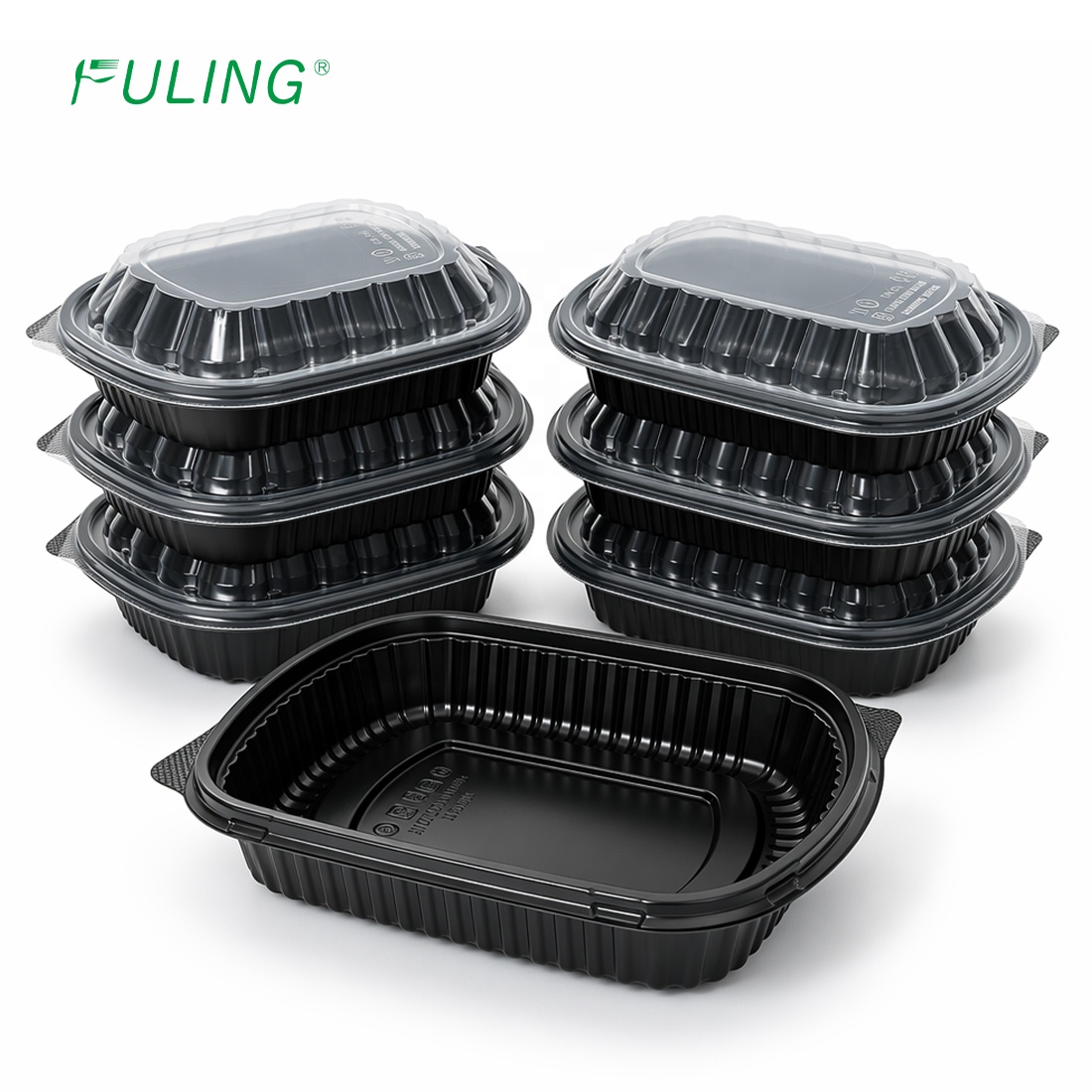
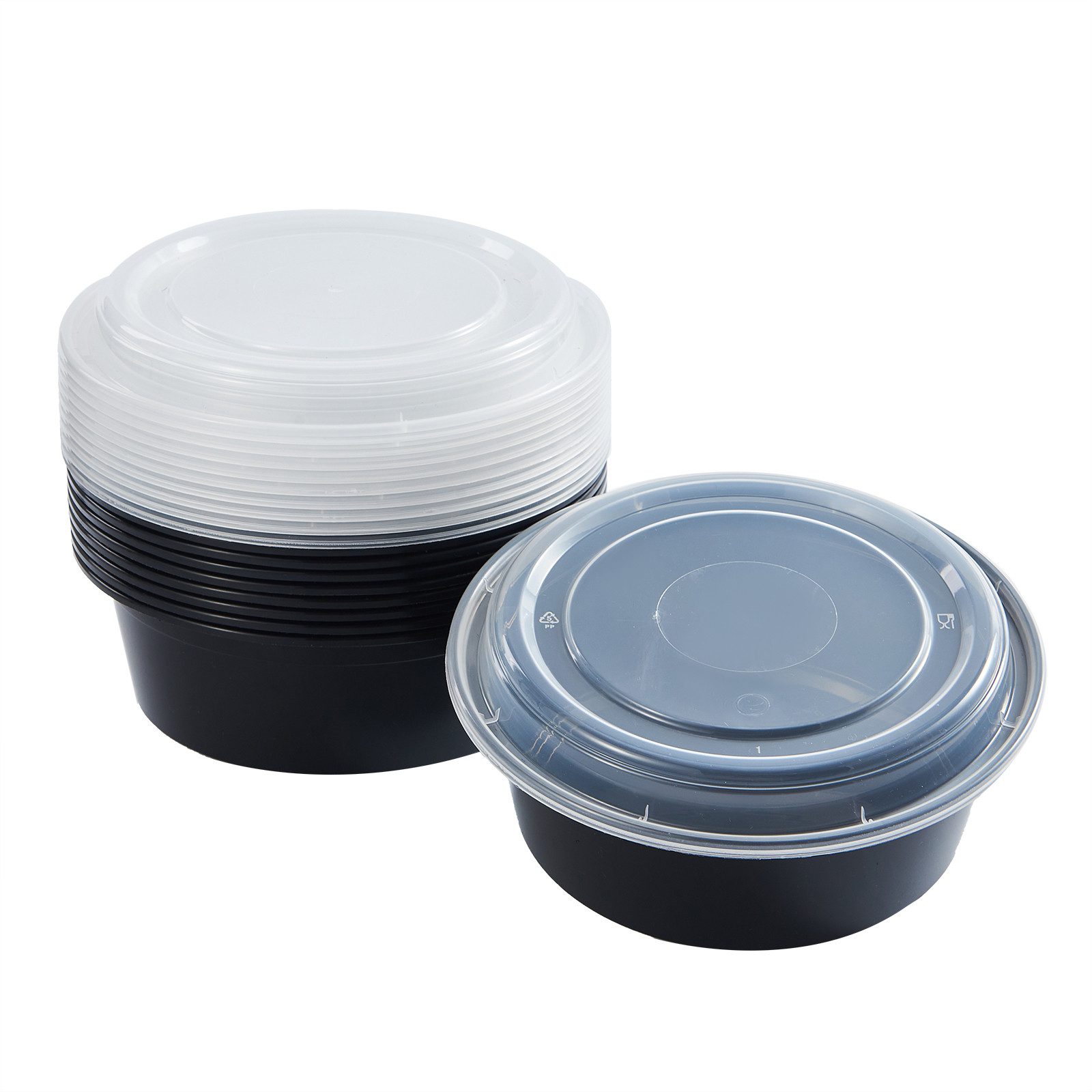
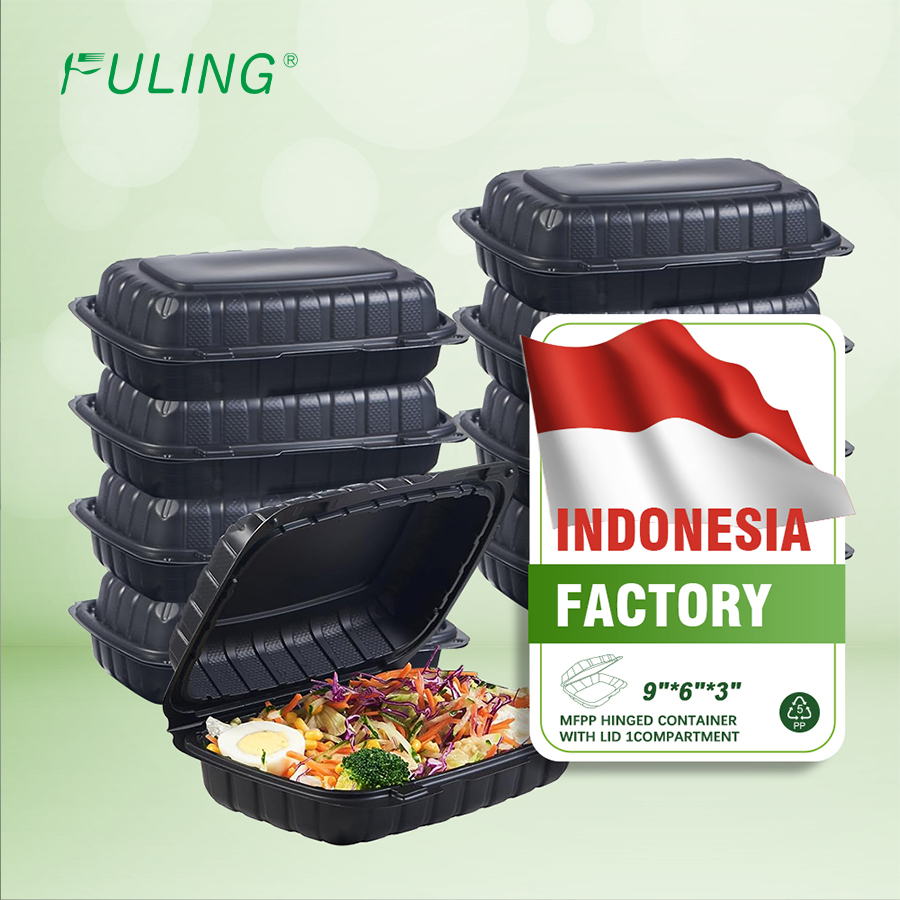
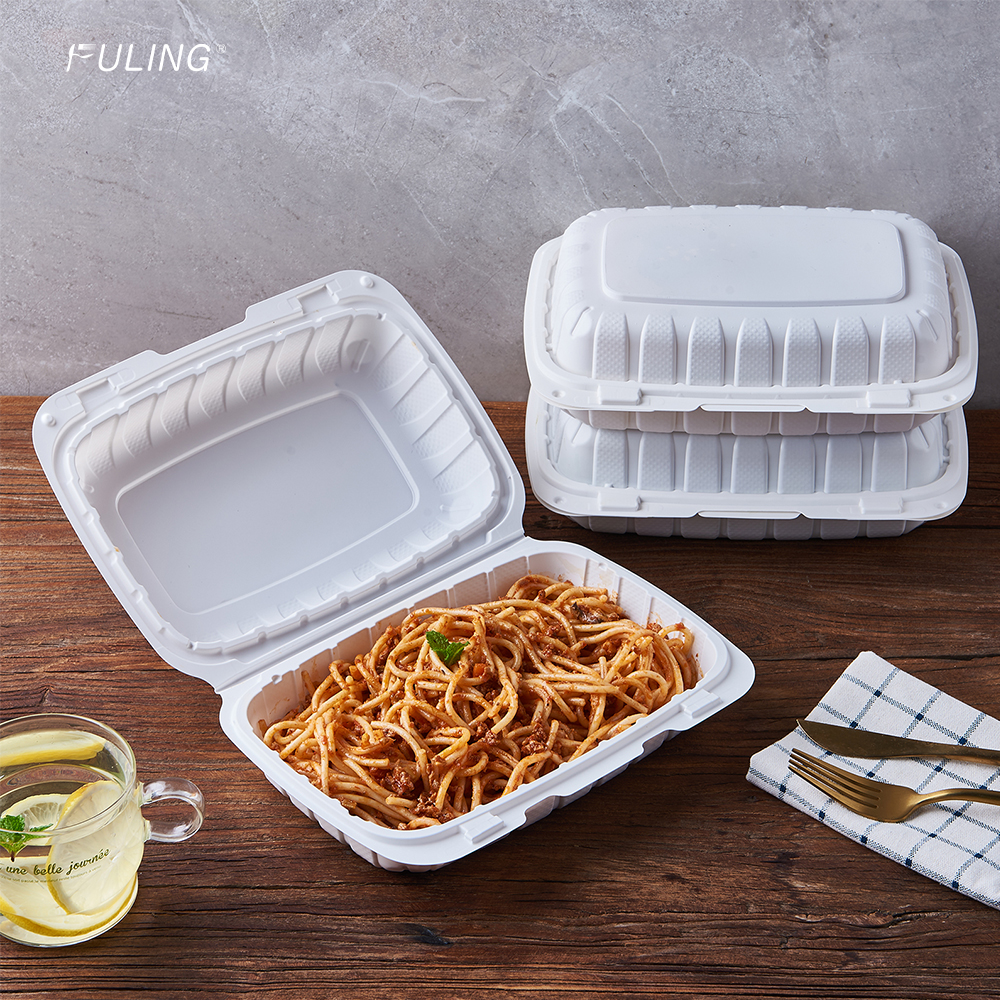
Explore our flagship product series engineered for immediate global dispatch. Each SKU features heavy-duty structural ribbing, leak-resistant dual-snap perimeter seals, and superior thermal tolerance spanning from deep-freeze storage (-20°C) to microwave heating (+120°C).



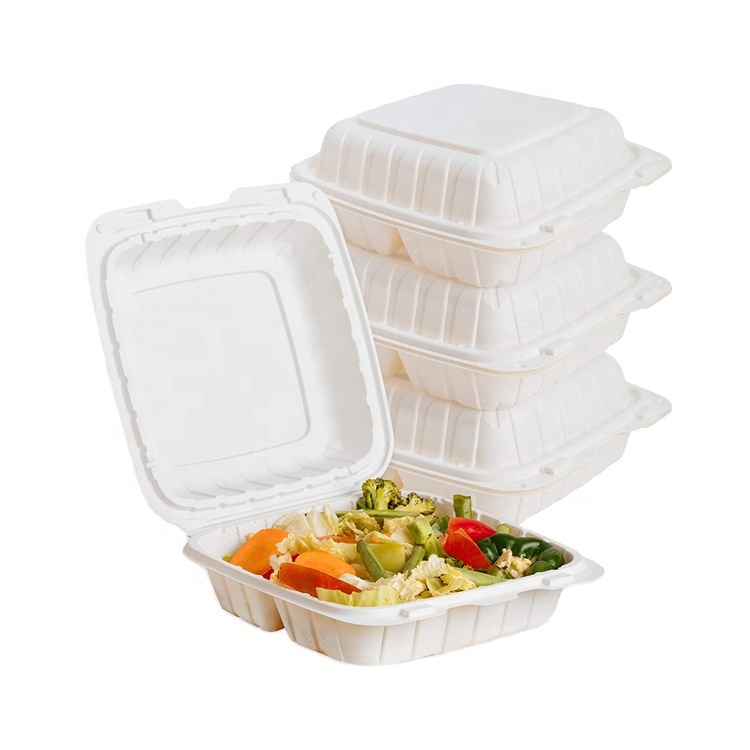
Material Engineering Matrix: Polymer Selection for Global Importers
Selecting the correct substrate matrix is the critical first step in OEM container development. B2B buyers must balance thermal stability, impact resistance during transit, cost per unit, and local plastic taxation frameworks. Below is an engineering comparison of primary food-grade polymers utilized across our automated molding facilities.
| Material Polymer | Thermal Range | Microwave / Freezer | Structural Rigidity | Environmental Profile | Ideal Application |
|---|---|---|---|---|---|
| PP (Polypropylene) | -20°C to +120°C | Safe / Safe | High (Flexural) | 100% Recyclable (#5) | Hot meal prep, soups, oily gravies, QSR take-out |
| MFPP (Mineral-Filled PP) | -20°C to +130°C | Safe / Safe | Superior (Foam-Like) | 50% Reduced Plastic Content | Heavy-duty clamshells, EPS foam substitution |
| PET (Polyethylene Terephthalate) | -40°C to +65°C | Unsafe / Safe | High (Glass Clarity) | Widely Recyclable (#1) | Cold salads, sushi boxes, fruit trays, cold beverages |
| Bagasse (Sugarcane Fiber) | -18°C to +100°C | Safe / Limited | Medium (Fibrous) | 100% Biodegradable / Compostable | Eco-catering, dry meals, eco-conscious retail brands |
Global Procurement & Sourcing Trends (2025–2030 Insights)
As enterprise buyers evaluate vendor relationships for the next decade, market dynamics are being reshaped by regulatory pressure, supply chain volatility, and automated kitchen operations. Aligning with an agile disposable food packaging manufacturer and exporter requires understanding four macro trends:
1. Transition from EPS Foam to MFPP Clamshells
Expanded Polystyrene (EPS) foam bans are active across North America, the European Union, and major Asian markets. Mineral-Filled Polypropylene (MFPP) has emerged as the definitive industrial replacement. By combining food-grade PP resin with up to 40-50% natural calcium carbonate mineral content, MFPP reduces resin consumption, maintains thermal insulation, and delivers superior hinge strength without cracking.
2. Automation-Compatible Denesting Geometries
Ghost kitchens and high-volume meal delivery providers rely heavily on automated robotic packaging lines. Modern container tooling must feature engineered anti-jam precision stacking lugs and uniform flange tolerances. This ensures seamless automatic denesting on high-speed filling lines without human intervention or line stoppage.
3. PFAS-Free Barrier Technologies
Regulatory bans on per- and polyfluoroalkyl substances (PFAS) in molded fiber and paper packaging have forced global shifts. Advanced OEM exporters now deploy next-generation aqueous bio-coatings and fluorochemical-free oil-proofing agents for sugarcane bagasse plates and paper containers, guaranteeing compliance with stringent US state laws and EU REACH standards.
4. Mixed-SKU Container Optimization Math
Rising ocean freight costs demand maximum volumetric efficiency. Importers no longer buy single SKUs by the containerload; they require custom mixed-loading plans. Our logistics engines calculate precise nested carton dimensions to optimize 40ft High-Cube (40HQ) container utilization up to 98.5% capacity, drastically reducing ocean freight costs per unit.
Enterprise Advantages: OEM/ODM Tooling & Quality Architecture
Our manufacturing infrastructure operates as a direct extension of your brand’s procurement department. From initial CAD structural simulation to high-speed multi-cavity injection molding, we execute complete contract manufacturing programs tailored to exact buyer specifications.
Custom Tooling & Rapid Prototyping
Our in-house CNC mold workshop designs and mills precision aluminum and steel molds within 15 to 25 days. 3D-printed functional samples are supplied prior to mass tooling cut, ensuring lid snap-fit integrity, liquid tightness, and stacking stiffness are pre-verified.
Cleanroom Manufacturing & Hygiene Standards
Production takes place in dust-free, automated cleanroom environments equipped with optical vision inspection systems. Every container undergoes real-time visual check for rim defects, pinhole anomalies, and black-spec contamination to meet BRCGS and ISO 22000 hygiene norms.
Frequently Asked Questions (B2B Procurement FAQ)
Addressing key operational, regulatory, and commercial inquiries commonly raised by global purchasing directors and importers:
Streamline Your Food Packaging Supply Chain Today
Connect with our senior technical sales team to request factory-direct wholesale pricing, custom tooling evaluations, or comprehensive physical sample kits delivered directly to your corporate office.
Get Catalog