Factory-Direct Food Packaging Portfolio
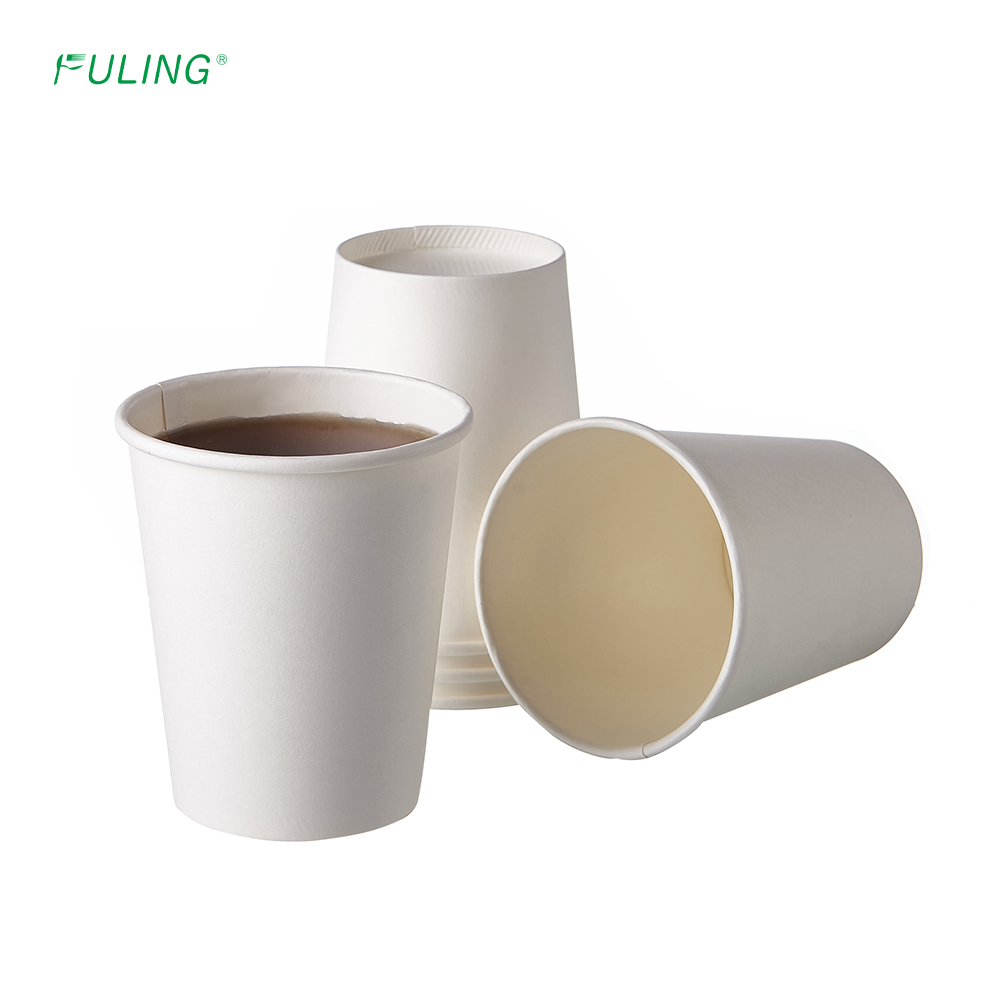
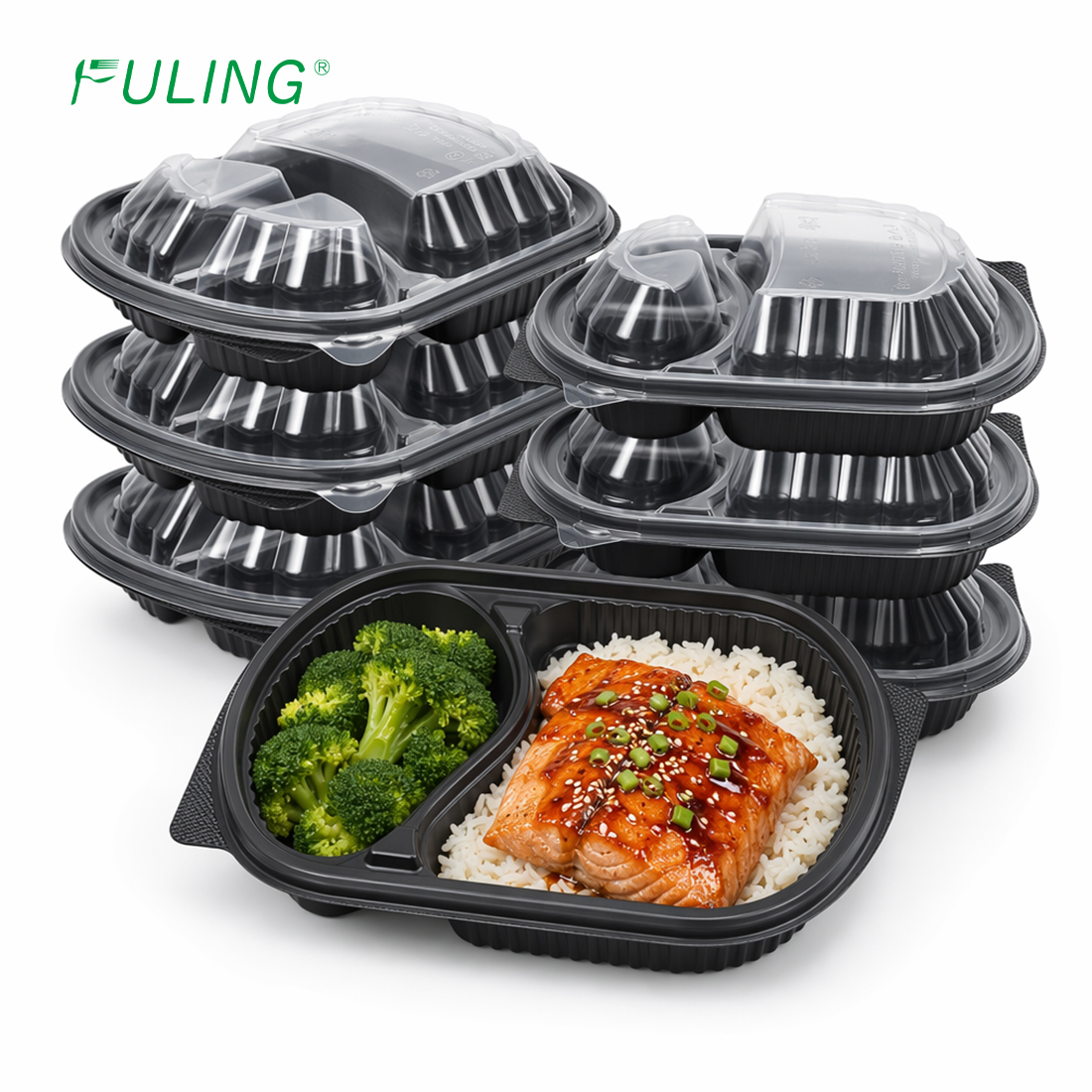
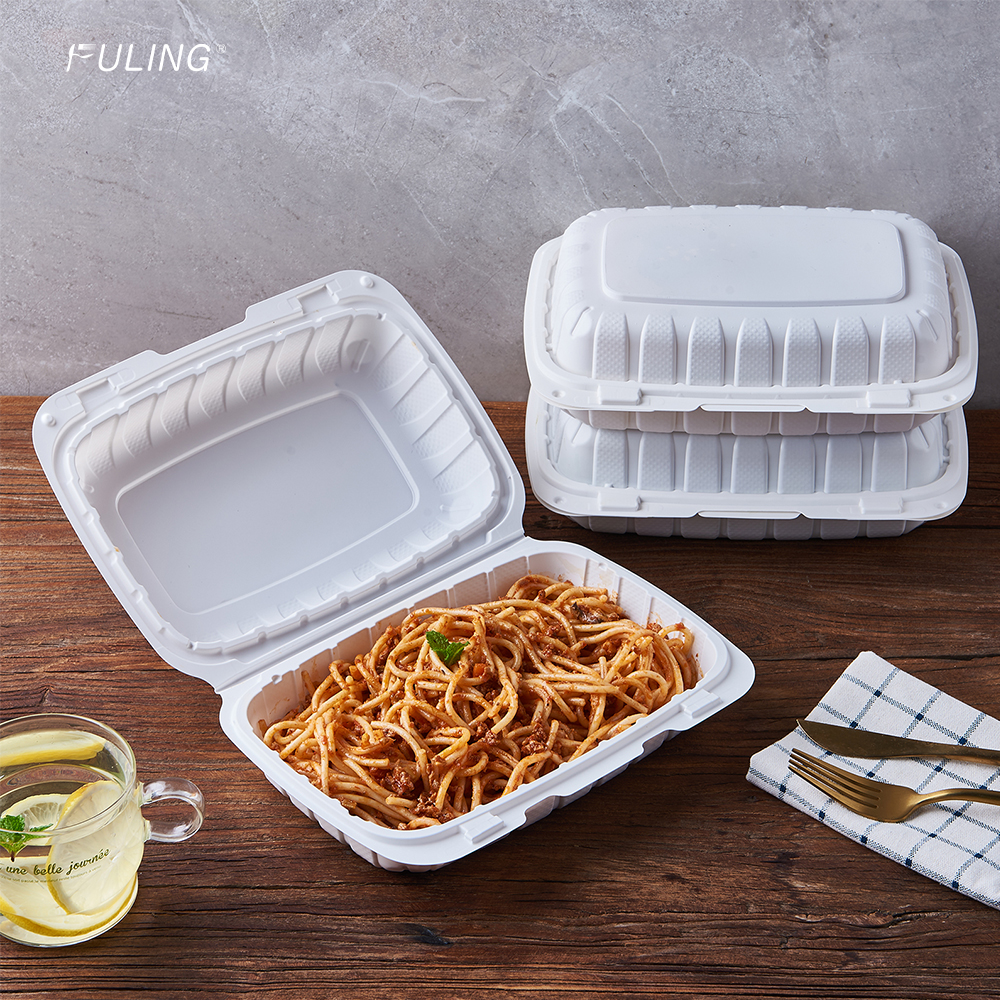
Explore our comprehensive OEM/ODM line of food-grade containers, custom paper hot cups, microwavable PP meal trays, and sustainable packaging components built for global export.


The Technical Evolution of Kraft Food Boxes in Commercial Foodservice Procurement
In the modern QSR (Quick Service Restaurant), delivery, and retail food packaging sector, the demand for OEM/ODM Kraft Food Boxes has evolved from basic containment to high-performance packaging engineering. Procurement directors, brand owners, and commercial food distributors no longer evaluate kraft paperboard packaging solely on cost-per-unit. Instead, evaluation framework centers on structural compression strength, fluid and grease barrier efficiency, thermal retention metrics, compliance with global food-contact regulations (PFAS-free mandates), and carbon footprint optimization.
Virgin unbleached kraft paperboard, manufactured primarily from softwood sulfate pulp, offers superior tear resistance and tensile strength compared to recycled alternatives. The long, unrefined wood fibers create a resilient structural matrix that resists buckling under stacking loads during hot-food transit. As takeaway delivery logistics expand globally, packaging must withstand internal humidity (steam generated by hot fried food or rice) while preventing external grease seepage. Achieving this requires precision engineering of both paperboard substrate grammage (GSM) and internal barrier coatings.
Information Gain Metric: Standard unbleached virgin kraft food boxes engineered with 300 GSM to 350 GSM paperboard exhibit up to 35% higher top-load stack strength compared to recycled chipboard of equivalent thickness, preventing package collapse during multi-tier delivery dispatch.
Technical Specification Matrix: Kraft Packaging Engineering Standards
Below is an technical matrix comparing core raw material properties, barrier coatings, and functional tolerances across high-demand kraft packaging configurations:
| Parameter / Specification | Standard PE-Lined Kraft Box | Bio-PLA Lined Kraft Box | Aqueous Dispersion (PE-Free) | Heavy-Duty Corrugated Kraft |
|---|---|---|---|---|
| Substrate GSM Range | 230 - 350 GSM Virgin Kraft | 250 - 330 GSM Virgin Kraft | 280 - 360 GSM Virgin Kraft | 300 GSM Liner + E-Flute |
| Barrier Coating Type | 15-18 GSM Polyethylene (PE) | 18-20 GSM Poly-Lactic Acid | Water-based Dispersion Polymer | Uncoated / Greaseproof Lining |
| Temperature Rating | -20°C to 100°C (-4°F to 212°F) | -10°C to 80°C (14°F to 176°F) | -18°C to 120°C (0°F to 248°F) | -20°C to 140°C (-4°F to 284°F) |
| Kit Greaseproof Grade (TAPPI T559) | Kit Level 12 (Maximum) | Kit Level 10 - 12 | Kit Level 9 - 11 | Kit Level 8 - 12 (Custom) |
| Cobb 60 Water Absorption | < 15 g/m² | < 18 g/m² | < 20 g/m² | < 25 g/m² |
| Recyclability & End-of-Life | Standard Pulping Separation | Industrial Compostable (EN 13432) | Direct Repulpable / Recyclable | 100% Curbside Recyclable |
Custom OEM/ODM Manufacturing & Structural Customization Workflows
Our factory-direct OEM/ODM capabilities encompass the full spectrum of structural engineering, pre-press graphic integration, die-cutting precision, and automated high-speed folding. By managing production from raw paperboard slitting to final carton packaging, we enforce rigorous quality control across every dimensional tolerance.
Precision Die-Cutting & Structural Locking
Automated flatbed and rotary die-cutters ensure micro-fine creasing lines. Leak-resistant folded corners (webbed corner designs) eliminate the need for chemical adhesives at seam points, ensuring structural integrity under liquid pressure.
Flexographic & Offset Custom Printing
Equipped with 6-color flexographic and high-definition offset printing presses using soy-based and water-based inks. We offer Pantone color matching, low-odor food-safe drying, and spot UV or foil stamping for premium branding.
Window Patching & Multi-Material Integration
High-speed window patching machinery integrates anti-fog PET, PLA, or cellulose clarity films onto kraft boxes for retail displays (bakery, salad, and deli items) while maintaining thermal sealability.
End-to-End ODM Solution Architecture
From conceptual sketch to mass production, our structural packaging engineers collaborate directly with procurement clients to execute customized box geometries:
- 1. Conceptual Design & 3D Renderings: Rapid structural prototyping using CAD layout software to optimize sheet yield, minimizing raw material waste by up to 14%.
- 2. Physical Sampling & Stress Testing: Delivery of physical prototypes within 3 to 5 business days for drop-testing, microwave performance, grease migration verification, and lid-fit sealing checks.
- 3. Precision Tooling & Mold Production: In-house CNC toolmaking for custom embossed logos, unique snap-lock tabs, and specialized ventilation louvers.
- 4. High-Efficiency Automated Production: Operating multi-station automated box-forming machinery running at speeds exceeding 180 pieces per minute per line.
Future Procurement Trends: Navigating Regulatory Shift & Sustainability Mandates
The global regulatory landscape governing food packaging is undergoing its most radical transformation in decades. B2B importers, restaurant group buyers, and packaging distributors must align their supply chains with stringent international environmental compliance standards. Failing to anticipate these regulatory shifts risks container impoundment at port customs, environmental levies, or brand reputational damage.
1. The Global Elimination of Per- and Polyfluoroalkyl Substances (PFAS)
Historically, fluorinated chemicals (PFAS) were widely used as oil and grease repellents in molded fiber and paperboard packaging. However, legislation across North America (such as California AB 1200, Washington HB 1561) and the European Union (REACH amendments and upcoming PPWR restrictions) strictly prohibits intentionally added PFAS in food-contact packaging. Modern OEM/ODM procurement must verify that paper kraft packaging utilizes certified PFAS-free grease barrier technologies—such as modified starch coatings, acrylic dispersions, or bio-wax laminations—verified via fluorine total content testing (<100 ppm total fluorine limit).
2. EU Single-Use Plastics Directive (SUPD) & Packaging Packaging Waste Regulation (PPWR)
European buyers face aggressive targets under the PPWR, mandating that all packaging marketed within the EU must be technically recyclable by 2030 and economically recyclable at scale by 2035. This directive is driving a massive transition from traditional PE-coated kraft containers to aqueous dispersion coated paperboard. Dispersion coatings dissolve during standard paper pulping recycling streams, allowing kraft boxes to be processed alongside regular paper waste without requiring specialized polyethylene separation facilities.
3. Carbon Neutrality & Scope 3 Supply Chain Accounting
Enterprise food chains are actively calculating the product carbon footprint (PCF) of their takeaway consumables. Unbleached kraft packaging naturally carries a significantly lower carbon footprint than bleached virgin board or expanded polystyrene (EPS) foam, as the unbleached pulping process eliminates energy-intensive chlorine dioxide bleaching steps. OEM manufacturers providing ISO 14067 environmental product declarations (EPDs) and FSC (Forest Stewardship Council) chain-of-custody tracking are rapidly replacing non-traceable suppliers.
Material Engineering & Next-Generation Product Development Trends
Looking toward the next 3 to 5 years, technical innovation in OEM/ODM kraft food boxes will be governed by three main technological breakthroughs:
1. Bio-Based High-Barrier Dispersion Coatings
Next-generation water-based polymer dispersions are achieving oil/water barrier performance equal to standard PE lining while offering complete repulpability in conventional paper mills. These bio-monomers represent the definitive future of sustainable takeaway packaging.
2. Smart Venting & Moisture-Control Structures
Crispness retention in delivery food remains a major friction point. Future kraft box structural designs incorporate indirect micro-perforations and condensation-trapping corrugated fluting that allows steam to escape while trapping ambient heat.
3. Lightweighting & High-Yield Fiber Blends
Advanced mechanical pulping and fiber refinement techniques allow manufacturers to produce 280 GSM paperboard exhibiting the stiffness, Mullen burst strength, and caliper thickness previously requiring 330 GSM board, reducing overall shipping weight and raw material consumption.
Enterprise Manufacturing Advantages & Global Supply Chain Infrastructure
Choosing the right OEM/ODM manufacturing partner requires evaluating operational stability, quality assurance protocols, and global logistical capabilities. As an established food packaging manufacturer with decades of direct export experience, our production infrastructure is specifically optimized for high-volume B2B importers, chain restaurants, and international packaging brands.
Core Manufacturing Strengths
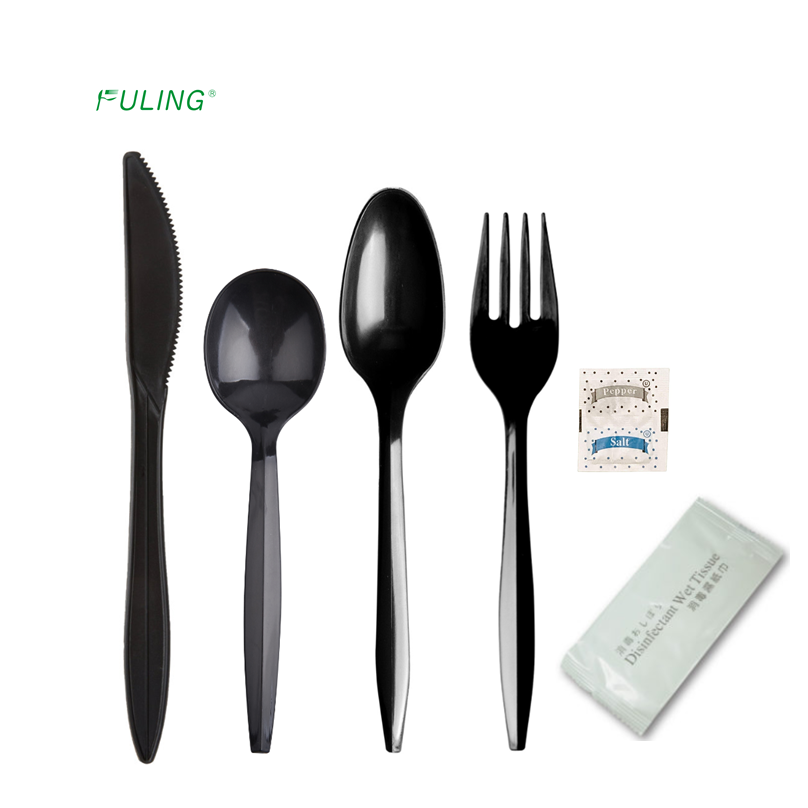
- Vertically Integrated Production Facilities: Operating fully automated paper cup forming machines, high-speed sheet-fed die cutters, thermoforming lines, and automated cutlery wrapping units under a single QMS framework.
- Strict Food-Contact Compliance & Certifications: Our factories operate under stringent hygiene standards compliant with FDA 21 CFR 176.170 (US Food and Drug Administration), EU Regulation 10/2011, LFGB, and certified under ISO 9001, ISO 22000, and BRCGS Packaging Materials standards.
- Comprehensive Quality Control (AQL 1.5 Standard): Every production lot undergoes rigorous in-line automated vision inspections alongside manual lab testing, including Mullen burst tests, Cobb moisture absorption metrics, hot-water/oil leak testing, and stack compression tests.
- Consolidated LCL & Mixed-Container Logistics: We specialize in combining multiple product families (e.g., custom kraft boxes, paper hot cups, microwavable PP containers, and cutlery kits) into consolidated 20GP or 40HQ container shipments, significantly minimizing inventory holding costs and freight cost per SKU for importers.
Frequently Asked Questions (FAQ) for Commercial Packaging Buyers
Partner with a World-Class OEM/ODM Kraft Packaging Manufacturer
Ready to upgrade your takeaway packaging program, optimize freight efficiency, or verify technical compliance? Request custom structural samples, factory direct pricing, and detailed material dossiers today.
Contact Us