Featured Foodservice Packaging & Salad Container Portfolio
Factory-direct OEM/ODM commercial packaging solutions manufactured with virgin food-grade resins, engineered for leak-proof transport, structural clarity, and prolonged shelf-life stability.
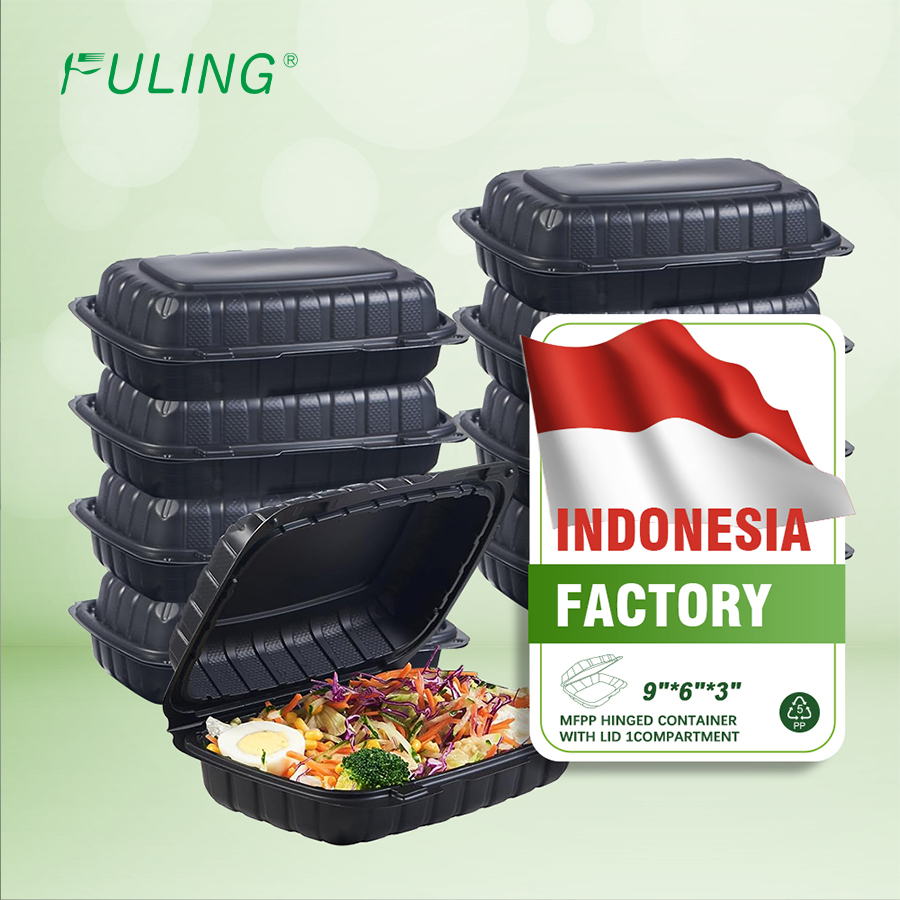
FULING Black Take Out Food Containers 9x6 Inch Hinged MFPP Disposable Clamshell To-Go Boxes
Heavy-duty 9x6 hinged food container utilizing natural mineral filler to reduce plastic footprint by 40%. Features high heat tolerance and grease-proof perimeter snap locks.
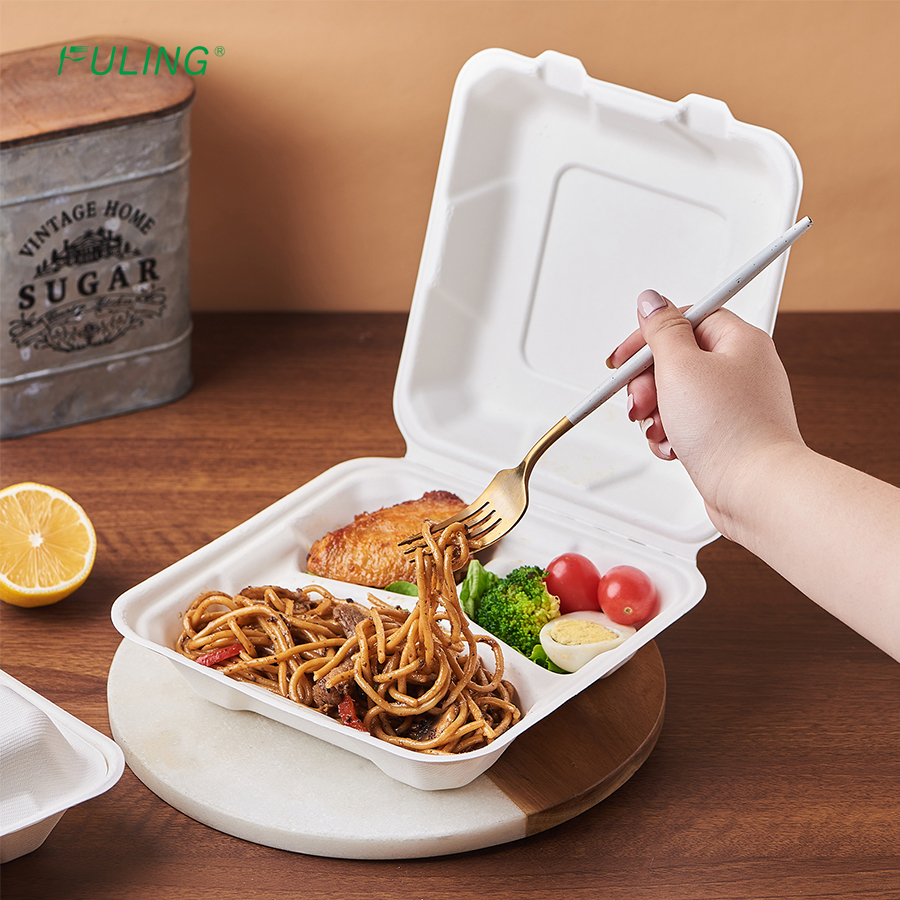
FULING Bagasse Disposable Compostable Clamshell 3 Compartment Hinged Container
Biodegradable sugarcane pulp meal prep container with three partitioned sections. Ideal for salad bars, deli entrees, and eco-conscious food delivery chains.

FULING 1/2/3 Compartment PP Plastic Disposable Food Tray with Clear Lid
High-clarity PP meal prep tray designed for thermal endurance (-20°C to +120°C). Anti-fog anti-spill lid keeps produce crisp and hot meals insulated.
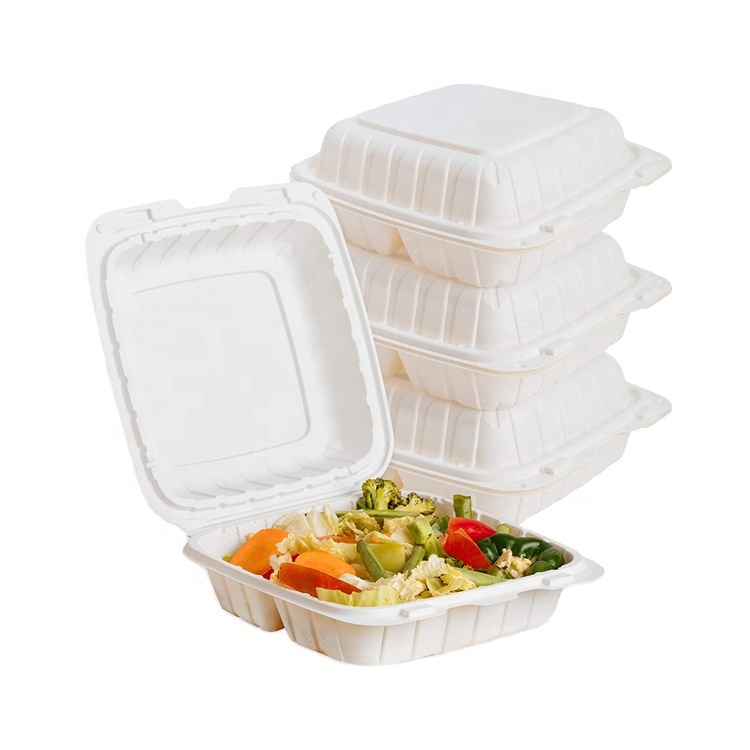
9x9 Inch Large Hinged Lid Takeaway Food Container Heavy Duty MFPP Box
Commercial-capacity 9x9 takeaway clamshell. Built with structural ribbing for multi-tier stacking during high-volume delivery operations.
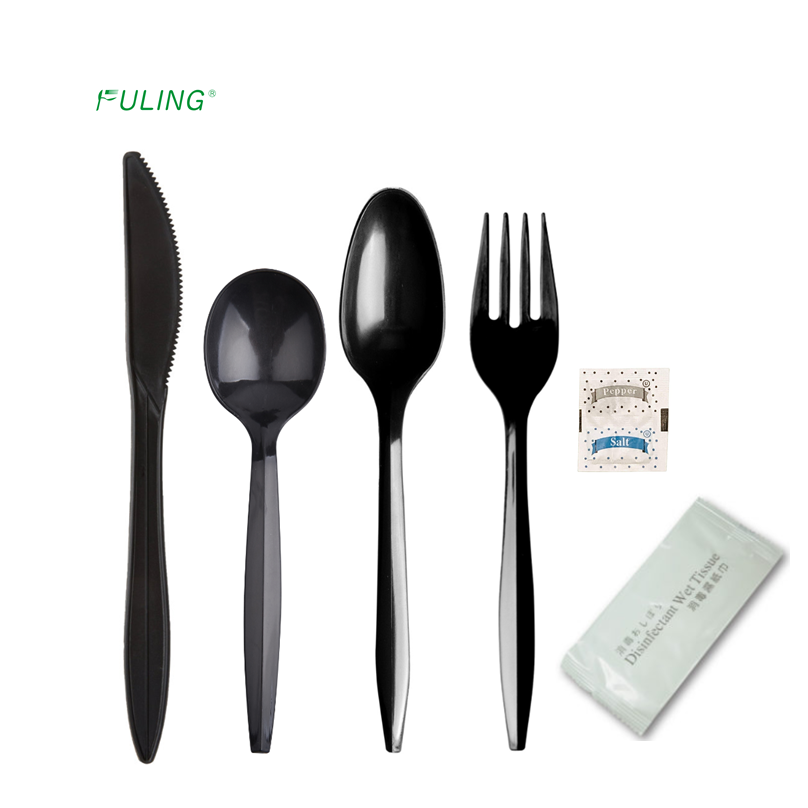
FULING Custom Restaurant Flatware Sets Cutlery Set with Wet Tissue
Hygienic 4-in-1 to 6-in-1 wrapped plastic cutlery kits containing heavy-weight PP/PS fork, knife, spoon, napkin, and sanitizer tissue for takeout salad dining.

FULING 8 Inch Biodegradable Sugarcane Bagasse Plates
Plant-based 8-inch disposable plate manufactured from upcycled bagasse fiber. Engineered for cold salads, oil-rich dressings, and heavy catering portions.
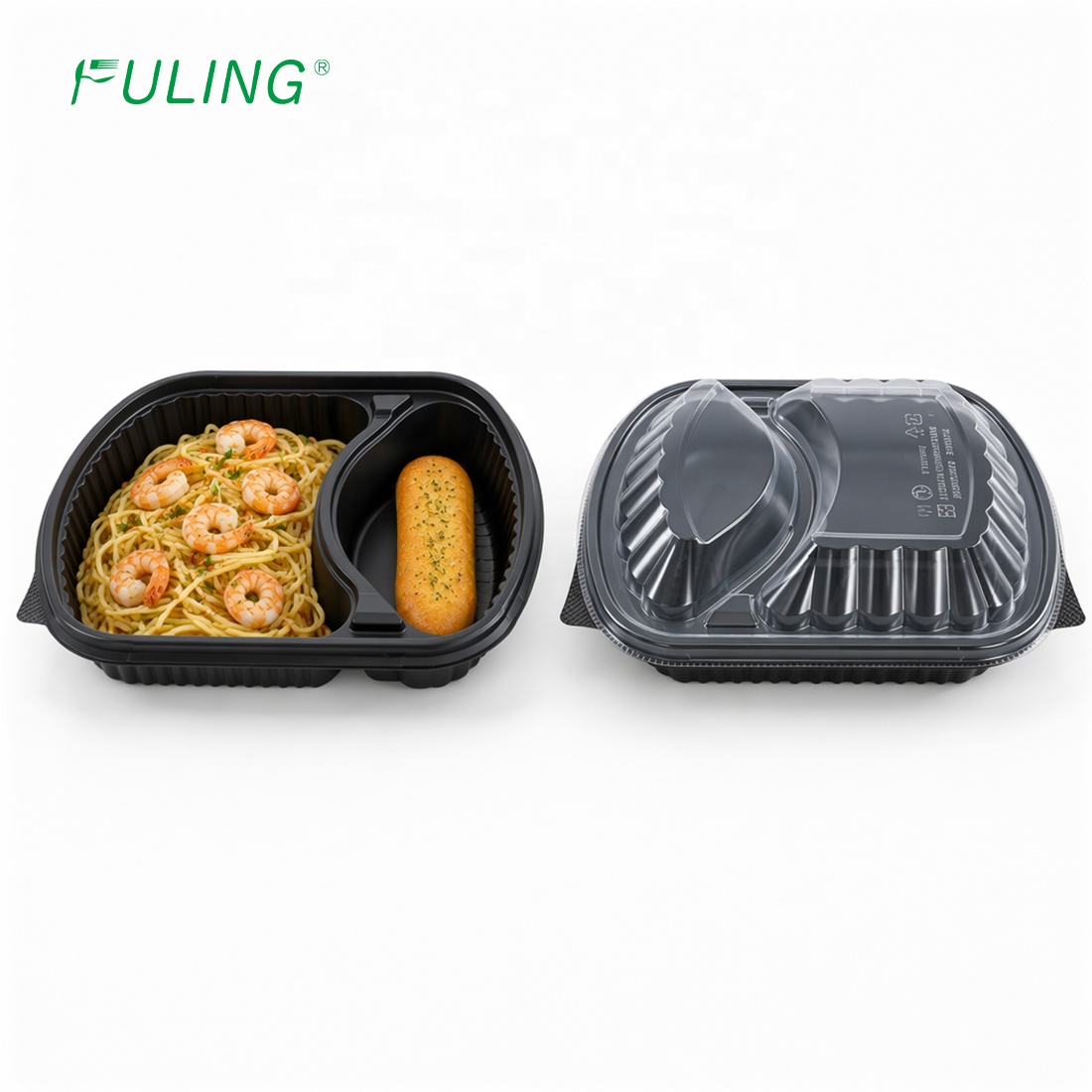
FULING Custom PP Plastic Disposable Take Out Food Box Container
Customizable PP takeout container available in round, square, and rectangular geometries. Supports IML (In-Mold Labeling) and custom embossing for brand identity.
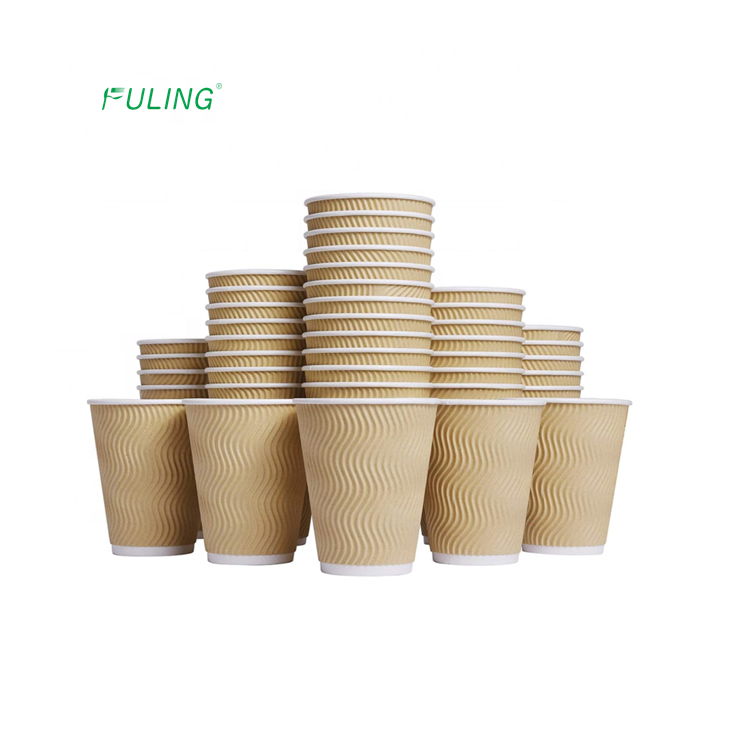
Factory Wholesales Paper Coffee Cups Disposable Ripple Wall 10oz
Triple-layer insulated 10oz ripple paper cup. Provides superior ergonomic grip and heat insulation for coffee, broth, and hot beverage menu additions.
OEM/ODM Manufacturing Excellence & Supply Chain Capacity
As a global tier-one manufacturer and exporter of rigid plastic salad containers, deli bowls, and food packaging, we combine advanced polymer engineering with automated cleanroom production to serve high-volume importers, food distributors, and QSR chains.
Precision Polymer Injection & Thermoforming Technology
Our state-of-the-art facilities utilize fully automated German Kiefel thermoforming systems and high-precision injection molding machines to fabricate plastic salad containers with exacting wall-thickness uniformity. By maintaining microscopic tolerances during the thermoforming process, our containers achieve up to 30% greater stack stability compared to standard market alternatives. This structural rigidity prevents corner buckling during multi-tier freight transit and retail shelf stacking.
Our OEM/ODM engineering capabilities extend from initial 3D CAD modeling and rapid prototyping (within 72 hours) to custom mold fabrication for proprietary container geometries. Whether your market demands ultra-clear APET salad bowls with anti-fog properties or microwave-safe polypropylene (PP) hinged clamshells, our material processing lines ensure consistent resin density, optical clarity, and perimeter seal integrity.
Custom Mold Engineering
In-house tooling facility capable of producing multi-cavity thermoforming molds with integrated embossed logos, custom volume graduation marks, and proprietary locking mechanisms.
In-Mold Labeling (IML)
High-resolution offset and IML print integration directly onto container walls, providing scratch-resistant, photo-realistic branding without requiring secondary label application.
Consolidated Logistics
Engineered outer cartons optimized for 20GP, 40GP, and 40HQ container volumetric capacity. Maximize unit counts per shipment while minimizing ocean freight unit costs.
Polymer Material Engineering for Fresh Produce Salad Packaging
Selecting the optimal resin composition is critical for preserving lettuce crispness, controlling Oxygen Transmission Rates (OTR), preventing moisture loss, and avoiding lid fogging under refrigerated display lighting.
Salad packaging demands a subtle balance between structural barrier performance and optical presentation. Fresh greens continuously undergo respiration, absorbing oxygen and releasing carbon dioxide and water vapor. Importers must carefully select material substrates—such as APET, RPET, Virgin Polypropylene (PP), or Mineral-Filled Polypropylene (MFPP)—based on cold-chain shelf-life expectations, microwaveability requirements, and regional sustainability legislation.
Standard clear plastic lids tend to condense water droplets when moved from cold prep rooms to refrigerated displays, obscuring consumer visibility. Our premium OEM plastic salad bowls feature food-safe internal anti-fog additives co-extruded into the PET/PP resin layer. This alters the surface tension of water droplets, forcing them to spread into an invisible microscopic film, preserving 100% optical clarity under 2°C to 5°C display conditions.
| Polymer Material | Optical Clarity | Temperature Range | Recycling Code | Primary Application in Salad Packaging | Key Advantage |
|---|---|---|---|---|---|
| APET (Polyethylene Terephthalate) | Glass-Like (92% Light Transmittance) | -40°C to +60°C | #1 PET (Highly Recyclable) | Premium Retail Salad Bowls, Cut Fruit Containers | Superior rigidity and crystal clarity for visual display |
| RPET (Post-Consumer Recycled PET) | High Clarity (88-90% Transmittance) | -40°C to +60°C | #1 PET | Eco-Friendly Supermarket Salad Packaging | Reduces virgin carbon footprint by up to 65%; EFSA/FDA food-contact approved |
| Clarified PP (Polypropylene) | Semi-Clear / Translucent | -20°C to +120°C | #5 PP | Hot/Cold Hybrid Salad Meal Prep, Deli Containers | Microwave-safe; excellent resistance to dressing oils and acids |
| MFPP (Mineral-Filled PP) | Opaque (Black / White / Kraft) | -20°C to +130°C | #5 PP Compound | Hinged Salad & Warm Grain Bowl Takeout Boxes | Replaces EPS foam; reduces plastic content by 40-50% using natural calcium carbonate |
| PLA (Polylactic Acid / Bio-Plastic) | High Clarity | -18°C to +45°C | #7 Bio | Commercial Organic Salad Markets | 100% Industrial compostable derived from cornstarch (ASTM D6400 compliant) |
Future Procurement Trends for Plastic Salad Containers (2025–2030)
Navigating global regulatory shifts, plastic taxes, PFAS bans, and the transition toward circular economic models in foodservice packaging procurement.
1. PFAS-Free Fluorine-Free Barrier Mandates
Global food safety authorities, including the US FDA, EU REACH, and state-level environmental bodies, are enforcing strict bans on Per- and Polyfluoroalkyl Substances (PFAS) in food-contact packaging. Modern OEM plastic salad container production must guarantee zero intentional PFAS or fluorinated compounds. Our polymer thermoforming processes utilize pure, unadulterated hydrocarbon resins, ensuring 100% compliance with international chemical safety standards.
2. Mandatory PCR Content & Monomaterial Design
Legislative directives such as the EU Packaging and Packaging Waste Regulation (PPWR) require minimum thresholds of Post-Consumer Recycled (PCR) plastic content in single-use packaging (target: 30% rPET by 2030). Furthermore, procurement is shifting rapidly toward monomaterial container-and-lid combinations (e.g., PET bowl with PET lid) to streamline municipal recycling streams without multi-material sorting friction.
3. Ultra-Lightweighting & Nesting Density
With ocean freight volatility and carbon emissions tracking becoming central to corporate ESG metrics, packaging buyers are prioritizing containers engineered for maximum nesting density. By optimizing wall tapers and rim step geometry, our structural design team has achieved a 25% reduction in nested stack height, enabling up to 15,000 additional salad bowl sets per 40HQ container load.
Custom OEM/ODM Engineering Workflow & Quality Assurance
From napkin sketch to high-speed mass production: How our standardized engineering protocol delivers zero-defect food containers to your distribution warehouse.
Step 01: Concept & 3D CAD
Analysis of target capacity (e.g., 16oz, 24oz, 32oz, 48oz salad bowls), lid sealing method (press-fit vs heat-seal film), and ribbing aesthetic. Generation of 3D solid models within 48 hours.
Step 02: Rapid Prototyping
CNC machining of sample aluminum molds to produce physical prototype samples. Physical testing for drop resistance, snap-lock audible click, and anti-fog efficacy.
Step 03: Mass Tooling
Precision fabrication of multi-cavity hardened steel or aluminum production tooling. Installation of automated robotic pick-and-place stackers for continuous cleanroom molding.
Step 04: AQL 1.5 Inspection
Rigorous in-line automated vision system inspection checking for pinholes, rim deformation, wall variance, and seal integrity prior to automated cartoning.
All our production environments comply with ISO 22000, BRCGS Global Standard for Packaging Materials, and ISO 9001 quality management standards. Raw materials undergo strict incoming batch testing, including Melt Flow Index (MFI) analysis, density verification, and heavy metal screening. Furthermore, overall migration testing (OMT) and specific migration testing (SMT) reports conducted by third-party laboratories (SGS, Intertek, TÜV Rheinland) are supplied with every export shipment to guarantee smooth customs clearance in North America, Europe, and Australia.
Request Custom OEM Samples & Factory Direct Wholesale Pricing
Connect directly with our packaging engineering team to discuss custom mold development, private-label artwork printing, or mixed-container consolidated shipments.
Inquire NowFrequently Asked Questions (B2B Procurement FAQ)
Essential technical, logistical, and compliance guidance for commercial buyers and importers sourcing plastic salad containers.
PET (Polyethylene Terephthalate) offers supreme optical clarity (92% transparency) and structural stiffness, making it the industry standard for cold pre-packaged salads, deli displays, and fresh fruit bowls where visual presentation drives impulse sales. However, PET is restricted to cold foods (-40°C to +60°C). PP (Polypropylene) offers semi-clear visibility but possesses superior thermal resistance (-20°C to +120°C), making it microwavable and ideal for warm grain salads, hot takeout meals, and fatty dressing applications. PP also features higher flexural fatigue resistance, preventing hinge cracking in clamshell designs.
Our engineering team utilizes a dual-action perimeter snap-lock system coupled with continuous undercut rim channels. When the lid is applied, an audible "click" signals complete engagement around the entire container circumference. This continuous mechanical seal prevents liquid dressing bypass even when the container is tilted at 90-degree angles during delivery. Additionally, for automated food assembly lines, we produce flat-top rim profiles engineered specifically for high-speed thermal film sealing (peelable top webs).
For standard stock items in plain clear PET or black PP, our minimum order quantity starts at 30,000 to 50,000 units per SKU. For custom logo printing (dry-offset or flexographic printing on container sidewalls or lids), the MOQ is typically 50,000 units. For completely custom geometric molds requiring exclusive tooling, the initial MOQ is 100,000 units, with tooling costs credited back upon reaching agreed annual volume milestones.
Yes, absolutely. We specialize in consolidated container loading for overseas distributors. You can combine 16oz, 24oz, and 32oz PET salad bowls, matching universal lid SKUs, disposable cutlery kits, portion sauce cups, and paper coffee cups in one shipment. Our logistics team provides computer-optimized container loading diagrams to maximize cubic meter (CBM) utilization, reducing ocean freight costs per individual unit.
All our food packaging products are manufactured using 100% virgin food-grade resins compliant with US FDA 21 CFR 177.1520 (Polyolefin Polymers) and EU Regulation 10/2011 on plastic materials intended to come into contact with food. We hold ISO 22000, BRCGS Packaging Material certifications, and offer comprehensive third-party overall and specific migration test reports (SGS/Intertek). Materials are guaranteed BPA-free, heavy-metal-free, and PFAS-free.
We provide three distinct sustainable packaging pathways: 1) RPET Containers incorporating up to 100% post-consumer recycled plastic diverted from oceans and landfills; 2) MFPP (Mineral-Filled PP) containers which incorporate natural calcium carbonate minerals to reduce plastic polymer usage by up to 50%; and 3) Plant-based Sugarcane Bagasse & PLA containers certified under ASTM D6400 / EN 13432 for industrial compostability.
Cold food displays create temperature gradients between the inside of the container and the humid ambient air, causing water droplets to condense on untreated plastic lid surfaces. Our anti-fog technology incorporates food-grade non-ionic surfactants into the inner surface layer during sheet extrusion. These agents break the surface tension of condensed water, causing it to spread into an invisible, uniform water sheet that maintains optical transparency and enhances fresh produce appearance in retail display cases.
For standard inventory SKUs, ocean vessel loading occurs within 15 to 20 days post-deposit confirmation. For custom printed orders or customized packaging configurations, production lead time ranges from 25 to 35 days. For new custom mold development, mold design and sampling require approximately 20 days, followed by 15 days for initial mass production run execution.