Featured Commercial Food Containers & Tableware
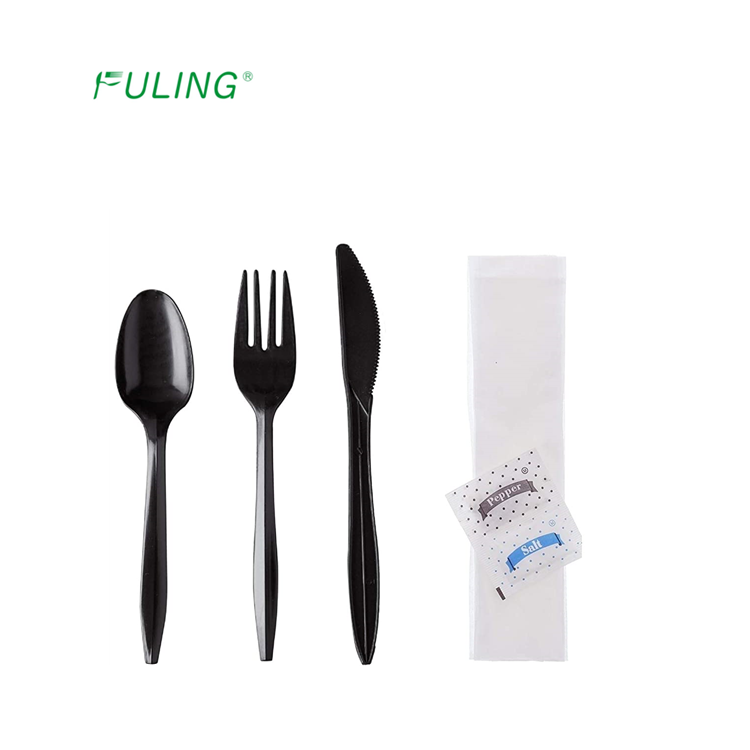
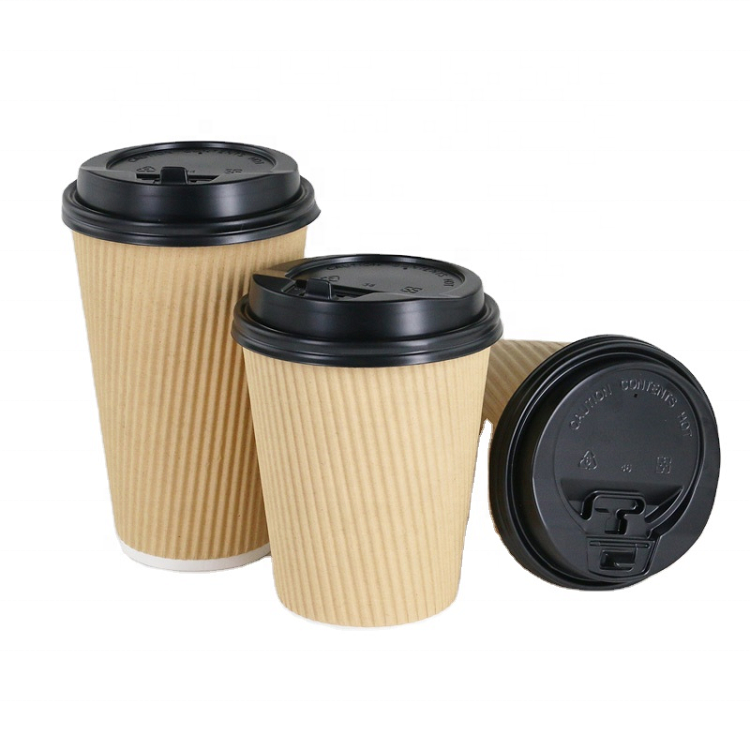
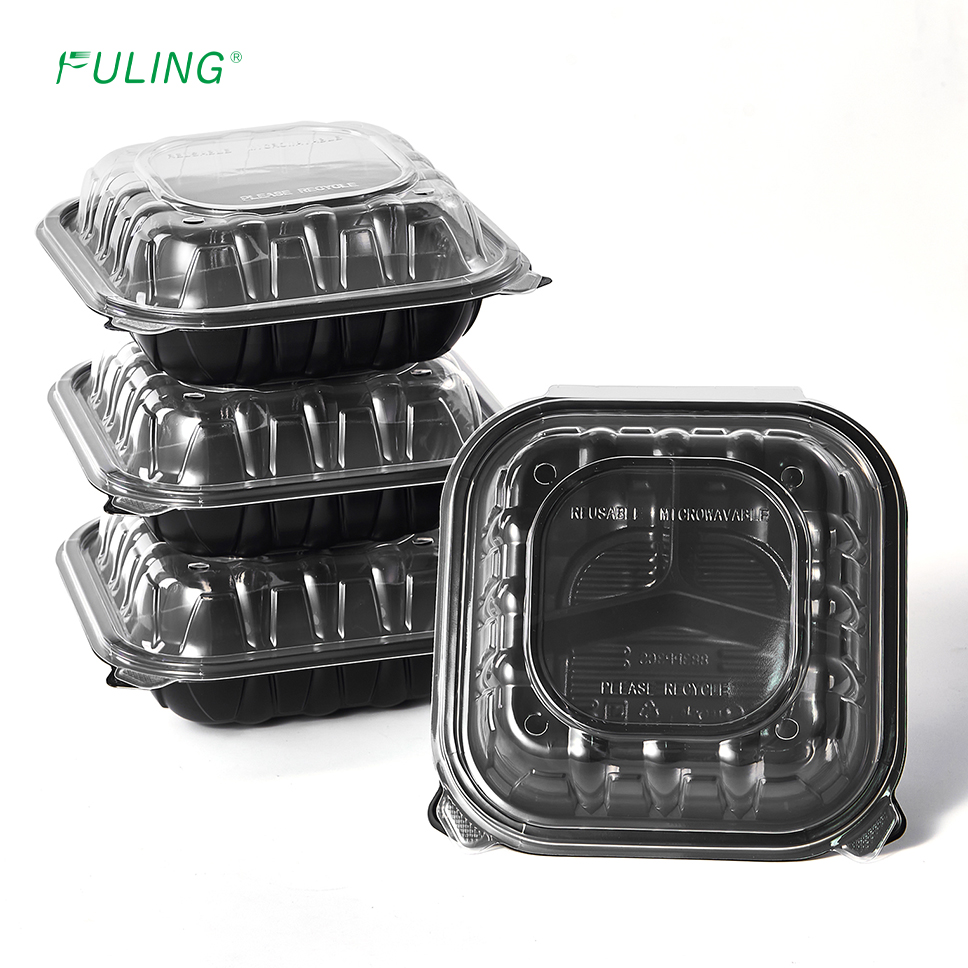
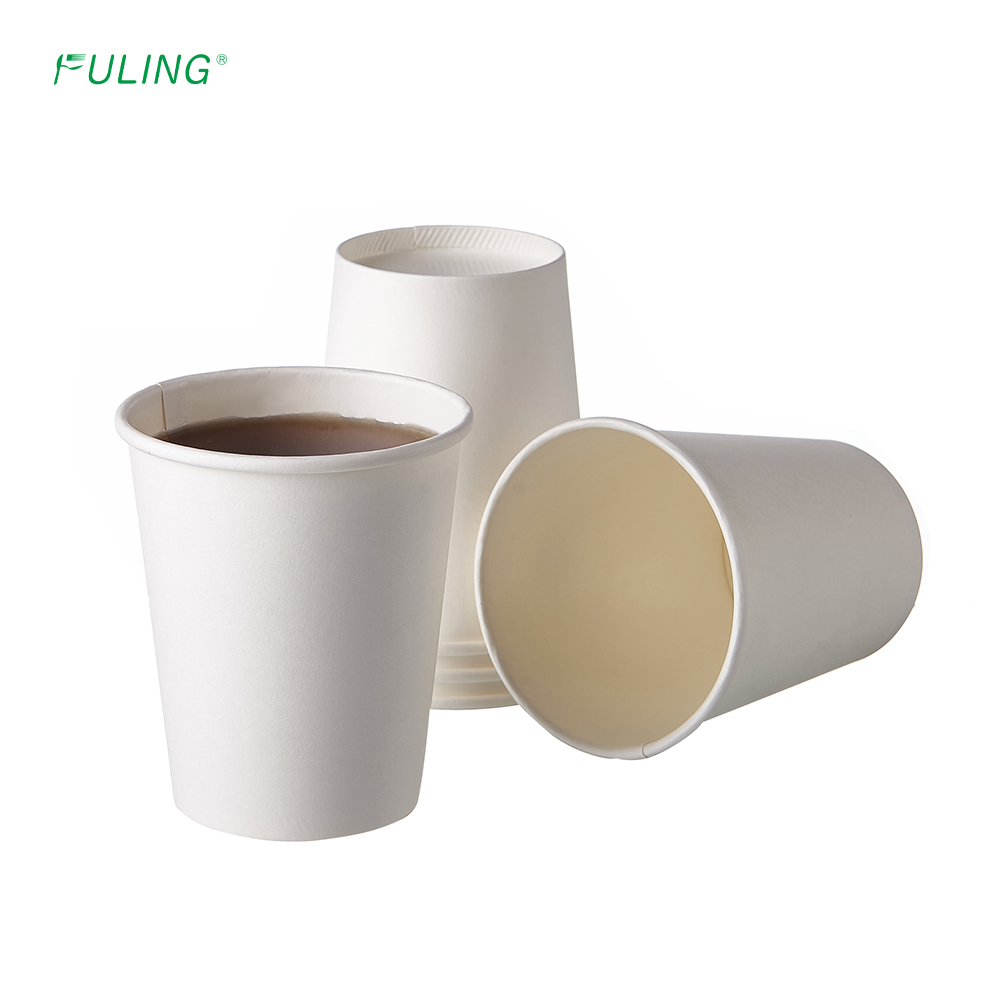
Explore our high-demand food packaging SKUs engineered for global importers, food service distributors, and quick-service restaurant (QSR) chains. Every item complies with international food-contact protocols.


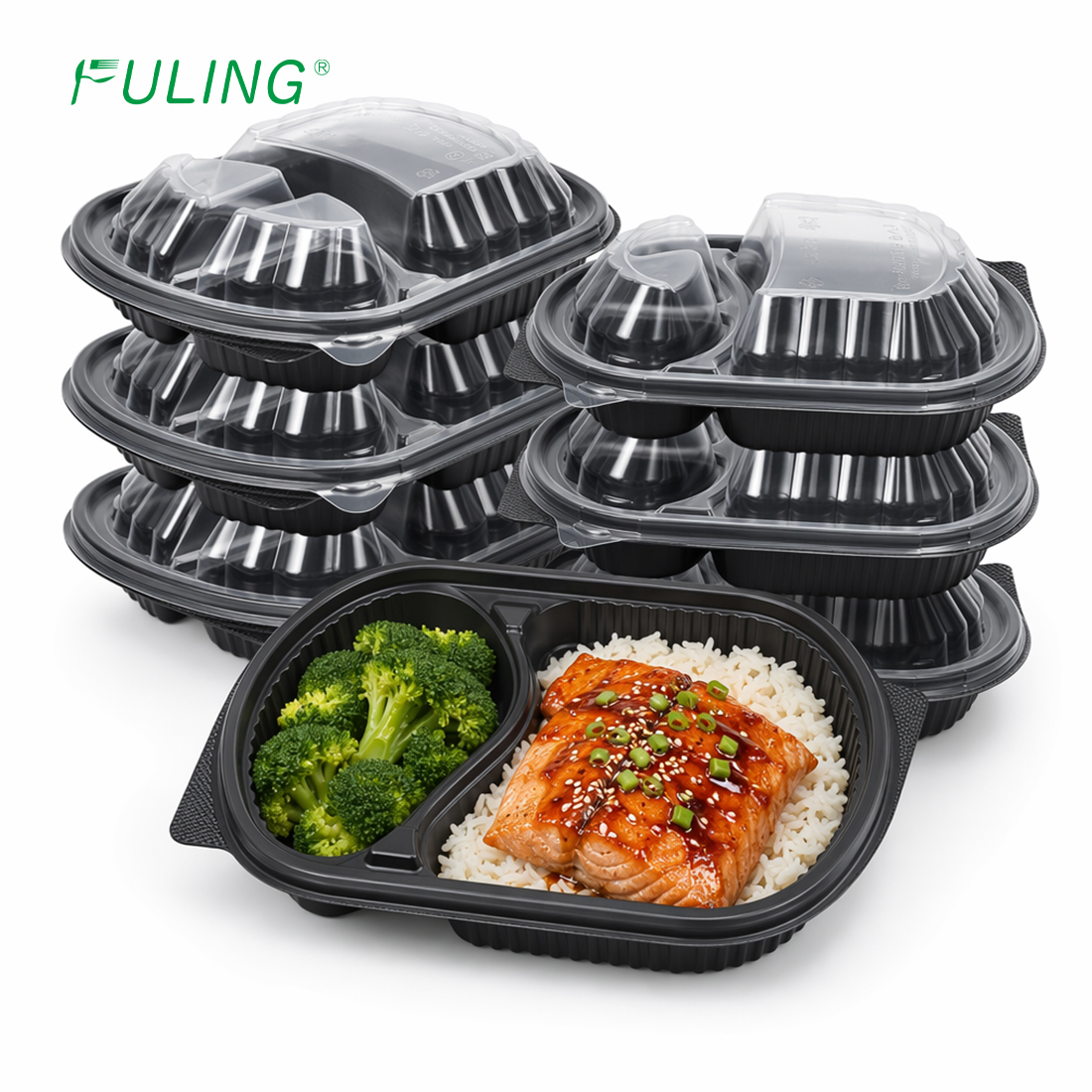

Executive Summary: The Evolving B2B Landscape of Deli Containers
The global commercial food packaging industry is currently undergoing a structural transformation. Driven by the explosive expansion of third-party food delivery platforms, ghost kitchens, and stringent environmental legislation (such as the EU Single-Use Plastics Directive and US state-level PFAS bans), international B2B buyers face unprecedented challenges. Sourcing rigid, leak-resistant, temperature-stable, and compliance-ready deli food containers is no longer merely a purchasing decision—it is a strategic core capability.
This comprehensive industry report evaluates the world's leading deli container manufacturers and exporters. It provides procurement officers, wholesale importers, and restaurant chain brand managers with empirical benchmarks across material selection, high-precision injection molding, anti-fog lid technology, and automated export logistics.
Key Benchmarks for Evaluating Top Deli Container Manufacturers
When auditing potential Tier-1 deli container factories and exporters, B2B procurement managers must look beyond unit prices. True supply chain performance is dictated by automated manufacturing fidelity, food safety certification, and resin purity. Below are the five evaluation pillars used by top-tier global buyers:
Resin Purity & Food-Grade Compliance
Top factories utilize 100% virgin food-contact resins (PP, PET, PS, or certified compostable PLA/Bagasse). Material batches must provide verifiable migration test reports under US FDA 21 CFR 177.1520 and EU Regulation 10/2011.
Precision Lid-Latching Integrity
Leakage during hot-food transit is the #1 complaint in delivery logistics. Leading exporters engineer double-ring snap locks and 360-degree leak-resistant perimeter seals that prevent liquid escape under violent vibration.
Thermal Resistance Range
High-grade microwavable PP containers must endure hot fill temperatures up to 120°C (248°F) without warping or softening, while retaining structural integrity in commercial blast freezers down to -20°C (-4°F).
Automated Thin-Wall Molding
Advanced factories invest in German- or Japanese-built high-speed injection molding lines. Thin-wall technology optimizes container weight, drastically lowering raw material costs and international freight expenses per unit.
Consolidated LCL/FCL Logistics
Exporting requires deep expertise in carton dimensional optimization, container loading software, tariff guidance, and consolidated shipping for mixed-SKU containers (combining cups, bowls, cutlery, and lids).
Material Engineering: Comparative Matrix for B2B Buyers
Selecting the optimal container material requires balancing thermal tolerance, optical clarity, environmental impact, and cost per unit. The table below provides a technical breakdown of the primary polymers and bio-substrates used in commercial deli containers:
| Substrate / Polymer | Optical Clarity | Thermal Resistance | Microwave Safe | Primary Food Application | Environmental Status |
|---|---|---|---|---|---|
| PP (Polypropylene) | Semi-Clear / Opaque | -20°C to 120°C | Yes | Hot soups, gravies, meal prep, curry, takeout | Recyclable #5 |
| MFPP (Mineral-Filled PP) | Opaque (Textured) | -10°C to 125°C | Yes | Hinged clamshells, entrees, fried chicken | 50% Reduced Resin / Recyclable |
| PET (Polyethylene Terephthalate) | Crystal Clear | -40°C to 65°C | No | Cold deli salads, fruits, dips, iced beverages | Recyclable #1 (Widely accepted) |
| Sugarcane Bagasse | Natural Matte | -20°C to 100°C | Yes | Dry & greasy hot meals, eco-catering, lunches | 100% Commercial Compostable |
| PLA (Polylactic Acid) | High Clarity | -20°C to 45°C | No | Organic cold salads, smoothies, fruit cups | BPI Certified Industrial Compostable |
Future Sourcing Trends in Commercial Deli Containers
As global supply chains adapt to decarbonization goals, the manufacturing of single-use food packaging is undergoing massive innovation. Buyers seeking a long-term competitive advantage should align with manufacturers who are pioneering the following developments:
1. Anti-Fog Technology Integration
Condensation buildup inside clear lids obscuring hot meals directly degrades consumer appetite appeal. Leading manufacturers now coat or compound anti-fog additives directly into clear PP and PET lid formulations. This guarantees crystal-clear visibility even when hot soups or steamy noodle dishes are packaged at 90°C+.
2. Transition to PFAS-Free Barrier Coatings
With North America and Europe banning per- and polyfluoroalkyl substances (PFAS) due to health and environmental risks, plant-fiber (bagasse and pulp) manufacturers must utilize bio-wax or fluorochemical-free aqueous coatings to maintain oil and grease resistance up to 30 minutes without leaking.
3. Light-Weighting via Micro-Foaming & Mineral Fillers
By blending natural calcium carbonate or talc with high-flow polypropylene, manufacturers create MFPP hinged containers. This yields a rigid, micro-cellular structure that mimics expanded polystyrene (EPS) foam in heat insulation and rigidity, while complying with global foam ban mandates.
4. Smart Automation & Vision Inspection
Tier-1 factories have replaced manual quality checks with 360-degree high-speed optical vision systems. AI cameras inspect every lid rim, hinge notch, and bottom wall for microscopic pinholes, flash, or deformities at speeds exceeding 120 pieces per minute per line.
Enterprise Manufacturing Advantage: Factory Direct Performance
As a vertically integrated manufacturer and exporter, our facility bridges the gap between high-capacity production and stringent international compliance. We support B2B importers, master distributors, and multi-unit QSR operators with tailored OEM/ODM packaging solutions.
Operating dedicated workshops for injection molding, thermoforming, paper cup forming, and automated cutlery kit assembly, our factory isolates production environments to prevent cross-contamination. Every order undergoes rigorous quality assurance steps before container loading:
Verified Certifications
Fully compliant with ISO 9001, BRCGS Packaging, FDA food contact standards, EU 10/2011, and LFGB migration safety parameters.
OEM & Custom Branding
In-house artwork proofing, high-definition flexographic printing, custom embossed lid logos, and private-label retail master cartons.
Optimized Mixed Loading
Maximize your freight ROI. Combine high-cube paper cups with nested injection deli tubs in single 40HQ container shipments.
Frequently Asked Questions (FAQ) for Global Buyers
Partner with a World-Class Deli Container Manufacturer
Streamline your packaging supply chain with direct factory pricing, guaranteed lid-fit accuracy, and documented food-contact compliance. Contact our export engineering team today for instant quotes, technical datasheets, and sample kits.
Contact Us