Featured Food Packaging & Tableware Solutions
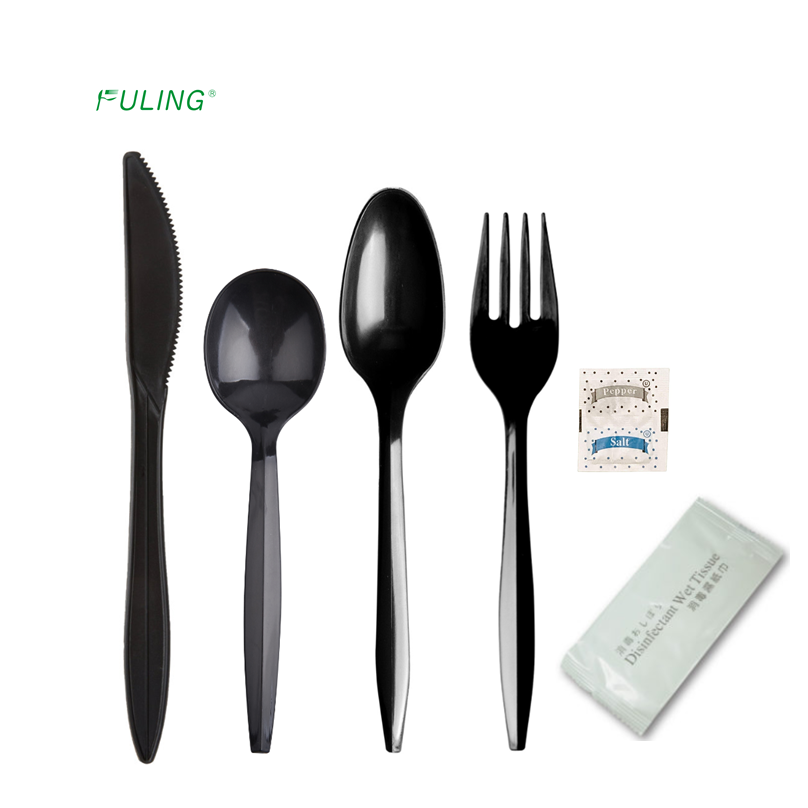
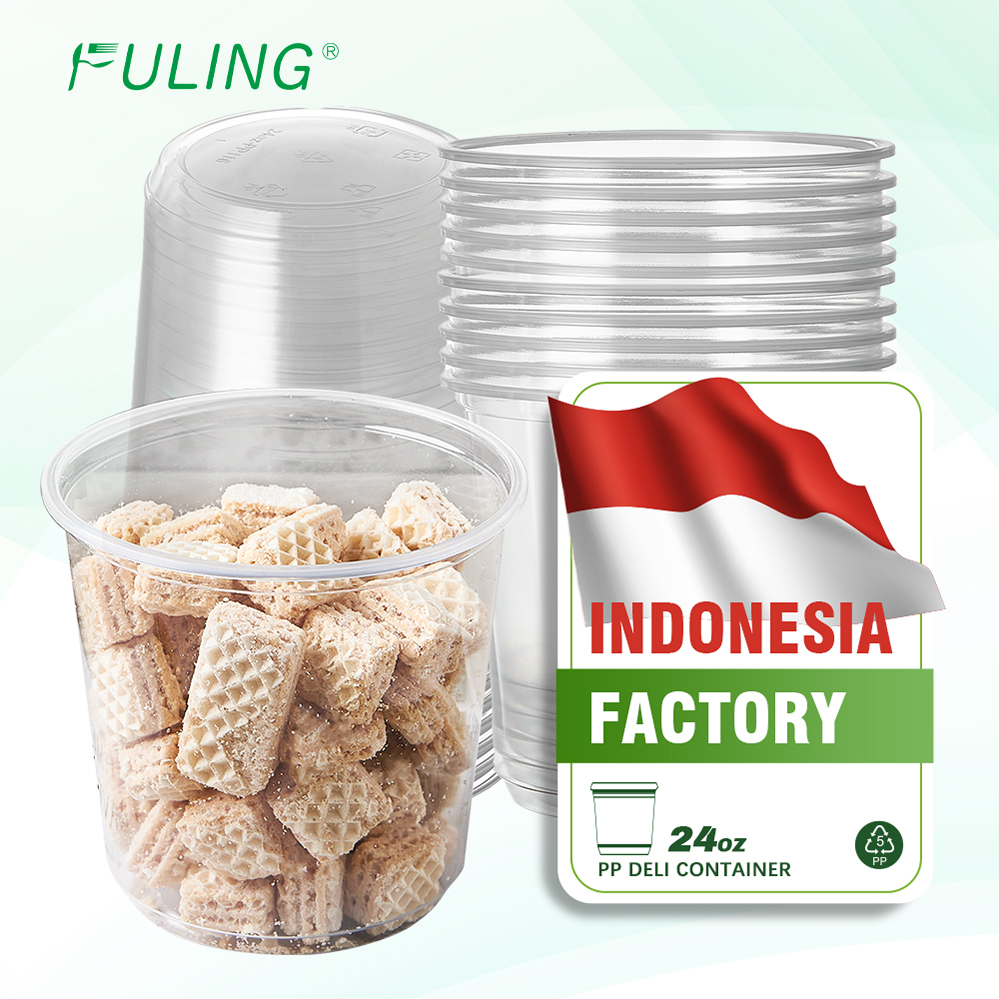
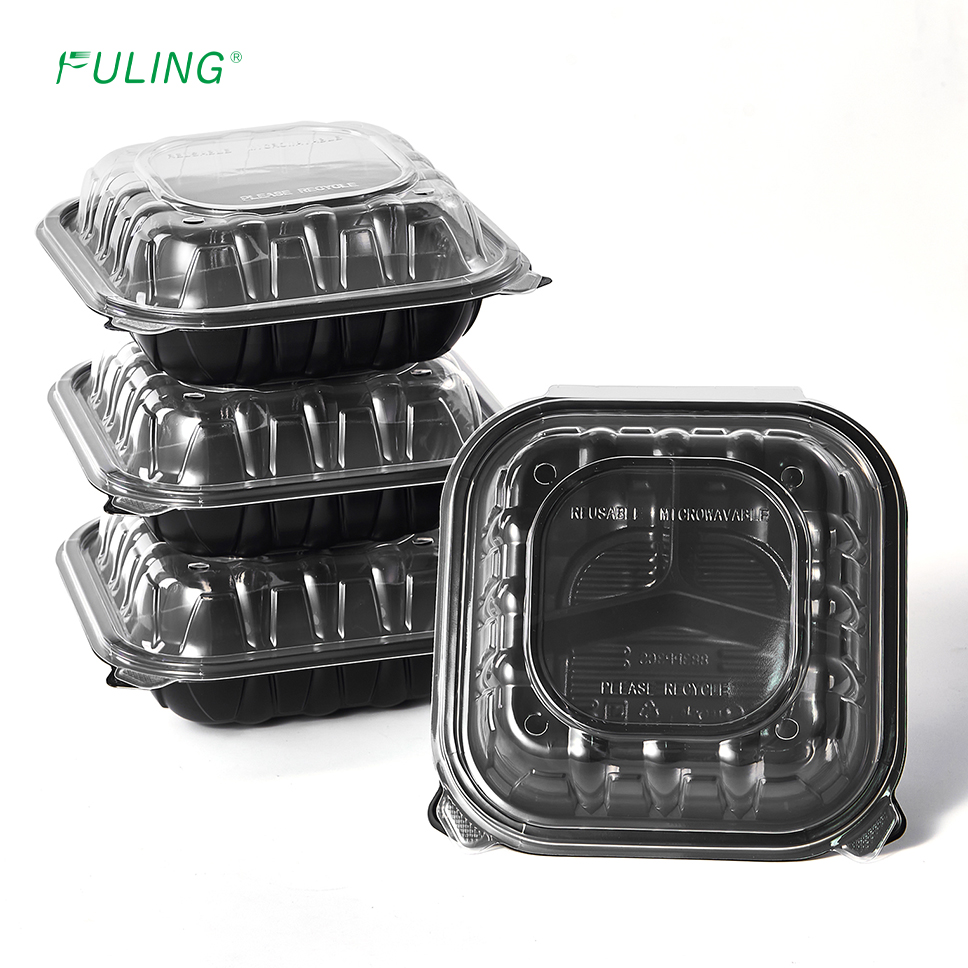
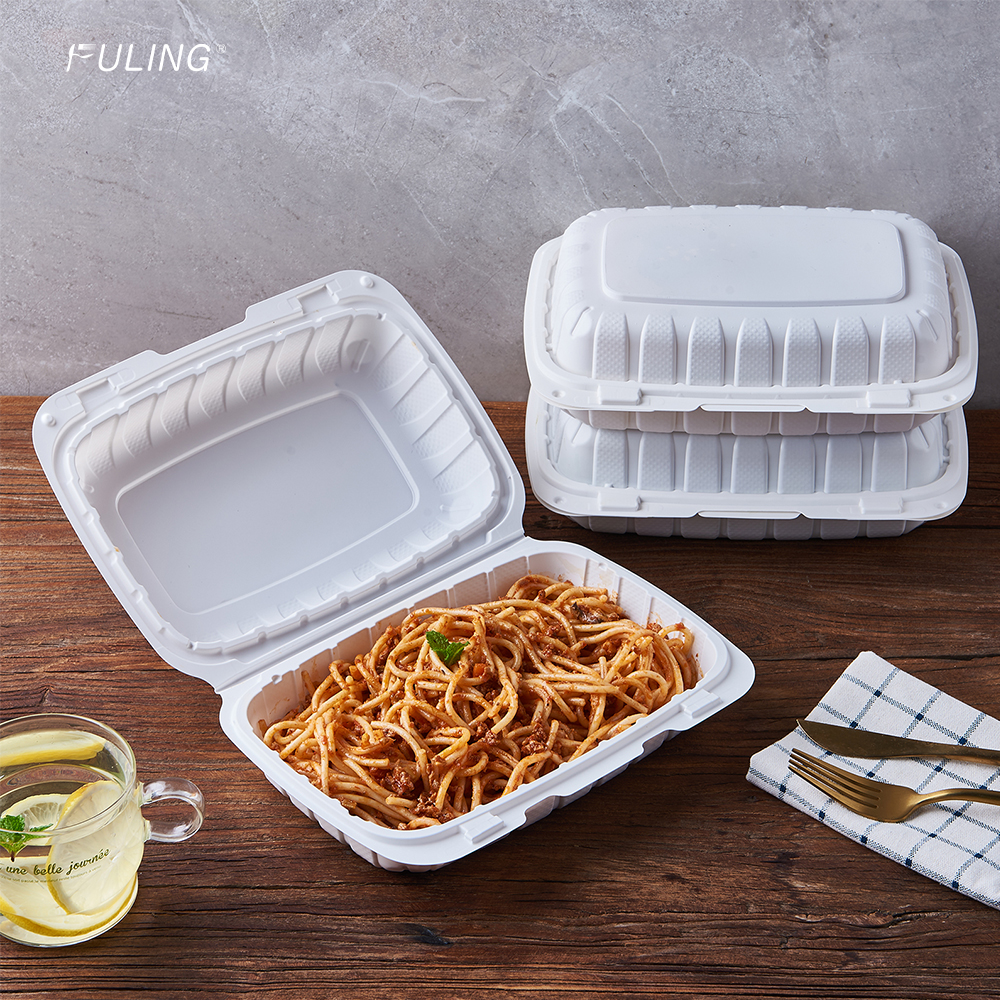
Factory-direct disposable paper cups, bagasse containers, PP meal prep boxes, and cutlery sets ready for consolidated export shipping.


Executive Whitepaper: Global Paper Food Packaging Market Dynamics (2025–2030)
The global commercial food packaging landscape is experiencing an unprecedented structural pivot driven by stringent international environmental mandates, shifting consumer perception, and regulatory bans on single-use expanded polystyrene (EPS) and non-recyclable plastics. Importers, commercial foodservice distributors, and multinational quick-service restaurant (QSR) chains face significant pressure to secure reliable, compliant, and cost-optimized paper and bio-based packaging supply chains.
According to industrial supply chain metrics, the global paper packaging market is projected to exceed USD $450 Billion by 2030, growing at a compound annual growth rate (CAGR) of 4.8%. Key compliance frameworks such as the European Union’s Single-Use Plastics Directive (SUPD), US state-level legislation restricting per- and polyfluoroalkyl substances (PFAS), and global ESG compliance metrics have transformed packaging procurement from a tactical commodity purchase into a strategic risk management function.
Strategic Takeaway for B2B Importers: Sustainable procurement is no longer just about switching from plastic to paper; it requires evaluating fiber density, barrier dispersion technology (water-based dispersion coatings vs. traditional PE/PLA laminates), supply chain redundancy, and cross-border tariff resilience.
Top 10 Paper Food Packaging Suppliers & Exporters Worldwide
To assist global procurement directors, supply chain managers, and wholesale distributors in evaluating potential manufacturing partners, we have compiled a benchmark analysis of the world’s leading food packaging suppliers based on annual manufacturing volume, technical compliance, OEM/ODM capability, and international export footprint.
1. FULING / LOMS Packaging Group
HQ & Manufacturing: China & Indonesia Facilities
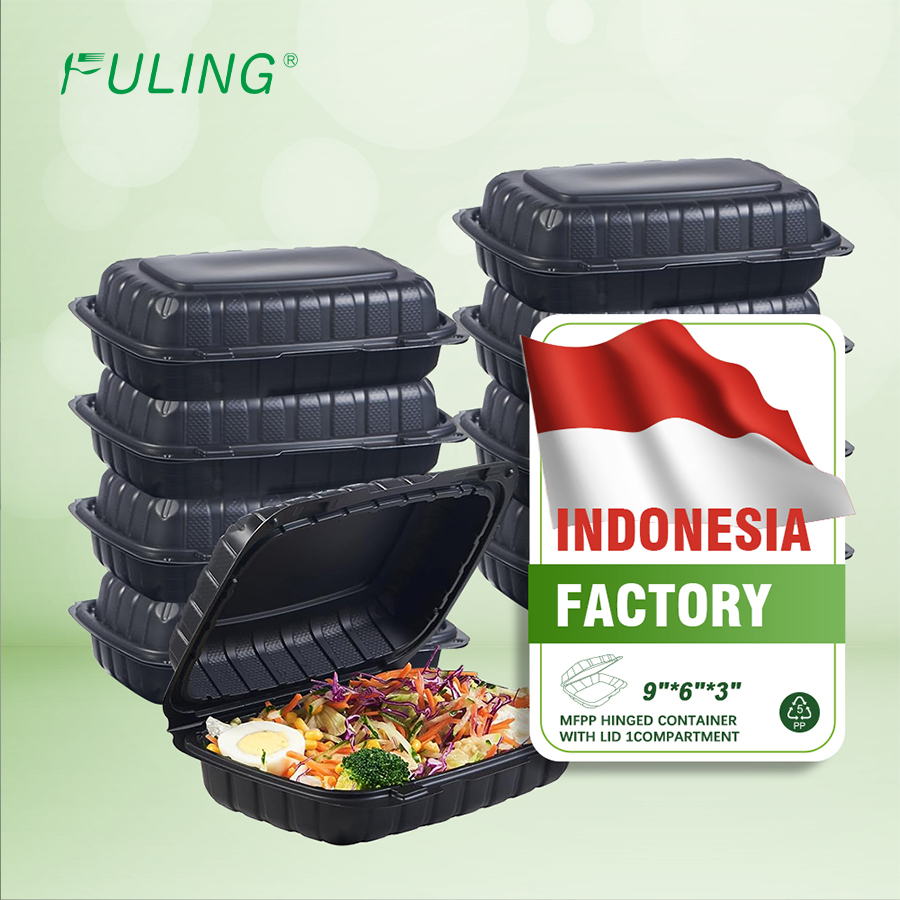
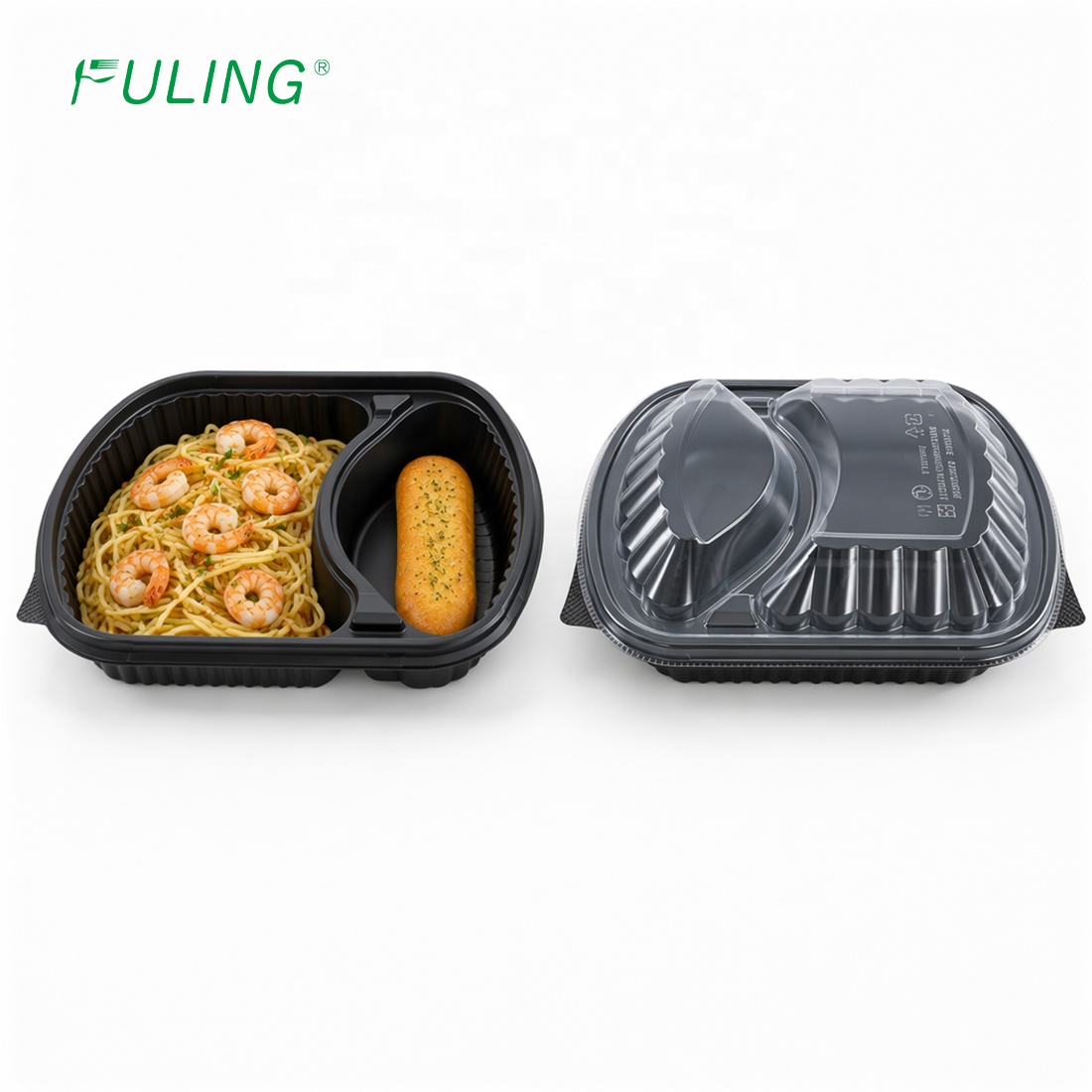
Core Products: Paper cups, molded fiber bagasse plates, PP/MFPP microwavable hinged containers, packaged cutlery sets.
Competitive Advantage: Dual-country manufacturing footprint providing tariff exemption options for US/EU buyers, high-speed automated thermoforming, and complete FDA/EU 10/2011 compliance documentation.
2. Huhtamaki Oyj
HQ: Finland
Core Products: Fiber-based foodservice packaging, double-wall paper cups, egg cartons, recycled fiber containers.
Competitive Advantage: Extensive European manufacturing network, strong sustainability credentials, and pioneer in aqueous barrier coating technologies.
3. Graphic Packaging International
HQ: USA
Core Products: Folding cartons, paperboard meal trays, beverage multi-packs, paper-based cups.
Competitive Advantage: Deep integration with major North American consumer package goods (CPG) brands and proprietary barrier paperboard formulations.
4. Dart Container Corporation
HQ: USA
Core Products: Solo paper cups, paper soup bowls, clear PET drinkware, hinged containers.
Competitive Advantage: Massive North American distribution footprint and recognized legacy brand equity in commercial foodservice.
5. Novolex Holdings
HQ: USA
Core Products: Kraft paper bags, food wrapping paper, specialty paper bags, compostable packaging lines.
Competitive Advantage: Diverse brand portfolio focusing heavily on retail takeaway paper bags and specialty bakery packaging.
6. Stora Enso Oyj
HQ: Finland
Core Products: Virgin and recycled paperboard, cupstock, biocomposites, bio-based barrier materials.
Competitive Advantage: Direct forestry ownership and raw material control, offering sustainable cupstock supply to global converters.
7. WestRock Company
HQ: USA
Core Products: Corrugated containers, folding cartons, paperboard packaging automation equipment.
Competitive Advantage: End-to-end industrial packaging systems and massive virgin pulp production capacity.
8. Smurfit Kappa Group
HQ: Ireland
Core Products: Corrugated paper packaging, bag-in-box liquids packaging, sustainable paper trays.
Competitive Advantage: Dominant European and Latin American presence with closed-loop recycling infrastructure.
9. Sabert Corporation
HQ: USA
Core Products: Pulp-based compostable clamshells, hinged paper packaging, premium catering platters.
Competitive Advantage: Focus on high-aesthetic catering presentation and eco-friendly plant fiber formulations.
10. Detmold Group
HQ: Australia
Core Products: Paper cups, takeaway food bags, carton packaging for quick-service chains.
Competitive Advantage: Dominant Asia-Pacific distribution network supplying tier-1 global QSR brands.
Comparative Matrix for Global Procurement Officers
| Rank | Supplier Name | Primary Export Hubs | PFAS-Free Options | Custom Print MOQ | Compliance Certifications |
|---|---|---|---|---|---|
| 1 | FULING / LOMS | China & Indonesia | Yes (Aqueous / Bagasse) | 30,000 pcs | FDA 21 CFR, EU 10/2011, BRCGS, ISO9001 |
| 2 | Huhtamaki | EU, USA, Asia | Yes | 100,000 pcs | OK Compost, ISO14001, BRCGS |
| 3 | Graphic Packaging | North America, EU | Yes | 150,000 pcs | FSC, SFI, BRCGS |
| 4 | Dart Container | USA, Mexico | Limited Lines | 100,000 pcs | FDA Compliant, SQF Certified |
| 5 | Novolex | USA, Canada | Yes | 50,000 pcs | BPI Certified, FSC |
| 6 | Stora Enso | Europe | Yes (PureSense™) | Raw Paperboard Reels | FSC, PEFC, EU Ecolabel |
| 7 | Smurfit Kappa | Europe, LATAM | Yes | Contract Basis | FSC, ISO9001, SEDEX |
Future Sourcing Trends in Paper Food Packaging (2025–2030)
As corporate sustainability targets move from voluntary marketing claims to legally enforceable mandates, the paper packaging industry is undergoing rapid technological innovation. Importers must align their multi-year sourcing strategies with the following four key trends:
1. Transition to Bio-Based Aqueous Dispersion Coatings
Traditional paper cups and soup containers rely on thin Polyethylene (PE) or Poly-lactic Acid (PLA) plastic linings to prevent liquid penetration. However, PE linings render paper unrecyclable in standard mills, while PLA requires specialized industrial composting infrastructure. The future belongs to aqueous dispersion coatings—water-based polymer dispersions applied directly to cupstock. Paper cups coated with aqueous formulations can be directly re-pulped in traditional recycling systems and naturally biodegrade without generating microplastics.
2. Elimination of PFAS & Fluorinated Greaseproof Agents
Per- and polyfluoroalkyl substances (PFAS), historically used to provide oil and grease resistance in molded pulp bagasse and food wrapping paper, face total regulatory bans across North America and Western Europe. Advanced paper packaging exporters are adopting plant-based wax, modified starches, and proprietary enzymatic treatments to achieve Cobb values below 15 g/m² and oil-resistance levels up to Kit 12—completely free of fluorinated compounds.
3. Sugarcane Bagasse & Agricultural Waste Fiber Blends
To reduce pressure on virgin timber resources, manufacturers are scaling production of agricultural residue fibers, notably sugarcane bagasse, wheat straw, and bamboo pulp. Sugarcane bagasse—the fibrous residue left after juice extraction—is converted under heat and pressure into rigid, microwavable plates, bowls, and clamshells. Bagasse packaging offers high heat tolerance (up to 120°C for hot oil and 100°C for water) while providing 100% home-compostability certification.
4. Tariff Mitigation via Dual-Hub Southeast Asian Manufacturing
Geopolitical trade volatility and anti-dumping duties (ADD) have forced global buyers to re-engineer their supply chains. Leading manufacturers like FULING have established high-capacity production hubs in Southeast Asia (such as Indonesia). This strategy enables B2B buyers in North America and Western Europe to import high-quality disposable packaging with favorable origin documentation, avoiding tariff surcharges while preserving factory-direct pricing benefits.
Key Technical Developments in Paper & Hybrid Packaging Engineering
Modern commercial kitchens and food delivery platforms require packaging that maintains structural integrity under extreme thermal and mechanical stresses. Engineering innovations are addressing historical vulnerabilities of paper packaging:
Top-Load Stacking Strength
Through optimized edge-rim curling technology and structural ribbing on paper bowls and MFPP hinged boxes, vertical crush resistance has increased by 35%, preventing lid collapse during stackable motor-bike delivery.
Anti-Sog Venting Architecture
Hot fried foods release steam inside closed containers, creating moisture condensation that ruins food crispiness. Advanced takeaway clamshells feature micro-ventilation locks that release excess moisture while retaining food temperature.
Precision Lid Lock Seals
Engineered matching rim radii between paper bowls and clear PP/PET lids eliminate transport spills for high-liquid menu items like ramen soups, curries, and dressings.
Why Global Buyers Partner with FULING / LOMS Packaging
With over two decades of dedicated manufacturing experience, FULING / LOMS Food Packaging has built an international reputation as an OEM/ODM industry benchmark. Our operations are structured around solving the operational risks B2B importers face daily:
- Integrated Multi-Substrate Manufacturing: Unlike single-category plants, we operate high-speed production lines across paper cup forming, bagasse pulp molding, PP injection, PET thermoforming, and automated cutlery wrapping. This enables importers to consolidate up to 40 different tableware SKUs into a single 40HQ container.
- Rigorous Quality Assurance Standards: Every batch undergoes strict AQL level II inspection before leaving the plant. We test for pinhole leakage, bursting strength, lid-fit snap integrity, and food-contact migration under US FDA 21 CFR 177 and EU Regulation 10/2011 standards.
- Custom Branding & OEM Expertise: Our multi-color flexographic and offset printing capabilities support high-resolution corporate logo branding using food-grade soy-based inks. We provide pre-production digital proofs, 3D prototypes, and rapid physical sampling.
- Optimized Container Logistics: Freight costs represent a massive component of landed packaging costs. Our structural design team optimizes carton dimensions and nesting ratios, maximizing unit density per container to lower your ocean freight cost per unit by 12%–18%.
Frequently Asked Questions (FAQ) for B2B Importers
Answers to technical, operational, and commercial questions commonly evaluated by enterprise buyers during vendor qualification:
PE (Polyethylene) is the conventional petroleum-based barrier coating—durable and economical, but difficult to recycle. PLA (Polylactic Acid) is a bio-plastic derived from cornstarch; it is industrially compostable but requires specific temperature facilities to break down. Aqueous coatings utilize water-based polymer dispersions; they represent the latest technology because they allow cups to be recycled directly in standard pulp processing plants without requiring separation facilities.
Sugarcane bagasse plates are molded from heavy plant fibers, providing significantly higher structural rigidity and grease resistance than traditional folded paper plates. Bagasse products can hold hot liquids up to 100°C and oil up to 120°C without bending or collapsing. Furthermore, bagasse products are 100% home-compostable and naturally degrade into organic matter within 60 to 90 days.
We provide full third-party laboratory test reports from recognized agencies (SGS, TUV, Intertek) confirming compliance with US FDA 21 CFR, EU Regulation 10/2011, German LFGB standards, and heavy metal testing under CONEG. Factory quality audits (ISO 9001, BRCGS Packaging) and Certificate of Analysis (COA) documents are issued for every container shipment.
Yes. Mixed container loading is one of our primary operational strengths for international distributors. Importers can combine paper coffee cups, bagasse plates, PP meal prep boxes, wrapped cutlery sets, and drinking straws in a single 20GP or 40HQ container. Our logistics team provides a detailed 3D loading calculation to optimize cubic space utilization.
Standard plain inventory items ship within 15 to 20 days. For custom logo printing, initial orders take approximately 25 to 30 days after digital artwork proof approval and deposit confirmation. Repeat OEM production orders are executed on an expedited 20-day production cycle.
Streamline Your Disposable Packaging Sourcing Today
Connect directly with our engineering and export team to request physical samples, factory-direct pricing, custom printing quotes, or full product specification sheets.