Featured Food & Fruit Packaging Products



Evaluating the Top 10 PET Fruit Containers Manufacturers & Suppliers
A comprehensive comparative standard for agricultural packaging directors, food importers, and commercial berry growers evaluating global supply chain reliability.
In the post-harvest agricultural cold chain, Polyethylene Terephthalate (PET) fruit containers—commonly styled as hinged clamshells, vented punnets, and clear fruit trays—serve as the vital primary protective barrier between produce farms and retail checkout counters. Selecting a top-tier PET fruit container manufacturer involves far more than comparing per-unit unit prices; it requires a rigorous evaluation of polymer science, mold precision engineering, ventilation dynamics, and compliance with evolving global eco-mandates.
Modern fresh produce logistics suffer millions of dollars annually in loss due to physical bruising, ethylene gas entrapment, anti-fog degradation, and lid-popping during transit. Leading global suppliers, such as Loms Food Packaging (Fuling Technology), set themselves apart by implementing advanced German thermoforming lines, custom anti-fog surfactant co-extrusion, structural ribbing physics, and post-consumer recycled resin (rPET) processing capabilities certified under international standards.
Global B2B Vendor Selection Criteria Matrix
| Evaluation Parameter | Standard Tier Suppliers | Top 10 Benchmark Manufacturers (e.g., Loms) | Business & Operational Impact |
|---|---|---|---|
| Resin Material Composition | 100% Virgin PET (High carbon footprint) | Virgin PET / EFSA & FDA Approved rPET (up to 100%) | Compliance with EU PPWR taxes and US state sustainability laws. |
| Anti-Fog Coating Quality | Topical Spray (Washes off in condensation) | Co-Extruded Permanent Surfactant Layer | Crystal-clear visibility under cold display cases; prevents mold. |
| Ventilation Hydrodynamics | Generic punched holes (Causes bruising) | Laser-Engineered Micro/Macro Airflow Vents | Balanced EMAP (Equilibrium Modified Atmosphere Packaging). |
| Lid Locking Mechanism | Single Friction Fit (Popping hazard) | Double Button-Lock & Tamper-Evident Snap | Eliminates spills in transport; prevents retail theft/tampering. |
| Automated Denesting Speed | Manual separation required (Sticking rims) | High-Precision Rim Tolerance (±0.12mm) | Supports high-speed automatic farm packing machinery lines. |
Key Attributes of the Top 10 Global PET Fruit Packaging Leaders
1. Integrated Mega-Scale Production
Industry leaders maintain fully integrated supply chains, running continuous automated sheet extrusion directly into multi-station thermoforming lines. This eliminates resin thermal degradation and yields structural wall uniformity across millions of units.
2. Advanced Food-Contact Certification
Leading manufacturers possess full third-party audit verifications including BRCGS Global Standard for Packaging Materials, ISO 22000, US FDA 21 CFR 177.1630, and EU Commission Regulation No. 10/2011 for total chemical safety.
3. Rapid Precision Tooling & Prototyping
Top suppliers feature in-house CNC mold-making departments capable of delivering custom sample prototypes in 7–10 days, allowing berry growers to deploy seasonal custom-branded containers rapidly.
Engineering High-Performance PET Fresh Produce Clamshells
Exploring the thermodynamics, gas permeability physics, structural mechanics, and optical clarity enhancements driving next-generation fresh fruit packaging.
Gas Permeability & Respiration Control
Harvested fruits continue to metabolize oxygen ($O_2$) and emit carbon dioxide ($CO_2$) alongside ethylene gas. If trapped, moisture and ethylene build-up accelerates cellular breakdown and botrytis fungal rot.
Engineering Innovations:
- Optimized Vent Slot Distribution: Strategically positioned perimeter and bottom slots induce natural convection chimney airflow.
- EMAP Balancing: Precision vent hole surface area ratio calculation based on fruit mass (e.g., 250g blueberries vs 1kg grapes).
- Moisture Evacuation Drainage Channels: Concave base geometry prevents liquid pooling at the container floor.
Anti-Fog Polymer Surfactant Technology
Temperature drops during cold chain transition (from packing sheds to refrigerated trucks at 2°C–4°C) cause internal air humidity to condense into tiny water droplets, clouding container lids.
Engineering Innovations:
- Internal Surfactant Migration: Non-ionic amphiphilic additives lower water surface tension, forcing moisture to form a flat, transparent film.
- High Optical Haze Resistance: Maintains over 98% clarity for immediate retail visual inspection.
- Hydrolysis Resistance: Prevents surfactant breakdown under extended high-humidity storage.
Sidewall Ribbing & Top-Load Mechanics
Fresh fruit containers are stacked up to 10 to 12 layers high on export shipping pallets. Under dynamic transport vibration, low-gauge plastic clamshells can buckle, crushing valuable fruit.
Engineering Innovations:
- Vertical Column Ribbing: Engineered geometric vertical ridges act as structural load-bearing pillars.
- Corner Pillar Geometry: Reinforced corner radii distribute vertical downward force evenly.
- Material Weight Optimization: Achieves high structural rigidity while lowering overall plastic gram weight.
Future Procurement Trends in Fresh Fruit Packaging (2025–2030)
Key regulatory shifts, circular economy models, and automation compatibility metrics shaping commercial packaging procurement decisions.
1. Mandatory rPET Percentage Integration
Under the European Union Packaging and Packaging Waste Regulation (PPWR) and state-level legislation across North America (such as California SB 54), food packaging buyers must source clamshells containing mandatory minimum percentages of post-consumer recycled PET (rPET)—scaling from 25% in 2025 up to 50%+ by 2030.
Key Buyer Takeaway: Secure suppliers with verified decontamination technology capable of delivering food-grade rPET without compromising optical clarity or structural strength.
2. Tamper-Evident Integrated Closures
Driven by e-commerce grocery delivery platforms and heightened consumer hygiene concerns, traditional separate adhesive security stickers are being replaced by mold-integrated tamper-evident locking tabs. Opening the container requires tearing an integral plastic strip, providing visual proof of integrity.
Key Buyer Takeaway: Integrated tamper locks eliminate secondary labeling labor costs on high-speed packing lines.
3. Ultra-Precise Automated Denesting Rims
As commercial packhouses automate fruit sorting and drop-dispensing, packed clamshells must denest (separate from stacked bundles) smoothly without double-feeding or jamming. Precision rim stacking lugs with tolerances controlled within ±0.10mm are mandatory for robotic packaging lines.
Key Buyer Takeaway: High-precision denesting reduces factory downtime and labor overhead by up to 22%.
Why Leading Global Brands Choose Loms Packaging
Combining state-of-the-art multi-cavity thermoforming tech, strict ISO quality systems, and massive global export capabilities.
Factory-Direct Scale & Cleanroom Quality
Operating extensive automated thermoforming workshops equipped with enclosed Class 100,000 cleanroom environments. Raw material handling uses central vacuum feeding systems to eliminate air particulate contamination before sheet extrusion.
Fully Documented Global Compliance
Every shipment comes complete with lot-traceable inspection reports. We supply third-party test reports covering FDA 21 CFR, EU 10/2011 overall migration, heavy metal analysis, and BPA/PFAS-free material verification safety documentation.
Consolidated Mixed-SKU Shipping
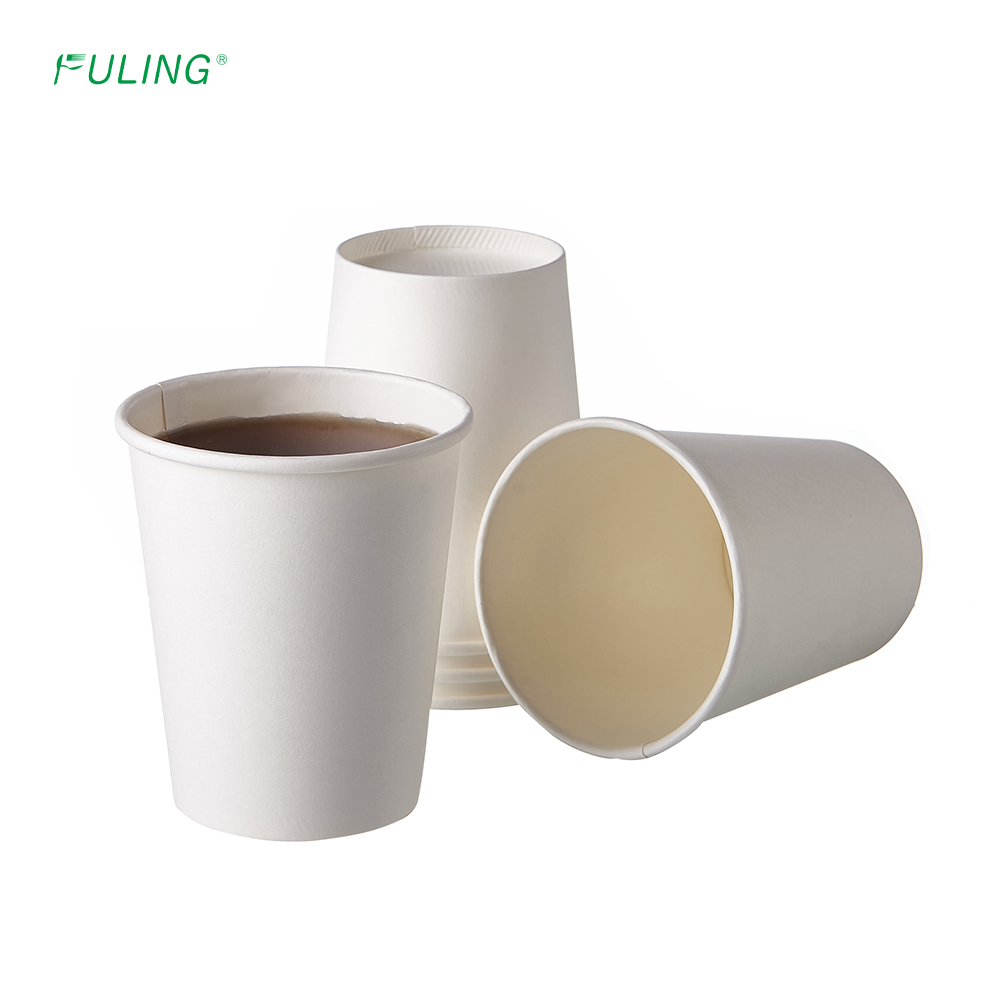
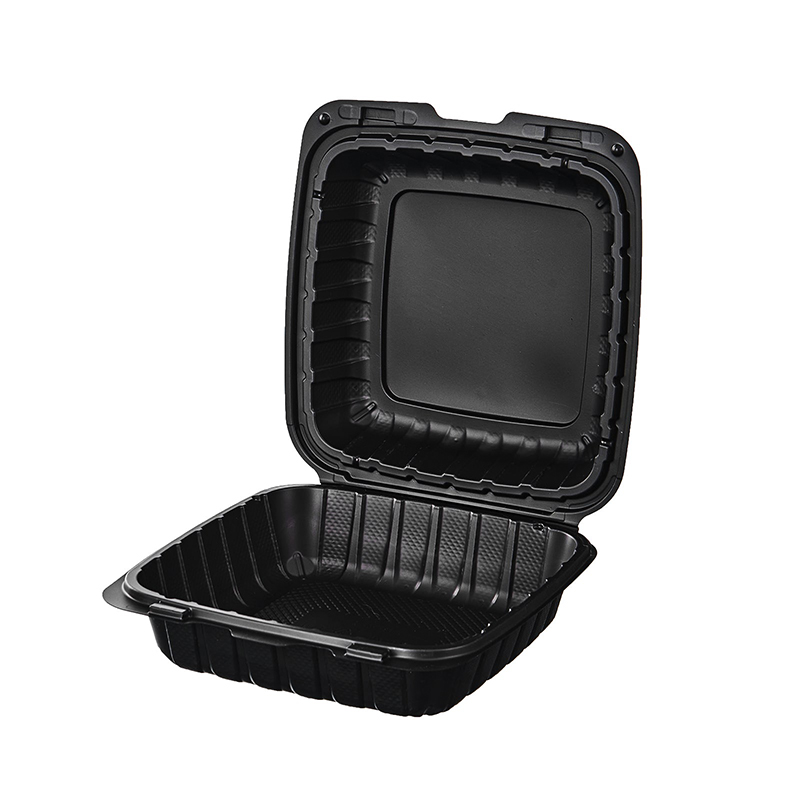
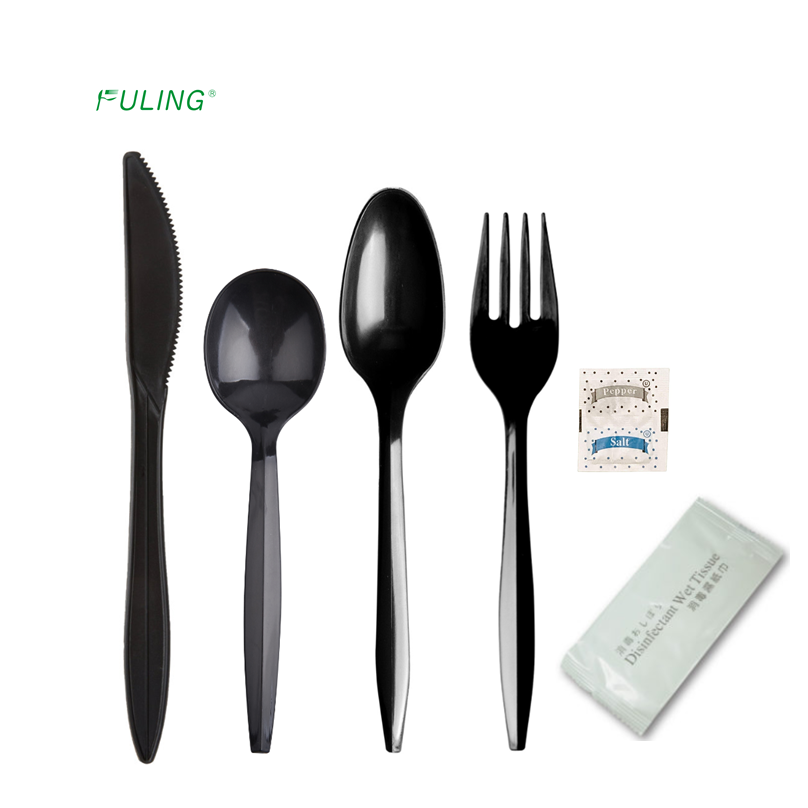
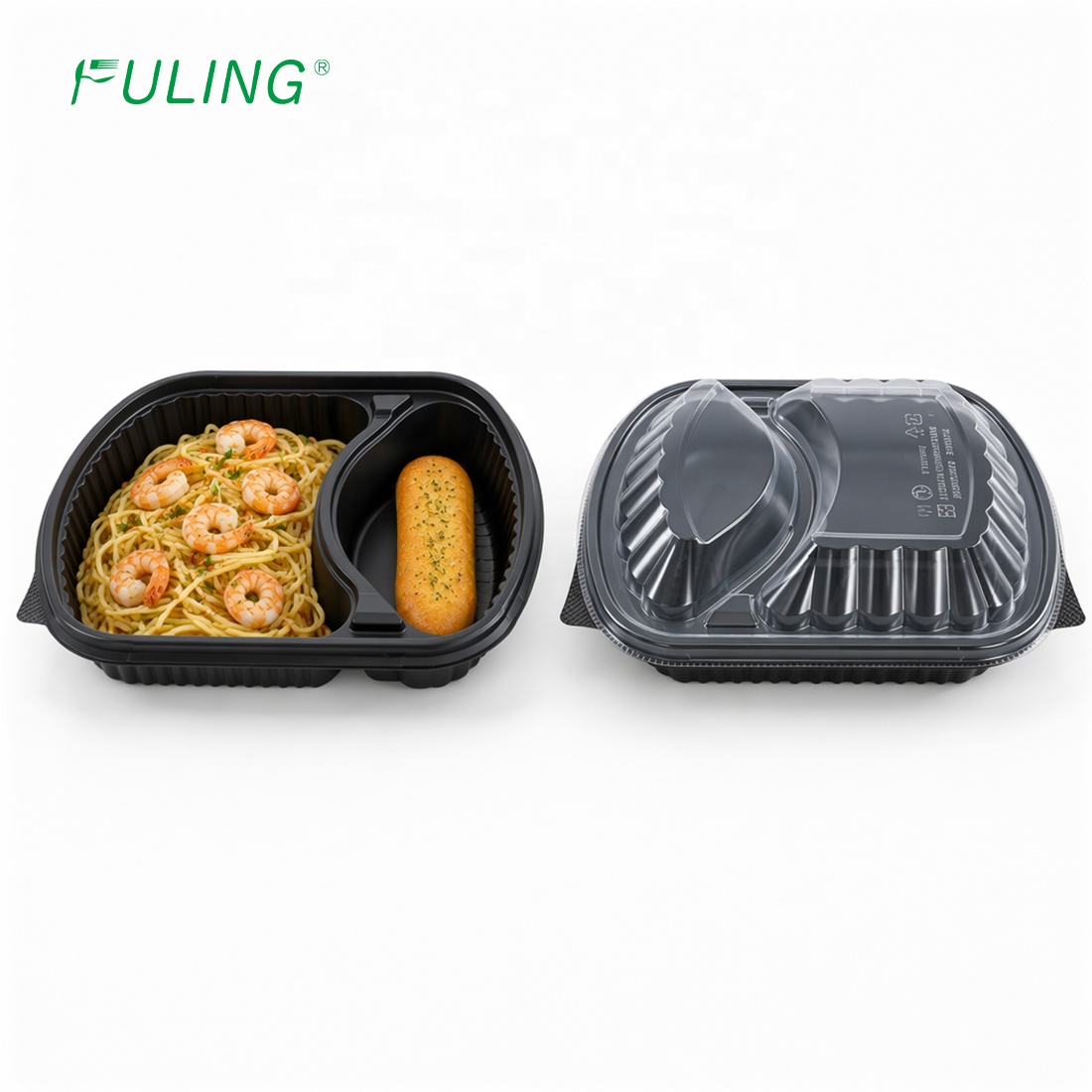
Minimize warehouse inventory risk by consolidating PET fruit clamshells, microwavable PP meal prep containers, paper cold/hot cups, and wrapped cutlery kits into single 20GP or 40HQ container shipments calculated for maximum cube utilization.
Frequently Asked Questions by Packaging Importers & Commercial Buyers
In-depth answers addressing structural engineering, material compliance, tariff documentation, and procurement logistics.
PET (Polyethylene Terephthalate) offers optical clarity (haze <1.5%), high gas barrier properties, and superior rigidity in cold-chain environments (-40°C to 60°C), making it the gold standard for fresh fruit displays, salads, and cold beverages. However, PET is not microwaveable. PP (Polypropylene) is semi-translucent, highly impact-resistant, and heat-tolerant up to 120°C, making it ideal for microwavable meal prep and hot deli soups. MFPP (Mineral-Filled Polypropylene) incorporates natural inorganic minerals (such as calcium carbonate) into PP resin, reducing plastic content by up to 40–50% while delivering lightweight, rigid, foam-like thermal insulation for hot takeaway meals.
Harvested fresh fruits continue internal cellular respiration, absorbing oxygen ($O_2$) and producing carbon dioxide ($CO_2$), water vapor, and ethylene gas. Without proper ventilation, trapped ethylene accelerates over-ripening, while condensation fosters botrytis fungal spores. Engineered ventilation slots create natural convective airflow currents within the clamshell during forced-air cooling in farm packinghouses. This balances internal gases to reach an Equilibrium Modified Atmosphere (EMAP), slowing cellular degradation and extending retail shelf life by 3 to 7 days depending on the crop variety.
We provide full regulatory compliance packages tailored to destination customs standards. For the United States, we supply third-party migration test reports under FDA 21 CFR 177.1630. For the European Union, we supply Declaration of Compliance (DoC) certificates verifying adherence to EU Regulation No. 10/2011 and EC 1935/2004 overall and specific migration limits (OML/SML), including heavy metal screen tests and BPA/PFAS chemical screenings. All production is certified under BRCGS Global Standards for Packaging Materials.
Yes. Our extrusion lines can blend food-grade rPET resin at ratios ranging from 25%, 50%, 75%, up to 100% post-consumer content. We utilize rPET flake that has undergone EFSA and FDA-cleared super-cleaning decontamination processes. This ensures the finished clamshell maintains food-grade safety, optical clarity, and structural impact strength while allowing commercial buyers to comply with regional recycled content mandates (e.g., California SB 54, UK Plastic Packaging Tax, EU PPWR).
Unlike cheap topical sprays that can rub off or dissolve in condensed moisture, our anti-fog PET sheet incorporates co-extruded amphiphilic surfactant additives within the polymer matrix. When refrigerated, these molecules migrate to the inner surface, altering the contact angle of water droplets. Condensation forms a microscopic, uniform water film across the plastic surface rather than distinct mist droplets. The result is total visual transparency under refrigerated retail displays, with an anti-fog functional lifespan exceeding 12 to 18 months.
For standard stock sizes (e.g., 125g, 250g, 500g, 1kg berry clamshells), standard minimum order quantities are typically 30,000 to 50,000 units per item, or mixed-container minimums. For custom OEM shapes, embossed logo branding, or unique ventilation patterns, our internal tooling team delivers 3D structural CAD drawings within 48 hours, 3D-printed physical samples in 5 days, and finished multi-cavity production molds within 15 to 20 days.
Fruit containers are nested tightly in clear dust-proof poly bags before being packed into heavy-duty 5-ply corrugated export master cartons. Carton dimensions are engineered specifically to maximize floor and height utilization inside standard 40-foot High Cube (40HQ) ocean containers. Palletization options include ISPM-15 heat-treated wooden pallets or plastic slip-sheets with corner edge boards and stretch wrap to prevent transit shifting.
Partner with a Global Leader in PET Fruit Packaging
Optimize your post-harvest supply chain with food-contact certified, anti-fog PET clamshells engineered for maximum freshness, high-speed automated denesting, and high-shelf visual appeal.
Get Catalog