Featured Takeaway Soup Containers & Foodservice Packaging
Factory-direct export products engineered for high heat resistance, leak-tight sealing, and rigorous international transit standards.


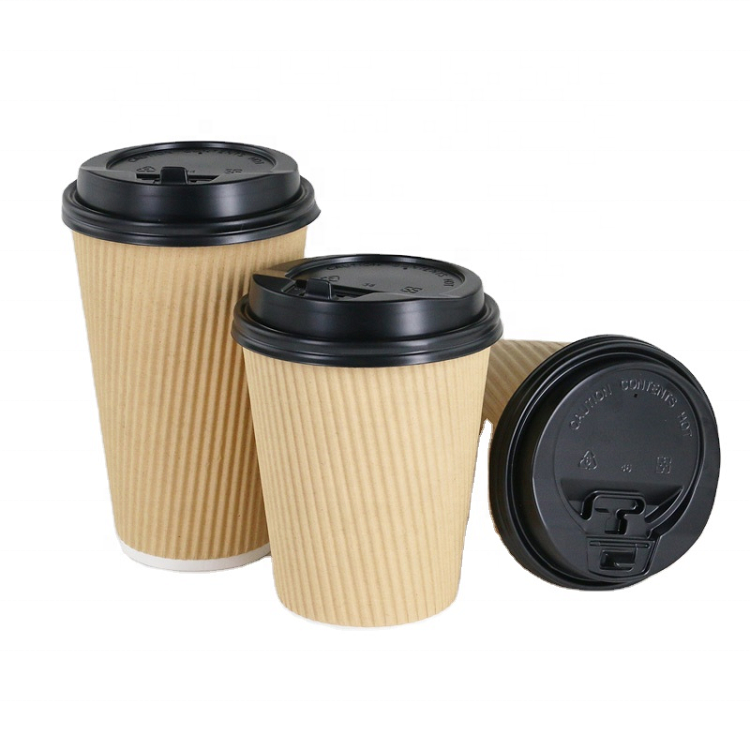
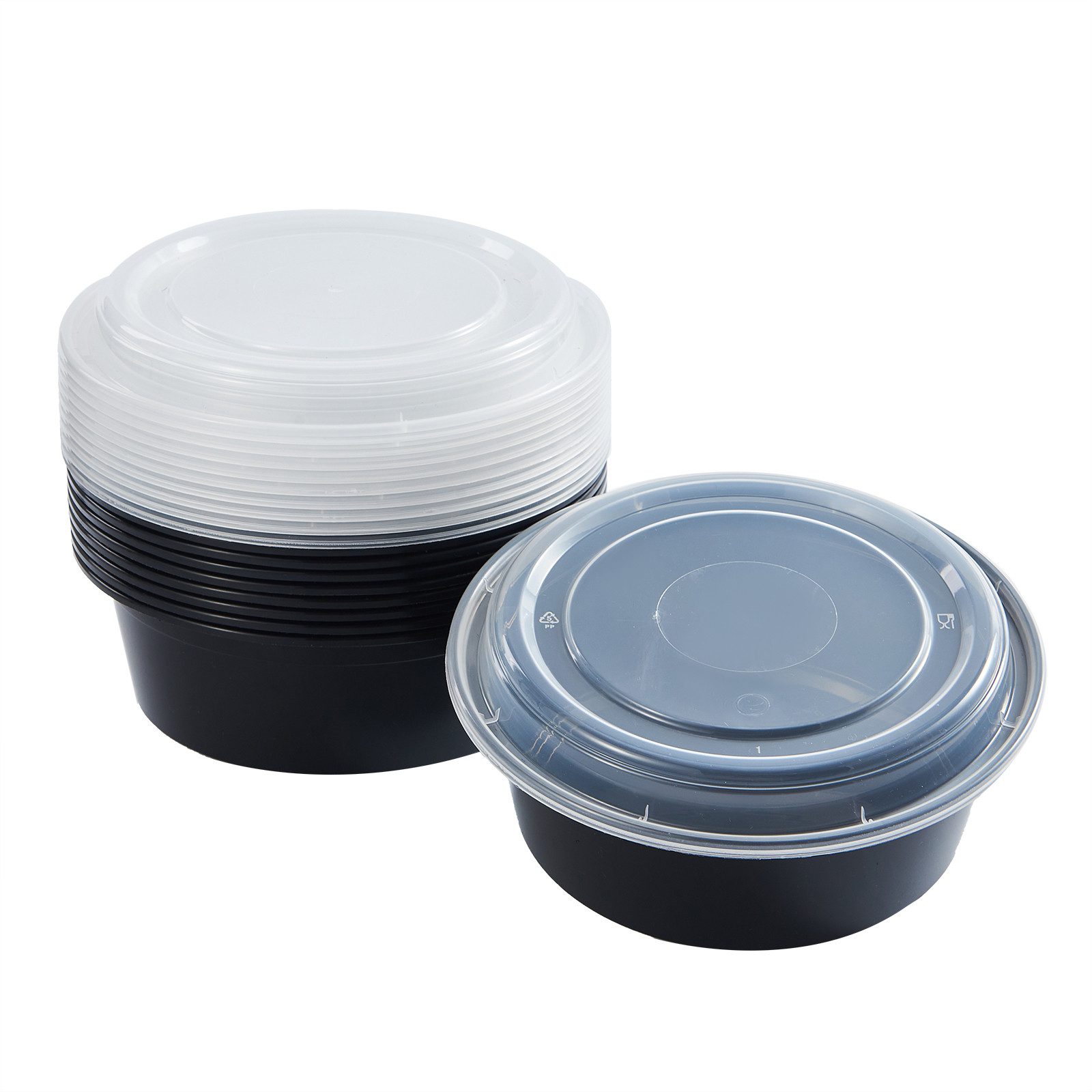
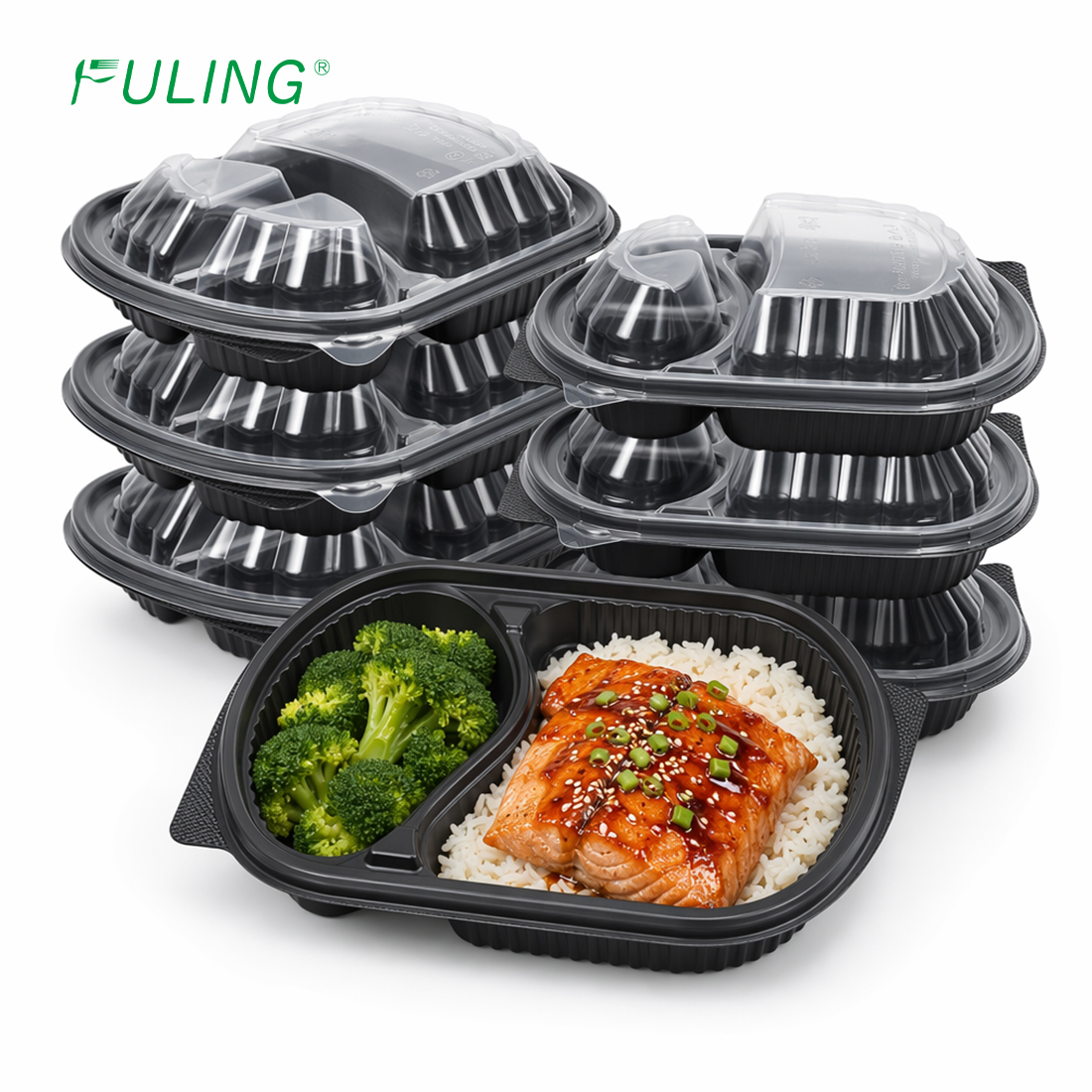
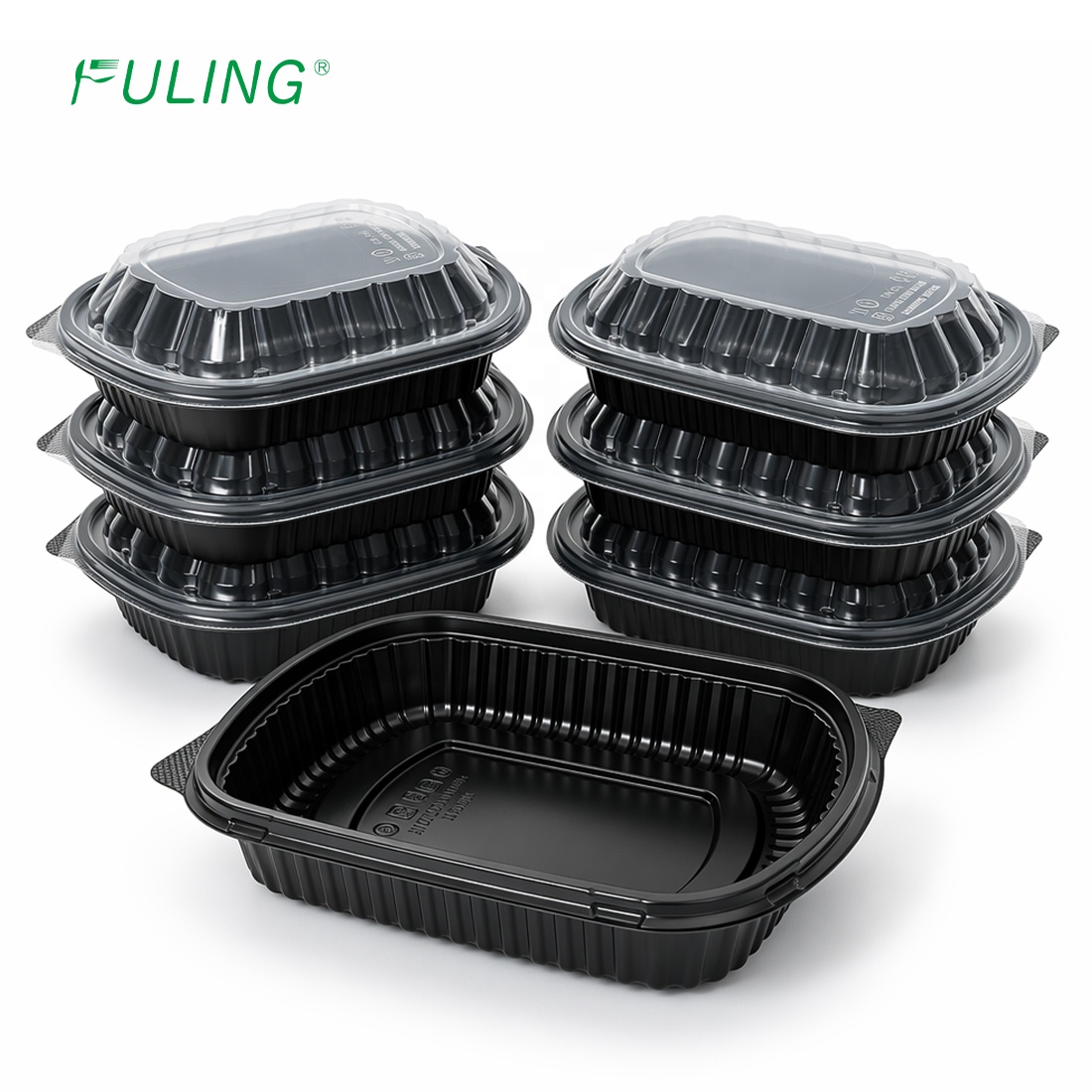
Evaluating Top China Takeaway Soup Containers Exporter & Manufacturing Ecosystems
The global takeaway and delivery market has experienced a fundamental shift in quality requirements over recent years. As quick-service restaurant (QSR) chains, cloud kitchens, and institutional food distributors expand across North America, Europe, and the Middle East, the demand for high-performance takeaway soup containers has evolved beyond simple liquid containment. Today’s procurement directors require rigid structural stability under thermal stress, absolute leak-proof sealing rim engineering, microwave compatibility, and documented international food-contact safety compliance.
China stands at the apex of global plastic thermoforming, high-speed multi-cavity injection molding, and eco-friendly fiber packaging export capabilities. However, navigating the Chinese supply base requires deep expertise in material science, factory certification standards, and tariff-optimized freight engineering. As a leading manufacturer and direct exporter, our facilities integrate end-to-end production—from resin formulation to automated packaging—ensuring that wholesale importers receive zero-defect containers tailored to exact regional compliance standards.
1. Polymer Engineering: Polypropylene (PP) vs. Mineral-Filled PP (MFPP) vs. Sugarcane Bagasse
Selecting the correct raw material substrate is critical when sourcing takeaway packaging for hot liquids, broth-based soups, and oily sauces. The table below outlines the mechanical and thermal performance properties of key packaging polymers used in top export-grade manufacturing:
| Material Type | Thermal Range (°C / °F) | Microwave / Freezer Safe | Oil & Grease Resistance | Key Sustainability Feature |
|---|---|---|---|---|
| PP (Polypropylene) | -20°C to +120°C (-4°F to 248°F) | Yes / Yes | Excellent (Hydrophobic) | 100% Recyclable (#5 PP Code) |
| MFPP (Mineral-Filled PP) | -20°C to +130°C (-4°F to 266°F) | Yes / Yes | Superior (High Rigidity) | 50% Reduced Virgin Plastic Content |
| Sugarcane Bagasse Fiber | -18°C to +100°C (0°F to 212°F) | Yes / Short Term | Good (PFAS-Free Barrier Options) | 100% Biodegradable & Compostable |
| PE-Lined / Aqueous Paperboard | -10°C to +95°C (14°F to 203°F) | Limited / Fair | High (Sealed Seams) | FSC-Certified Renewable Fiber |
For hot soup distribution, polypropylene (PP) round deli tubs and soup bowls (24 oz, 32 oz, 38 oz) remain the industry benchmark. PP offers exceptional impact strength, preventing container wall cracking during cold winter transportation, while withstanding high-temperature hot-fills without softening or leaching chemical compounds. Mineral-Filled Polypropylene (MFPP) adds natural calcium carbonate, creating a dense, foam-like rigid structure that retains heat significantly longer while lowering plastic tax obligations in regulated markets like the UK and EU.
2. Leak-Proof Sealing Technology: Snap-Fit Rim vs. Heat-Sealing Films
The single greatest cause of takeaway delivery failures is liquid leakage during motorcycle or bicycle transport. To solve this challenge for global delivery platforms (e.g., UberEats, DoorDash, Deliveroo), top Chinese exporters utilize precision-engineered mold geometries:
- Double-Ridge Snap-Lock Rims: Precision injection-molded PP bowls feature an inverted perimeter groove that locks with a matching lip on clear anti-fog PP lids. This creates a hermetic seal capable of enduring internal pressure buildup from steam.
- Steam Vent Valve Integration: Hot soups release moisture, creating vacuum collapse or lid pop-off. Vented lids allow controlled pressure relief while retaining heat and preventing liquid sloshing.
- In-Mold Labeling (IML) & Anti-Fog Clarity: Lids treated with food-grade anti-fog additive maintain crystal-clear visibility, enabling delivery drivers and end-customers to inspect orders without removing the seal.
Why Global Importers Partner With Top Chinese Exporters
Our integrated manufacturing infrastructure eliminates supply chain friction through technical reliability, compliance documentation, and scale.
Food-Contact Safety Compliance
Every shipment of takeaway soup containers, microwavable prep boxes, and cutlery sets is backed by comprehensive third-party testing. We provide total migration reports aligned with US FDA 21 CFR 177.1520, EU Regulation 10/2011, and German LFGB §30/31 standards. All raw resins are 100% virgin, heavy-metal-free, and BPA-free.
Precision Injection & Thermoforming
Our workshops operate state-of-the-art German and Taiwanese high-speed thermoforming units alongside robotic multi-cavity injection machines. With automated vision inspection systems, we maintain wall-thickness tolerance within ±0.03mm, guaranteeing uniform stacking strength and lid snap-fit consistency.
Consolidated Mixed-SKU Shipping
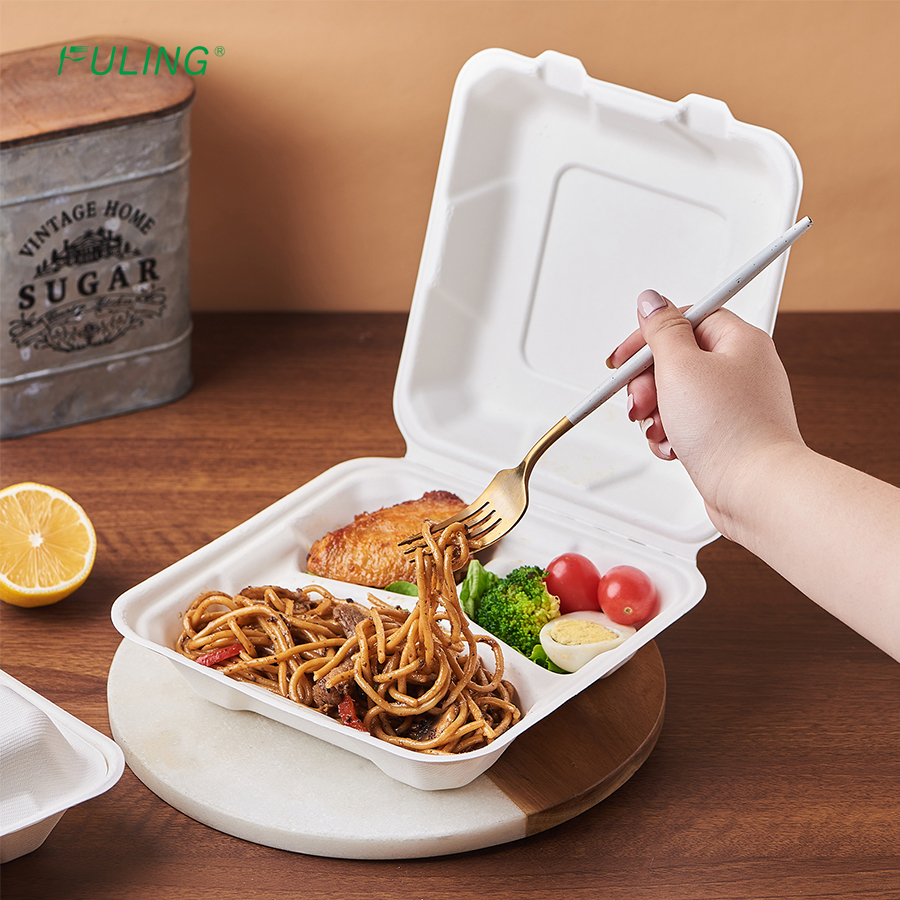
Optimize your ocean freight costs per unit by combining multiple packaging categories in a single 40HQ container. Importers can combine PP soup bowls, 1-2-3 compartment bento boxes, ripple wall coffee paper cups, sugarcane bagasse clamshells, and wrapped PP cutlery sets without incurring LCL surcharges.
Future Sourcing & Procurement Trends in Takeaway Food Packaging (2025–2030)
As the international regulatory landscape tightens around single-use plastics (SUP), global importers must align with forward-thinking exporters capable of offering compliant, future-proof product portfolios. The following macro trends dictate the next decade of takeaway packaging procurement:
A. Shift Towards Lightweighting & Mineral Supplementation
Rising virgin resin costs and expanded producer responsibility (EPR) packaging taxes in Europe and North America are forcing brands to reduce packaging gram-weight. By introducing micro-calcified mineral additives (MFPP), manufacturers reduce polymer usage by up to 50% while improving structural rigidity under heat. This technology allows takeaway soup bowls to remain sturdy even when filled with liquids at 100°C (212°F), preventing wall flex and accidental spillages.
B. Growth of Plant-Based & PFAS-Free Fiber Solutions
While plastic PP containers remain unmatched for oily broth soups, wet salads and dry entrees are rapidly transitioning to sugarcane bagasse (bagasse pulp) and FSC-certified paperboard. Top China exporters are now providing bio-based aqueous coatings that eliminate fluorinated chemicals (PFAS-free mandates like US AB 1200 and SB 54) while maintaining 100% water and oil barrier performance.
C. Custom Branding, OEM Molds & Private Label Packaging
Generic packaging is increasingly replaced by customized restaurant branding. Leading exporters offer high-definition flexographic printing for paper cups (up to 8 colors) and custom embossing or IML (In-Mold Labeling) for plastic soup bowls. OEM mold development timelines have dropped from months to under 25 days, enabling major foodservice distributors to launch proprietary container shapes rapidly.
Anti-Fog Lids
Special additive prevents condensation, maintaining meal presentation clarity.
Stacking Security
Interlocking base-to-lid indexing guarantees stability during multi-tier delivery.
Cutlery Kits
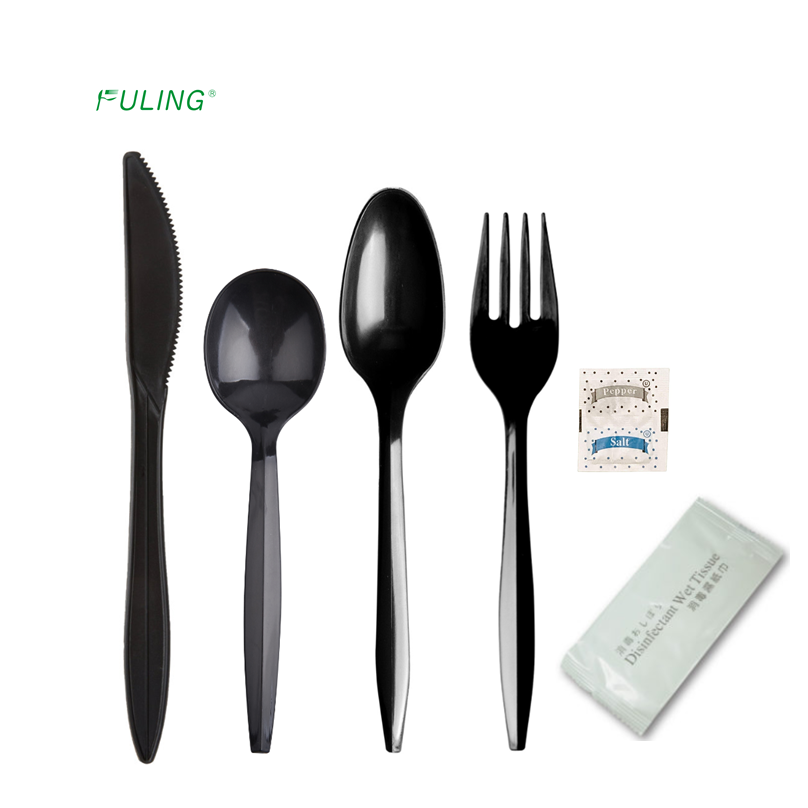
Hygienic 3-in-1 to 6-in-1 wrapped sets with wet tissue for complete dining solutions.
Custom Artwork
Full vector artwork proofing, custom carton markings, and barcode label integration.
Frequently Asked Questions by Global B2B Importers
Clear, definitive answers to technical, regulatory, and logistics queries when importing takeaway containers from China.
Partner With a Trusted China Takeaway Soup Containers Exporter
Accelerate your packaging supply chain with factory-direct pricing, food-contact certified materials, and full container optimization. Request our complete 2025 product catalog and technical sample kit today.
Get Catalog