Commercial Grade Takeout Packaging Recommendations
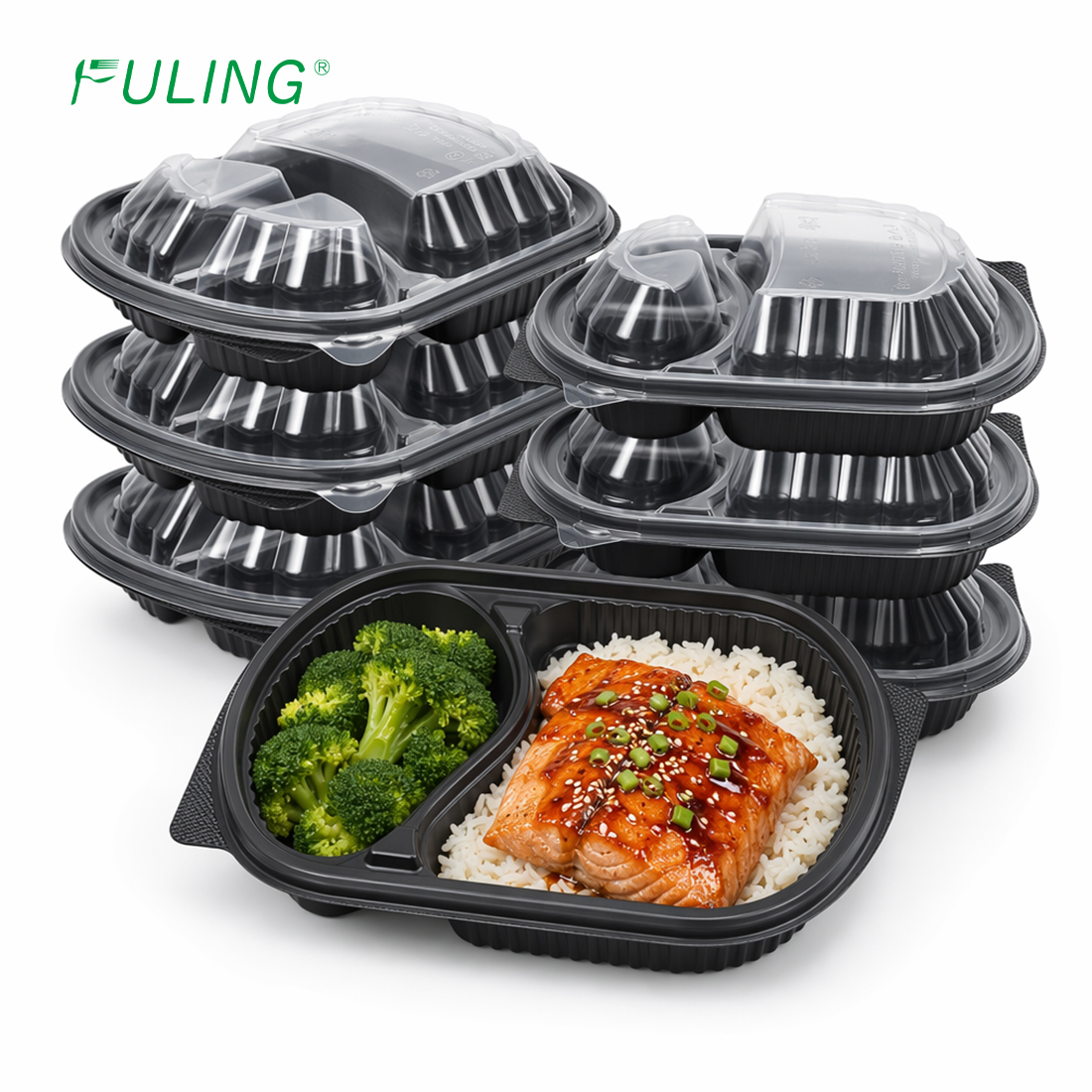
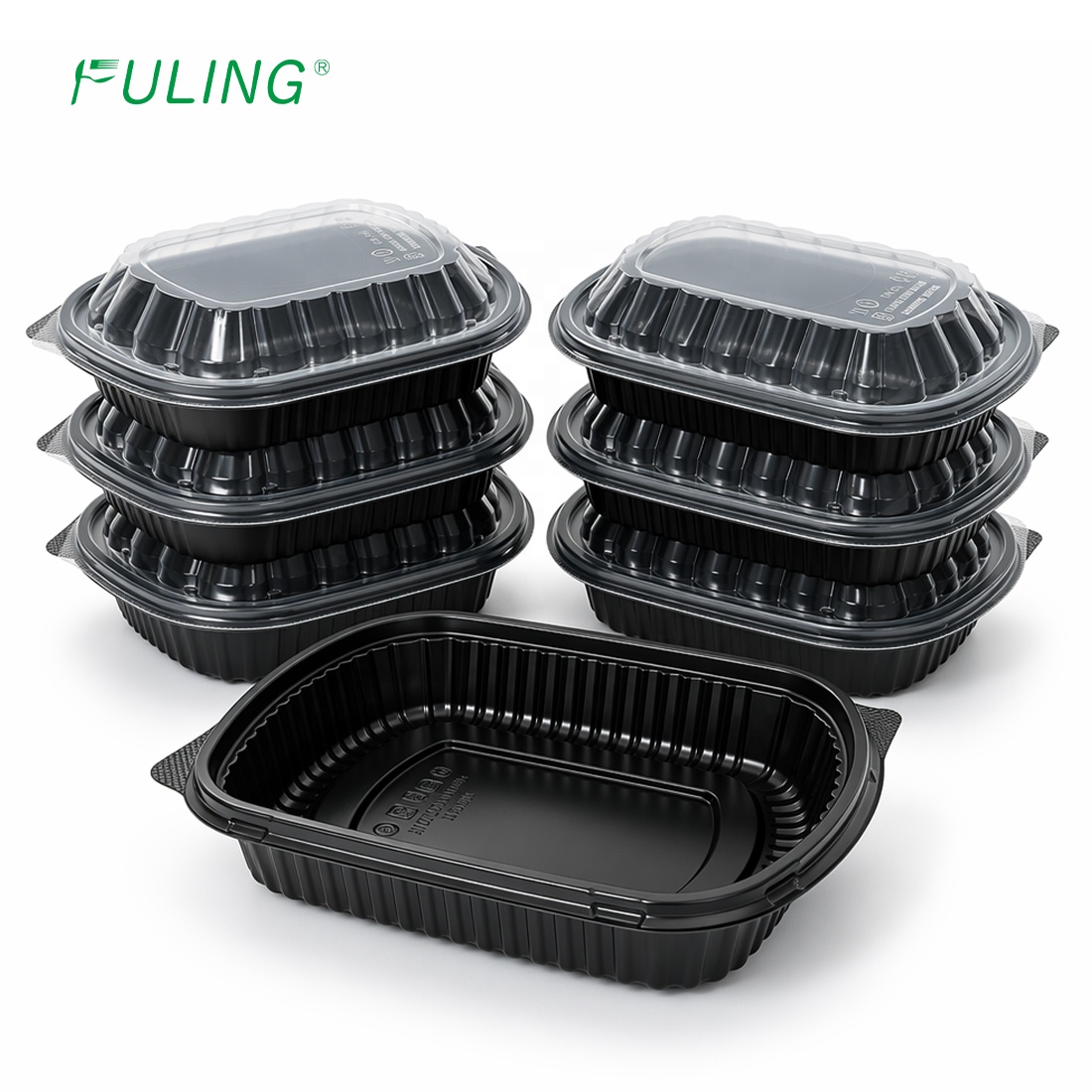
Engineered for high-volume foodservice operations, ghost kitchens, and commercial meal prep distributors. High precision, leakproof seals, and rigorous FDA/EU compliance.


Navigating Global Takeout Packaging Procurement Trends (2025–2030)
An executive whitepaper analysis on material shifts, international regulatory pressures, and supply chain re-engineering for global food importers, commercial distributors, and restaurant chains.
1. The Regulatory Decoupling of Single-Use Plastics and EPS Foam
The global takeout container market is experiencing unprecedented structural shifts driven by stringent environmental mandates. B2B buyers across North America, the European Union, and the Middle East are accelerating the phase-out of expanded polystyrene (EPS) foam containers and non-recyclable single-use plastics. Regulatory frameworks such as the European Union’s Single-Use Plastics Directive (EU 2019/904) and state-level bans across the United States have made compliance a central procurement vector.
In response to these regulatory headwinds, top Chinese manufacturers have undertaken massive capital expenditure projects to re-tool production lines. Polypropylene (PP) and Mineral-Filled Polypropylene (MFPP) have emerged as the primary functional successors to EPS foam. MFPP containers incorporate up to 40% natural mineral content (such as calcium carbonate), significantly reducing virgin resin utilization while providing the structural rigidity, thermal insulation, and grease resistance that commercial food chains require.
2. Technical Comparison of Next-Generation Packaging Polymers
Selecting the optimal container material requires a precise balance between structural performance, thermal capability, consumer ergonomics, and unit cost. The matrix below outlines the operational attributes of dominant polymers manufactured in leading Chinese facilities:
| Polymer / Material | Thermal Resistance Range | Microwave / Freezer Safe | Structural Rigidity | Environmental Footprint | Primary Food Applications |
|---|---|---|---|---|---|
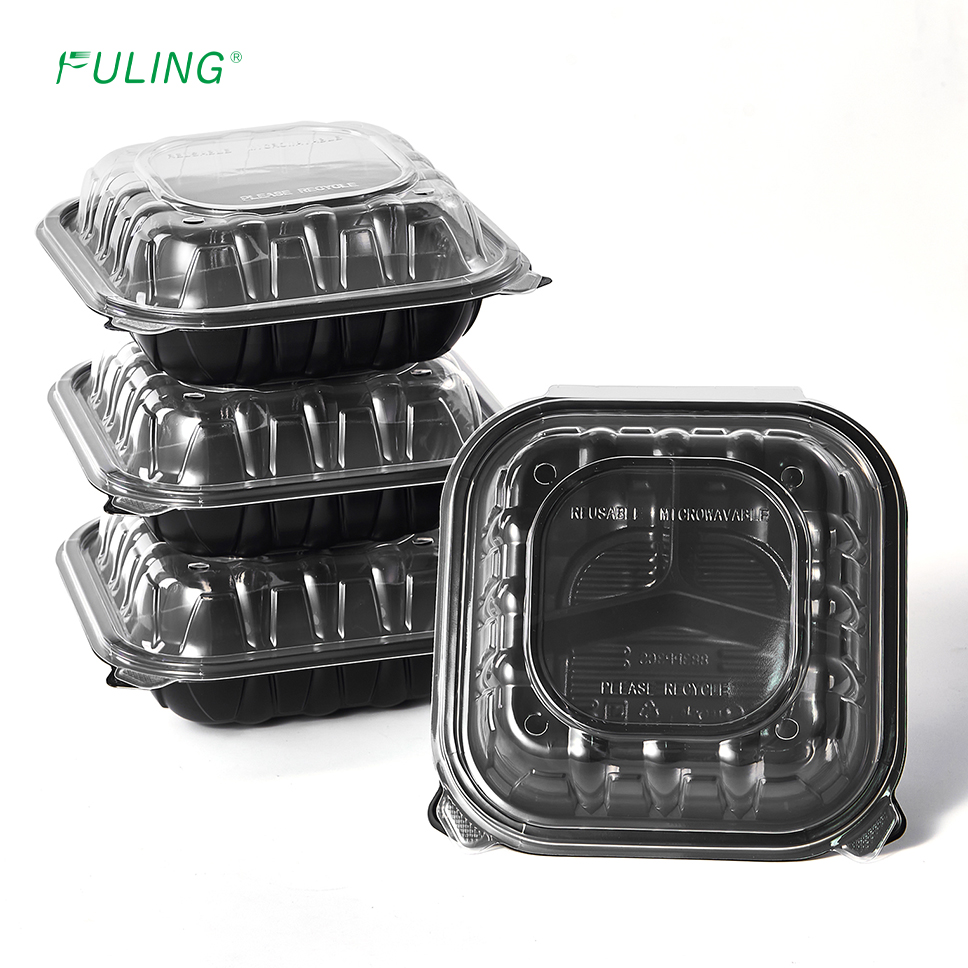
| Polypropylene (PP) | -20°C to 120°C (-4°F to 248°F) | Yes / Yes | High Flexibility & Creep Resistance | 100% Recyclable (#5 PP) | Soup, Hot Takeout, Meal Prep, Delivery |
| Mineral-Filled PP (MFPP) | -10°C to 110°C (14°F to 230°F) | Yes / Yes | Extreme Foam-Like Rigidity | Reduced Resin Density (40% Minerals) | Hinged Clamshells, Bento Boxes, Curbside To-Go |
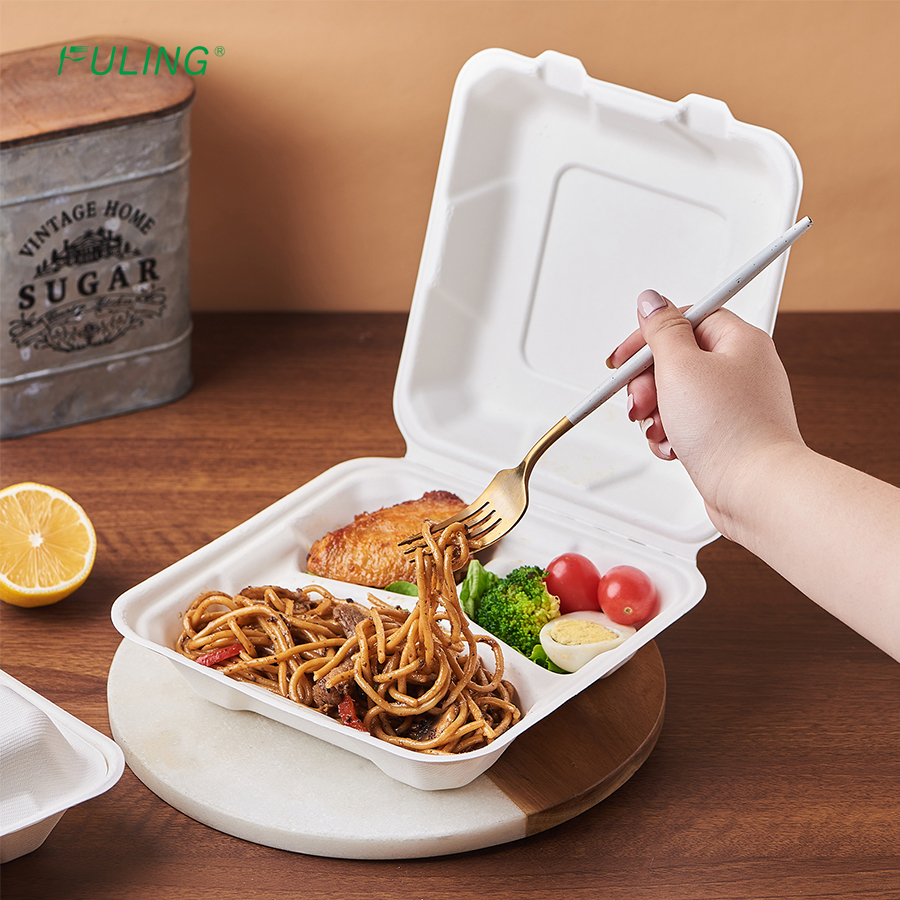
| Sugarcane Bagasse | -20°C to 100°C (-4°F to 212°F) | Yes / Short Term | High Fiber Density & Stacking Strength | 100% Biodegradable & Compostable | Eco-Chains, Salads, Dry & Semi-Moist Meals |
| PET (Polyethylene Terephthalate) | -40°C to 60°C (-40°F to 140°F) | No / Excellent Freezer | Crystal Clear Optics | Widely Recyclable (#1 PET) | Cold Deli, Bakery, Cold Drink Lids, Salads |
3. Supply Chain Automation and Cost Engineering in China Manufacturing
China's competitive edge in food container export has evolved from sheer labor volume to high-precision automation and vertical integration. Leading manufacturers now operate high-speed European and Japanese thermoforming machines and robotic injection molding cells capable of sub-second cycle times. This automation yields three decisive advantages for overseas B2B buyers:
- Gram-Weight Optimization: Advanced mold design enables ultra-thin wall sections without compromising structural hoop strength or rim rigidity, reducing raw material usage per unit by 8–15%.
- Dimensional Consistency: High-cavitation molds ensure micron-level tolerance accuracy, eliminating lid snap failure and liquid leakage during third-party delivery transport.
- Automated Packaging & In-Line QC: Integrated vision inspection systems continuously check rim integrity, seal paths, and surface defects before automated robotic arms stack and sleeve the product, guaranteeing zero human contamination.
Enterprise Strengths & Global Manufacturing Capabilities
Leveraging advanced thermoforming and injection molding infrastructure to supply global importers, chain restaurants, and foodservice brand owners with total OEM/ODM solutions.
Vertical Resin-to-Carton Integration
We control the entire manufacturing value chain. From raw polymer compounding and masterbatch blending to sheet extrusion, high-cavitation thermoforming, precise die-cutting, and automated carton sealing. This integration guarantees consistent batch-to-batch quality and mitigates resin price volatility for long-term contract buyers.
International Food-Contact Compliance
Every food container SKU leaving our facilities undergoes thorough migration and chemical testing. We maintain active compliance documentation for U.S. FDA 21 CFR 177.1520, EU Regulation 10/2011, German LFGB, and BRCGS Global Standard for Packaging Materials, ensuring seamless customs clearance at destination ports.
Freight Optimization & Mixed Container Loading
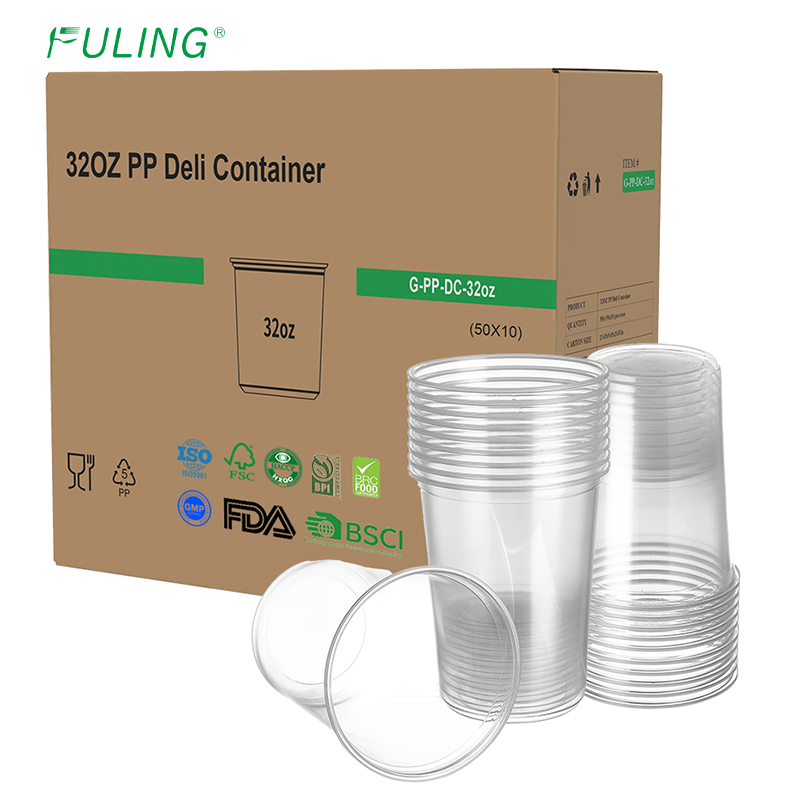
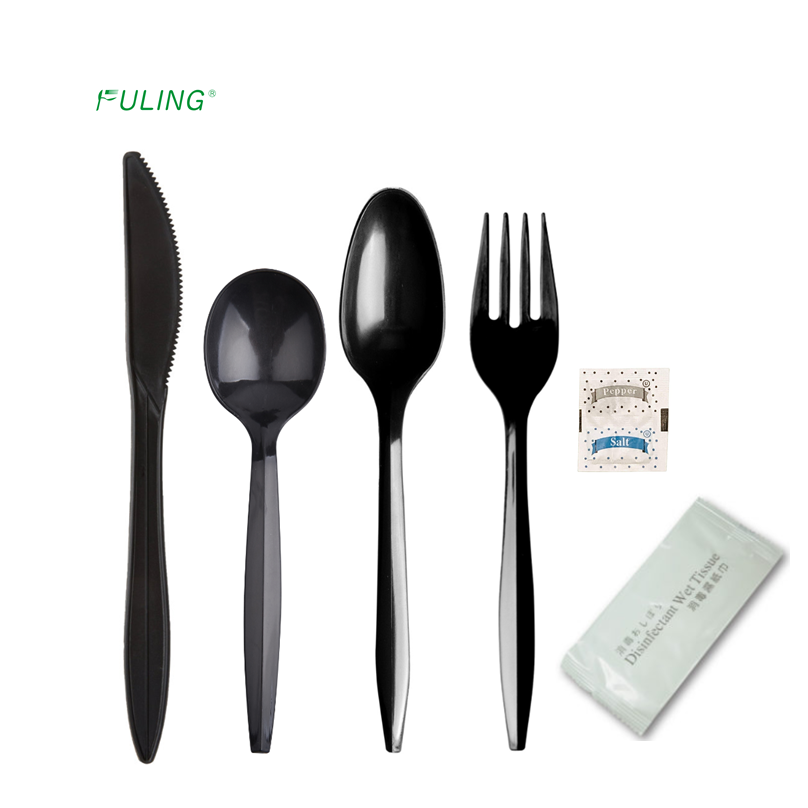
Ocean freight represents a significant component of the total delivered cost. Our packaging engineers design container geometries specifically for maximum nested stacking density. Importers can consolidate multiple SKUs—such as meal prep trays, deli tubs, sugarcane plates, and wrapped cutlery kits—into a single 40HQ container to optimize container utilization up to 98% space efficiency.
Total Cost of Ownership (TCO) Sourcing Methodology
A rigorous evaluation model for purchasing directors evaluating Chinese takeout container manufacturers to ensure supply continuity, defect minimization, and landed cost efficiency.
When sourcing food packaging at scale, relying solely on FOB unit pricing frequently leads to hidden supply chain costs. Industry-leading procurement teams evaluate suppliers based on a comprehensive Total Cost of Ownership (TCO) model encompassing four core operational pillars:
1. Seal Integrity & Leakage Index
A failed lid seal during delivery damages consumer trust and incurs customer refund charges. Enterprise-grade PP and MFPP containers feature precision snap-action rim locks that pass 30-second invert-and-shake fluid testing without leakage.
2. Structural Compression & Stacking Strength
Modern delivery drivers stack up to five meal trays in thermal bags. Advanced structural ribbing on container bases and lids distributes vertical load forces, preventing sidewall collapse even when filled with high-temperature oily food.
3. Aesthetic Clarity & Anti-Fog Coating
Visual presentation directly influences re-order rates for meal subscription services. Clear lids treated with food-safe anti-fog surfactant remain crystal clear when filled with steaming hot food, displaying the meal without condensation buildup.
4. Lead Time Predictability & Safety Stock
Factory production scheduling transparency is crucial. Tier-1 China exporters provide guaranteed production slots, EDI order tracking, and strategic buffer stock programs near major ocean container terminals such as Ningbo and Shanghai.
Frequently Asked Questions for B2B Importers
Technical, commercial, and regulatory guidance for purchasing managers importing food containers directly from Chinese manufacturers.
What is the structural difference between PET, PP, and MFPP food packaging materials?
PET (Polyethylene Terephthalate) offers ultra-clear visual presentation but has a low thermal ceiling (max 60°C), making it ideal strictly for cold salads, fruit cups, and bakery items. Standard PP (Polypropylene) is semi-translucent, highly durable, and heat-resistant up to 120°C, making it microwave-safe and suitable for hot meals. MFPP (Mineral-Filled Polypropylene) blends PP resin with 40% natural calcium carbonate mineral filler. This creates a rigid, insulated structural wall that mimics EPS foam while utilizing drastically less virgin plastic, serving as a highly cost-effective, microwave-safe hinged clamshell material.
Do your manufacturing facilities support custom branding, private labeling, and OEM tooling?
Yes. We offer complete OEM/ODM capabilities. For existing container geometries, we provide custom offset printing (up to 6 colors) on lids and sleeves, embossed logo molding on plastic lids, and custom-printed outer cartons with private buyer branding and scannable GS1 barcodes. For proprietary client designs, our engineering department designs and cuts 3D aluminum production molds within 20 to 30 business days, followed by initial sample verification before full mass production runs.
What compliance documentation is provided for port customs clearance in the US and Europe?
We supply comprehensive, lot-traceable food contact documentation with every export container. This includes U.S. FDA 21 CFR 177.1520 compliance certificates, European Union EU 10/2011 Overall and Specific Migration Test Reports from accredited third-party laboratories (SGS, TUV, or Intertek), heavy metal clearance certificates (CONEG/94/62/EC), and PFAS-free chemical verification reports for sugarcane bagasse products.
How do you optimize container loading for multi-SKU orders to reduce freight costs?
Our logistics team utilizes specialized 3D container loading calculation software. By combining high-density nested items (such as plastic deli cups and flat lids) with larger, rigid items (such as hinged MFPP clamshells), we eliminate void spaces inside 20GP and 40HQ ocean containers. Buyers can mix multiple SKUs in a single shipment without paying for shipped air, bringing landed ocean freight costs per unit down to the absolute minimum.
What are the standard lead times and Minimum Order Quantities (MOQ) for direct factory shipments?
Standard plain stock SKUs carry a minimum order threshold of 30,000 to 50,000 units per item, or a consolidated total order value fitting one 20-foot sea container. Custom-printed or private-label packaging orders carry a standard manufacturing lead time of 20 to 25 calendar days following artwork sign-off and deposit receipt. Expedited production lanes are available for contracted high-volume buyers.
Partner with China's Premier Takeout Packaging Exporter
Streamline your food container supply chain with factory-direct pricing, certified food-contact safety, and guaranteed manufacturing quality. Request custom samples and technical specifications today.