Navigating Global Wholesale Procurement in Commercial Food Packaging
In the rapidly evolving global QSR (Quick Service Restaurant), takeaway, meal-prep, and institutional foodservice sectors, selecting verified food storage container suppliers and exporters is no longer merely a purchasing decision—it is a critical risk-management strategy. Procurement teams must navigate stringent chemical compliance frameworks (such as US FDA 21 CFR 177.1520, EU Regulation 10/2011, and LFGB testing), volatile resin pricing, freight cubic optimization, and the worldwide transition away from single-use expanded polystyrene (EPS) toward high-performance polypropylene (PP), mineral-filled polypropylene (MFPP), PET, and sugarcane bagasse solutions.
As a leading factory-direct manufacturing authority, our engineered catalog provides commercial food distributors, wholesale importers, packaging brokers, and nationwide restaurant franchises with leak-proof, microwavable, structural-grade food packaging solutions. Below, we present an audited selection of top-performing products alongside deep technical whitepaper insights designed to streamline enterprise procurement.
Top-Rated Commercial Food Packaging Products
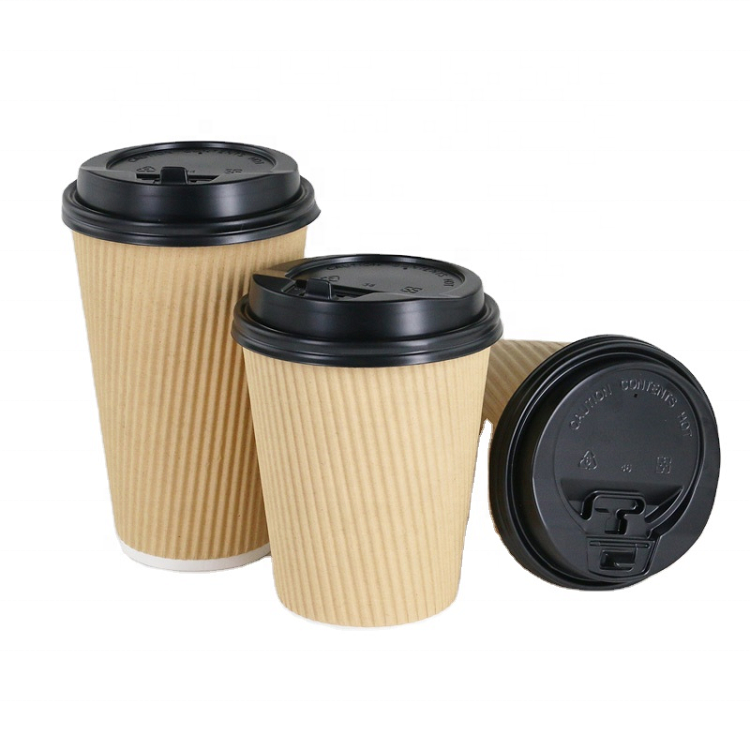
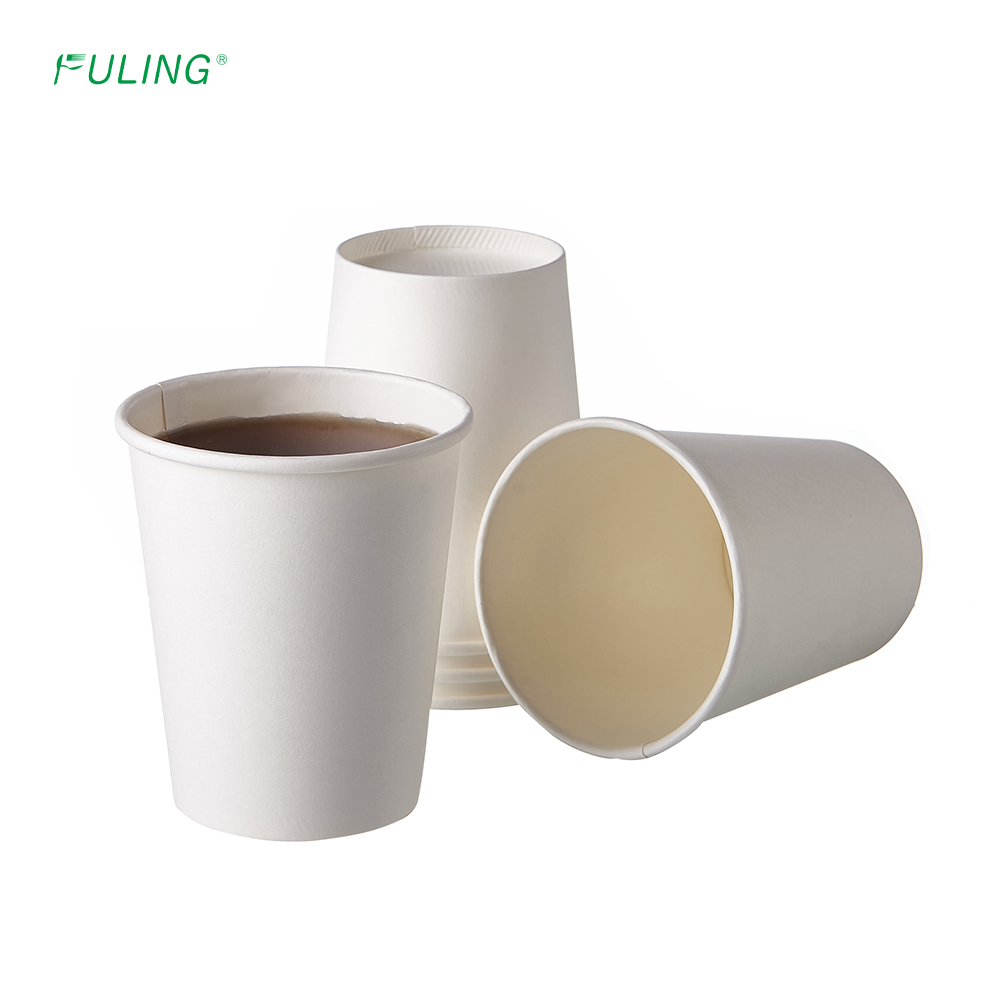
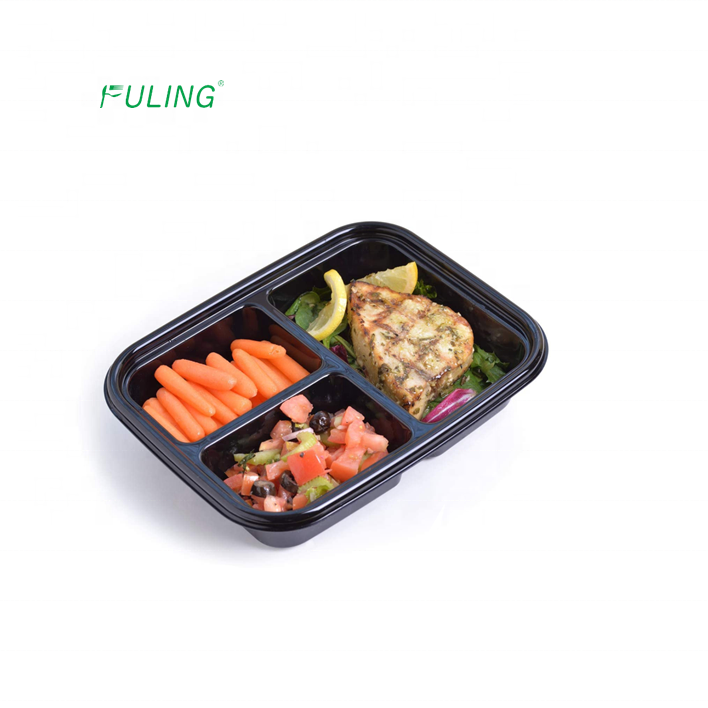
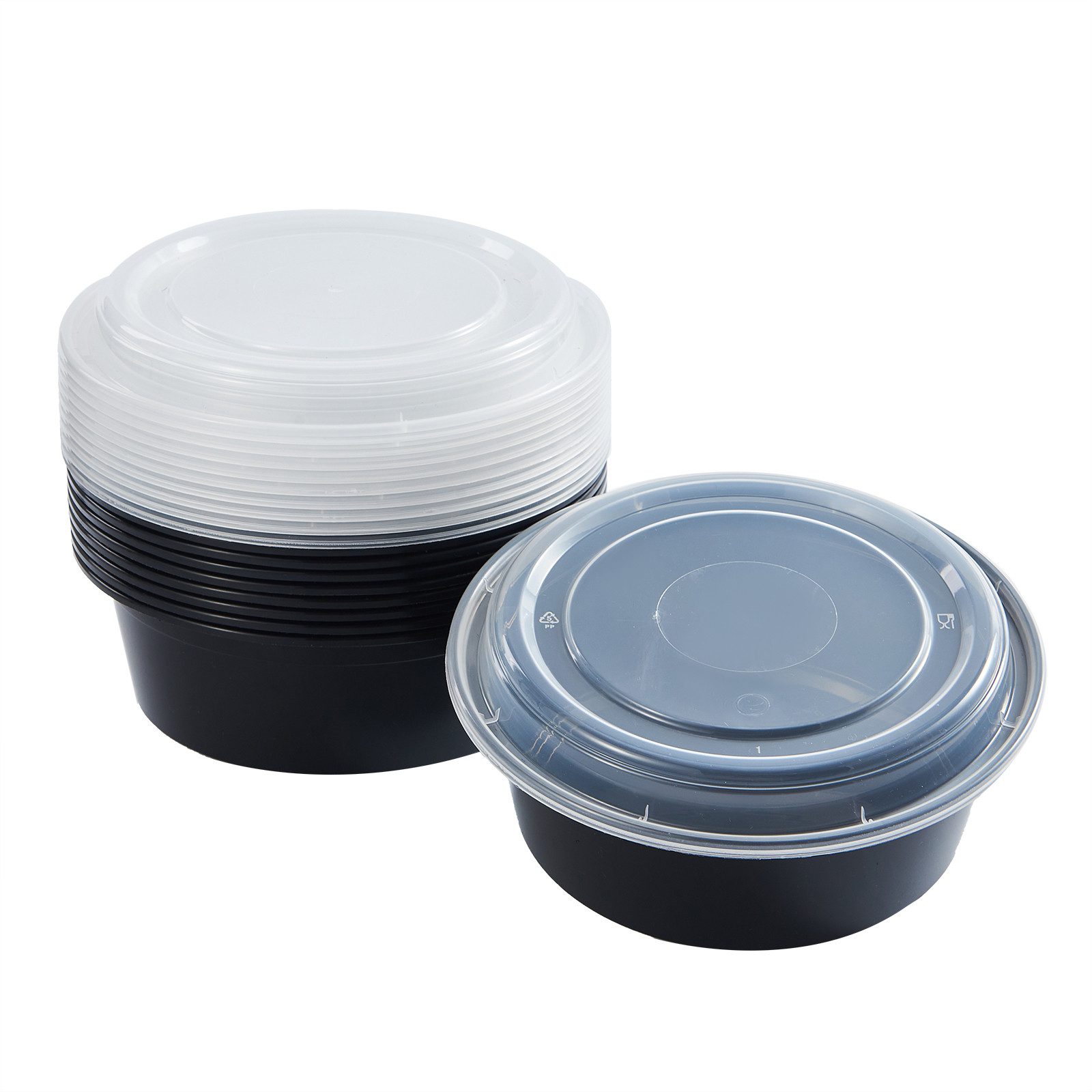
Precision-molded cups, microwavable prep boxes, deli soup tubs, and eco-friendly sugarcane tableware engineered for high-volume foodservice operations.


Why Global Importers Partner With Our Manufacturing Infrastructure
Direct control over polymer compounding, high-speed thermoforming, automated multi-piece kit assembly, and rigorous export documentation.
Advanced Thermoforming & Injection Molding
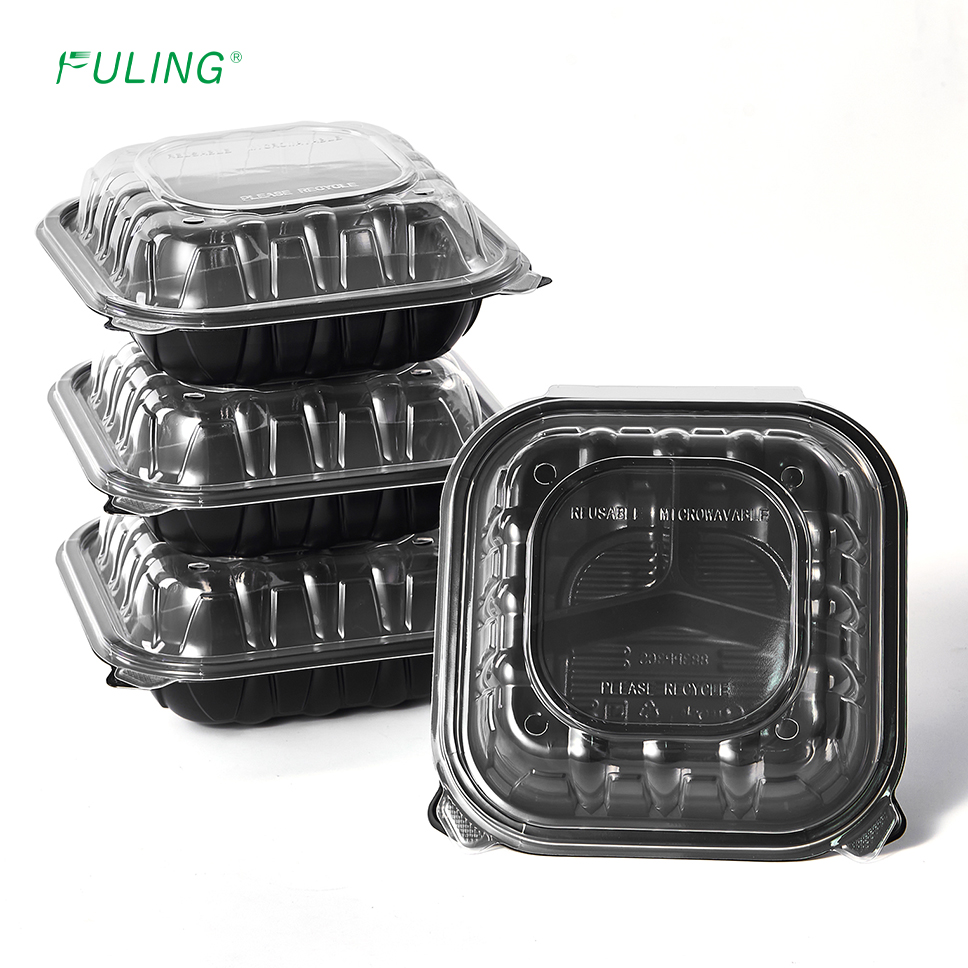
Our production facilities operate state-of-the-art German and Taiwanese thermoforming machinery capable of high-cadence production with sub-millimeter rim tolerances. This guarantees that lids snap on securely with an audible seal, preventing seal failure and leakage during last-mile delivery. From thin-wall PET drink cups to thick-wall microwavable PP meal-prep boxes, structural integrity is engineered at the molecular level.
Comprehensive Compliance & Traceability
Every shipment is backed by verified food-contact documentation, including FDA 21 CFR 177.1520, EU No 10/2011, and heavy metal heavy-testing protocols. Our raw materials are sourced strictly from top-tier petrochemical suppliers (such as Sabic and Sinopec), utilizing 100% virgin food-grade resins. Integrated lot-number tracking ensures complete transparency from raw granule to packed master carton.
OEM Custom Printing & Private Label Branding
Elevate your brand with high-definition flexographic paper cup printing and precision flexo/offset plastic printing up to 8 colors. We offer complete OEM packaging development, including custom-printed inner polybags, custom master cartons with barcodes, in-mold labeling (IML) for deli tubs, and private label cutlery wrap programs tailored for retail and commercial food distributors.
Freight Density & Container Load Optimization
Shipping air is the biggest margin killer in international packaging logistics. Our structural design team optimizes nesting ratios—allowing more containers per stack without causing rim locking. By engineering custom carton dimensions optimized for 40ft High Cube (40HQ) ocean containers, we maximize unit density, reducing shipping costs per piece by up to 18% for overseas buyers.
The Evolution of Food Packaging: Procurement Trends & Polymer Horizons (2025–2030)
As environmental legislation tightens across North America, Europe, and the Asia-Pacific region, the commercial food container industry is undergoing a structural transformation. Distributors and food operators must realign their sourcing specifications to match regulatory imperatives while retaining essential physical performance: thermal resistance, grease barrier capability, stackability under humidity, and structural rigidity.
1. The MFPP Foam Replacement Wave
With expanded polystyrene (EPS) bans active across dozens of countries, Mineral-Filled Polypropylene (MFPP) has emerged as the premier cost-effective replacement. By incorporating up to 40% natural calcium carbonate ($CaCO_3$) mineral fillers into PP resin, MFPP containers dramatically reduce plastic content, enhance hinge strength, improve thermal insulation for hot takeout meals, and offer superior microwave safety compared to legacy foam clamshells.
2. PET Mono-Material Circularity & PCR Integration
For cold beverages, salads, and deli display applications, Polyethylene Terephthalate (PET) remains unmatched in crystal clarity. The future trend focuses heavily on mono-material packaging design—ensuring container bases and lids are manufactured from identical resin classes to simplify post-consumer recycling. Furthermore, leading exporters are integrating Post-Consumer Recycled PET (rPET) at levels of 20% to 50%, satisfying European plastic tax mandates without compromising tensile clarity.
3. Sugarcane Bagasse & PFAS-Free Eco-Barrier Coatings
Natural fiber packaging made from sugarcane bagasse represents the gold standard for compostable plates, bowls, and hinged boxes. The immediate technological focus is eliminating fluorinated chemicals (PFAS/PFOS) traditionally used for oil resistance. Modern eco-friendly bagasse production utilizes bio-wax or aqueous barrier formulations that provide 100% oil and water repellency while meeting stringent EU and US compostability standard certifications.
4. Anti-Fog Lidding & Leak-Proof Snap Systems
The explosive rise of third-party delivery apps (Ubereats, DoorDash, Deliveroo) has elevated anti-fog lid technology from a luxury to a requirement. Cold or hot condensation inside take-out bowls reduces visual appeal and signals freshness issues to consumers. High-clarity PP and PET lids treated with food-safe anti-fog surfactant coatings maintain crystal-clear visibility, while dual-lock rim geometry eliminates catastrophic spillages during transport.
5. Individually Wrapped Hygienic Cutlery & Meal Kits
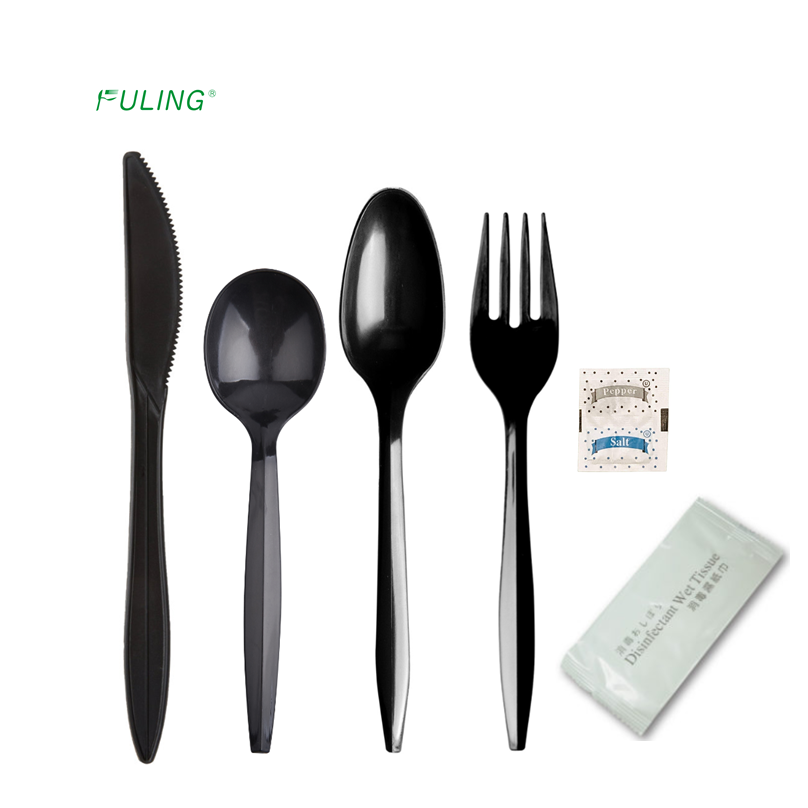
Institutional catering, airlines, fast-food chains, and delivery operations are standardizing on automated, individually wrapped cutlery sets. Including sanitary items like wet wipes, napkins, and toothpicks inside sealed poly sleeves guarantees zero hand-contact contamination from factory floor to end consumer, satisfying heightened post-pandemic hygiene expectations.
6. Customization, IML & Brand Differentiation
Generic packaging is rapidly being replaced by branded takeaway solutions. In-Mold Labeling (IML) technology fuses high-resolution graphics directly into injection-molded PP bowls during forming, creating permanent, moisture-proof, scratch-resistant branding that transforms standard soup containers into powerful marketing assets for restaurant chains.
Frequently Asked Procurement Questions (FAQ)
Technical clarity for international packaging buyers, supply chain executives, and commercial importers.
Ready to Partner with a Direct Food Packaging Manufacturer?
Contact our international business engineering team today to request product samples, factory audit reports, technical datasheets, and direct factory-gate FOB/CIF quotations.