

Technical Whitepaper: Engineering Fresh Fruit Packaging for Extended Shelf Life
In the global fresh produce supply chain, fruit degradation between the farm gate and the retail store accounts for up to 30% of post-harvest loss. Sourcing high-performance fruit packaging containers is no longer merely a commodity purchasing decision; it is a vital chemical and mechanical engineering strategy. As a leading manufacturer and exporter, our continuous investments in polymer thermodynamics, structural anti-crush geometry, and modified atmosphere dynamics have set a new benchmark for fresh produce preservation.
Key Insight: Post-harvest fruit preservation depends heavily on three physical parameters: Transpiration Rate Control, Ethylene Gas Dissipation, and Structural Compression Resistance during low-temperature (-1°C to 4°C) cold chain transit.
1. Polymer Physics and Respiration Dynamics in Fresh Produce
Fruits remain living biological tissues after harvest, consuming oxygen (O₂) and emitting carbon dioxide (CO₂), water vapor, and ethylene gas. If a fruit packaging container traps excess moisture without controlled ventilation, the relative humidity inside the clamshell reaches 100%, causing condensation droplets to form on the interior lid surface. This condensation creates an ideal micro-environment for fungal pathogens such as Botrytis cinerea (grey mold) and Rhizopus stolonifer.
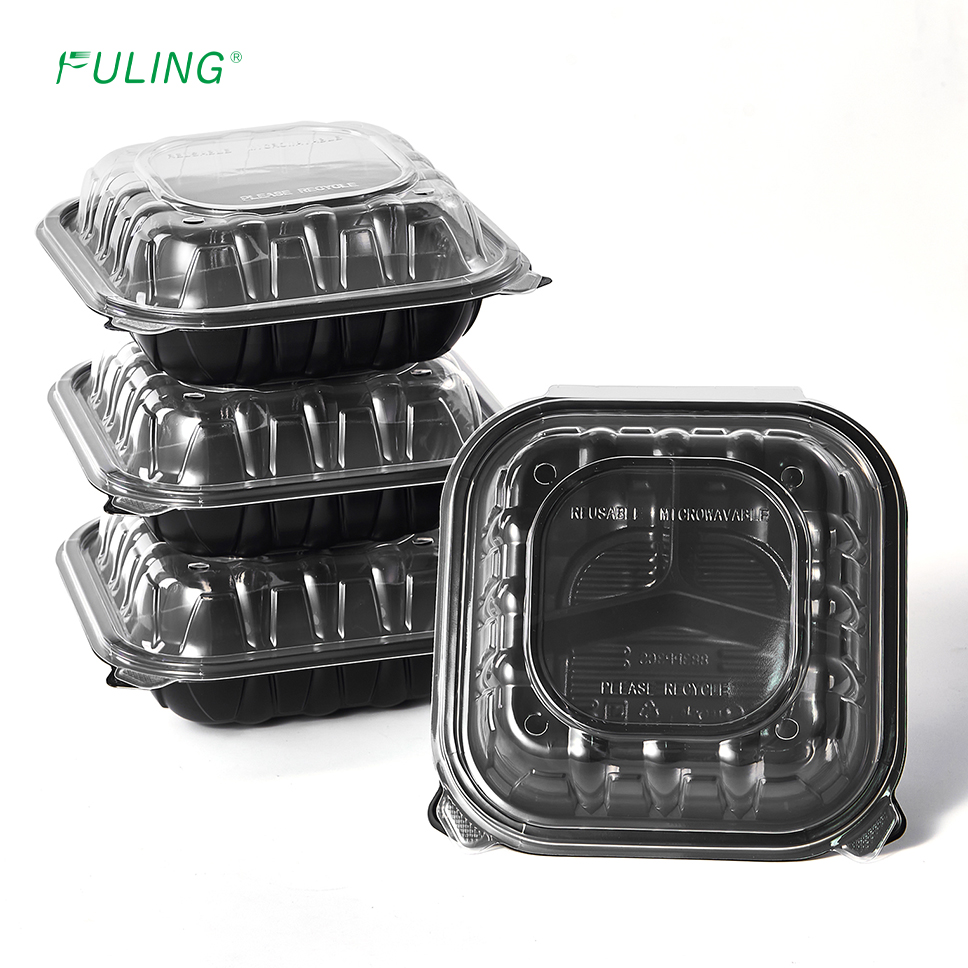
Our engineered PET (Polyethylene Terephthalate) and PP (Polypropylene) clamshell containers incorporate micro-punched and perimeter slot venting systems. These ventilation ports are strategically positioned along the top, bottom, and side hinge radii to induce natural air convection (the stack effect) within freight pallets. This airflow maintains internal relative humidity between 85% and 90%—preventing desiccation while inhibiting microbial proliferation.
2. Comparative Polymer & Material Matrix for Fresh Produce Packaging
Choosing the correct polymer matrix requires balancing visual transparency, cold-temperature impact resistance, moisture vapor transmission rates (MVTR), and environmental compliance. Below is an engineering benchmark comparison of common packaging substrates:
| Substrate Material | Optical Clarity | Cold Chain Impact (-5°C) | Respiration Control | Primary Produce Application | End-of-Life / Recycling |
|---|---|---|---|---|---|
| PET (Polyethylene Terephthalate) | Crystal Clear (>90%) | Excellent (High Ductility) | Custom Vented / Slotted | Berries, Strawberries, Grapes, Cherries | Curbside Recyclable (RIC #1) |
| rPET (30%-100% Recycled PET) | High Clarity (>85%) | Excellent | Micro-Perforated | Retail Cut Fruit, Kiwis, Tomatoes | Circular Economy Compliant |
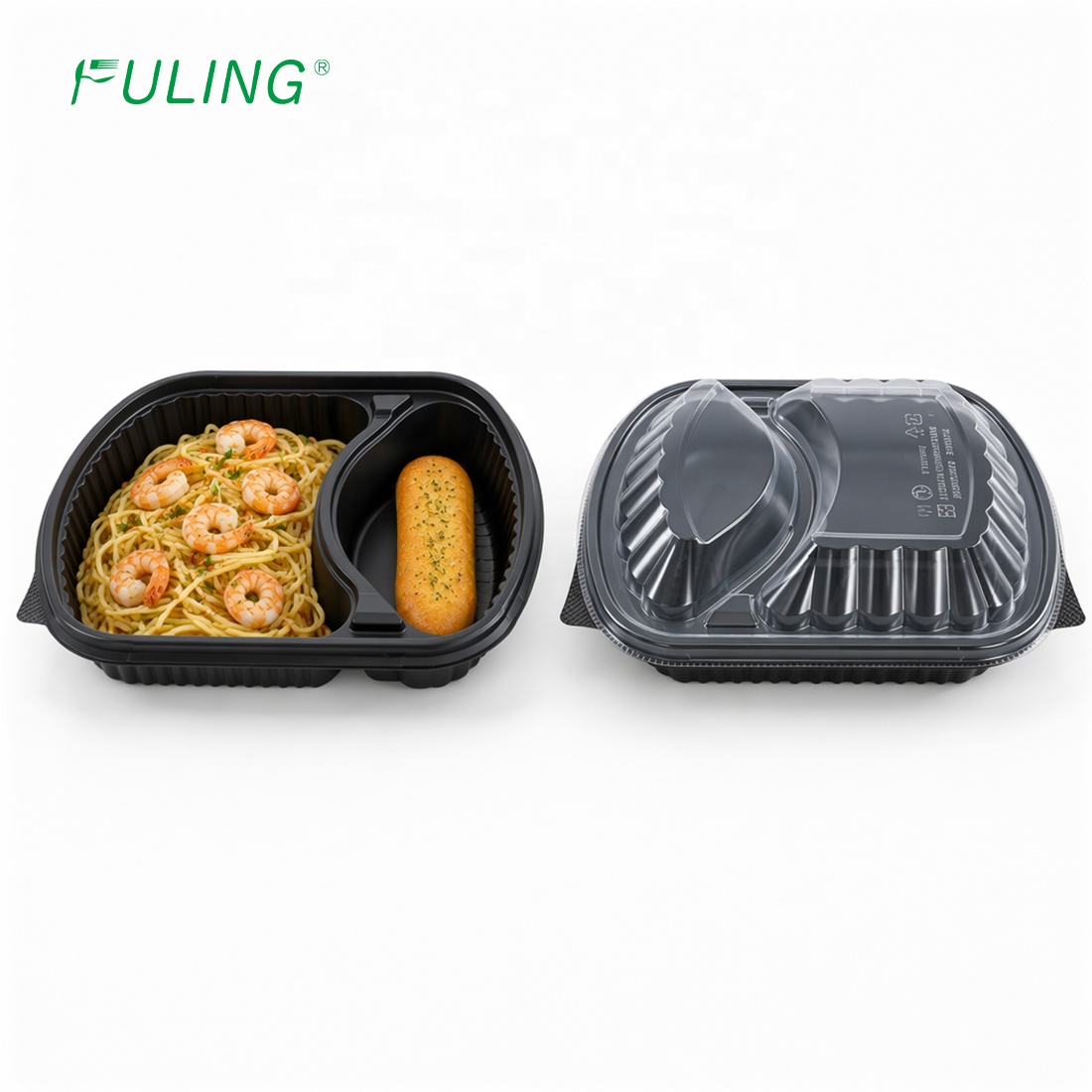
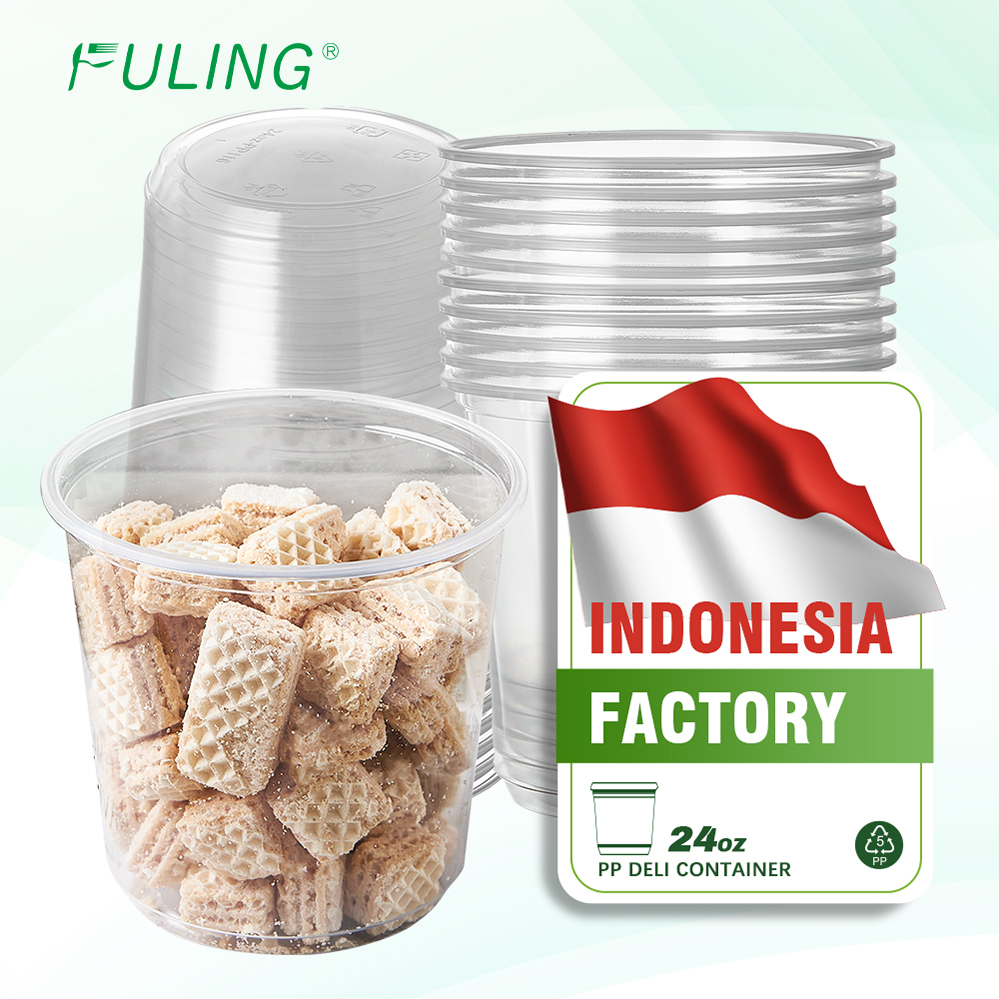
| PP (Polypropylene) | Semi-Clear / Translucent | Moderate (Needs Copolymer) | Airtight / Anti-Fog Lids | Microwavable Cut Fruit, Meals, Deli | Standard Recyclable (RIC #5) |
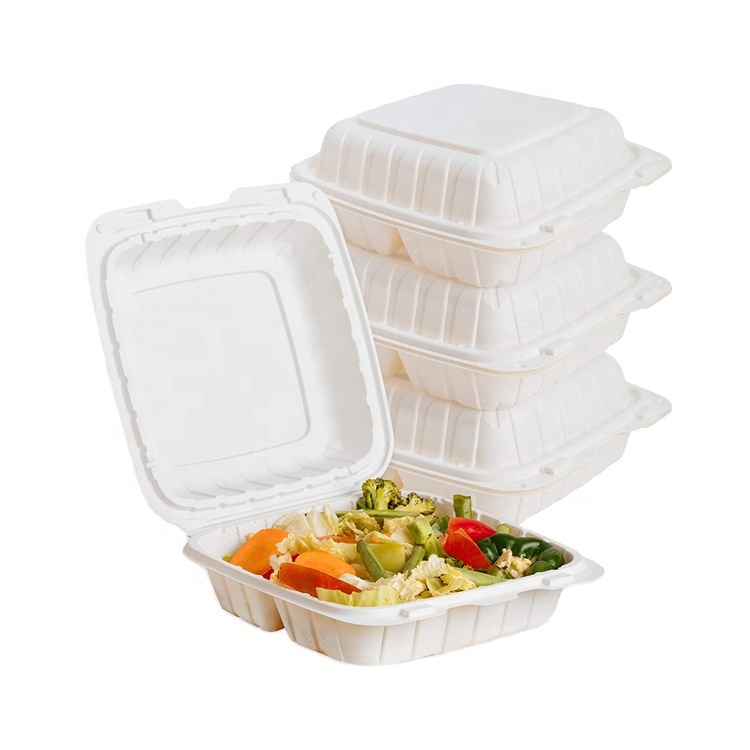
| MFPP (Mineral-Filled PP) | Opaque / Matte Finish | High Structural Stiffness | Hinged Clamshell Locks | Bulk Produce, Foodservice Plated Meals | Reduced Plastic Content (Up to 50%) |
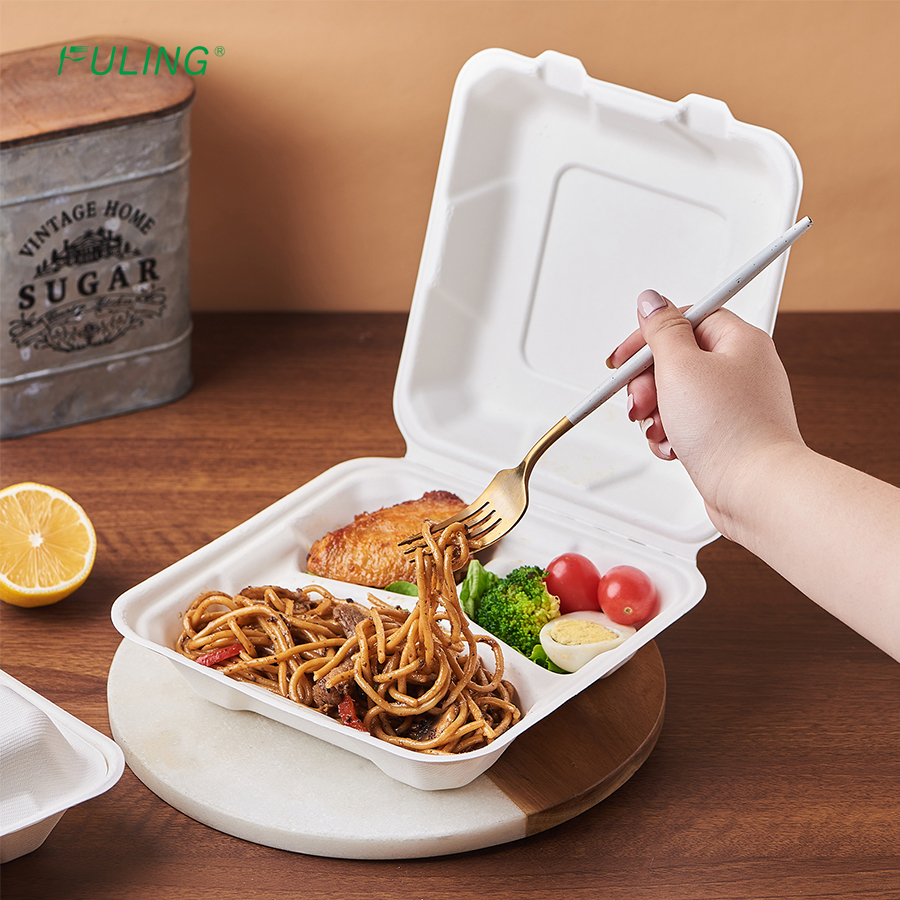
| Sugarcane Bagasse | Opaque Natural Fiber | High Compression Strength | Natural Fiber Breathability | Organic Strawberries, Mushrooms, Plums | Industrial & Home Compostable |
3. Structural Wall Ribbing and Automated Denesting Performance
During marine transport in refrigerated container ships (Reefers), pallets of fruit containers are subjected to static vertical loads exceeding 500 kg per stack, combined with dynamic lateral vibration. Standard commodity clamshells frequently suffer corner crushing, causing mechanical damage to delicate produce like soft berries and figs.
Our thermoforming engineers utilize finite element analysis (FEA) to integrate structural vertical ribs, perimeter structural channels, and reinforced base arches into our container molds. This increases top-load stack strength by over 35% compared to smooth-wall designs. Furthermore, for automated high-speed packing facilities, our fruit punnets feature precision-engineered denesting lugs. These lugs guarantee consistent mechanical separation without jamming, allowing automated robotic arms to process up to 120 containers per minute per packing line.