Top Recommended Food Containers & Packaging SKUs
Engineered for high-volume foodservice operations, ghost kitchens, delivery platforms, and international commercial buyers.

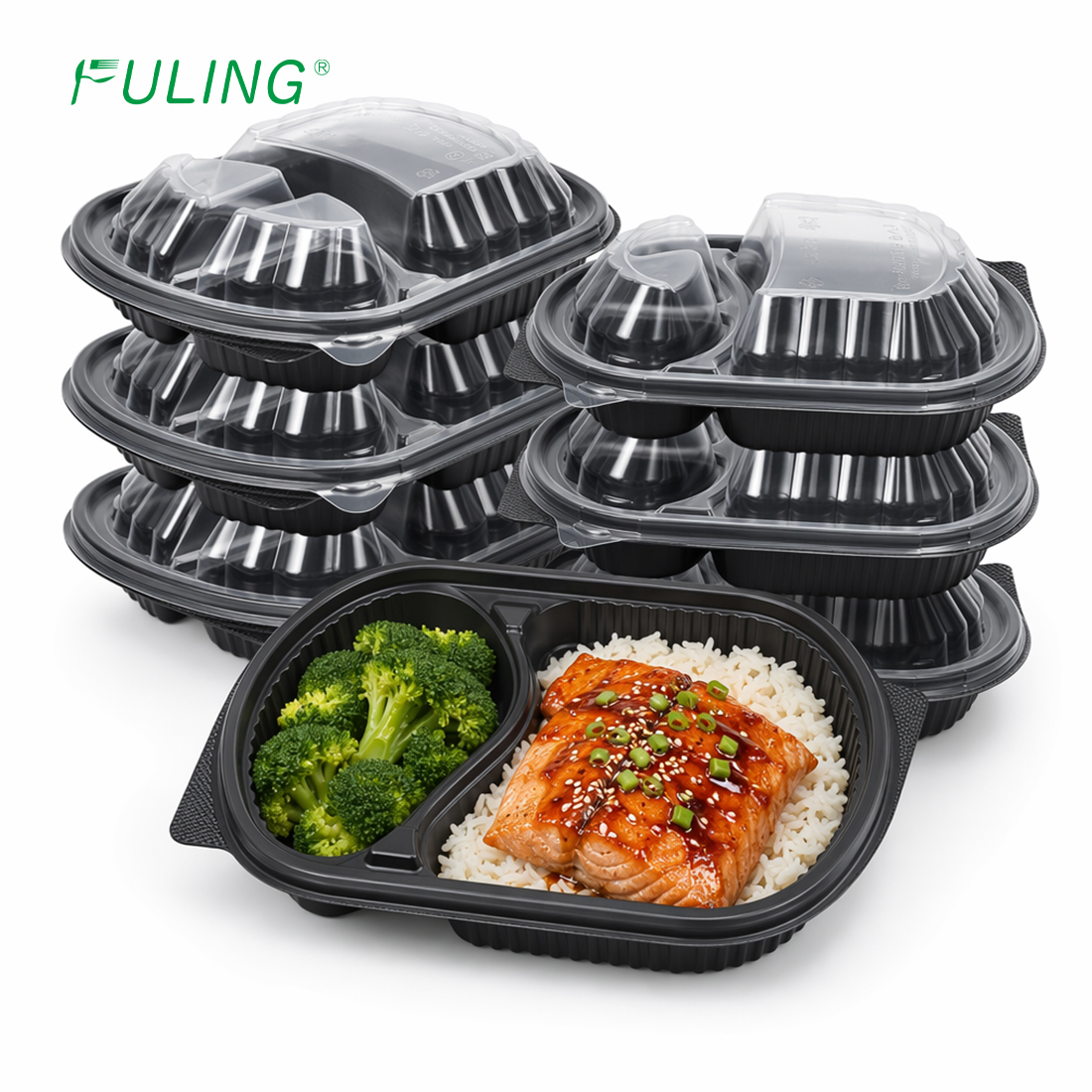
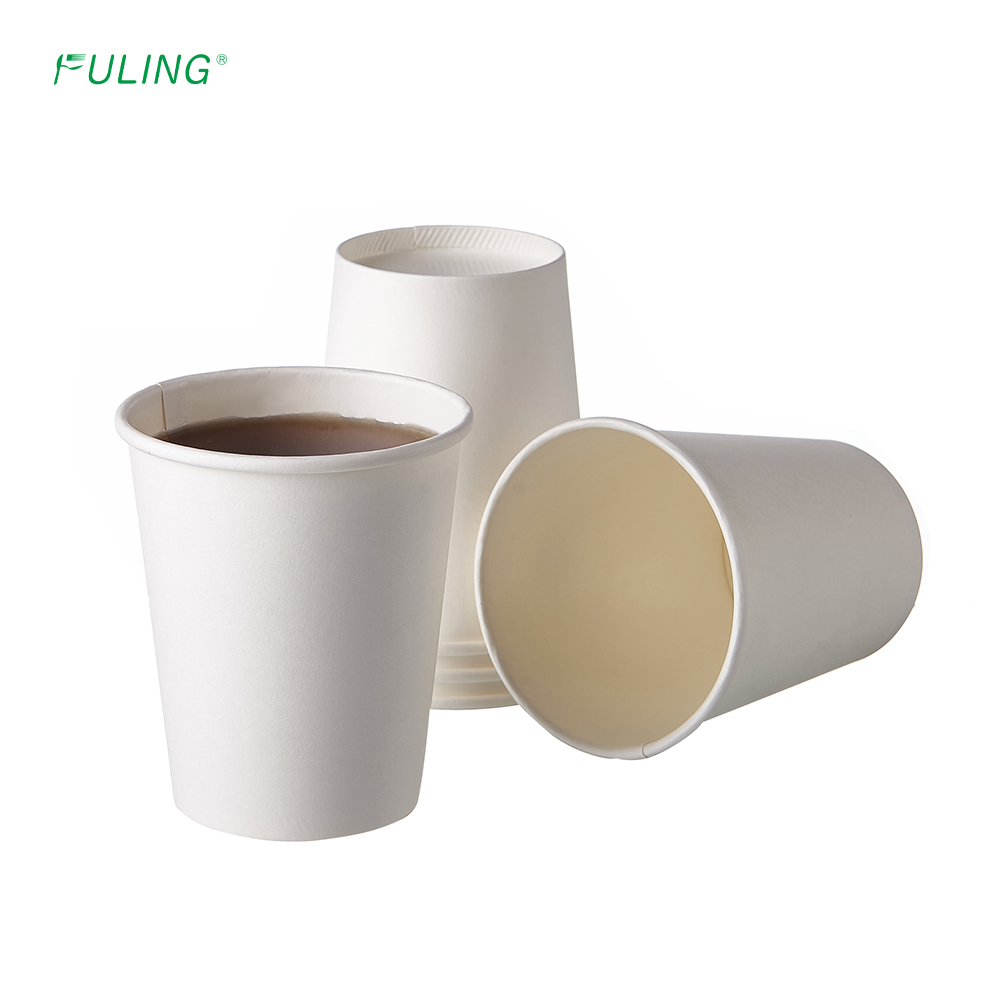

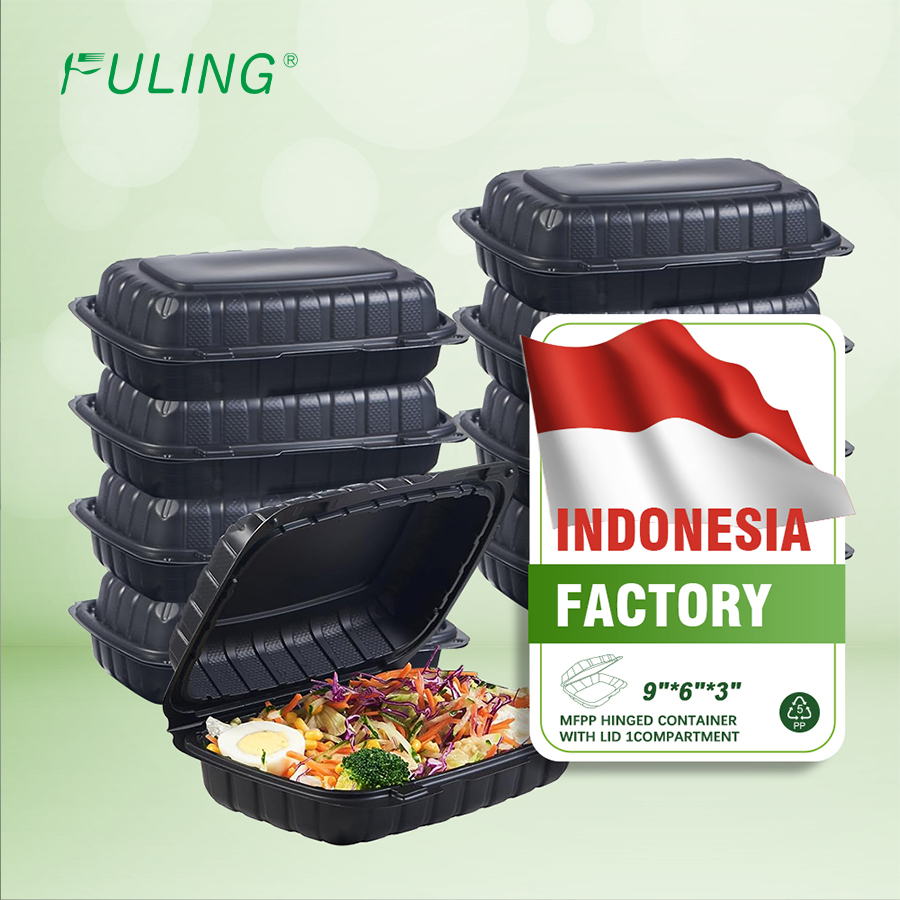

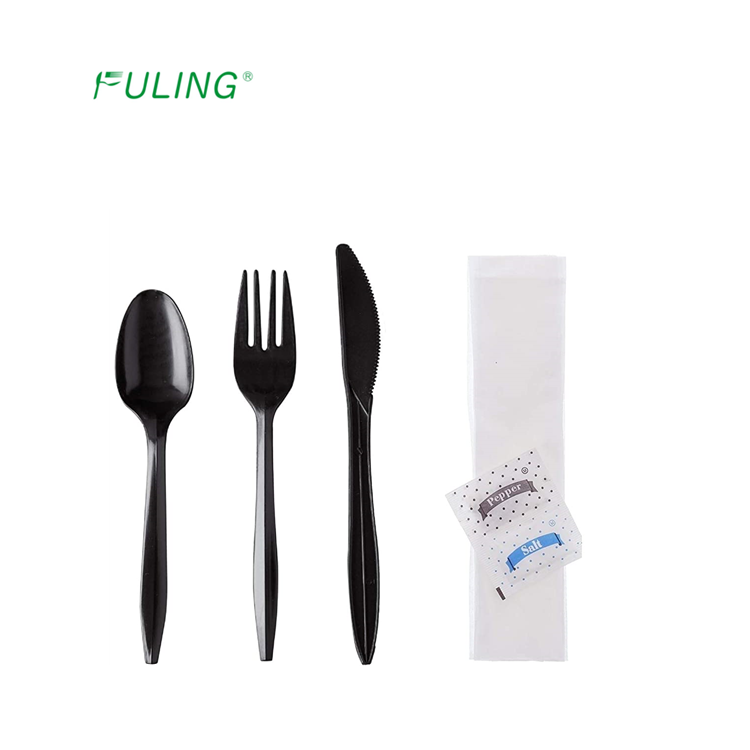
Strategic Overview: The Sourcing Shift in Kraft & Eco-Friendly Food Packaging
The global commercial food packaging landscape is experiencing a paradigm shift. Sourcing managers, restaurant franchise directors, and B2B packaging importers no longer evaluate food containers solely by per-unit piece price. Today's procurement decisions require a holistic assessment of material science integrity, structural load capability under thermal stress, compliance verification (US FDA, EU Regulation 10/2011, LFGB), and total cost of ownership (TCO) across international logistics channels.
As consumer demand for off-premise dining, food delivery applications (UberEats, DoorDash, Deliveroo), and meal prep subscriptions escalates, food packaging must solve three core mechanical challenges:
- Thermal Energy Retention vs. Condensation Balance: Retaining internal food temperature while allowing steam dissipation to prevent food sogginess.
- Structural Rigidity Under Stacking Compression: Maintaining stacking integrity when multiple loaded containers are placed inside delivery bags.
- Hermetic Seal Performance: Preventing liquid migration and sauce spillage across variable temperature ranges (-20°C freezer storage to +120°C microwave reheating).
Factory-Direct Engineering & Export Excellence
Built upon strict quality management systems (QMS), automated thermoforming, and precision injection molding.
Material Purity & Food Safety
We utilize 100% virgin food-grade resins and unbleached kraft paperboard. All production batches are strictly BPA-free, heavy metal-free, and third-party certified under US FDA 21 CFR and EU 10/2011 standards.
Precision Tooling & Leakproof Seals
Our high-speed CNC-machined injection molds guarantee dimensional tolerances within ±0.05mm. This ensures 100% snap-fit lid alignment, eliminating side-wall deflection and liquid leaks during transport.
Optimized Freight Loading
Designed with nesting ratios engineered for maximum cube utilization. We assist B2B distributors in combining cups, bowls, cutlery, and clamshells into consolidated 20GP/40HQ container shipments.
Comparing Material Properties for Commercial Foodservice
Select the optimal substrate based on temperature resistance, clarity, barrier performance, and environmental impact.
| Material Substrate | Thermal Operating Range | Microwave / Freezer Safe | Barrier Technology | Primary Commercial Use | Eco-Compliance |
|---|---|---|---|---|---|
| Virgin Kraft Paperboard | -10°C to +100°C | Limited / Item Dependent | PE, PLA, or Aqueous Dispersion | Soups, Salads, Hot Beverage Cups | Biodegradable / FSC |
| PP (Polypropylene) | -20°C to +120°C | Yes (Microwave & Freezer) | High Moisture & Fat Barrier | Meal Prep, Bento Trays, Deli Bowls | Recyclable (#5) |
| MFPP (Mineral-Filled PP) | -20°C to +120°C | Yes (Microwave & Freezer) | Natural Mineral Barrier Filler | Hinged Clamshells, Foam Replacement | -50% Resin Content |
| PET (Polyethylene Terephthalate) | -40°C to +60°C | Freezer Safe / No Microwave | High Oxygen & Clarity Barrier | Cold Drinks, Salad Bowls, Clear Lids | Recyclable (#1) |
Future Procurement & Industry Development Trends
1. Transition Away from EPS Foam to MFPP & Kraft
Legislative bans on Expanded Polystyrene (EPS) foam across North America, the European Union, and Australia have accelerated the adoption of Mineral-Filled Polypropylene (MFPP) hinged containers and heavy-gauge Kraft paper bowls. MFPP incorporates up to 40-50% natural mineral content, drastically reducing virgin plastic usage while providing superior cut-resistance and microwave capability.
2. Plastic-Free Aqueous Barrier Coatings
Traditional Polyethylene (PE) inner linings are rapidly yielding market share to advanced Aqueous Dispersion Coatings. Water-based barrier technologies allow Kraft packaging to be directly repulped in standard paper recycling streams without requiring specialized separation equipment, simplifying compliance with Single-Use Plastics Directives (SUPD).
3. Automated Wrap Cutlery & Tamper-Evident Security
Post-pandemic hygiene standards demand pre-wrapped cutlery kits and tamper-evident container closures. Commercial buyers are increasingly specifying tear-strip deli containers and automated flow-wrapped PP cutlery sets (Fork, Knife, Spoon, Napkin) to guarantee end-user food safety and streamlined kitchen labor.
Frequently Asked Sourcing & Technical Questions
Direct responses addressing quality verification, lead times, custom branding, and shipping logistics.
Partner with a World-Class Food Packaging Manufacturer
Streamline your packaging supply chain with factory-direct pricing, guaranteed compliance, and full OEM customization. Contact our international trade engineering team today for technical data sheets and instant FOB/CIF quotations.
Contact Us