Featured Food Packaging & Salad Bowl Solutions
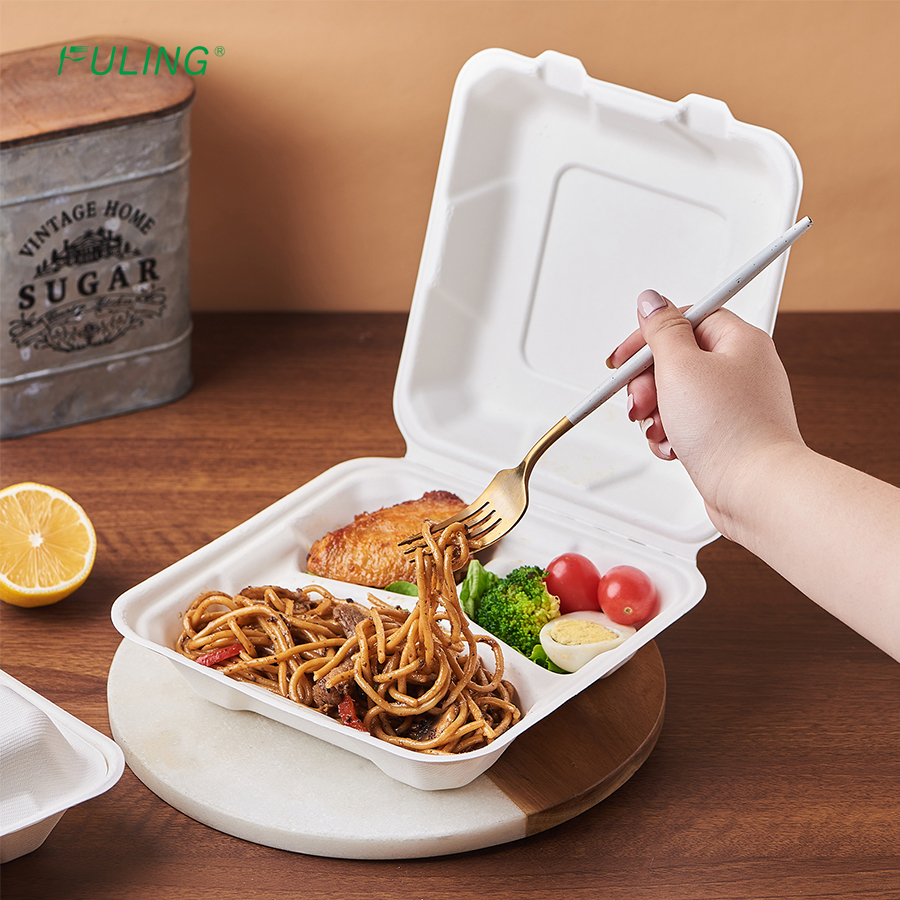
Explore our top-rated B2B food containers, clear deli bowls, microwavable prep tubs, and bagasse tableware engineered for global foodservice distributors, QSR chains, and wholesale packaging importers.
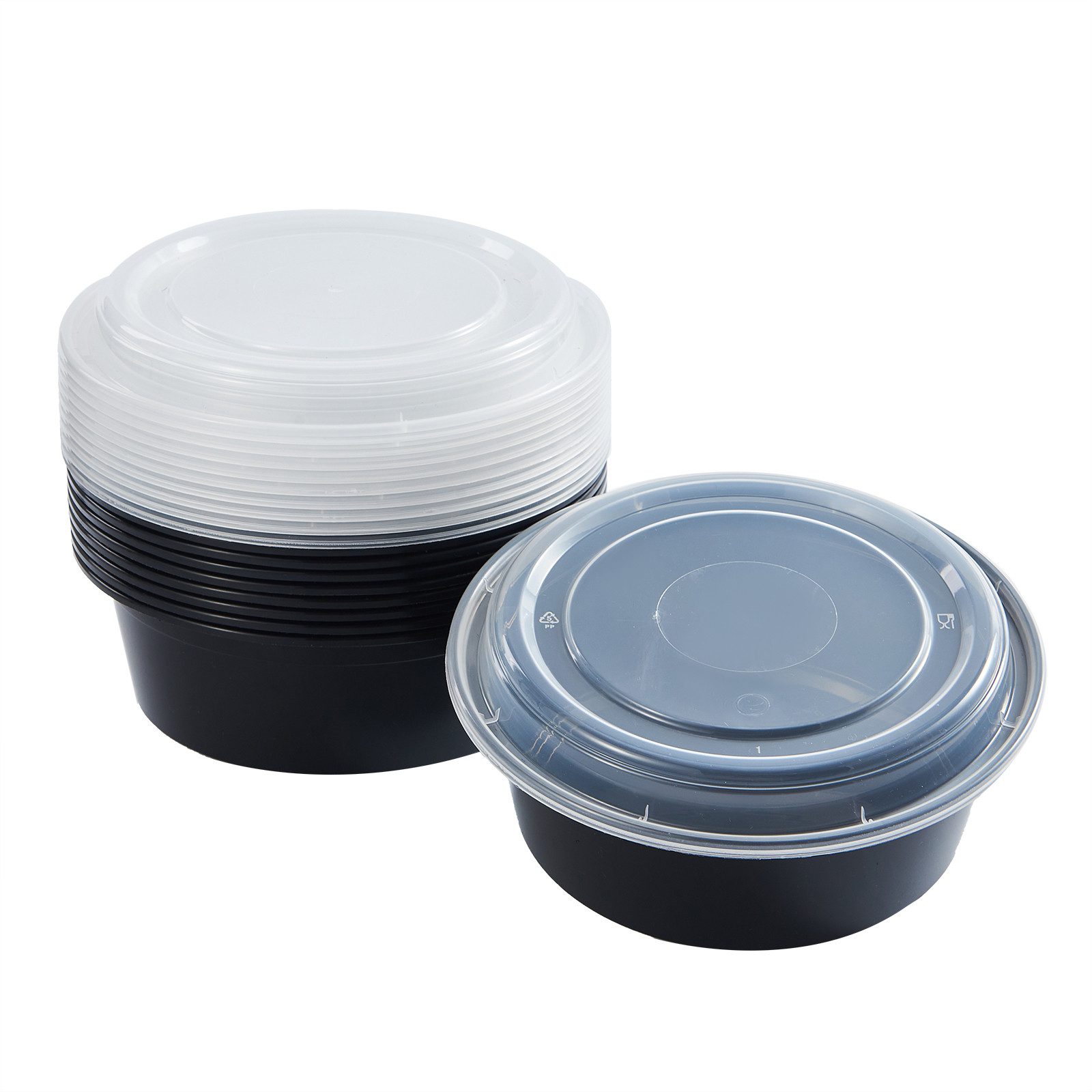
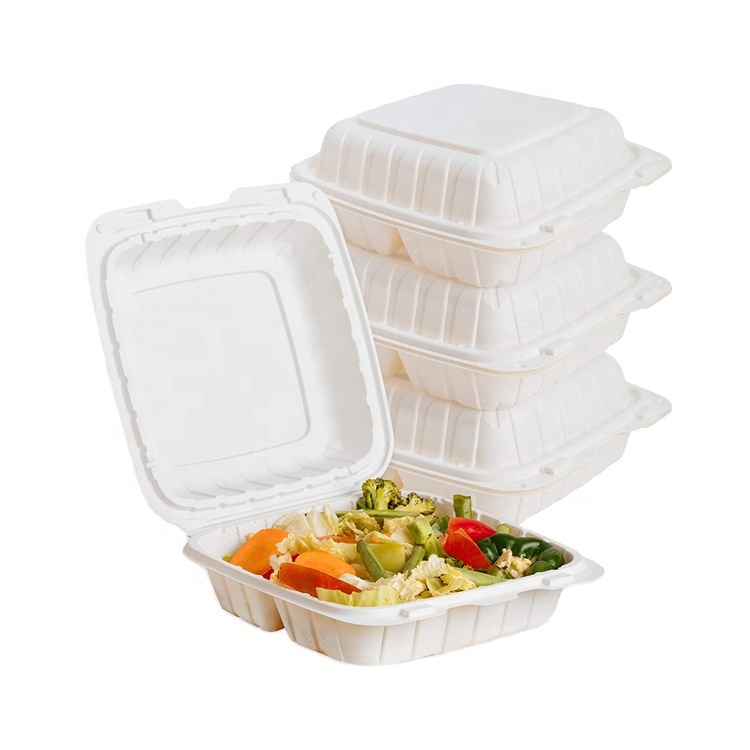
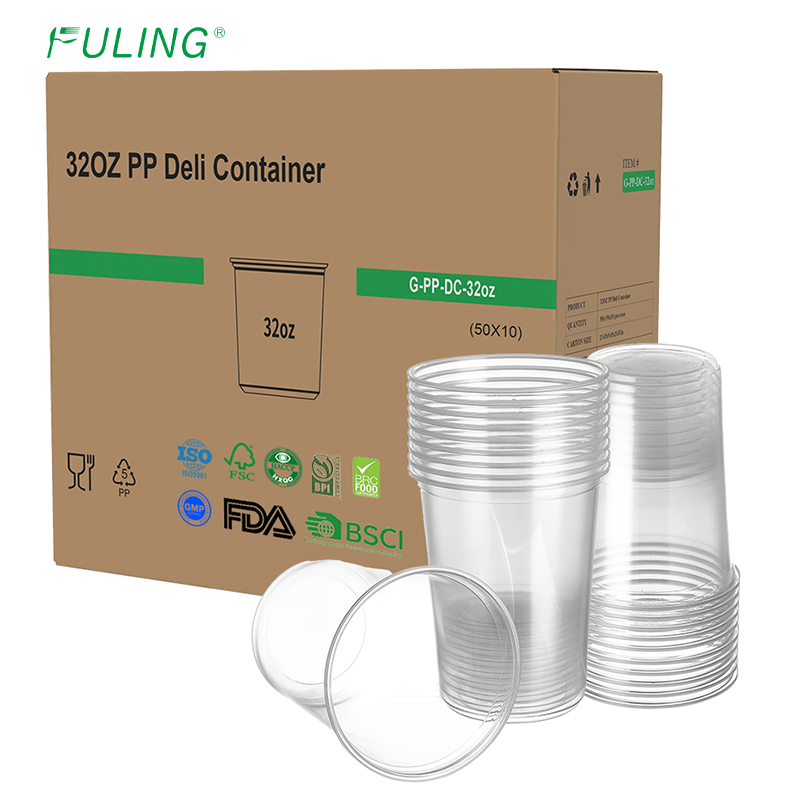


Industrial Scale & Precision Polymer Engineering
As a tier-one plastic packaging factory with over two decades of global export history, we combine advanced thermoforming automation, cleanroom injection lines, and rigorous E-E-A-T compliant quality assurance.
Automated Precision Molding
Our high-speed German thermoforming machines and robotic injection stations guarantee strict wall thickness tolerances (±0.05mm), ensuring identical stackability and zero rim deformation during automated filling operations.
Strict Food Safety Compliance
All plastic salad bowls, deli tubs, and soup containers are manufactured using 100% virgin PET, PP, or resin compounds tested against US FDA 21 CFR 177.1520 and EU Regulation No. 10/2011 overall migration limits.
Proprietary Anti-Fog & Leakproof Fit
Engineered lid-to-bowl snap closures feature multi-ring interlocks that prevent dressing leakage during last-mile food delivery. Optional food-grade anti-fog additives maintain crystal-clear visibility under refrigerated display units.
Plastic Salad Bowl Material & Substrate Comparison
Selecting the ideal polymer resin is critical for cold chain preservation, structural integrity, and sustainability compliance. Review our comprehensive material engineering benchmarks below.
| Polymer Substrate | Optical Clarity | Temperature Range | Barrier Efficiency | Rigidity & Stacking | Sustainability Profile |
|---|---|---|---|---|---|
| PET (Polyethylene Terephthalate) | Glass-Clear (92% Transmittance) | -20°C to 65°C (Cold display only) | High Oxygen & Aroma Barrier | High Tensile Modulus | 100% Recyclable (#1 RIC), rPET Compatible |
| PP (Polypropylene) | Translucent / Clarified Available | -10°C to 120°C (Microwave-Safe) | Moderate Gas, Excellent Water Moisture | Durable, Flex-Fatigue Resistant | Widely Recyclable (#5 RIC), Reusable Grade |
| MFPP (Mineral-Filled PP) | Opaque (White / Black / Custom Color) | -18°C to 110°C (Microwave & Freezer) | High Thermal Insulation Barrier | Ultra-Rigid Foam Alternative | Up to 50% Reduced Plastic Resin Footprint |
| Bagasse / Sugarcane Fiber | Natural Matte Fiber Finish | -25°C to 200°C (Oven & Microwave) | Requires PLA/Bio-Coating for Long Storage | High Structural Density | 100% BPI Certified Home/Commercial Compostable |
The Evolution of Plastic Salad Bowls: Material Innovation & Supply Chain Resilience (2025–2030)
In the modern foodservice landscape, the humble salad bowl has transitioned from a basic commodity vessel into a sophisticated food preservation platform. Commercial importers, retail deli packaging managers, and packaging distributors face escalating pressures driven by global sustainability mandates, extended supply chain transit times, and changing consumer purchasing behaviors surrounding prepared produce and gourmet grab-and-go salads.
1. Post-Consumer Recycled (PCR) & rPET Circular Integration
Regulatory frameworks across North America and Western Europe are enforcing minimum recycled content thresholds for single-use packaging. Factory production lines have pivoted toward thermoforming multi-layer A/B/A structured PET salad bowls. In these configurations, the core layer contains up to 80% food-grade rPET (Post-Consumer Recycled content), encapsulated between virgin PET outer skin layers. This structural approach preserves pristine food-contact compliance while meeting stringent legislative mandates such as the European Union Single-Use Plastics Directive (SUPD) and California SB 54 benchmarks.
2. Advanced anti-fog technology for cold display merchandising
Visual appeal directly influences retail conversions in cold deli displays. Traditional clear bowls often suffer from internal condensation when warm salad ingredients, moist leafy greens, or acidic dressings interact with cold display temperatures. Modern manufacturing incorporates migratory anti-fog additives directly into the resin extrusion process. By lowering the surface tension of water droplets forming inside the bowl, moisture spreads into an invisible micro-thin film, preserving 100% optical clarity and maximizing fresh salad shelf presence without compromising barrier performance.
3. Structural Lightweighting & Ribbed Precision Geometries
Freight cost volatility and environmental footprint reduction have accelerated the adoption of lightweight polymer engineering. By applying FEA (Finite Element Analysis) stress simulations, factory toolmakers design multi-faceted geometric ribbing around the perimeter wall of the salad bowl. These vertical and radial ribs amplify crush resistance and rim load-bearing capacity by up to 35%, allowing factories to trim container gram weights by 12% to 18% without risking bowl collapse during stacked transport or automated high-speed lid closing.
4. Hermetic Leak-Proof Snap Fits for Last-Mile Delivery
With third-party delivery platforms expanding rapidly, container leakage remains the primary source of consumer negative reviews. Precision-molded salad bowls utilize dual-stage perimeter locking grooves. The engineered lid tracks into a primary outer sealing ring while an inner plug flange snaps firmly against the bowl wall. This double-barrier design prevents liquid dressing escape under severe vibration, drop impacts, or container tilting, guaranteeing an uncompromised meal delivery experience.
Frequently Asked Questions by B2B Importers
Get immediate answers to common technical, manufacturing, shipping, and customization questions from our engineering and sales export team.
What is the minimum order quantity (MOQ) for custom-printed plastic salad bowls?
For standard stock sizes (clear PET or black PP bowls), our baseline factory MOQ starts at 30,000 to 50,000 units per item. For custom logo offset printing or custom-embossed lids, the typical starting batch size is 100,000 units per design to optimize tooling setup costs and raw resin extrusion runs.
How do PET and PP salad bowls compare regarding temperature limits?
PET salad bowls offer unmatched optical clarity and cold impact resistance, making them ideal for fresh greens, fruit salads, and chilled deli items (-20°C to 65°C). However, PET cannot be microwaved. PP (Polypropylene) bowls are heat-resistant up to 120°C, fully microwave-safe, and compatible with hot fills, warm salad toppings, and reheatable prepped meals.
Can we order consolidated mixed-SKU containers to reduce inventory overhead?
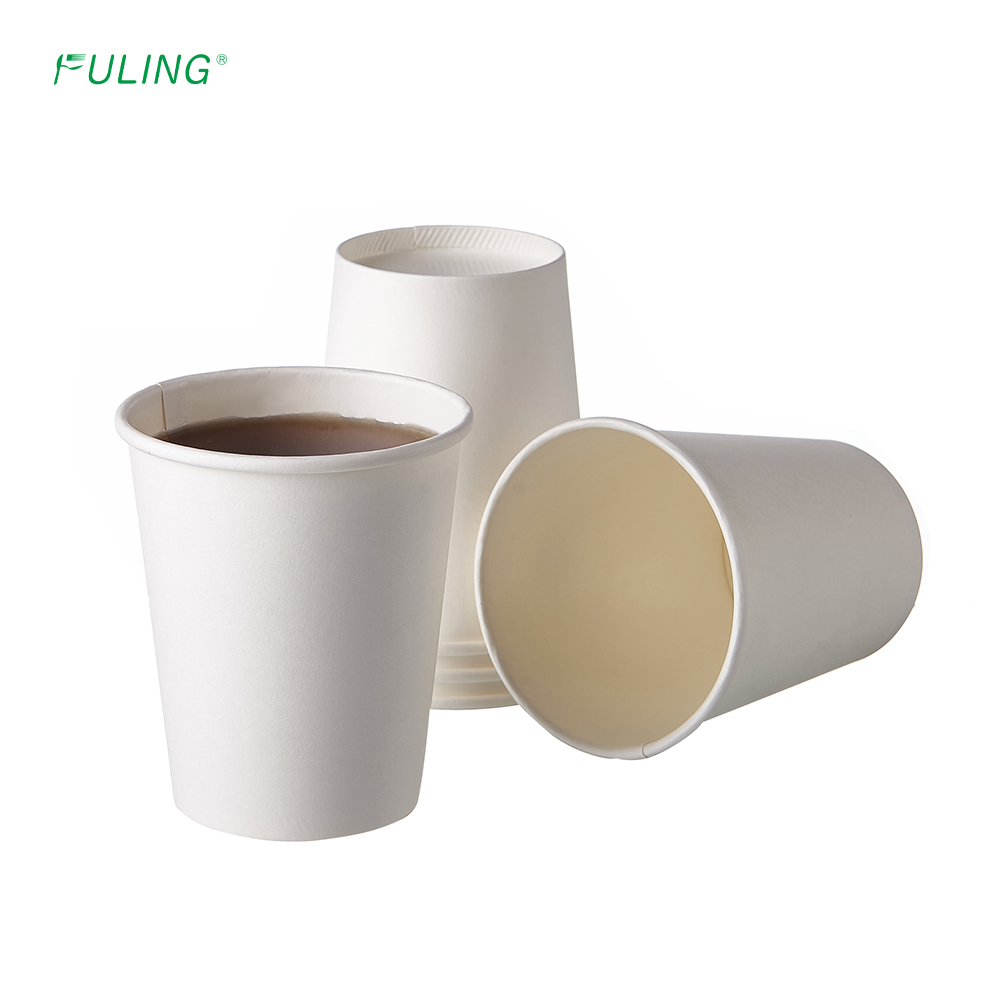
Yes, absolutely. We specialize in mixed-container consolidation for regional distributors. You can combine plastic salad bowls, clear PET drinking cups, microwavable meal prep containers, and PP cutlery sets within a single 20GP or 40HQ container, significantly improving cash flow and inventory rotation speed.
What international food safety test reports can you provide for import compliance?
We provide comprehensive third-party testing certification from accredited laboratories (SGS, TÜV, Intertek) verifying compliance with US FDA 21 CFR 177.1520, EU Regulation 10/2011, REACH, and BPA-Free declarations. Factory audit reports (ISO 9001, BRCGS Packaging) are also available upon inquiry.
What is the typical production and delivery lead time for export orders?
Standard plain inventory orders ship within 15 to 25 days following proforma deposit confirmation. Custom-printed or newly developed OEM mold projects require 25 to 40 days, which accounts for pilot sample prototyping, mold hardening, optical inspection, and final mass production.
How do you prevent anti-fog deterioration during extended ocean transport?
Our anti-fog additive formulations are masterbatched directly into the polymer matrix during extrusion rather than sprayed onto the surface. This ensures internal chemical stability, preventing the anti-fog properties from degrading under container humidity fluctuations or thermal stress during sea transit.
Partner with a World-Class Salad Bowl Manufacturer
Request factory-direct pricing, custom artwork proofs, and complimentary physical sample kits tailored to your foodservice or wholesale distribution requirements.