Industrial-Grade Disposable PP Containers & Tableware
Precision-molded microwavable meal trays, deli tubs, hinged MFPP clamshells, and high-clarity packaging engineered for global B2B procurement.


Why Polypropylene (PP) and MFPP Dominate Commercial Takeout Packaging
An authoritative evaluation of polymer performance metrics, thermal limits, grease resistance, and cost-efficiency for large-scale foodservice buyers.
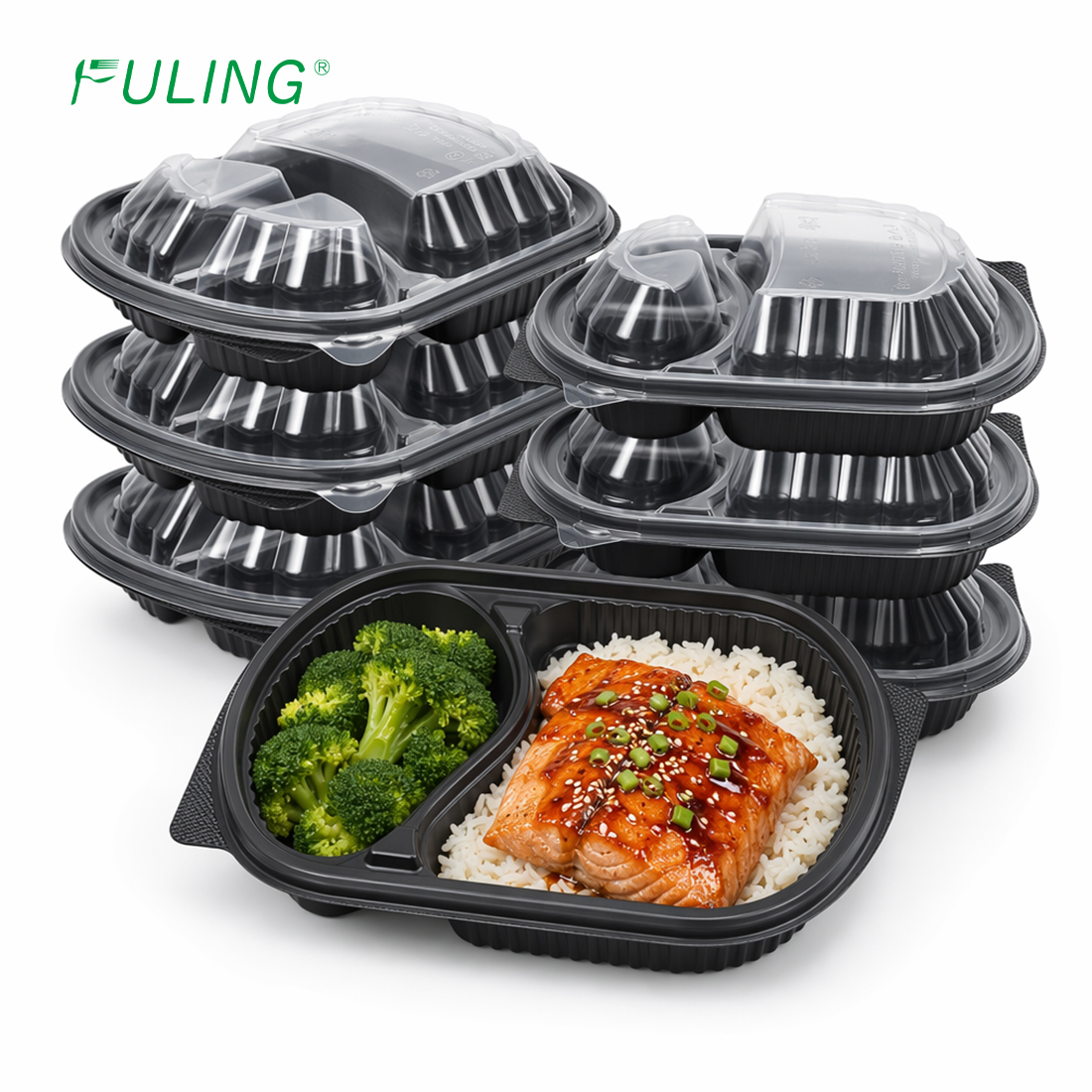
Information Gain Insight: Modern food distribution and ghost-kitchen logistics demand container integrity under extreme thermal shifts—from frozen staging (-20°C) to high-wattage microwave reheating (+120°C). Standard polystyrene (PS) and polyethylene terephthalate (PET) fail at elevated temperatures, leading to structural deformation and chemical migration risks. Homopolymer and Random Copolymer Polypropylene (PP), augmented by Mineral-Filled Polypropylene (MFPP), present the gold standard for hot food containment, structural stackability, and circular recycling economy compliance.
Polymer Crystal Mechanics
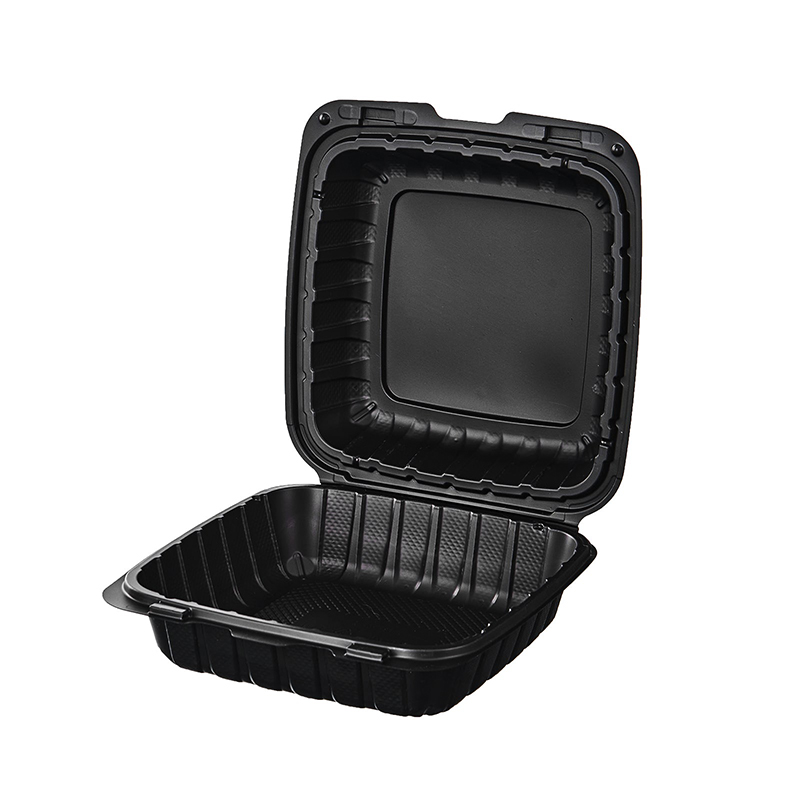
Polypropylene's semi-crystalline structure grants superior fatigue resistance, allowing integrated snap-fit hinges on clamshell food boxes to survive thousands of flex cycles without stress cracking or structural hinge fracture.
Thermal Deflection Resistance
With Heat Deflection Temperatures (HDT) exceeding 110°C, PP meal prep containers maintain dimensional rigidity when filled with boiling broths, heavy gravies, and deep-fried items without wall buckling or lid pops.
Mineral-Filled (MFPP) Innovation
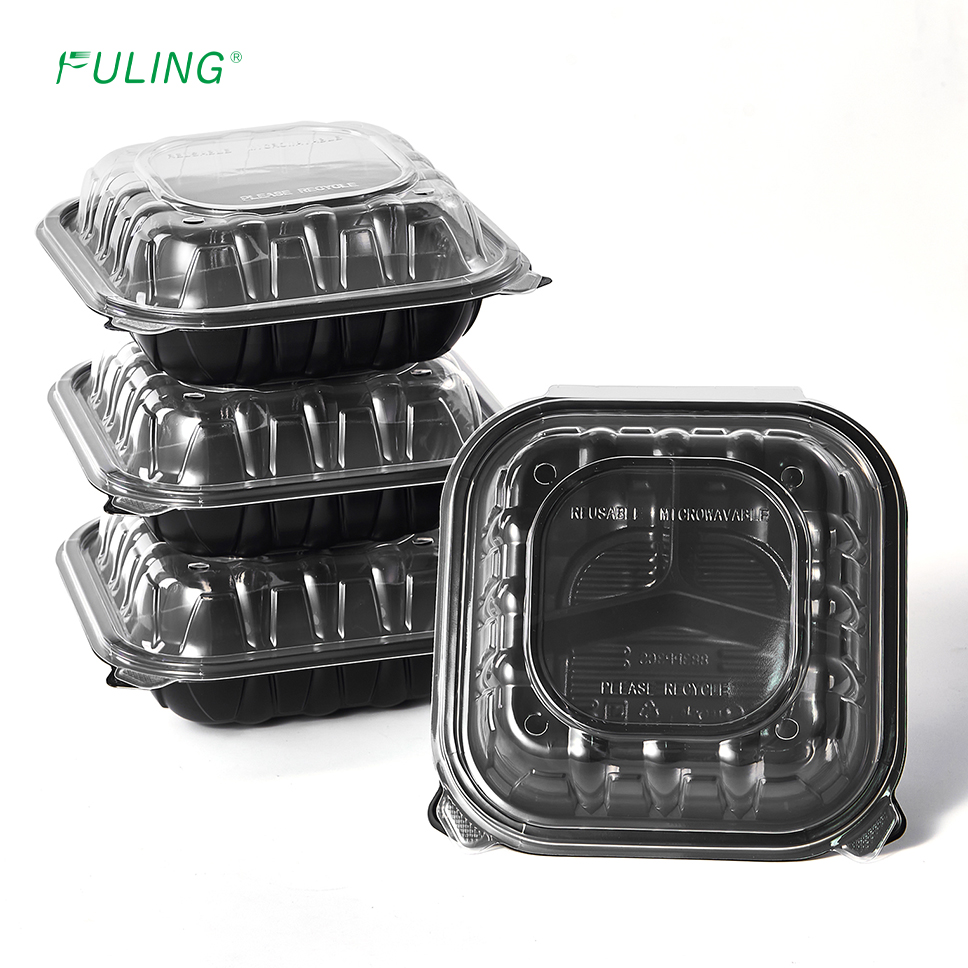
Integrating up to 40% natural calcium carbonate (CaCO3) into virgin PP resin reduces virgin plastic utilization, enhances heat retention, eliminates EPS expanded foam dependency, and optimizes structural stack strength.
B2B Technical Material Benchmark Matrix
Compare physical characteristics across primary raw materials utilized in commercial disposable tableware.
| Material Type | Temp Resistance Range | Microwave Safe | Oil & Grease Barrier | Transparency / Clarity | Target Food Applications | Recyclability Grade |
|---|---|---|---|---|---|---|
| PP (Polypropylene) | -20°C to +120°C | Yes (High) | Excellent | Translucent / Semi-Clear | Hot Meals, Bento Boxes, Deli Soup Tubs | RIC #5 (High) |
| MFPP (Mineral-Filled PP) | -10°C to +130°C | Yes (High) | Superior | Opaque (White/Black) | Hinged Clamshells, Plated Takeout | RIC #5 (Recyclable) |
| PET (Polyethylene Terephthalate) | -40°C to +65°C | No (Deforms) | Excellent | Glass-like Crystal Clear | Cold Drinks, Salad Bowls, Lids | RIC #1 (Highest) |
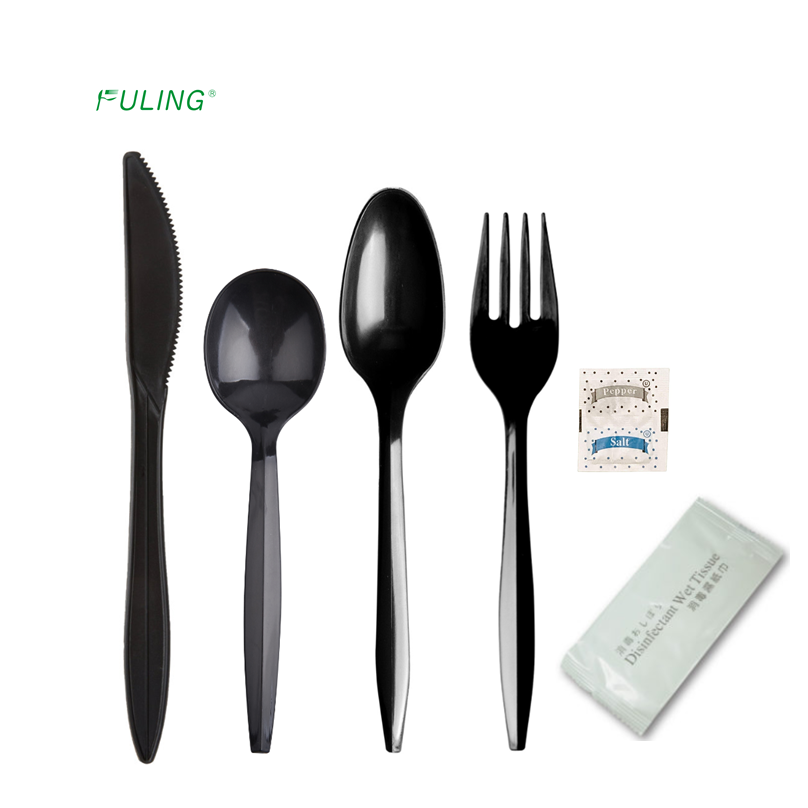
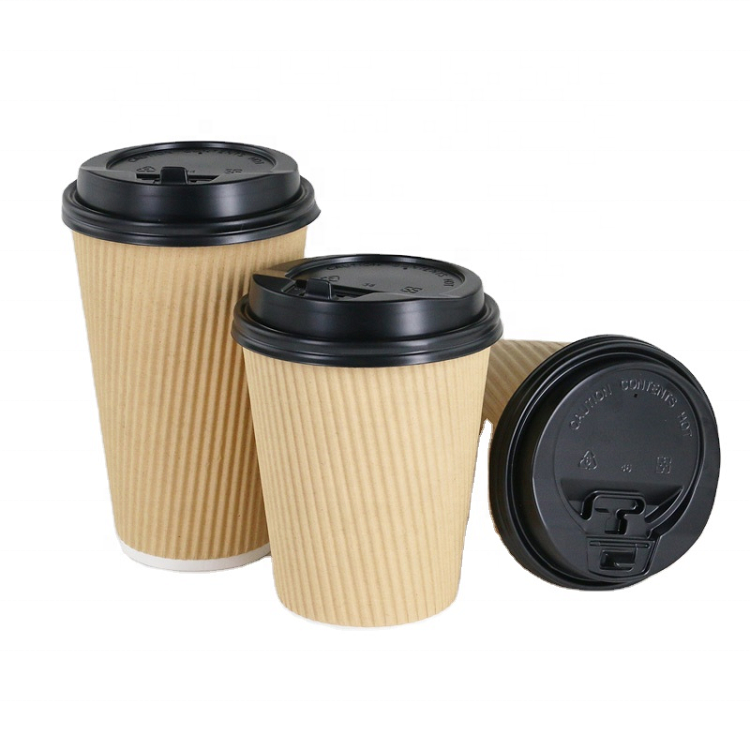
| PS (Polystyrene) | -10°C to +80°C | No | Moderate | Rigid Clear / White | Cutlery Kits, Hot Drink Lids | RIC #6 (Restricted) |
Future Procurement Trends in Food Packaging (2025–2030)
How enterprise importers, national restaurant chains, and commercial distributors are navigating regulatory shifts and tariff realignments.
1. Dual-Base Manufacturing Resilience (China + Indonesia Hubs)
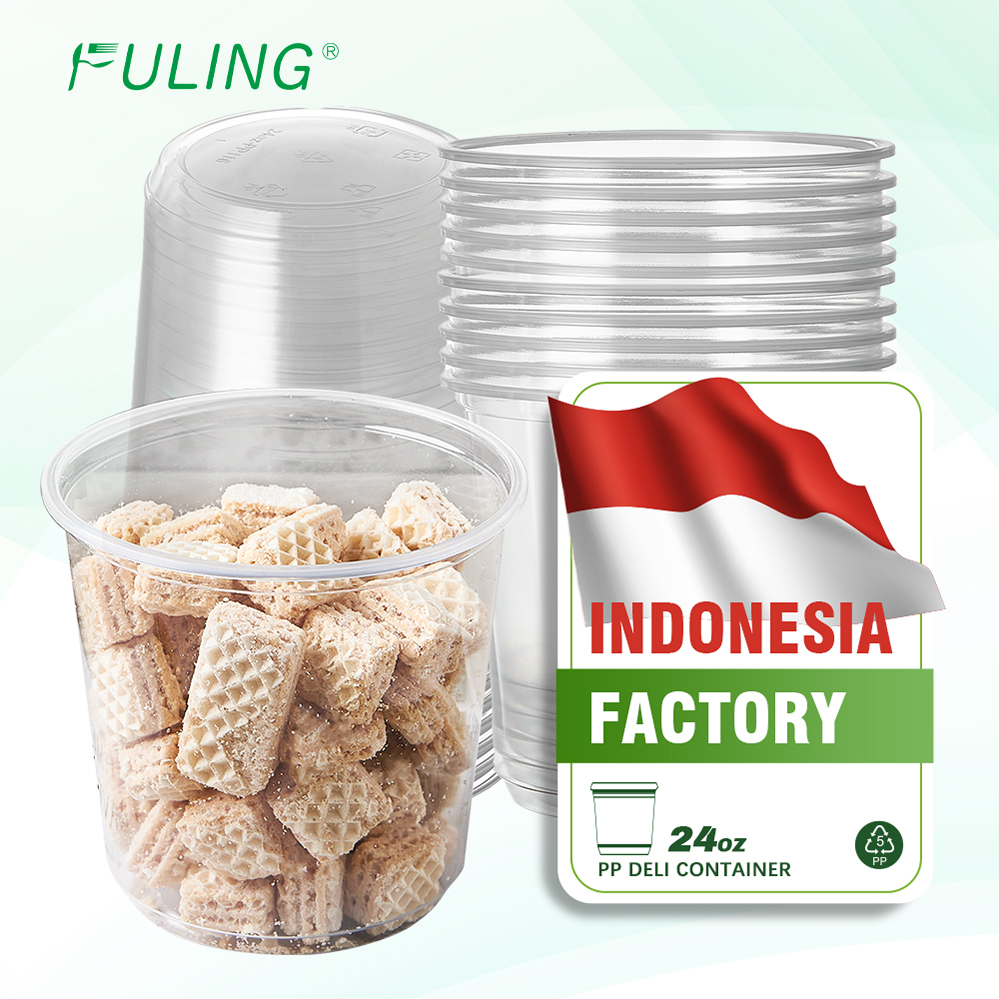
Geopolitical trade volatility and anti-dumping tariffs have driven top-tier PP food container manufacturers to establish dual-regional production ecosystems. By operating state-of-the-art facilities in both China and Indonesia, factories provide B2B importers with tariff-optimized shipping, duty mitigation strategies, and uninterrupted supply contingency during regional port congestions.
2. Foam (EPS) Banning Bans & MFPP Replacement Mandates
Environmental legislation across North America, Europe, and Asia-Pacific is rapidly outlawing expanded polystyrene (EPS) foam containers due to non-biodegradability and microplastic fragmentation. MFPP hinged clamshells have emerged as the primary direct drop-in replacement, offering identical structural rigidity, improved grease proofing, and full alignment with corporate ESG goals.
3. In-Mold Labeling (IML) & Automated Branding Integration
Direct offset surface printing is increasingly replaced by In-Mold Labeling (IML) technology. During injection molding, pre-printed polypropylene labels fuse directly into the wall of deli containers and meal trays. This produces photo-realistic, scratch-resistant branding that withstands steam, freezing, and friction during third-party delivery transport.
4. Anti-Fog Lamination & Visual Merchandising Optimization
Consumer purchase decisions heavily depend on food visibility in retail grab-and-go displays. Leading factories now treat clear PP and PET lid surfaces with food-grade anti-fog chemical additive coatings. This prevents condensation droplets from obscuring hot foods or prepared salads, driving higher retail turnover for food service operators.
Why Direct Factory Manufacturing Partnership Matters
High-capacity automated workshops, stringent quality inspection protocols, and verified international compliance documentation.
Automated High-Speed Molding Lines
Utilizing German and Japanese electric injection molding presses and high-speed thermoforming units, factories achieve high daily container volumes with micrometer-level wall thickness precision, minimizing material waste and ensuring unit-to-unit consistency.
Zero-Leakage Fit & Seal Standards
Lid-to-base closure seal integrity is continuously audited via vacuum leak testing and automated vision sensors. Containers are engineered with dual-stage perimeter snap-locks to prevent liquid spills during rough motorcycle or bicycle delivery routes.
Global Regulatory Approvals
Every resin batch undergoes rigorous third-party migration testing under US FDA 21 CFR 177.1520, EU Regulation No 10/2011, LFGB, and BRCGS packaging standards, guaranteeing total food contact safety and hassle-free customs clearance.
Frequently Asked Questions by Global Importers & Wholesalers
Clear, direct answers regarding minimum order quantities (MOQ), custom tooling, shipping consolidation, and food contact compliance.
Accelerate Your Foodservice Packaging Sourcing
Work directly with a world-class PP container manufacturer. Request factory-direct pricing, custom mold engineering, free sample kits, or complete food-contact compliance documentation today.