Strategic Sourcing for Sarajevo’s Culinary Market
In the bustling gastronomy scene of Sarajevo, where traditional culinary experiences meet modern fast-casual delivery, the quality of packaging is paramount. As a specialized manufacturer and exporter, we provide CE-certified portion cups and food containers designed to meet the rigorous demands of European importers and local restaurant chains. We understand the specific logistics and regulatory requirements for shipping into Bosnia and Herzegovina, ensuring your supply chain remains seamless, cost-effective, and compliant.


Local Application & Industry Trends in Sarajevo
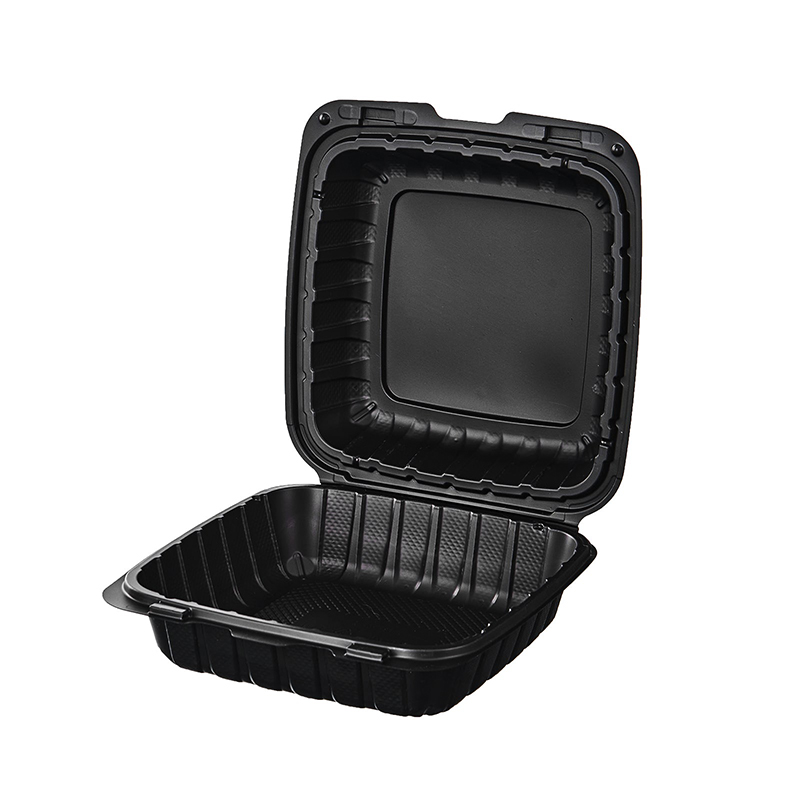
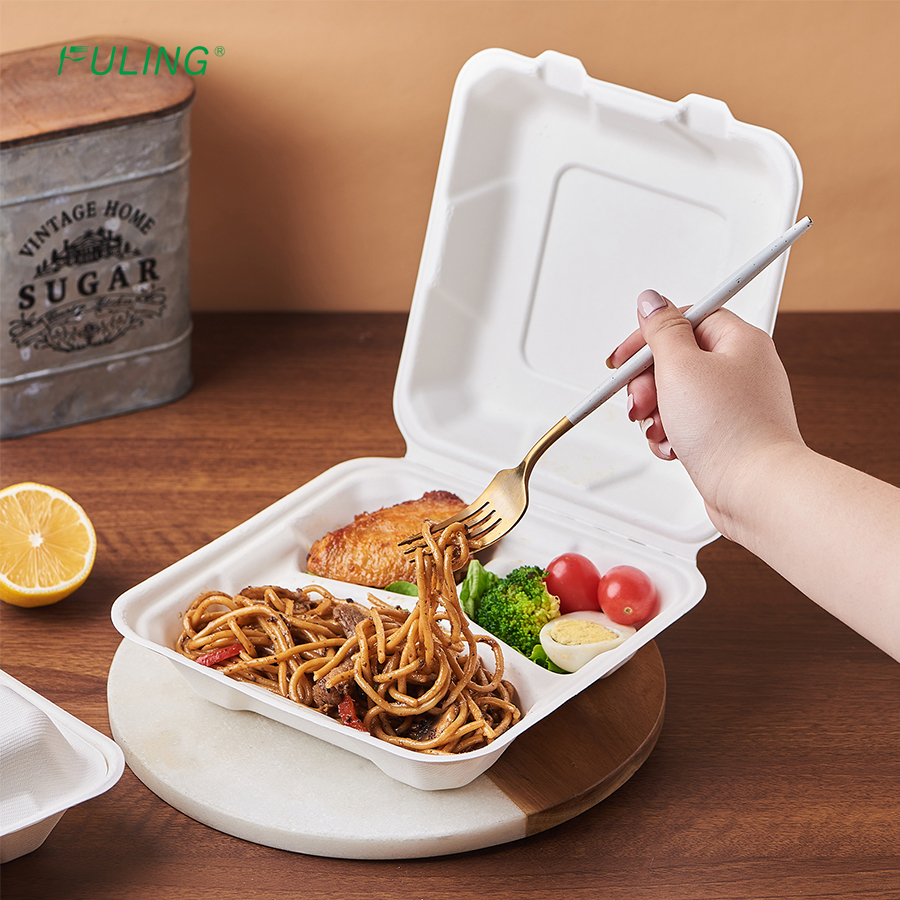
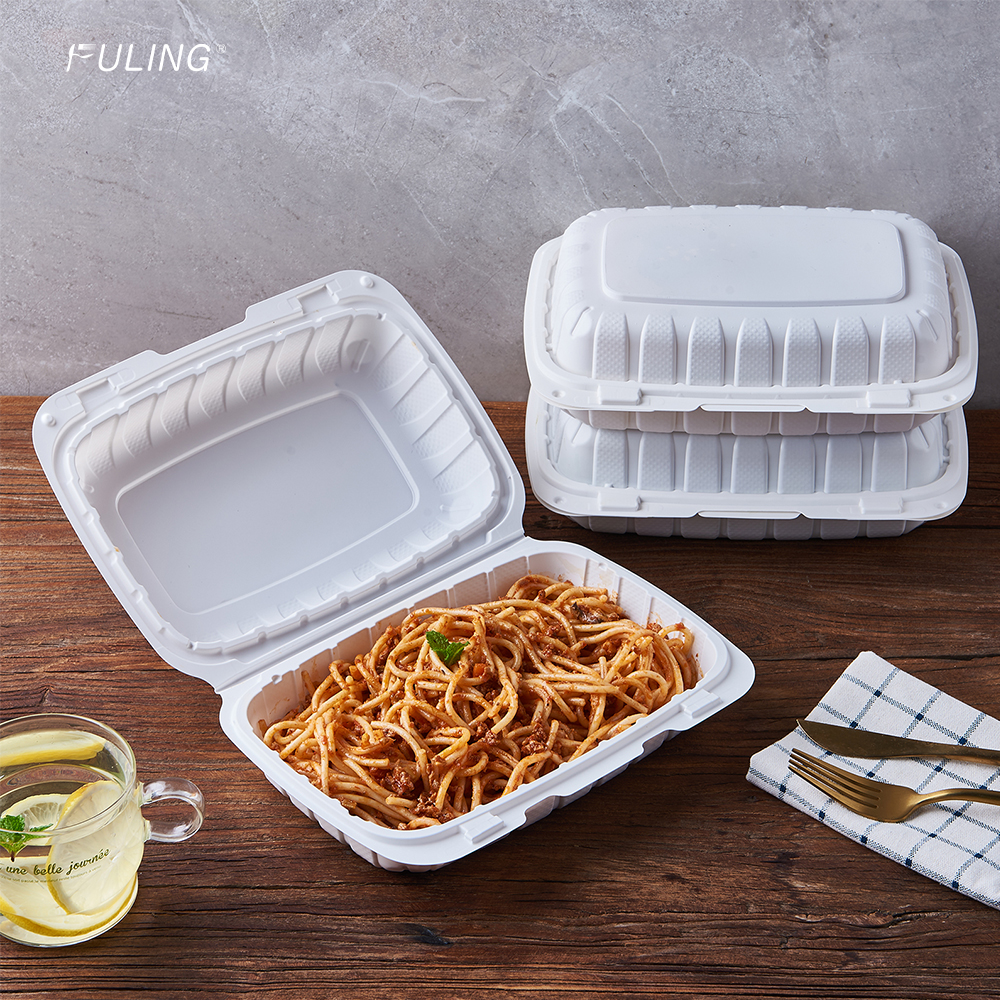
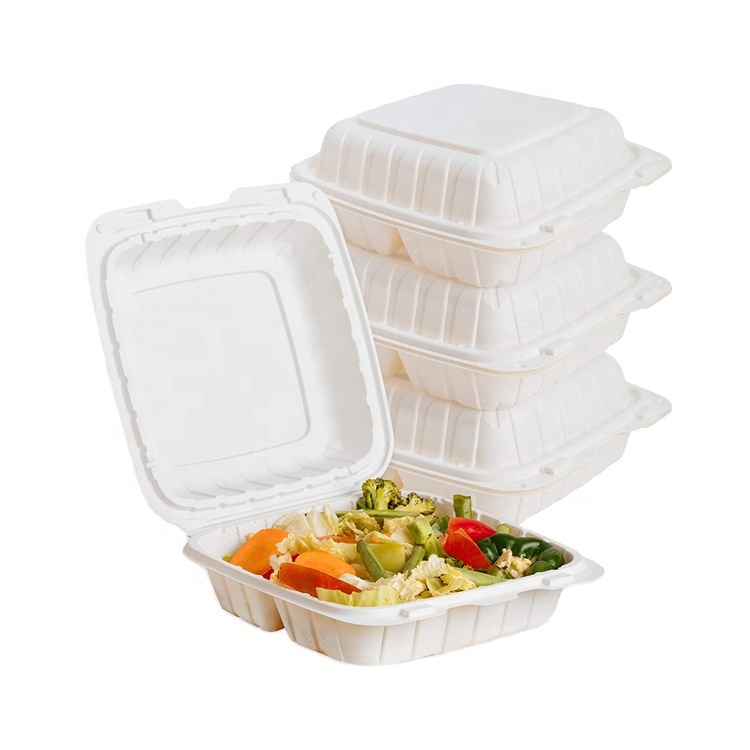
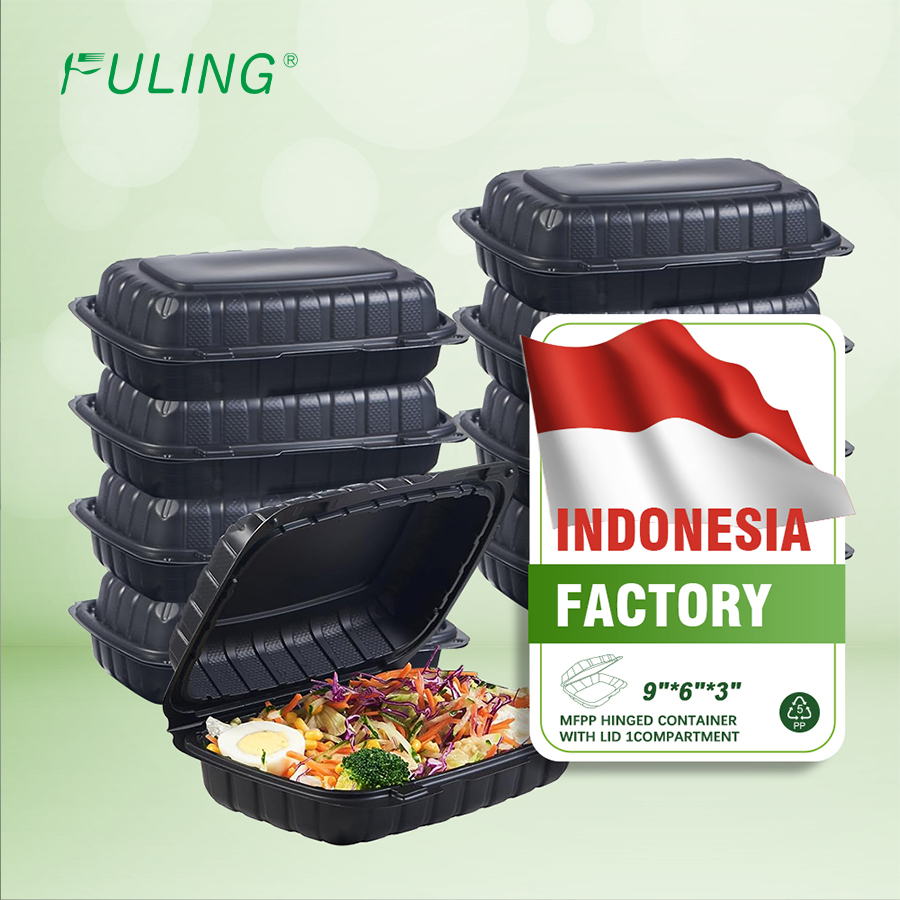
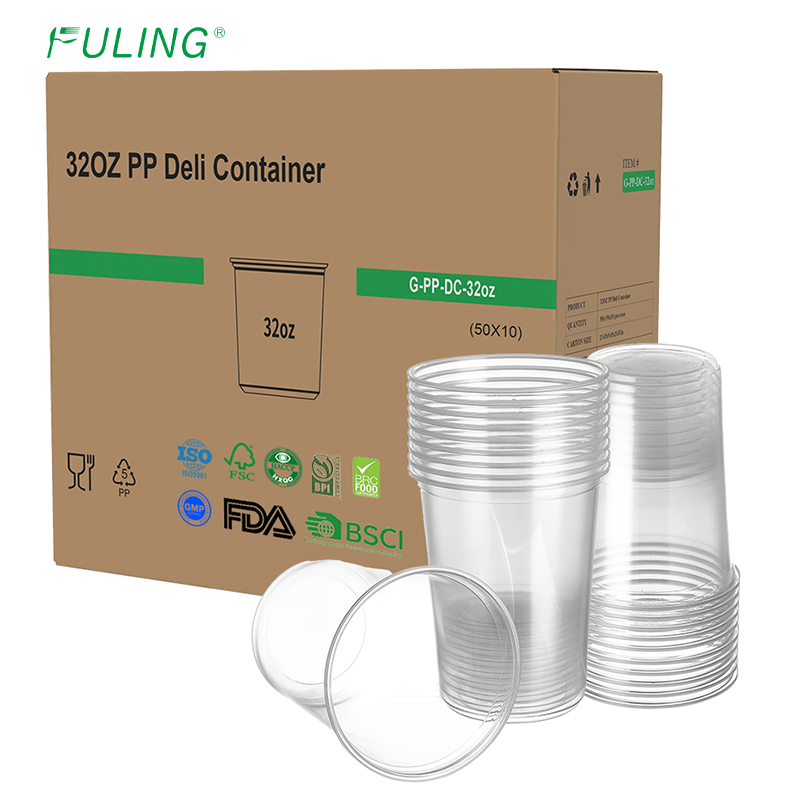
Sarajevo’s food delivery platforms are rapidly adopting high-clarity PET and heat-resistant MFPP packaging to ensure food integrity during transport. Our products are specifically engineered to provide a leak-proof seal, a feature highly sought after by local delicatessens and traditional restaurants focusing on high-quality delivery experiences. The move towards sustainable packaging in the Balkan region makes our mineral-filled polypropylene (MFPP) a superior choice, as it offers the rigidity of traditional foam without the environmental drawbacks, aligning perfectly with modern waste reduction trends.
Common Procurement FAQ for Local Partners
Q: How do your portion cups handle hot sauces?
A: Our PP portion cups are rated for high heat, making them ideal for the hot sauces commonly served in Sarajevo’s restaurants.
Q: Do you support small to mid-sized distributors?
A: Yes, we provide consolidated shipping options that allow distributors to mix different SKUs in one container, optimizing freight costs.
Q: Are your products CE certified?
A: Yes, all our food-contact items undergo rigorous testing to comply with EU regulations, including migration limits.
Why Partner With Us
Our commitment goes beyond manufacturing. We provide full documentation packages, including HS code guidance and migration reports, ensuring your customs clearance in Sarajevo is smooth. We treat every order as a long-term partnership, providing consistent quality, stable lead times, and proactive communication. Experience the difference of working with a factory that values the specific needs of the European import market.